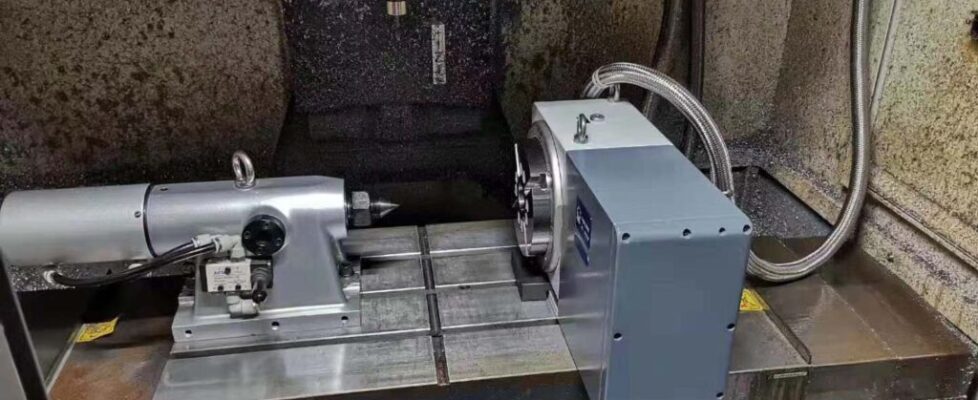
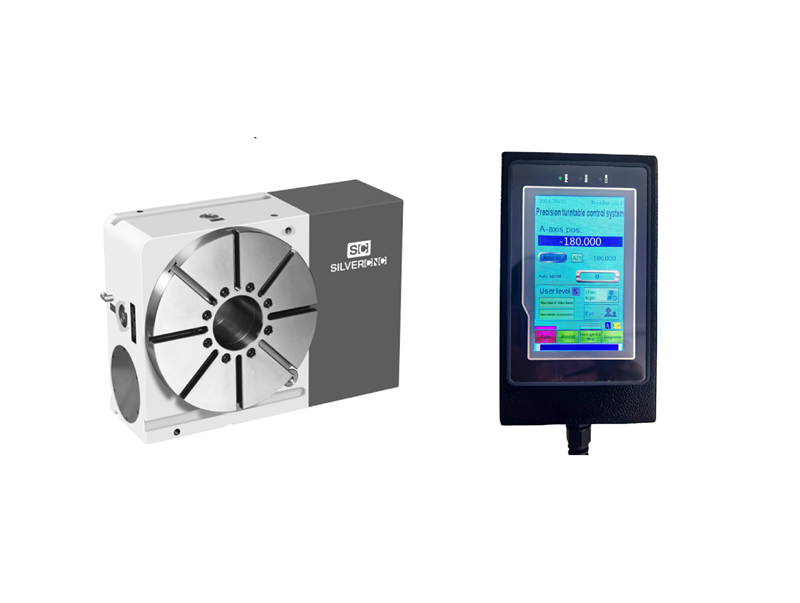
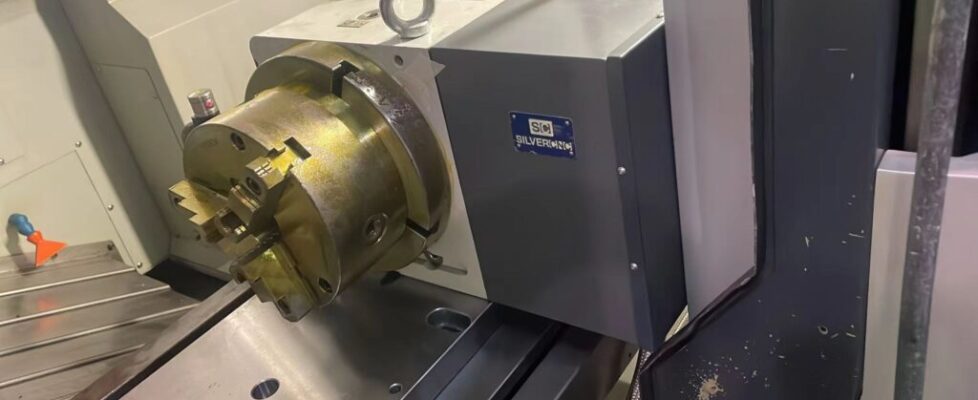
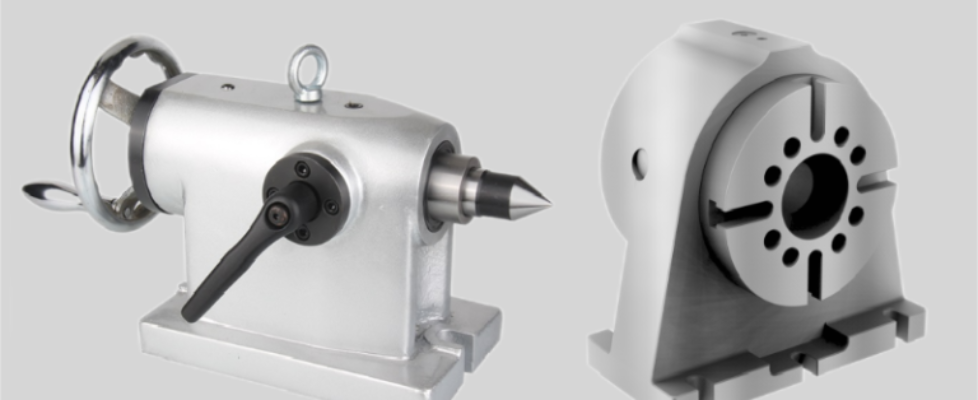
In the realm of machining, precision and stability are paramount. A manual tailstock serves as a critical component in lathes and other machinery, enhancing operational efficiency and ensuring high-quality results. For any machine shop aiming for optimal performance, incorporating a manual tailstock is not just beneficial—it is essential.
What is a Manual Tailstock?
A manual tailstock is positioned opposite the headstock in a lathe, providing crucial support for workpieces during machining operations. Its primary role is to stabilize the non-driven end of the workpiece, especially for longer or cylindrical parts, ensuring they remain centered and secure throughout various processes such as turning, drilling, and tapping.
Enhanced Precision and Stability
One of the most significant benefits of a manual tailstock is the additional support it offers, which translates directly into increased precision. When machining longer or slender components, the tailstock minimizes the risk of bending or deflection, ensuring that the workpiece maintains its shape as it rotates. This stability is crucial for producing parts with tight tolerances and high accuracy.
Flexible Support for Different Workpieces
Manual tailstocks are designed to accommodate various workpiece sizes, making them versatile tools in any machine shop. They can be easily adjusted along the length of the lathe, providing flexibility for operators. This adaptability ensures that whether you are machining small components or longer materials, the tailstock can offer the necessary support and alignment.
The manual tailstock often holds live centers or dead centers that help maintain the alignment of the workpiece. This centering capability is vital for achieving accurate machining results. By ensuring the workpiece remains correctly aligned, machine shops can significantly reduce errors and improve overall quality.
Facilitating Critical Operations
The manual tailstock is not only essential for support but also plays a vital role in facilitating various machining operations. It serves as a stabilizing force when drilling, reaming, or tapping, ensuring that tools are aligned correctly with the workpiece. This alignment reduces tool wear and allows for cleaner cuts, ultimately enhancing production quality.
Investing in a manual tailstock is a financially sound decision for machine shops. High-quality manual tailstocks, like those offered by SilverCNC, provide robust performance at competitive prices—often about half that of well-known brands. This affordability, combined with their reliability and durability, makes them a cost-effective option for businesses aiming to improve their machining capabilities.
Easy Installation and Maintenance
Another significant advantage of manual tailstocks is their easy installation and maintenance. Most models require minimal setup, allowing machine shops to integrate them quickly into existing systems. Additionally, their straightforward design means that maintenance needs are low, ensuring that operations can remain uninterrupted.
Conclusion
In summary, a manual tailstock is an indispensable tool for any machine shop aiming to enhance efficiency and precision in machining operations. With their ability to provide support, improve alignment, and facilitate various machining tasks, manual tailstocks are essential for producing high-quality components. If your machine shop is looking for dependable and cost-effective solutions, consider investing in a manual tailstock to elevate your machining capabilities. For more information, explore the manual tailstocks available at https://tinyurl.com/nhbac4yf or give me a call at +86 180 9892 0890 for a FREE QUOTE today!
In the ever-evolving landscape of modern machining, precision and efficiency are no longer luxuries—they are absolute necessities. As manufacturing industries push the boundaries of innovation and speed, the demands placed on computer numerical control (CNC) systems have increased exponentially. One tool, in particular, has become indispensable in meeting these demands: the CNC Rotary Table.
At SilverCNC, we specialize in providing high-performance machining accessories that enhance the capabilities of CNC machines. Among our most transformative products is the CNC Rotary Table, a tool that introduces a 4th axis into your machining workflow, adding powerful flexibility and precision. Whether you’re a small job shop or a large-scale manufacturing facility, integrating a high-quality CNC Rotary Table can significantly improve your operational efficiency, reduce cycle times, and expand the geometric complexity of parts you can produce.
What is a CNC Rotary Table?
To understand the full potential of a CNC Rotary Table, it’s essential to first know what it is and how it functions within a CNC machining center.
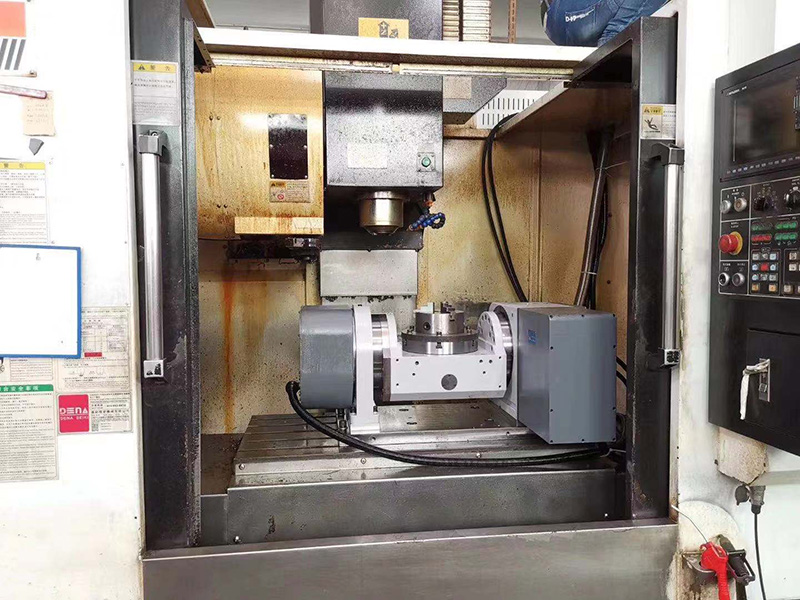
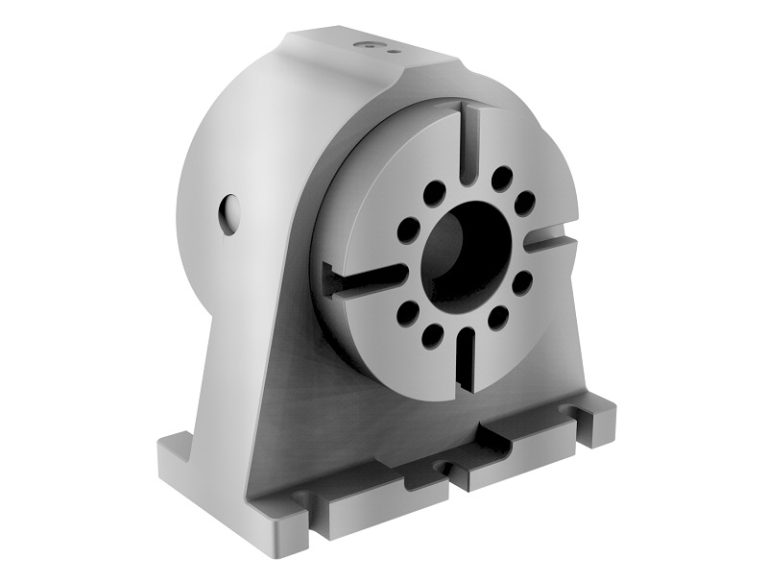
A CNC Rotary Table is a precision work positioning device that allows rotation of the workpiece around a single axis, typically described as the 4th axis (in addition to the standard X, Y, and Z axes). It enables complex angular machining, such as drilling, milling, and contouring on curved surfaces. Depending on the design, CNC Rotary Tables can be used horizontally or vertically and can be integrated directly into the machine’s controller.
Modern CNC rotary tables are powered by servo motors or stepper motors for high positioning accuracy and repeatability. When paired with the automatic control system of CNC machines, they allow the production of highly intricate and multi-faceted parts without repositioning the workpiece—saving time, labor, and potential material waste.
Key Features of SilverCNC’s CNC Rotary Tables
At SilverCNC, we design our rotary tables with the highest precision standards and robust performance in mind. Here are some standout features you can expect from our CNC Rotary Tables:
-High Radial and Axial Load Capacity: Suitable for heavy-duty machining applications. -Zero Backlash Gear System: Ensures smooth and accurate rotation. -Servo or Direct Drive Options: Offers flexibility based on application needs. -Repeatability Within Microns: Critical for parts requiring extremely high precision. -Durable Construction: Made with high-grade alloy steel for long service life. -Easy Integration: Designed to work seamlessly with most CNC controllers and systems.
How a CNC Rotary Table Enhances Your Machining Workflow
1. Adds a 4th Axis for Complex Operations
One of the most immediate benefits of using a CNC Rotary Table is the introduction of a fourth axis. This additional axis allows for the machining of complex components in a single setup, dramatically improving operational efficiency. Without a rotary table, multiple reworkings and repositioning would be necessary.
By rotating the workpiece accurately, you can machine features on multiple sides, angles, or contours without interrupting the setup. This is particularly beneficial for industries such as aerospace, mold making, and medical devices, where intricate geometries are common.
2. Reduces Setup Time and Operator Intervention
Every time an operator repositions a workpiece manually, it adds time and introduces risk for misalignment or error. The CNC Rotary Table reduces or eliminates the need for re-fixturing. By automating rotational movement, your process becomes smoother, faster, and far more accurate.
Over the course of a production cycle, this saves significant labor hours and reduces downtime, directly impacting your bottom line.
3. Improves Surface Finish and Accuracy
Rotary tables eliminate the need for stopping and shifting, thereby reducing vibration or misalignment caused by manual handling. This contributes to superior surface finishes, fewer tool marks, and consistency across large batch runs.
Moreover, the rotary axis allows for simultaneous multi-axis contouring, especially valuable when creating rounded or curved parts, such as turbine blades or medical implants.
As industries move toward smart manufacturing and unmanned production, integrating components like CNC Rotary Tables becomes critical. SilverCNC rotary tables are compatible with most CNC automation systems, enabling 24/7 operation and enhancing throughput capacity beyond traditional setups.
5. Versatility across Industries
A CNC Rotary Table isn’t just for high-complexity applications. Its versatility makes it suitable across a wide spectrum of industries:
Aerospace: For machining engine components and turbine parts.
Automotive: For engine casings, transmission parts, and brake systems.
Medical: For orthopedic implants or surgical tools requiring high precision.
Tool & Die Making: For accurate mold and die components.
General Manufacturing: For batch production of precision components.
Choosing the Right CNC Rotary Table for Your Machine
Not all rotary tables are created equal. Here are some key factors to consider when selecting the perfect CNC Rotary Table for your operations:
a) Size and Load Capacity
Determine the size and weight of the workpieces you’ll be machining. The rotary table should handle the maximum load without compromising on performance or repeatability.
b) Drive Type: Worm Gear vs. Direct Drive
Worm Gear Tables are ideal for high torque applications and cost-effective solutions.
Direct Drive Tables offer faster indexing speeds and exceptional repeatability for advanced machining needs.
c) Accuracy and Repeatability
Evaluate the table’s backlash, angular positioning precision, and overall machine tolerance levels. SilverCNC rotary tables are engineered with near-zero backlash systems and guaranteed micron-level repeatability.
d) Control Compatibility
Ensure the rotary table is compatible with your CNC controller (e.g., FANUC, Siemens, Mitsubishi). SilverCNC offers plug-and-play solutions that integrate without custom coding or extensive modifications.
e) Orientation Options
Some tables are better suited for horizontal mounting, while others offer vertical or multi-position flexibility. Make sure it aligns with your machine’s layout and workholding needs.
Real-World Use Case: Increasing Output with a 4th Axis Setup
A medium-sized aerospace job shop using 3-axis vertical machining centers approached SilverCNC in search of improved cycle times and reduced part errors. By integrating our high-precision CNC Rotary Table, configured as a 4th axis, the shop was able to:
Reduce setup time by 40%
Increase throughput by 30%
Eliminate secondary operations for complex geometries
Achieve consistent tolerances within ±0.002 mm
The investment paid for itself in just under six months through faster production and higher-quality output.
Maintenance Tips for Your CNC Rotary Table
To keep your rotary table performing at peak levels, regular maintenance is essential. Here are a few tips:
Lubricate all moving parts based on the manufacturer’s instructions.
Inspect for backlash regularly and fine-tune gears if necessary.
Clean seals and surfaces to prevent contaminant buildup.
Check servo motor health during scheduled machine checks.
Store idle rotary tables in dry, clean environments to prevent corrosion.
SilverCNC rotary tables are engineered for easy maintenance, with modular components and accessible service points.
Precision is the Future — Are You Ready?
In today’s competitive manufacturing arena, standing still means falling behind. A CNC Rotary Table is one of the smartest investments you can make to stay ahead. By unlocking a new dimension of precision, speed, and flexibility, you not only expand your capabilities but also future-proof your shop for complex, high-value machining.
Frequently Asked Questions (FAQ)
Q1: What’s the difference between a 4th axis and a rotary table?
The terms are often used interchangeably. However, a CNC Rotary Table becomes a 4th axis when it’s motorized and integrated into the CNC’s control system. Manual rotary tables need manual adjustment and are not automated.
Q2: Can I retrofit a CNC Rotary Table to an existing machining center?
Absolutely. SilverCNC’s rotary tables are designed for seamless retrofit onto most vertical and horizontal machining centers. Our support team also provides integration assistance.
Q3: What types of workpieces benefit most from a CNC Rotary Table?
Parts that require angular holes, circular patterns, curved surfaces, or machining on multiple sides benefit the most. Examples include impellers, camshafts, gears, and complex aluminum housings.
Q4: Is the CNC Rotary Table compatible with all CNC controllers?
Most are, but control compatibility should be confirmed during purchase. SilverCNC offers models tailored to major CNC platforms like FANUC, Siemens, and Haas.
Q5: How long does it take to see ROI after investing in a rotary table?
Return on investment varies by workload and product mix, but many customers report full payback within 6 to 12 months due to increased productivity, reduced setups, and fewer rejected parts.
An advanced CNC accessory called a 4th Axis Rotary Table turns a typical three-axis machining center into a more powerful, multidimensional device. This precision rotary table allows the workpiece to rotate during machining by adding a rotational axis, sometimes known as the A-axis. This allows for intricate cuts, multi-face operations, and increased productivity that aren’t achievable with just X, Y, and Z movement.
1. Introduction to the 4th Axis Concept
Tools travel in straight lines along the X (horizontal), Y (front-to-back), and Z (vertical) axes in conventional 3-axis machining. By rotating the workpiece around one of those axes, usually the X or A axis, a 4th Axis Rotary Table adds a fourth degree of freedom, enabling makers to access various faces and curves without the need for human repositioning. Cylindrical, conical, and complicated surfaces can be machined in a single setup thanks to this increased capability.
2. Mechanical Rotation and Precision Control
The rotating mechanism of a 4th Axis Rotary Table is fundamental to its operation. Advanced methods like the roller gear cam transmission, which essentially eliminates backlash—the little movement that might happen when rotation direction changes—are frequently used in SilverCNC rotary tables to provide extremely precise and repeatable positioning. This mechanism produces smooth, accurate rotation with little maintenance and a long service life by using preloaded roller followers against a cam-shaped input shaft.
3. Synchronization with CNC Controls
The 4th axis connects to the CNC’s controller once it is installed on the machine table. To ensure that rotational motions coincide with linear tool movements, the controller synchronizes rotation with the tool path from the G-code program. This integration increases the complexity of objects that can be made by enabling simultaneous machining across several axes, such as drilling angled holes or cutting helical features.
In order to hold components firmly during rotation and high-torque cutting, a standard 4th Axis Rotary Table also has safe workpiece clamping systems, which are frequently hydraulic or pneumatic. Accuracy is maintained even in difficult operations thanks to stable clamping, which makes sure that machining forces don’t move the workpiece.
5. Increased Efficiency and Flexibility
This rotary table greatly shortens setup times, enhances accuracy, and boosts overall production by doing away with the need to physically place the workpiece for various faces. It makes complicated contouring, indexing, and multi-surface machining efficient in sectors including precision engineering, automotive, and aerospace.
In summary, the 4th Axis Rotary Table is a vital component in modern CNC machining, facilitating advanced manufacturing techniques and increasing flexibility. With its innovative roller gear cam design, improved efficiency, and maintenance-free operation, it is a must-have for any machining professional. For more information on how a 4th Axis Rotary Table can enhance your machining processes, visit https://tinyurl.com/msws4p27 and call now at +86 180 9892 0890 or email us at liuxuan@silvercnc.com today!
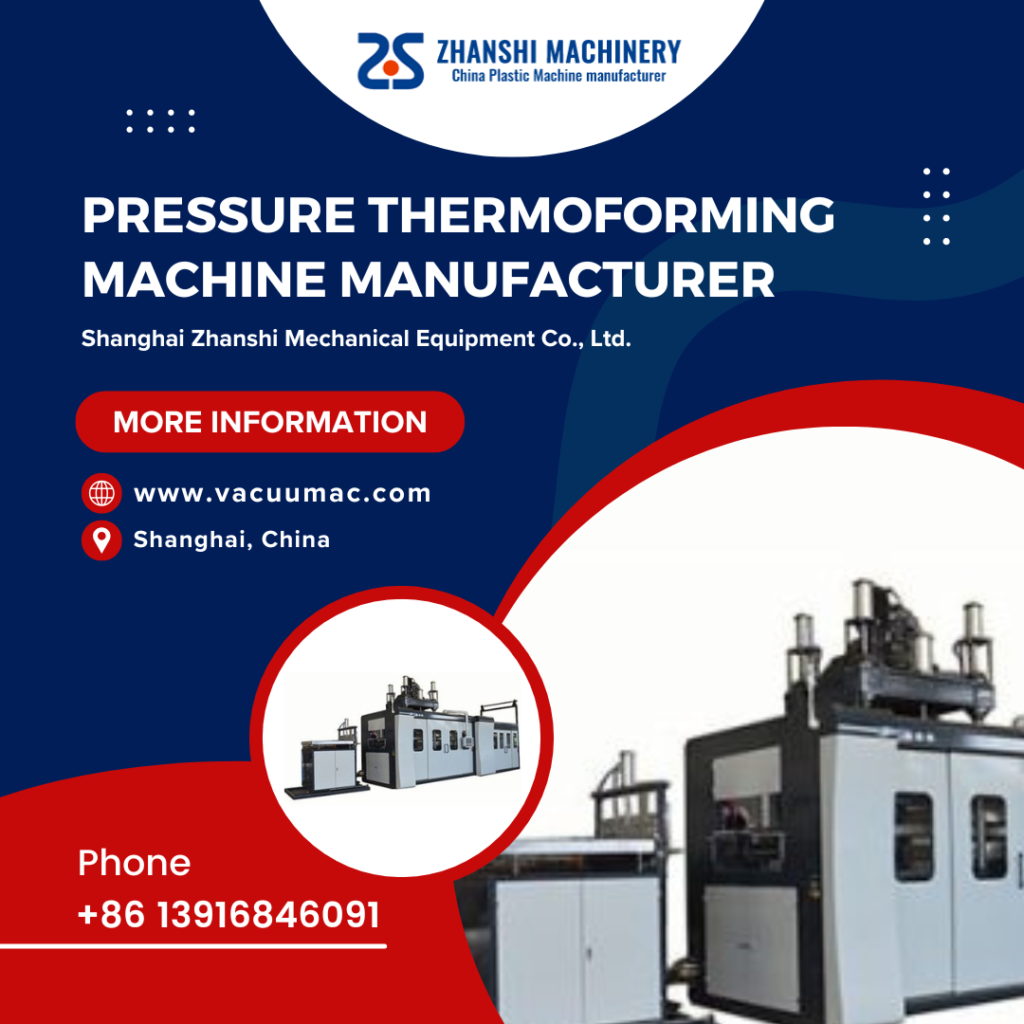
In the world of modern manufacturing, where precision, speed, and cost-effectiveness define the competitive edge, companies are continuously searching for innovative solutions to improve their production processes. Among these advancements, thermoforming technology stands out as a leader in packaging and plastic product manufacturing. More specifically, the Pressure Thermoforming Machine has emerged as a vital asset for manufacturers aiming to accelerate their output while maintaining intricate detailing and high-grade consistency.
At Shanghai Zhanshi Mechanical Equipment Co., Ltd., we specialize in designing and delivering advanced thermoforming machinery engineered for high performance and long-term reliability. Our Pressure Thermoforming Machines are trusted by global manufacturers to produce high-precision parts at record speeds, across a wide array of industries—from food and medical packaging to automotive components and consumer goods.
Pressure Thermoforming Machine?
A Pressure Thermoforming Machine is advanced equipment that shapes heated plastic sheets into detailed, high-quality parts by using both vacuum and controlled air pressure. This technology ensures precise material distribution, sharper mold definition, and improved surface finish compared to standard thermoforming methods. Ideal for packaging, medical trays, automotive components, and consumer products, a pressure thermoforming machine enhances production efficiency, consistency, and part strength.
How Does a Pressure Thermoforming Machine Work?
While the concept is straightforward, pressure thermoforming involves a sophisticated sequence of operations that must be executed with exact timing and controls—something our machines at Shanghai Zhanshi are meticulously designed to provide.
Here’s a step-by-step breakdown of the process:
Sheet Loading: A thermoplastic sheet (often ABS, HIPS, PETG, or PP) is automatically fed into the machine.
Heating: Radiant or contact heaters raise the plastic to its forming temperature (~160°–220°C depending on material).
Forming Chamber Seals: Once heated, the sheet is moved over a female or male mold.
High-Pressure Air is Introduced: Swift and high-pressure air forms the sheet tightly against the mold—capturing every design element.
Cooling: The formed part is cooled using air blowers or water channels in the mold.
Trimming and Ejection: Trimming cutters remove excess material, and the part is ejected for stacking or assembly.
Key Benefits of Using a Pressure Thermoforming Machine
Now that you understand the process and how it compares to other methods, let’s explore the benefits of using a Pressure Thermoforming Machine in further detail.
1. Faster Production Speeds
Speed is of the essence in modern manufacturing, and this is where pressure thermoforming shines. Shanghai Zhanshi machines are capable of rapid cycle times, allowing manufacturers to output hundreds or even thousands of units per hour.
Key features enhancing speed include:
Servo motor-driven systems
Automated sheet loading and unloading
Integrated trimming systems
Real-time process monitoring
These features allow for continuous, high-volume production with minimal manual intervention.
2. Unmatched Precision and Detail
One of the main reasons companies choose a Pressure Thermoforming Machine is its ability to produce complex shapes with fine textures, logos, and undercuts—often rivaling injection-molded parts at a fraction of the cost.
Applications requiring detailed aesthetics, such as coffee machine panels, control interfaces, display cases, medical trays, or cosmetics packaging, benefit immensely from pressure forming.
3. Lower Tooling Costs
Compared to injection molding, pressure thermoforming offers significantly lower tooling and mold design costs. Molds are generally made from aluminum, epoxy, or ABS, depending on application and volume requirements.
Quick-turn prototyping is a breeze, and design modifications can be implemented without breaking the bank—crucial for market testing, seasonal packages, or product refreshes.
4. Material Flexibility
Pressure thermoforming supports a wide variety of materials, such as:
ABS (Acrylonitrile Butadiene Styrene)
PS (Polystyrene)
PETG (Polyethylene Terephthalate Glycol)
PVC (Polyvinyl Chloride)
PC (Polycarbonate)
Biodegradable plastics (PLA, PHA)
This enables manufacturers to respond swiftly to market needs, customer preferences, and environmental standards.
Due to faster cycle times and moderate tooling costs, pressure forming is ideal for medium to high-volume runs, offering a cost-effective alternative to both vacuum forming and injection molding.
6. Cleaner, Sustainable Operations
Shanghai Zhanshi Pressure Thermoforming Machines are equipped with:
Energy-efficient heating systems
Scrap recovery functionality
Precision cutters that minimize waste
Compatibility with recyclable plastics
This allows you to run eco-conscious manufacturing lines while staying lean and efficient.
Real Industry Applications for Pressure Thermoforming
The versatility of pressure-formed products makes the use of this technology widespread across industries. Here are notable examples:
Food & Beverage
-Meat and cheese packaging -Disposable serving trays -Yogurt cups and deli containers
The need for precise, attractive, and functional plastic parts is growing—and pressure thermoforming offers the fastest, most versatile way to meet these demands.
Built using cutting-edge components, our machines are engineered with precision, longevity, and user-friendliness in mind.
-Servo-controlled motion systems -Multi-zone heating elements -Integrated forming + trimming units -Quick mold-change designs
2. Customization and Scalability
From compact models for small series to high-throughput systems for mass production, we offer customized configurations based on your industry and specs.
3. Expert Support Services
-Equipment installation and calibration -Operator training programs -On-site and remote technical assistance -Tooling, mold design, and consultation
4. Global Reach
With customers in over 60 countries and counting, we’re experienced in exporting, compliance, and multi-lingual support.
Boost Your Production Line with Pressure Thermoforming
As modern manufacturing moves toward smarter, leaner, and more sustainable solutions, Pressure Thermoforming Machines have become essential tools for organizations aiming to keep pace with demand without compromising on quality or detail.
Speed, accuracy, economy, sustainability—all in one machine. That’s the power of pressure forming.
Frequently Asked Questions (FAQ)
Q1: What distinguishes pressure forming from vacuum forming?
Pressure forming uses positive air pressure to press the heated sheet into a mold, producing crisper detail and tighter tolerances than vacuum forming, which relies solely on suction.
Q2: What volume range is best suited for pressure thermoforming?
Medium to high-volume runs are ideal. It’s cost-efficient, thanks to quick cycle times and moderate tooling costs.
Q3: Is it suitable for sterile or food-grade applications?
Yes! Many of our machines are used in medical device packaging and food industries. We offer easily cleanable components and materials suitable for FDA compliance.
Q4: Can I reuse material or work with recycled plastic?
Absolutely. Our systems are compatible with recycled plastic sheets, and we offer options to reintegrate edge trims and waste back into your production loop.
Q5: How fast is the cycle time?
Depending on part size and material, cycles can be as short as 10–30 seconds, significantly boosting your daily output.
Q6: Is a Pressure Thermoforming Machine expensive?
Compared to injection molding systems, pressure thermoforming machines are much more affordable, especially considering long-term tooling and maintenance savings.
Q7: What kind of maintenance does the machine need?
Minimal. Our machines are designed for low-maintenance operation. We recommend regular inspections, basic cleaning, and periodic calibration.
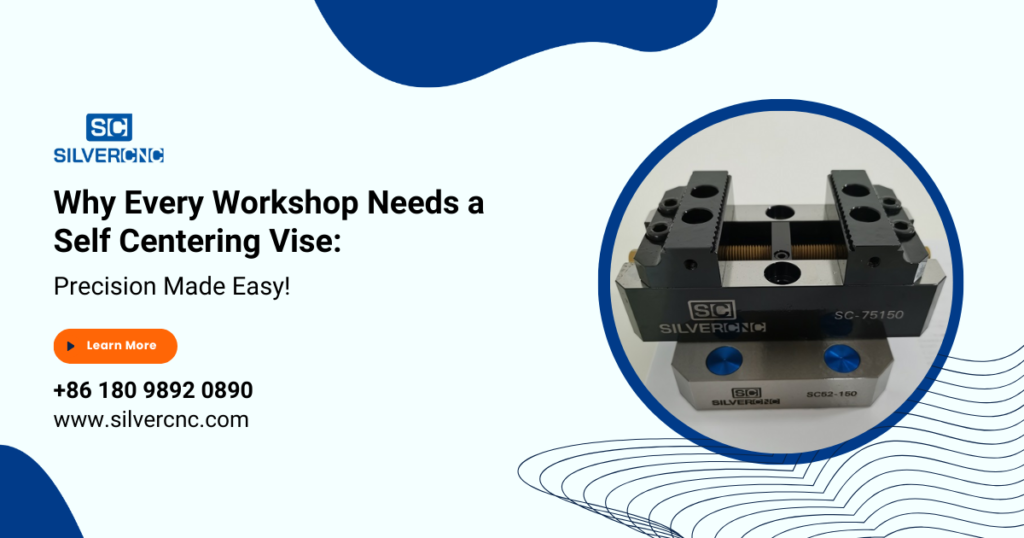
In today’s modern machining and manufacturing world, achieving precision and repeatability is not just desired—it is essential. Whether working on high-performance aerospace components or intricate custom tooling, workshops demand equipment that not only enhances speed but also guarantees accuracy. One indispensable tool that meets these expectations is the self centering vise. At SilverCNC, our mission is to empower machine shops and manufacturing facilities with cutting-edge, reliable, and technologically advanced solutions—and the self centering vise tops the list for performance and practicality.
Over the years, machinists, fabricators, and CNC professionals have continually searched for methods to streamline workholding solutions. Traditional vises and clamping systems, while functional, often require frequent adjustments, operator skill, and can introduce alignment errors. However, with the introduction of the self centering vise, many of these inefficiencies are now a thing of the past.
what exactly is a self centering vise?
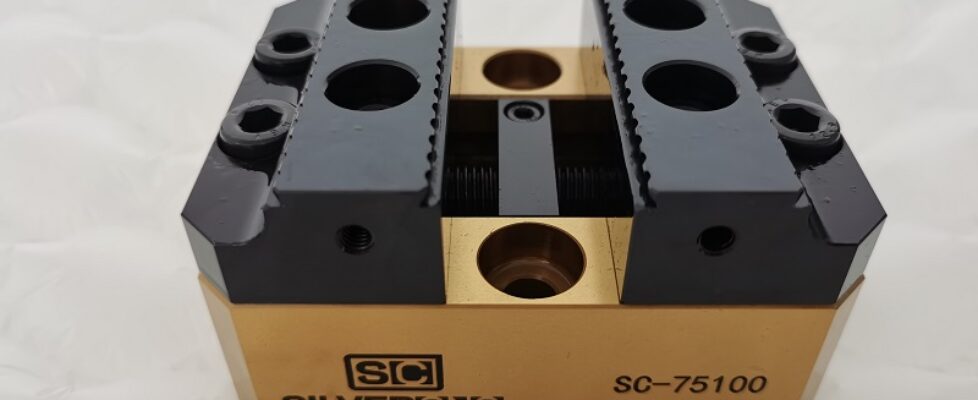
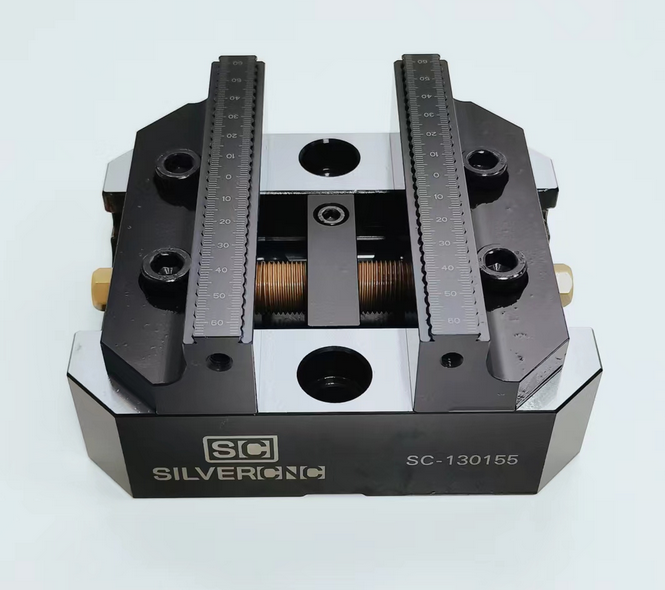
A self centering vise is a specialized workholding device designed to automatically align the workpiece at the center each time it is clamped. Unlike conventional vises that require manual measurement and positioning, a self centering vise uses synchronized jaws that move simultaneously toward or away from the centerline, ensuring consistent and repeatable part placement. This function is especially critical in applications requiring symmetrical machining operations, multiple setups, or precision multi-axis milling.
At SilverCNC, we understand the unique challenges faced by workshops in achieving fast, reliable, and precise setups. Our range of self centering vises offers premium materials, proprietary build quality, and integration flexibility to provide users with an unmatched workholding experience.
The Evolution of Workholding: From Traditional to Self Centering Vises
Workholding tools have always been central to machining operations. However, as CNC machines have increased in complexity, so too have the requirements for fixturing. Traditionally, machinists have used standard fixed-jaw vises or custom fixtures, which often required time-consuming setup and verification.
While these methods can still be effective in some applications, they lack the speed, flexibility, and repeatability demanded in modern machining. This is where self centering vises come into play.
Automatic Centering: Ensures that each workpiece is clamped symmetrically, reducing setup time.
Repeatability: Maintains consistent alignment, ideal for production runs and symmetrical machining.
Efficient Multi-Part Fixturing: Multiple parts can be clamped and machined with uniformity.
Enhanced 5-Axis Accessibility: Offers better access to workpiece sides in 5-axis machining, enabling fewer setups.
Let’s take a deeper look at the practical advantages and how adopting a self centering vise can transform your workshop operations.
Precision Made Easy: Top Benefits of a Self Centering Vise
1. Improved Setup Speed
One of the most significant advantages of a self centering vise is the reduction in setup time. Because the jaws move symmetrically, parts are centered automatically without the need for manual alignment or measuring tools. This eliminates the cumbersome task of using dial indicators or edge finders to locate the workpiece center.
At SilverCNC, our self centering vises are designed with quick-change capabilities, allowing operators to switch between parts or jobs in a matter of seconds. For manufacturers dealing with high-mix, low-volume production, this feature alone can account for major labor and cost savings.
2. High Repeatability and Accuracy
Repeatable accuracy is crucial when precision is non-negotiable. Whether you’re making satellite components or precision medical devices, every micron counts. Self centering vises excel in maintaining consistent positioning, ensuring minimal variation between parts—without the need for constant recalibration.
Thanks to SilverCNC’s precision-ground jaws and hardened steel construction, positional deviation is kept to an absolute minimum—making it easier to uphold tight tolerances.
In 5-axis CNC machining, accessibility to multiple faces of the part is a necessity. Traditional vises obstruct tool paths or require multiple re-clamps, increasing cycle time and the risk of inaccuracies. A self centering vise offers a compact, low-profile design that maximizes tool access and minimizes interference.
This makes complex parts, especially those needing multi-sided operations, much easier and faster to produce—helping you take full advantage of any 5-axis machine investments.
4. Time and Labor Savings
Because a self centering vise automates a portion of the clamping process, less time is spent making adjustments, indicating stock, or correcting position-related errors. The result? Lower labor costs and higher shop throughput.
SilverCNC designs each vise to require minimal operator input, enabling even entry-level machinists to confidently produce accurate parts.
Common Applications of a Self Centering Vise
-Aerospace Manufacturing
Precision is crucial in producing symmetrical aerospace components. A self centering vise ensures consistent alignment, even across high volumes.
-Automotive Industry
From engine blocks to transmission parts, a self centering vise allows for quick swaps and perfect centering—boosting efficiency on production lines.
-Die and Mold Work
Centered workpieces enhance the accuracy of cavity and core machining, especially when using complex 3D tool paths.
-Prototyping and Job Shops
When every minute counts, especially during short runs or one-off jobs, a self centering vise reduces setup time and increases shop agility.
How to Choose the Right Self Centering Vise
When selecting a self centering vise for your workshop, consider these factors:
-Material and Build Quality
SilverCNC’s vises are made from high-grade alloy steel, treated for maximum durability and wear resistance.
-Jaw Width and Clamping Range
Ensure the vise can accommodate the size range of the parts you regularly machine.
-Mounting Compatibility
Check if the vise integrates well with your current machine table or tombstone setup.
-Clamping Force
Different applications require different clamping strengths. Choose a vise appropriate for the material and machining forces involved.
At SilverCNC, our experts work with you to identify the optimal model for your needs—backed by technical support where and when you need it.
Maintenance and Longevity
Proper maintenance significantly extends the life of a self centering vise. Regular inspection, lubrication, and cleaning protect against wear and ensure reliable performance. SilverCNC provides downloadable manuals, training videos, and customer service to help you maintain optimal machine uptime.
Precision has never been more accessible. With demanding markets, shrinking tolerances, and faster turnaround expectations, your shop simply can’t afford inefficiencies. A self centering vise is more than a convenience—it’s a gateway to higher quality, faster setups, and consistent results.
Frequently Asked Questions (FAQs)
1. What makes a self centering vise different from a conventional vise?
A self centering vise features jaws that move simultaneously toward or away from the center point. This guarantees every workpiece is centered without manual measurement, unlike conventional vises that require manual positioning and verification.
2. Is a self centering vise suitable for all CNC machines?
Yes. Self centering vises are compatible with most CNC machines, including 3-axis, 4-axis, and 5-axis systems. Ensure the mounting specs match your machine table for optimal performance.
3. Can it clamp irregular or non-symmetrical parts?
While best suited for symmetrical parts, custom jaws or soft jaw modifications can enable clamping of irregular shapes.
4. How durable is a SilverCNC self centering vise?
Our vises are built with hardened alloy steel and undergo rigorous testing to ensure they meet industrial demand. With proper care, they can last for years under heavy use.
5. Does SilverCNC offer support for installing the vice?
Absolutely. We provide installation guides, video tutorials, and a dedicated support line to ensure your self centering vise is properly set up and performs as expected.
6. Do you offer custom jaw designs or modifications?
Yes, SilverCNC offers custom solutions tailored to your specific workholding needs, including modular jaw designs and custom mounts.
In today’s fast-paced world of precision engineering and advanced manufacturing, getting more out of your CNC machine is not just a competitive advantage—it’s a necessity. Whether you are looking to boost productivity, expand machining capabilities, improve precision, or take on more complex geometries, one upgrade stands out among the rest: the CNC Rotary Table.
At SilverCNC, we specialize in providing smart, scalable, and performance-driven CNC accessories. One of the most transformative additions you can make to a standard CNC setup is integrating a CNC Rotary Table. This powerful device enables 4th-axis machining, opening up a new dimensional space in which to operate, reduce setups, and machine intricate components with greater speed and accuracy.
What is a CNC Rotary Table?
A CNC Rotary Table is a precision device used in CNC machining that allows the workpiece to rotate precisely around a horizontal or vertical axis. This rotation—typically in one additional axis (often referred to as the 4th axis)—enables your machine tool to access multiple sides of a part without the need for manual repositioning or additional setups.
The rotary table is often mounted on the bed of a machining center and connected to the controller, providing synchronized movement with linear axes (X, Y, and Z). This added versatility transforms traditional 3-axis machines into multi-axis powerhouses capable of machining complex contours, cylindrical surfaces, gears, polygonal profiles, and helical cuts with ease.
At SilverCNC, our rotary tables are built with high-torque motors, hardened worm gears, and precision bearings to ensure high repeatability and steadfast reliability—even under the most demanding machining conditions.
How Does a CNC Rotary Table Work?
Technically speaking, the CNC Rotary Table adds rotary motion (A-axis on vertical mills or B-axis on horizontal mills) to your CNC machine. Instead of removing the part between setups to machine another side, the rotary table can automatically rotate the part to allow the cutting tool to access different angles.
When programmed correctly, it can:
Rotate to specified angles for angular or radial cutting
Enable continuous 4-axis contouring
Position the workpiece for precise hole drilling, pockets, and profiles
Facilitate indexing for multi-sided machining operations
This ability to manipulate the workpiece in more than three orientations improves precision, lowers cycle time, and often eliminates the need for custom fixtures.
Types of CNC Rotary Tables
There are several types of CNC Rotary Tables available to suit varying needs:
1. 4th Axis Rotary Table
-Adds a single rotational movement. -Common in vertical milling machines. -Ideal for indexing and complex surface machining.
-Adds a tilting movement as well as rotation. -Allows full 5-axis capabilities for producing complex parts. -Often used in aerospace, medical, and moldmaking industries.
-Vertical rotary tables are mounted vertically on the machine bed. -Horizontal rotary tables lay flat and allow vertical axes to reach the work. -SilverCNC offers all of these types in modular configurations that fit seamlessly into most CNC systems.
Key Benefits of Upgrading with a CNC Rotary Table
Investing in a CNC Rotary Table yields both immediate and long-term gains in operational efficiency and machining capabilities. Here are the key benefits:
Increased Machining Flexibility
Achieve 360-degree workpiece access without fixture changes, allowing for multi-face operations in one cycle.
Reduced Setup Time
Minimize manual repositioning, realignments, and refixturing between machining steps.
Higher Precision and Repeatability
Eliminate human error in repositioning. CNC-coordinated rotation ensures consistent results.
Expanded Geometry Capabilities
Machine curved surfaces, complex contours, gears, splines, and helical operations not possible with 3-axis setups.
Faster Production Cycles
By reducing tool changes and setups, you increase throughput and maximize your spindle time.
Boosted ROI
Quick returns on investment through increased efficiency, reduced scrap, and new job opportunities with complex parts.
-Engine blocks -Transmission components -Brake system parts
Medical Devices
-Prosthetics -Surgical tools -Implants
Tool & Die
-Mold cavities -EDM electrodes -Precision inserts
Utilizing a CNC Rotary Table from SilverCNC allows manufacturers in these fields to reduce part handling, improve cycle times, and meet tighter tolerances.
A key advantage of our SilverCNCRotary Tables is that they’re designed for seamless integration into both modern and legacy CNC systems:
-Compatible with popular CNC brands like FANUC, Siemens, Mitsubishi, HEIDENHAIN, and more. -Available interfaces include RS-232C, Ethernet, USB, and proprietary controller protocols. -Custom adapter plates and brackets are available for various machine models.
Integration typically involves mechanical mounting, encoder calibration, and controller sync, all of which SilverCNC provides support for, whether you’re operating a VMC, HMC, or gantry mill.
How to Choose the Right CNC Rotary Table
When selecting a CNC Rotary Table, consider the following:
-Table Size and Load Capacity
Match to your CNC machine size and workpiece dimensions.
-Rotational Torque Requirements
Ensure the model can handle the angular cutting force necessary for your operations.
-Accuracy and Repeatability
Higher-grade models offer repeatability of ±5 arc seconds or better.
-Control System Compatibility
Verify communication protocols with your CNC controller for full integration.
-Sealing and Durability
Choose sealed tables for coolant exposure and chip resistance in harsh environments.
SilverCNC’s knowledgeable advisors help every customer choose the right rotary table based on machine specs, type of parts, and business goals.
Installation and Integration Tips from SilverCNC
Installing a CNC Rotary Table may sound complex, but with the right planning and support, it’s a smooth process:
-Pre-Check Machine Requirements
Ensure your machine has 4-axis compatibility or an open channel on your controller.
-Secure Mounting
Use provided brackets, torque evenly, and align with machine centerlines.
-Electrical Integration
Follow controller setup manuals or use pre-configured plug-and-play kits from SilverCNC.
-Calibration
Use probes, indicators, and test cycles to zero in your rotary axis with high accuracy.
-Training Your Team
Train operators on multi-axis programming and safe operation of the new device.
Customer Success Stories
“We added a SilverCNC 4th Axis Rotary Table to our 3-axis mill, and within weeks we opened up new business in the aerospace sector. Setup time dropped by 30%, and multi-face operations are now a breeze.” — Joseph Kim, Plant Manager, AeroFast Precision
“The rotary table helped us achieve surface finishes that impressed our automotive client. Now we’re considering their 5-axis combo for more complex mold work. Highly recommend SilverCNC’s service and support.” — Rachel Lin, CNC Programmer, ProMold Machining Co.
Upgrading your CNC machine with a CNC Rotary Table from SilverCNC is one of the smartest moves you can make to enhance productivity, reduce time to market, and expand the scope of your machining capabilities. With precision machining becoming more complex and quality standards rising across industries, your ability to quickly and accurately produce multi-sided, contoured, or indexed parts could be the difference between winning and losing contracts.
From improving machining efficiency to embracing Industry 4.0 capabilities, a CNC Rotary Table is no longer just an add-on—it’s an essential.
Frequently Asked Questions (FAQ)
Q1: Can I use a CNC Rotary Table on a 3-axis machine?
A: Yes. A CNC Rotary Table adds a 4th axis to a standard 3-axis CNC machine, significantly increasing its capabilities for complex parts.
Q2: How hard is it to program a 4th axis operation?
A: Most modern CAM software supports 4-axis programming. With some training, your team can adapt quickly and use the rotary axis effectively.
Q3: What maintenance does a rotary table require?
A: Routine tasks include cleaning, lubrication, checking backlash, and confirming encoder performance. SilverCNC units are sealed for durability and simplified upkeep.
Q4: Will the rotary table affect my existing machine calibration?
A: Not if installed correctly. Precise alignment and post-install calibration ensure integration doesn’t affect existing XY plane operations.
Q5: Is a rotary table worth the investment for small shops?
A: Absolutely. Even small shops can benefit by offering more services, reducing job turnarounds, and competing for higher-value work.
In the world of automotive engineering, performance is everything. Whether you’re a car enthusiast seeking more horsepower, a fleet manager aiming for reliability, or a daily driver looking for better fuel efficiency, the heart of your vehicle’s performance lies within its engine. At WideEngine Industries Co., Ltd., we understand that upgrading your engine is a significant investment. That’s why we’re here to guide you through one of the most effective ways to enhance your vehicle’s capabilities: a Long Block upgrade.
Understanding the Long Block: The Foundation of Engine Performance
It’s essential to understand what a Long Block is and how it differs from other engine assemblies. In simple terms, a Long Block is a fully assembled engine that includes the engine block, crankshaft, camshaft, connecting rods, pistons, cylinder head, and valve train. Unlike a Short Block, which typically consists of just the lower portion of the engine, a Long Block provides a more complete solution, making it an ideal choice for those seeking a comprehensive engine overhaul.
At WideEngine Industries Co., Ltd., our Long Block assemblies are meticulously engineered to meet or exceed OEM specifications. This means you’re not just getting a replacement engine; you’re investing in a product designed for durability, efficiency, and enhanced performance.
Why Consider a Long Block Upgrade?
Now that we’ve defined what a Long Block is, let’s explore why upgrading to a Long Block can be a game-changer for your vehicle. There are several compelling reasons to consider this upgrade:
1. Restored Engine Performance
Over time, engine components wear out, leading to decreased power, poor fuel economy, and increased emissions. A Long Block upgrade replaces all major moving parts, effectively restoring your engine to like-new condition. This means smoother operation, improved acceleration, and a noticeable boost in overall performance.
2. Enhanced Reliability
Reliability is crucial, especially for those who depend on their vehicles for work or long-distance travel. By upgrading to a Long Block, you eliminate the risk of failure from worn-out internal components. At WideEngine Industries Co., Ltd., our Long Blocks undergo rigorous quality control, ensuring you receive a product you can trust.
3. Cost-Effective Solution
While a complete engine replacement can be expensive, a Long Block upgrade offers a cost-effective alternative. Since the Long Block includes all critical components, you avoid the labor and expense of rebuilding your existing engine piece by piece. Additionally, our Long Blocks are designed for easy installation, reducing downtime and labor costs.
4. Performance Upgrades and Customization
For performance enthusiasts, a Long Block upgrade opens the door to customization. Whether you’re looking to increase horsepower, improve torque, or enhance fuel efficiency, our Long Blocks can be tailored to your specific needs. With options for upgraded camshafts, high-performance pistons, and advanced valve trains, the possibilities are endless.
5. Environmental Benefits
Upgrading to a modern Long Block can also have environmental advantages. Newer engine designs are more efficient and produce fewer emissions, helping you reduce your carbon footprint while enjoying better performance.
The Long Block Upgrade Process: What to Expect
At WideEngine Industries Co., Ltd., we strive to make the Long Block upgrade process as seamless as possible. Here’s what you can expect when you choose us for your engine upgrade:
Step 1: Consultation and Assessment
Our team of experts will assess your vehicle’s current condition and discuss your performance goals. We’ll help you select the right Long Block for your make and model, ensuring compatibility and optimal results.
Step 2: Engine Removal and Preparation
Once the appropriate Long Block is selected, our technicians will carefully remove your old engine, taking care to preserve any reusable components. We’ll also inspect related systems, such as the cooling and fuel systems, to ensure everything is in top condition.
Step 3: Long Block Installation
The new Long Block is installed, along with any necessary gaskets, seals, and accessories. Our technicians follow strict installation protocols to guarantee a perfect fit and reliable operation.
Step 4: Testing and Quality Assurance
After installation, we conduct thorough testing to verify performance, check for leaks, and ensure all systems are functioning correctly. Only when we’re satisfied with the results do we return your vehicle to you.
Step 5: Ongoing Support
At WideEngine Industries Co., Ltd., our commitment doesn’t end with installation. We offer ongoing support and maintenance services to keep your engine running at its best.
Key Benefits of a Long Block Upgrade
Let’s delve deeper into the specific benefits you can expect from a Long Block upgrade:
1. Increased Horsepower and Torque
A fresh Long Block restores lost power and can even provide gains over your original engine, especially if you opt for performance upgrades. This translates to quicker acceleration, better towing capacity, and a more responsive driving experience.
2. Improved Fuel Efficiency
Worn engine components can lead to poor fuel combustion and wasted energy. A new Long Block ensures optimal compression and combustion, helping you get more miles per gallon.
3. Reduced Emissions
Modern Long Blocks are designed to meet stricter emissions standards. By upgrading, you not only comply with regulations but also contribute to a cleaner environment.
4. Smoother Operation
A Long Block upgrade eliminates vibrations, knocking, and other issues associated with worn engines. The result is a smoother, quieter ride.
5. Extended Engine Life
By replacing all major internal components, a Long Block upgrade can significantly extend the life of your engine, providing years of reliable service.
Choosing the Right Long Block: Factors to Consider
Selecting the right Long Block is crucial for achieving the desired performance gains. Here are some factors to keep in mind:
1. Compatibility
Ensure the Long Block is compatible with your vehicle’s make, model, and year. At WideEngine Industries Co., Ltd., we offer a wide range of Long Blocks to fit various applications.
2. Performance Goals
Are you looking for a stock replacement or a high-performance upgrade? Our team can help you choose the right configuration based on your needs.
3. Budget
Long Block upgrades are available at different price points. We’ll work with you to find a solution that fits your budget without compromising quality.
4. Warranty and Support
Choose a Long Block from a reputable manufacturer that offers a solid warranty and ongoing support. At WideEngine Industries Co., Ltd., we stand behind our products with industry-leading warranties and customer service.
The WideEngine Industries Co., Ltd. Difference
When it comes to Long Block upgrades, not all manufacturers are created equal. Here’s why WideEngine Industries Co., Ltd. is the preferred choice for discerning customers:
1. Unmatched Quality
Our Long Blocks are built using premium materials and state-of-the-art manufacturing processes. Each unit undergoes rigorous testing to ensure reliability and performance.
2. Expert Support
Our team of experienced technicians is here to guide you every step of the way, from selection to installation and beyond.
3. Customization Options
We offer a range of Long Block configurations to suit different performance needs, including options for high-performance builds.
4. Fast Turnaround
We understand that time is of the essence. Our streamlined processes ensure quick delivery and installation, minimizing downtime.
5. Commitment to Sustainability
We are committed to environmentally responsible manufacturing practices, ensuring our products are as eco-friendly as they are effective.
A Long Block upgrade is one of the most effective ways to restore and enhance your engine’s performance. Whether you’re seeking more power, better fuel efficiency, or improved reliability, WideEngine Industries Co., Ltd. has the expertise and products to help you achieve your goals. With our commitment to quality, customer support, and innovation, you can trust us to deliver results that exceed your expectations.
Frequently Asked Questions (FAQ) About Long Block Upgrades
Q1: What is included in a Long Block assembly?
A Long Block typically includes the engine block, crankshaft, camshaft, connecting rods, pistons, cylinder head, and valve train. Some assemblies may also include timing components and oil pumps, but accessories like intake and exhaust manifolds, fuel systems, and sensors are usually not included.
Q2: How does a Long Block differ from a Short Block?
A Short Block consists of the engine block, crankshaft, connecting rods, and pistons, but does not include the cylinder head or valve train. A Long Block, on the other hand, is a more complete assembly that includes these additional components, making it a more comprehensive solution for engine replacement or upgrades.
Q3: How long does it take to install a Long Block?
Installation time can vary depending on the vehicle and the complexity of the job. On average, a Long Block installation can take anywhere from 8 to 20 hours. At WideEngine Industries Co., Ltd., our experienced technicians work efficiently to minimize downtime.
Q4: Can I upgrade to a performance Long Block?
Absolutely! We offer performance Long Blocks with upgraded components such as high-performance camshafts, forged pistons, and advanced valve trains. These upgrades can significantly boost horsepower and torque.
Q5: Will a Long Block upgrade affect my vehicle’s warranty?
It depends on your vehicle’s manufacturer and the terms of your warranty. However, WideEngine Industries Co., Ltd. offers warranties on our Long Block assemblies, providing peace of mind for your investment.
Q6: Is a Long Block upgrade suitable for all vehicles?
Long Block upgrades are available for a wide range of vehicles, from passenger cars to trucks and commercial vehicles. Our team can help you determine if a Long Block upgrade is right for your specific application.
Q7: How do I maintain my new Long Block?
Regular maintenance is key to ensuring the longevity of your Long Block. This includes routine oil changes, using high-quality filters, and following the manufacturer’s recommended service intervals. Our team can provide detailed maintenance guidelines tailored to your engine.
Q8: What are the signs that I need a Long Block upgrade?
Common signs include loss of power, excessive oil consumption, knocking noises, poor fuel economy, and increased emissions. If you’re experiencing any of these issues, it may be time to consider a Long Block upgrade.
Q9: How do I get started with a Long Block upgrade at WideEngine Industries Co., Ltd.?
Simply contact our team to schedule a consultation. We’ll assess your needs, recommend the right Long Block, and guide you through the entire process.
When it comes to precision machining and metalworking operations, stability and alignment are everything. Whether you’re turning long shafts, boring heavy workpieces, or supporting cylindrical parts during a milling operation, having the right Manual Tailstock can mean the difference between a perfect part and a costly mistake. For machinists, shop managers, and production engineers, investing in a reliable Manual Tailstock isn’t just about equipment — it’s about performance, productivity, and long-term durability.
At SilverCNC, we’ve spent decades engineering and supplying the heavy-duty components that keep CNC and manual machining operations running smoothly. Among those, the Manual Tailstock plays a mission-critical role — especially in operations that require manual flexibility, quick setup times, and robust part support without the automation overhead of CNC-controlled tailstocks.
What Is a Manual Tailstock?
A Manual Tailstock is a mechanical device mounted opposite the headstock of a lathe or rotary table. It is used to support long or heavy workpieces during machining operations such as turning, boring, or facing. Unlike CNC-controlled tailstocks, a manual tailstock is adjusted manually by the operator using a handwheel or lever system.
It usually consists of:
A robust base that slides or bolts onto the machine bed
A spindle/quill that can be extended and retracted
A locking mechanism to secure the spindle
Set up features like height adjustment or alignment keys
Despite modern automations, manual tailstocks remain critical in many setups — particularly in job shops, prototyping environments, and rotary axis configurations where frequent repositioning is necessary.
Why Tailstock Selection Really Matters
Many manufacturers overlook the tailstock as a basic support tool. However, choosing the right one can directly impact:
Machining accuracy
Surface finish quality
Tool life
Part concentricity
Workpiece integrity
Operator safety
A poorly built or misaligned tailstock can introduce deflection or chatter, reducing your tolerances and possibly resulting in part rejection. On the other hand, a robust and properly selected manual tailstock allows for stable, consistent machining over long runs — saving time, money, and material.
Key Features to Look for in a High-Performance Manual Tailstock
A high-performance manual tailstock should offer robust construction, smooth and precise quill movement, and reliable locking mechanisms for stability. Key features include accurate alignment, adjustable positioning, durable materials, and ease of operation, all of which help improve machining accuracy, support workpieces effectively, and ensure consistent results in turning operations.
A. Rigid Construction
The housing must be solid enough to handle pressure from large or rotating parts without flexing. Cast iron or hardened steel housings help absorb vibration and resist wear.
B. Precise Quill Travel
Look for smooth, backlash-free movement with clearly marked graduations. This ensures accurate spindle extension and retraction, especially during repeated setups.
C. Morse Taper Spindles
These allow quick integration with standard centers, drills, or reamers. Tailstocks commonly come with MT2, MT3, or MT4 tapers, depending on the load size.
D. Locking Mechanism
A dependable locking system prevents unintentional movement. Both base locks (for positioning along the machine bed) and spindle locks (for securing the extension) should be easy to use and firm under pressure.
E. Adjustable Height & Alignment
Some applications need tailstocks with vertical or lateral adjustment. This is important for matching the center height of different rotary tables or custom fixtures.
F. Load Capacity
Tailstocks are rated by the maximum load they can support, either statically or during rotation. Align this with your expected workpiece sizes and spindle power.
Materials That Ensure Long-Term Durability
Not all tailstocks are built the same. At SilverCNC, our manual tailstocks are constructed from:
High-grade ductile or gray cast iron for excellent vibration damping
Precision-ground steel components for wear resistance
Hardened quills and taps to handle long-term clamping stress
The combination of these materials results in a product designed to last thousands of continuous cycles — even in demanding shop environments.
Tailstock Compatibility: Machine and Rotary Table Integration
It’s critical to ensure your manual tailstock is correctly matched to the:
Rotary table size and center height
Machine bed type (e.g., T-slot spacing)
Index or gear system (for synchronized motion if needed)
SilverCNC offers customizable tailstocks designed to fit various 4th axis rotary tables and 5th axis rotary tables, with center heights ranging from 100mm to 200mm and beyond. We also provide solutions tailored to Haas, Fanuc, Siemens, and other system formats.
Common Mistakes to Avoid When Shopping for a Manual Tailstock
Ignoring compatibility with your machine’s center height
Underestimating load capacity for heavy or rotating parts
Choosing poor-quality materials that wear fast under pressure
Overlooking alignment options for conventional-to-custom setups
Skipping over travel distance measurements for spindle extension needs
Avoid these mistakes by working with knowledgeable vendors like SilverCNC, who can help you match your specs with the right tailstock model.
Maintenance and Operational Tips
To extend the life of a manual tailstock, follow these tips:
Clean regularly: Remove debris and coolant after each use
Lubricate spindle screw to reduce friction
Check alignment during multi-setup jobs
Inspect quill for wear and replace if necessary
Avoid overtightening locks, which leads to long-term deformation
SilverCNC tailstocks are designed for low-maintenance operation, but proactive care ensures peak performance year after year.
Equip with Confidence — Choose SilverCNC
The manual tailstock may be a simple piece of equipment, but its role in supporting accurate and stable machining cannot be overstated. Whether you’re manufacturing precision aerospace components, turning long shafts for automotive use, or simply need reliable support on your rotary table setup, choosing the right manual tailstock is essential to getting the best results.
By considering build quality, operational features, material durability, and compatibility, you not only protect your machine investment, but you also ensure every job runs smoother, cleaner, and more accurately.
FAQs
Q1: Can a manual tailstock work with both CNC and manual machines?
Yes! Manual tailstocks are highly versatile and can function with CNC rotary tables or traditional lathes as long as the center heights are compatible.
Q2: How do I choose the correct Morse taper size?
Match the taper to your center or tool. MT2 is common for smaller workloads; MT4 is ideal for heavy-duty setups.
Q3: Do manual tailstocks come assembled?
SilverCNC ships most models fully assembled and ready for installation, with instruction manuals included.
Q4: What is the usual lead time?
Standard models ship within 3–5 business days. Custom builds may take 1–3 weeks depending on scope.
Q5: Can I customize the tailstock height?
Absolutely. SilverCNC offers adjustable height bases or custom-built units to your specified dimensions.
In today’s fast-paced urban environments, efficient vehicle access management has become a priority for construction sites, public events, and industrial areas alike. Whether you are directing traffic, preventing unauthorized entry, or ensuring the safety of pedestrians, choosing the right safety equipment plays a central role in achieving seamless traffic flow and reducing on-site risks. One product that has proven to be indispensable in such scenarios is the Orange Yellow Safety Barrier Mesh.
At Qingdao Agrishade Mesh Co., Ltd., we understand that safety and visibility are non-negotiable when it comes to controlling vehicle access. Our Orange Yellow Safety Barrier Mesh offers a highly visible, durable, and cost-effective solution designed to address the demands of various traffic management challenges. From construction zones and road maintenance projects to public events and restricted access areas, this type of mesh serves a critical function.
Why Orange Yellow Safety Barrier Mesh Is a Must-Have for Vehicle Access Management
1. Understanding the Role of Barrier Mesh in Access Management
Controlling vehicle access to certain zones is a safety-critical task. Whether managing the entry and exit of construction vehicles, organizing event parking, or deterring access to hazardous zones, having the right tools and materials is crucial.
Barrier meshes have emerged as a front-line solution in access control—particularly in outdoor environments where temporary measures must combine high visibility, flexibility, and strength.
The Orange Yellow Safety Barrier Mesh, in particular, stands out for its bright color coding, drawing attention quickly and effectively. It serves as a visual and physical warning tool, deterring unauthorized vehicles from entering designated zones.
2. What Is Orange Yellow Safety Barrier Mesh?
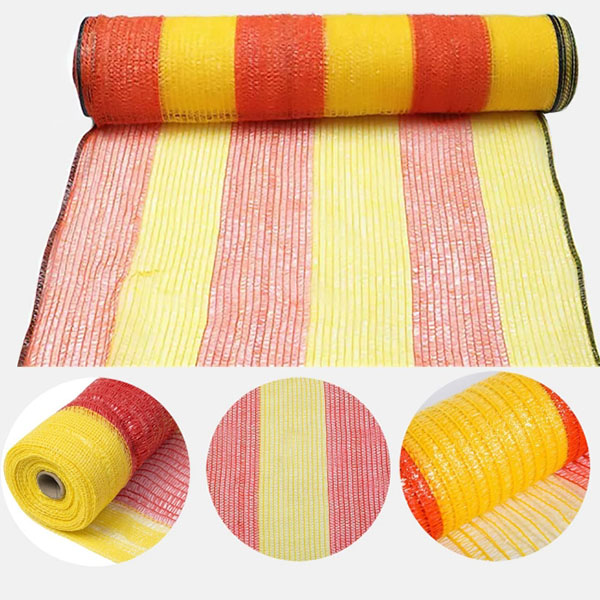
The Orange Yellow Safety Barrier Mesh is a type of high-visibility plastic or polyethylene (PE) netting that is used primarily to cordon off or restrict access to particular areas. The mesh is typically bright orange with yellow accents (or vice versa), making it easy to see from a distance, even in low-light conditions.
At Qingdao Agrishade Mesh Co., Ltd., our barrier meshes are manufactured using UV-stabilized polyethylene, offering excellent resistance to harsh weather conditions, prolonged sun exposure, and mechanical wear.
Key Features:
High-contrast orange and yellow coloring for maximum visibility
Lightweight yet strong for easy installation and durability
Flexible and rollable, suitable for temporary or semi-permanent setups
Weather-resistant and UV-protected construction
Non-conductive and corrosion-resistant
These attributes make it a smart choice for vehicle access control, safety delineation, and crowd management applications in diverse industries.
3. Why Color Matters: The Psychology Behind Orange and Yellow
Both orange and yellow are universal colors of caution. When combined, they create a striking visual that immediately signals “alert” to both pedestrians and vehicle operators.
Orange is widely associated with construction zones, temporary hazards, and warnings. Yellow often signals caution — think of road signs, speed limit warnings, and pedestrian zones.
Together, these colors work synergistically to catch attention and increase response time, reducing the chances of accidental entry into restricted zones.
4. Applications of Orange Yellow Safety Barrier Mesh
5. Benefits of Using Orange Yellow Safety Barrier Mesh for Vehicle Access
Let’s explore some of the standout advantages that make this mesh a must-have for access control:
-Enhanced Visibility
One of the primary reasons for using Orange Yellow Safety Barrier Mesh is its excellent visibility. Drivers approaching a restricted area can instantly recognize the barrier, even from afar.
-Quick and Easy Installation
The lightweight structure of the mesh allows for rapid deployment. It can be mounted to metal or wooden stakes, fences, or scaffolding without the need for heavy-duty tools.
-Cost-Effective Safety Solution
Compared to metal fencing or electronic access barriers, mesh is highly affordable and reusable.
-Minimal Maintenance
Made from UV-stabilized plastic, the mesh resists fading, warping, and degradation due to exposure.
-Flexibility and Portability
Need to clear a work area tomorrow? No problem. The mesh can be rolled up and redeployed in another location with minimal effort.
-Environmentally Friendly
Recyclable materials are used in the production process, aligning with sustainable practices.
At Qingdao Agrishade Mesh Co., Ltd., we have a proven track record of supplying high-quality safety solutions to clients across construction, transport, agriculture, and industrial sectors. Our Orange Yellow Safety Barrier Mesh is crafted with precision and tested rigorously to meet industry standards for strength and durability.
Our Advantages:
Custom sizing and color availability
ISO-certified manufacturing facilities
Competitive pricing and timely shipping
Technical support and product consultation
With decades of experience, we are more than just manufacturers—we are partners in your on-site safety strategy.
7. Installation Tips for Maximum Effectiveness
Proper installation is key to unlocking the full benefits of the mesh. Here are some tips:
Use sturdy stakes or fencing at intervals of 1.5 to 2 meters for a tight and secure fit.
Tension the mesh slightly to prevent sagging and ensure high visibility.
Make sure the mesh is clear of vegetation, vehicles, or debris that may obscure it.
For long-term use, anchor the bottom with sandbags or weights to withstand wind.
Regularly inspect the mesh for wear or damage, especially after storms.
8. Choosing the Right Mesh for Your Needs
Not all barrier meshes are created equal. Depending on your project requirements, you’ll want to consider the following:
Questions to Ask:
What’s the expected duration of use?
Will it be used in high-wind or volatile weather?
How much daily handling or mobility is required?
Is reflective material necessary for nighttime visibility?
Consulting with our team at Qingdao Agrishade Mesh Co., Ltd. can help you make the most informed choice.
Invest in Safety with Orange Yellow Safety Barrier Mesh
In summary, whether you are managing a high-traffic construction site or organizing crowd control at a major event, Orange Yellow Safety Barrier Mesh provides the clarity, durability, and adaptability you need for effective vehicle access management.
Its highly visible color combination, combined with its strength and ease of use, makes it an optimal solution for preventing accidents, maintaining order, and improving efficiency.
Frequently Asked Questions (FAQ)
Q1: Is the Orange Yellow Safety Barrier Mesh reusable?
Yes, our high-quality mesh can be reused multiple times, provided it is stored correctly after use and handled with care during deployment.
Q2: How is it different from construction netting?
Construction netting is often used for debris containment, whereas barrier mesh is used strictly for safety and access control, offering greater visibility and stronger colors.
Q3: Can it withstand strong winds?
Our mesh is designed with wind resistance in mind, but for extremely windy conditions, it should be properly anchored or supported.
Q4: How long does the mesh last outdoors?
Thanks to UV protection and durable plastic construction, our barrier mesh can last 12–24 months in outdoor conditions, depending on the environment.
Q5: Can you supply custom sizes or branding?
Absolutely. At Qingdao Agrishade Mesh Co., Ltd., we offer customized lengths, widths, and can even include brand logos or reflective strips upon request.
In the rapidly evolving world of high-performance computing and gaming, heat is the silent performance killer. As GPUs become more powerful, the demand for advanced cooling solutions has never been higher. With the launch of NVIDIA’s RTX 5090 — the most powerful consumer GPU to date — keeping temperatures under control is crucial not just for peak performance but also for hardware longevity. This is where the RTX 5090 liquid cold plate steps in as a game-changing innovation.
Offering exceptional thermal conductivity and precision-engineered cooling channels, the RTX 5090 liquid cold plate is quickly becoming the go-to solution for gamers, overclockers, data scientists, and workstation professionals who push their graphics cards to the limit.
At Tone Cooling Technology Co., Ltd., we specialize in cutting-edge thermal management solutions, crafting highly efficient liquid cold plates designed specifically for next-gen graphics cards like the RTX 5090. Our R&D and engineering teams have invested heavily in optimizing cold plate technology to meet the extreme thermal loads of today’s GPUs, delivering a solution that ensures stable operation even under the heaviest workloads.
What Is an RTX 5090 Liquid Cold Plate?
An RTX 5090 liquid cold plate is a high-efficiency, metal-based thermal transfer device designed to mount directly onto the cold side of an RTX 5090 GPU. It circulates coolant through an internal network of micro-channels that absorb and dissipate heat away from the core and VRAM components, keeping the temperature within optimal operating ranges.
Unlike air-cooled solutions that rely on heatsinks and fans, liquid cold plates provide direct contact with critical components, resulting in faster heat transfer and significantly lower GPU temperatures.
Why the RTX 5090 Demands Advanced Cooling
The NVIDIA RTX 5090 is a powerhouse built for 4K/8K gaming, AI training, DLSS rendering, and workstation-level compute workloads. However, this performance comes at a cost — extreme thermal loads.
Key specs pushing the thermal limits:
18432 CUDA cores
Clock speeds surpassing 3.0GHz
Ray tracing & tensor cores at full load
TDP (Thermal Design Power) reported at 600+ watts
Without an effective cooling solution like the RTX 5090 liquid cold plate, thermal throttling, noise, and performance instability become critical issues.
How a Liquid Cold Plate Works
A liquid cold plate works using a closed-loop system that includes the cold plate itself, a coolant reservoir, pump, radiators, and tubing.
Here’s the process in motion:
Contact: The cold plate makes direct contact with the GPU’s surface.
Flow-through: Coolant flows through internal micro-channels in the plate, absorbing heat from the GPU.
Heat transfer: The heated coolant travels to a radiator, where it’s cooled by external fans.
Recirculation: The cooled liquid is pumped back to the cold plate, completing the loop.
This mechanism ensures constant, efficient thermal exchange at the most critical heat generation points.
Key Components of a High-Performance RTX 5090 Cold Plate
When choosing or designing an RTX 5090 liquid cold plate, material quality and engineering precision are crucial.
Look for the following features:
-Copper or nickel-plated copper base
Offers excellent thermal conductivity for heat absorption.
-Precision CNC machining
Ensures perfect contact with GPU die and VRAM areas.
-Micro-fin channels
Increases surface area for heat exchange.
-Leak-proof sealing
Using O-rings or soldered enclosures to avoid leaks.
-Modular inlet/outlet configuration
Allows flexibility for custom loop installations.
At Tone Cooling Technology Co., Ltd., we offer advanced manufacturing and fully tested designs for superior heat dissipation and long-term durability.
Industries and Applications Benefiting from Cold Plates
Beyond gaming, cold plates for the RTX 5090 are also critical for:
AI training and ML workloads
3D rendering studios
Video production (8K editing)
Scientific simulations
Data centers and servers
In all these industries, peak GPU performance and reliability are not optional — they’re essential.
✅ Material: Look for copper/nickel build for optimal conductivity ✅ Compatibility: Ensure proper fit with your GPU model (Founders Edition or AIB) ✅ Flow Rate Design: Check coolant path for pressure optimization ✅ Build Quality: CNC machining, leak-proof seals, and port orientation ✅ Supplier Reputation: Partner with proven manufacturers like Tone Cooling Technology Co., Ltd.
Custom Solutions from Tone Cooling Technology Co., Ltd.
We collaborate with system builders, PC brands, and data center designers worldwide to deliver custom liquid cold plate solutions for extreme thermal efficiency.
Proper maintenance ensures optimal thermal performance and long product lifespan.
The RTX 5090 sets a new benchmark in graphics performance — but unlocking its full potential requires more than just raw power. It needs smart thermal management that goes beyond traditional solutions.
A liquid cold plate provides revolutionary cooling efficiency, noise reduction, and thermal stability, allowing users to truly maximize the GPU’s capabilities. Whether you’re gaming in 8K, rendering cinematic CGI, or training AI models, investing in the right cooling system is pivotal.
Frequently Asked Questions (FAQs)
Q1: Is a liquid cold plate worth it for the RTX 5090?
A: Absolutely. The RTX 5090 produces massive heat under load. A liquid cold plate significantly improves performance, stability, and lowers noise levels.
Q2: Does Tone Cooling Technology Co., Ltd. offer custom branding or OEM solutions?
A: Yes! We support full OEM/ODM services, including logo engraving, packaging, and product design for brands and system integrators.
Q3: Can I install the cold plate without experience?
A: While installation is straightforward, we recommend professional setup or guidance for custom loops to avoid leaks and ensure efficient operation.
Q4: What’s the expected lifespan of your cold plates?
A: Our cold plates are designed to last over 5 years with proper coolant maintenance and safe operating conditions.
Q5: Are Tone’s cold plates compatible with various coolants?
A: Yes, our cold plates support standard coolants including glycol-based, distilled water, and dielectric coolants used in high-end loops.