Choosing the Right Manual Tailstock: What to Look for in Performance and Durability!
When it comes to precision machining and metalworking operations, stability and alignment are everything. Whether you’re turning long shafts, boring heavy workpieces, or supporting cylindrical parts during a milling operation, having the right Manual Tailstock can mean the difference between a perfect part and a costly mistake. For machinists, shop managers, and production engineers, investing in a reliable Manual Tailstock isn’t just about equipment — it’s about performance, productivity, and long-term durability.
At SilverCNC, we’ve spent decades engineering and supplying the heavy-duty components that keep CNC and manual machining operations running smoothly. Among those, the Manual Tailstock plays a mission-critical role — especially in operations that require manual flexibility, quick setup times, and robust part support without the automation overhead of CNC-controlled tailstocks.
What Is a Manual Tailstock?
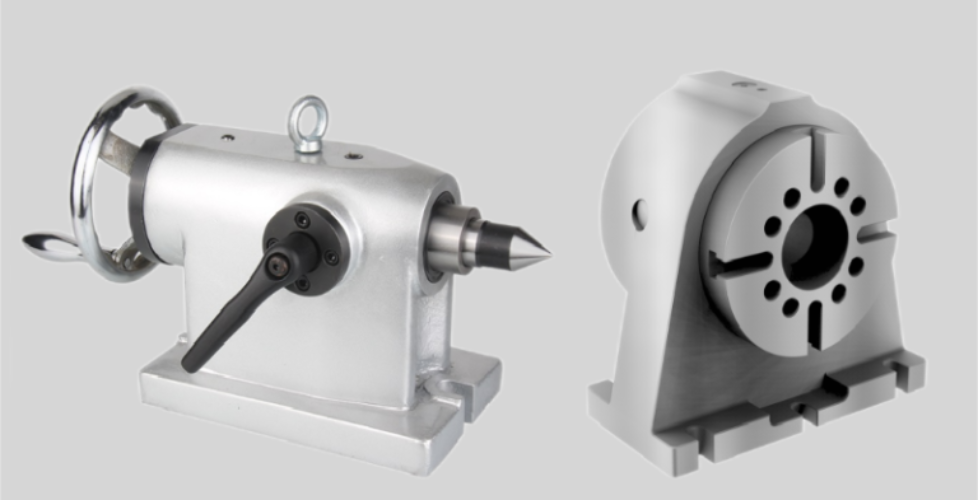
A Manual Tailstock is a mechanical device mounted opposite the headstock of a lathe or rotary table. It is used to support long or heavy workpieces during machining operations such as turning, boring, or facing. Unlike CNC-controlled tailstocks, a manual tailstock is adjusted manually by the operator using a handwheel or lever system.
It usually consists of:
- A robust base that slides or bolts onto the machine bed
- A spindle/quill that can be extended and retracted
- A locking mechanism to secure the spindle
- Set up features like height adjustment or alignment keys
Despite modern automations, manual tailstocks remain critical in many setups — particularly in job shops, prototyping environments, and rotary axis configurations where frequent repositioning is necessary.

Why Tailstock Selection Really Matters
Many manufacturers overlook the tailstock as a basic support tool. However, choosing the right one can directly impact:
- Machining accuracy
- Surface finish quality
- Tool life
- Part concentricity
- Workpiece integrity
- Operator safety
A poorly built or misaligned tailstock can introduce deflection or chatter, reducing your tolerances and possibly resulting in part rejection. On the other hand, a robust and properly selected manual tailstock allows for stable, consistent machining over long runs — saving time, money, and material.
Key Features to Look for in a High-Performance Manual Tailstock
A high-performance manual tailstock should offer robust construction, smooth and precise quill movement, and reliable locking mechanisms for stability. Key features include accurate alignment, adjustable positioning, durable materials, and ease of operation, all of which help improve machining accuracy, support workpieces effectively, and ensure consistent results in turning operations.
A. Rigid Construction
The housing must be solid enough to handle pressure from large or rotating parts without flexing. Cast iron or hardened steel housings help absorb vibration and resist wear.
B. Precise Quill Travel
Look for smooth, backlash-free movement with clearly marked graduations. This ensures accurate spindle extension and retraction, especially during repeated setups.
C. Morse Taper Spindles
These allow quick integration with standard centers, drills, or reamers. Tailstocks commonly come with MT2, MT3, or MT4 tapers, depending on the load size.
D. Locking Mechanism
A dependable locking system prevents unintentional movement. Both base locks (for positioning along the machine bed) and spindle locks (for securing the extension) should be easy to use and firm under pressure.
E. Adjustable Height & Alignment
Some applications need tailstocks with vertical or lateral adjustment. This is important for matching the center height of different rotary tables or custom fixtures.
F. Load Capacity
Tailstocks are rated by the maximum load they can support, either statically or during rotation. Align this with your expected workpiece sizes and spindle power.
Materials That Ensure Long-Term Durability
Not all tailstocks are built the same. At SilverCNC, our manual tailstocks are constructed from:
- High-grade ductile or gray cast iron for excellent vibration damping
- Precision-ground steel components for wear resistance
- Hardened quills and taps to handle long-term clamping stress
The combination of these materials results in a product designed to last thousands of continuous cycles — even in demanding shop environments.
Tailstock Compatibility: Machine and Rotary Table Integration
It’s critical to ensure your manual tailstock is correctly matched to the:
- Rotary table size and center height
- Machine bed type (e.g., T-slot spacing)
- Index or gear system (for synchronized motion if needed)
SilverCNC offers customizable tailstocks designed to fit various 4th axis rotary tables and 5th axis rotary tables, with center heights ranging from 100mm to 200mm and beyond. We also provide solutions tailored to Haas, Fanuc, Siemens, and other system formats.
Common Mistakes to Avoid When Shopping for a Manual Tailstock
- Ignoring compatibility with your machine’s center height
- Underestimating load capacity for heavy or rotating parts
- Choosing poor-quality materials that wear fast under pressure
- Overlooking alignment options for conventional-to-custom setups
- Skipping over travel distance measurements for spindle extension needs
Avoid these mistakes by working with knowledgeable vendors like SilverCNC, who can help you match your specs with the right tailstock model.
Maintenance and Operational Tips
To extend the life of a manual tailstock, follow these tips:
- Clean regularly: Remove debris and coolant after each use
- Lubricate spindle screw to reduce friction
- Check alignment during multi-setup jobs
- Inspect quill for wear and replace if necessary
- Avoid overtightening locks, which leads to long-term deformation
SilverCNC tailstocks are designed for low-maintenance operation, but proactive care ensures peak performance year after year.
Equip with Confidence — Choose SilverCNC

The manual tailstock may be a simple piece of equipment, but its role in supporting accurate and stable machining cannot be overstated. Whether you’re manufacturing precision aerospace components, turning long shafts for automotive use, or simply need reliable support on your rotary table setup, choosing the right manual tailstock is essential to getting the best results.
By considering build quality, operational features, material durability, and compatibility, you not only protect your machine investment, but you also ensure every job runs smoother, cleaner, and more accurately.
FAQs
Q1: Can a manual tailstock work with both CNC and manual machines?
Yes! Manual tailstocks are highly versatile and can function with CNC rotary tables or traditional lathes as long as the center heights are compatible.
Q2: How do I choose the correct Morse taper size?
Match the taper to your center or tool. MT2 is common for smaller workloads; MT4 is ideal for heavy-duty setups.
Q3: Do manual tailstocks come assembled?
SilverCNC ships most models fully assembled and ready for installation, with instruction manuals included.
Q4: What is the usual lead time?
Standard models ship within 3–5 business days. Custom builds may take 1–3 weeks depending on scope.
Q5: Can I customize the tailstock height?
Absolutely. SilverCNC offers adjustable height bases or custom-built units to your specified dimensions.