A Demountable Flood Barrier is a flexible flood protection solution designed to help protect buildings, entrances, garages, commercial facilities, and other vulnerable areas from rising water. Unlike permanent flood defenses, it can be installed when flood protection is required and removed afterward, allowing normal access to be maintained. Its modular construction typically combines durable aluminum panels, vertical posts, sealing components, and secure fixing hardware to create a practical protective system.
One of the key features of a Demountable Flood Barrier is its durable and reusable design. Aluminum components can provide strength, corrosion resistance, and convenient handling, making the system suitable for repeated deployment. Properly engineered sealing structures help minimize water penetration through protected openings when the barrier is correctly installed. The removable panels can also be stored when not in use, helping reduce visual impact and preserving valuable space around the property.
Newflag Technology Co., Ltd. provides professionally designed flood protection solutions for different property and infrastructure requirements. With its modular structure, durable materials, flexible installation, and reusable design, a Demountable Flood Barrier offers a practical approach to improving flood preparedness and protecting vulnerable entrances from potential water intrusion.
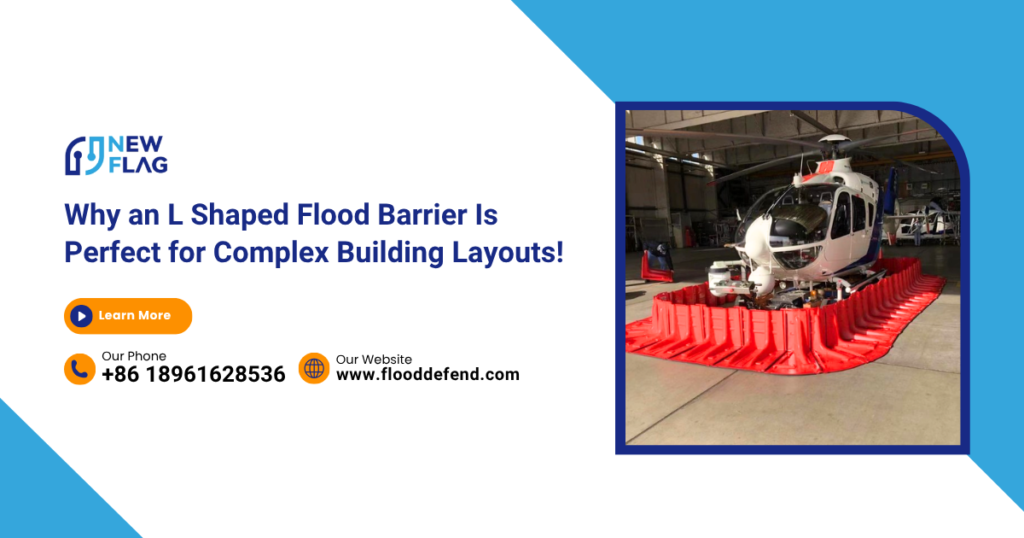
Flooding poses a significant threat to urban and suburban environments, especially as climate change increases the frequency and intensity of storms, rising water levels, and unexpected water surges. Protecting properties from floodwater intrusion requires innovative engineering solutions tailored to the unique challenges presented by diverse landscapes and architectural designs. Among these, the L Shaped Flood Barrier emerges as a highly effective and flexible solution, particularly suited to complex building layouts that traditional straight-line barriers cannot adequately shield.
At Newflag Technology Co., Ltd., we specialize in advanced flood defense technologies designed to safeguard properties globally. Our L Shaped Flood Barrier systems offer customizable configurations that provide superior protection for buildings with multiple angles, irregular footprints, or integrated outdoor spaces. In this detailed guide, we will explore the features, advantages, and applications of the L Shaped Flood Barrier, offering insight into why it is the ideal choice for complex property designs.
Understanding the Challenges of Complex Building Layouts
Modern urban architecture often involves creative use of space, combining multiple wings, outdoor courtyards, irregular elevations, and diverse access points. While these designs enhance aesthetic appeal and functionality, they introduce vulnerabilities in flood protection efforts. Conventional linear flood barriers are effective on straightforward building fronts but may leave gaps, weak points, or exposed corners in irregular layouts.
For example, consider a residential complex with an L-shaped structure encompassing a partially enclosed courtyard, or a commercial facility with intersecting walls forming right angles. Water flowing around such corners can find pathways to seep beneath standard straight flood defenses, undermining protection measures and increasing flood damage risk.
Thus, flood defense for such properties needs to:
Effectively seal corners and angles without gaps.
Adapt to varied perimeter lengths and complex geometries.
Maintain structural integrity and watertightness across joints.
An L Shaped Flood Barrier is a flood defense system specifically designed with an angled configuration to protect corners and right-angled sections of buildings. Unlike traditional straight panels, the L-shaped barrier is engineered to fit snugly around the contours of a building with bends or turns, offering continuous water protection.
Structurally, these barriers comprise two panel segments joined at a rigid 90-degree angle, which can be customized to fit exact building specifications. The connection between panels is designed to be watertight and mechanically robust under floodwater pressure. This configuration closes off corners that typically represent flood defense weak points.
At Newflag Technology Co., Ltd., our L Shaped Flood Barriers are fabricated from corrosion-resistant materials such as aluminum or stainless steel, equipped with advanced sealing gaskets and locking mechanisms, and can be integrated as permanent, removable, or automatic systems depending on client needs.
Key Features and Benefits of L Shaped Flood Barriers
1. Complete Corner Protection
Corners pose significant challenges because water naturally tends to pool and exert extra pressure at junctions in flood barriers. The L Shaped Flood Barrier eliminates these weak points by providing a smooth, continuous edge around corners, preventing water from circumventing the barrier.
2. Customizable for Complex Footprints
Most buildings with complex shapes are unique, requiring tailored solutions. The modular design of the L shaped flood barriers allows for customization in size, angle adjustments, height, and deployment mechanism to fit virtually any layout.
3. Enhanced Structural Stability
The joining mechanism between the two panels forming the L shape is reinforced to resist bending or warping under hydraulic pressure. This rigidity ensures long-lasting performance even in severe flood conditions.
4. Seamless Integration with Existing Lines
The L-shaped units can easily connect with adjacent straight flood barrier panels or gates, forming a fully enclosed flood defense perimeter irrespective of building complexity.
5. Efficient Use of Space
Because these barriers are designed to hug corners tightly, they do not require additional off-set structures or large buffer zones, preserving usable space both inside and outside the building.
6. Versatility in Deployment
Our L Shaped Flood Barriers are available as temporary (removable) or permanent installations, and advanced models include automatic deployment mechanisms triggered by rising water levels, providing hands-free flood defense.
Typical Applications of L Shaped Flood Barriers
Due to their adaptability, L Shaped Flood Barrier find applications across multiple property types and environments:
Residential Developments: Homes featuring L-shaped or U-shaped footprints, multi-wing houses, or those with enclosed patios.
Institutional Facilities: Schools, hospitals, and government buildings with architectural complexity.
Industrial Sites: Factories and plants with segmented buildings and compound corners.
Public Infrastructure: Subways, water treatment plants, and transportation hubs where building corners meet public pathways or streets.
How Do L Shaped Flood Barriers Work?
The operational principle aligns with standard flood barriers but with added corner sealing:
1. Site Assessment and Custom Design
Engineers conduct detailed measurements to determine the precise geometry of the corner needing protection, accounting for dimensions, building materials, and expected flood levels.
2. Fabrication and Manufacturing
Panels are custom-fabricated to match the specific corner angle and required barrier height. Material choice focuses on strength, corrosion resistance, and ease of installation.
3. Installation and Integration
Barriers are installed directly onto prepared thresholds, walls, or recesses. Special sealants and gaskets are applied along joints, especially at the corner junction, to prevent seepage.
4. Activation or Deployment
Depending on barrier type, the system is either fixed permanently or designed for rapid manual installation before floodwaters arrive. Automated versions can deploy barriers based on sensor data.
5. Sealing and Flood Defense
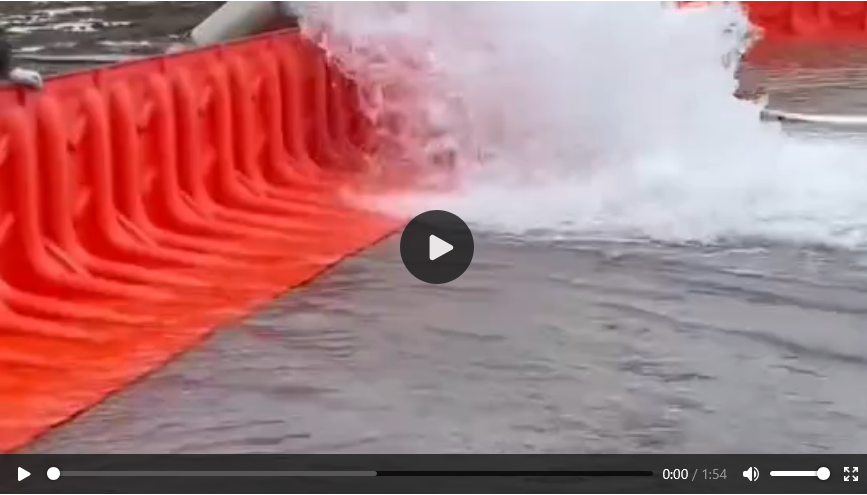
When floodwaters rise, the L Shaped Flood Barrier forms a continuous vertical shield including the corner junction, blocking water ingress effectively.
6. Post-Flood Retraction and Maintenance
Temporary barriers are removed once floodwaters subside. Permanent or automated systems are inspected and maintained to ensure long-term integrity.
Materials and Construction Quality
Durability in harsh flood conditions depends on quality materials and precision manufacturing. Newflag Technology Co., Ltd. produces L-shaped barriers using:
Marine-Grade Aluminum: Lightweight, rust-resistant, and easy to handle.
Stainless Steel: Durable and highly resistant to corrosion and mechanical damage.
Composite Panels: Engineered for lightweight, strength, and water resistance.
Sealing Gaskets: High-performance rubber or silicone seals that maintain watertight joints.
Reinforced Hinges and Locks: For automated or removable units, robust mechanisms ensure operational reliability.
These materials and components ensure the barriers withstand prolonged water exposure, mechanical stresses, UV radiation, and temperature cycles.
Installation Process and Considerations
Successful installation of the L Shaped Flood Barrier demands expert planning and execution:
Accurate Building Survey: High-precision measurements and flood risk assessment enable custom barrier design.
Foundation Preparation: Surfaces must be flush and structurally sound to anchor barriers and achieve leak-proof seals.
Barrier Assembly and Fitting: The L-shaped panels and connecting seals are installed carefully with alignment checks.
Integration with Surrounding Infrastructure: Ensuring smooth connection with adjacent barriers or building elements.
Waterproofing Enhancements: Auxiliary sealants and drainage systems prevent seepage and manage water runoff.
At Newflag Technology Co., Ltd., our engineers partner with you through a collaborative consultation, followed by professional installation teams delivering precision assembly.
Maintenance and Longevity
Routine maintenance maximizes lifespan and performance:
Regular inspections of seals, hinges, and structural components.
Post-flood cleaning to remove debris and prevent corrosion.
Lubrication of mechanical parts on automatic or removable systems.
Immediate repair of any surface damage or wear.
Our maintenance programs include scheduled checkups and rapid response support to keep your L Shaped Flood Barrier flood-ready year-round.
Advantages Over Traditional Flood Barriers
Compared to conventional straight-line or segmented flood barriers, the L Shaped Flood Barrier offers:
Superior corner sealing, virtually eliminating weakest points.
Custom fit for irregular buildings without compromise.
Easier installation in challenging layouts by reducing number of jointed connections.
Improved aesthetics by following the natural building contours.
Flexibility to link with modular flood defenses for comprehensive protection.
The Ideal Solution for Complex Flood Defense Challenges
Flood protection must account for the unique challenges posed by individual building designs. L Shaped Flood Barriers from Newflag Technology Co., Ltd. address these complexities head-on by providing customized, robust, and watertight protection around corners and irregular layouts.
When every angle counts, our team delivers tailored solutions engineered for durability, high performance, and seamless integration. Protect your complex property layout effectively with Newflag’s advanced L Shaped Flood Barriers — designed to keep water out while preserving your building’s design integrity.
Frequently Asked Questions (FAQs)
Q1: What specific layouts benefit most from an L Shaped Flood Barrier?
Buildings with right-angle corners, L or U-shaped designs, multi-wing homes, and complex commercial or institutional property footprints benefit the most.
Q2: Can L Shaped Flood Barriers be automated?
Yes. Newflag offers automated versions with sensors that trigger deployment as floodwaters approach.
Q3: How difficult is installation compared to straight flood barriers?
Installation requires more detailed site surveying and precision but is streamlined with Newflag’s expert engineering and experienced installation teams.
Q4: Are the joint seals between the two panels durable during prolonged flooding?
Yes. Our sealing systems are engineered for durability and long-term watertight performance under sustained water pressure.
Q5: Can L Shaped Flood Barriers be integrated with existing flood defense systems?
Absolutely. They are designed to connect seamlessly with straight panels, gates, and other barrier types.
Q6: What materials are typically used in these barriers?
Marine-grade aluminum and stainless steel are common due to their strength and corrosion resistance, along with high-quality rubber or silicone seals.
Q7: How often should these barriers be maintained?
Routine inspections at least annually and after floods, with minor maintenance as needed to ensure reliability.
The world of modern manufacturing is evolving at an unprecedented pace. From the rise of smart factories and advanced automation to the continuous pursuit of higher efficiency and reliability, manufacturers must choose their equipment components carefully to maintain a competitive edge. In this climate, one unsung hero has emerged as the go-to choice for conveying, drive, and motion systems across hundreds of industries—the Urethane Round Belt.
While often overlooked, the Urethane Round Belt plays a crucial role in power transmission, material handling, and product conveyance. Unlike conventional belt materials such as rubber or PVC, the urethane version stands out for its outstanding combination of durability, flexibility, resistance to abrasion, and chemical stability. Companies like Shanghai Puteken Transmission System Co., Ltd. have invested years of research and engineering expertise to develop and supply Urethane Round Belts that set new standards for performance and reliability.
1. Urethane Round Belt: The Basics and Key Features
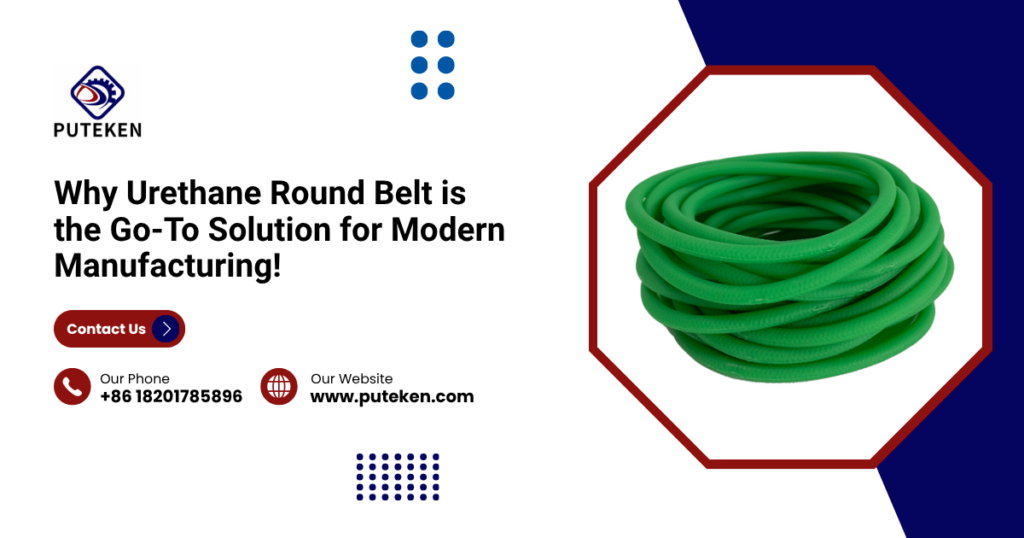
A Urethane Round Belt is a circular cross-section belt made from high-performance polyurethane elastomer (often referred to as urethane). It is commonly used for driving or conveying applications in all types of industrial equipment. The urethane material provides excellent resilience, allowing the belt to stretch, flex, and recover without permanent deformation. Unlike flat or V-belts, round belts are specifically designed for light-to-medium load and precision applications.
Key features of a Urethane Round Belt include:
Superior Abrasion Resistance: Urethane can withstand repeated friction and mechanical wear, resulting in much longer belt life.
High Tensile Strength: Despite being lightweight, these belts can transmit significant power without stretching or snapping.
Chemical and Oil Resistance: Urethane remains stable in the presence of greases, oils, solvents, and many aggressive chemicals—making these belts ideal for harsh industrial environments.
Wide Operational Temperature Range: They maintain flexibility and performance from sub-zero to high-heat conditions (typically -35°C to +80°C, with specialty compounds available for even wider ranges).
Consistent Grip and Flexibility: These belts can easily transmit motion without slipping, even in wet or oily conditions.
Easy to Install, Weld, and Replace: Belts can be cut and fused on-site, minimizing downtime and inventory needs.
2. Performance Advantages Over Conventional Belts
The choice between Urethane Round Belts and other types of belts (rubber, PVC, cotton, etc.) ultimately comes down to performance, lifespan, and cost-effectiveness. Here’s how urethane pulls ahead:
a) Longevity and Durability
Traditional rubber and PVC belts degrade over time, especially in high-friction or chemically active environments. Urethane’s superior abrasion resistance means fewer replacements and less downtime.
b) Chemical and Environmental Resistance
Urethane’s inert chemical nature makes it immune to many substances that would cause swelling, cracking, embrittlement, or stretching in rival materials.
c) Consistent Tension and Power Transmission
TheUrethane Round Belt offers reliable tension retention, minimizing re-tensioning or slippage under load. That means precision for timing, positioning, and consistent throughput.
d) Reduced Maintenance
On-site welding (jointing) allows belts to be installed or replaced rapidly, without dismantling machinery. This is a game-changer for packaging lines, conveyors, and automated handling equipment.
e) Cleanliness and Hygienic Properties
Because urethane belts do not crack or harbor bacteria like porous materials, they meet strict food-grade and pharmaceutical standards.
f) Design Versatility
Available in multiple diameters, lengths, colors, and hardnesses—plus anti-static or reinforced options—Urethane Round Belts are engineered for universal, custom, and niche applications alike.
3. Application Highlights: Where Urethane Round Belts Excel
The unique material properties of the Urethane Round Belt enable its use in a wide range of industries. Typical application areas include:
a) Food Processing and Packaging:
Conveyor systems require belts that won’t contaminate food, resist frequent washing, and maintain grip. Urethane fits all these criteria and is available in food-grade certified compounds.
b) Logistics and Distribution:
Parcel sorters, singulators, and diverters in warehouses operate at high speed and under heavy load. Urethane Round Belts withstand continuous use, resist groove wear, and can be changed with minimal downtime.
c) Electronics Manufacturing:
Electrostatic-sensitive and cleanroom environments benefit from urethane’s dust-free, non-marking, anti-static variants.
d) Textile Machinery:
From winding to spinning, precise and smooth motion is delivered by round belts, reducing product damage and maximizing equipment uptime.
e) Automated Assembly Lines:
Robotics and pick-and-place systems rely on belts for accurate, repeatable movement at a range of speeds without slippage.
f) Printing and Paper Industry:
Mail sorters, binders, copiers, and paper feeders all need high-friction, low-maintenance driving or conveying solutions—another area where Urethane Round Belt shines.
4. Innovations in Urethane Round Belt Design and Manufacturing
The Urethane Round Belt of today is a testament to materials science and continuous innovation. Some game-changing advancements include:
Reinforced Belts: Embedded aramid or polyester cords provide zero-stretch performance for higher-load, higher-speed drives.
Anti-Static and Conductive Belts: Special formulations protect electronic components from static build-up, crucial in electronics and microchip industries.
Precision Extrusion and Tolerance Controls: New manufacturing techniques allow almost perfect roundness, delivering balance and uniform power transmission, even in demanding high-speed applications.
Color and Hardness Customization: Color-coded belts aid in line management and HACCP compliance; hardness (durometer) adjustments further tune the belt for grip, flexibility, or load requirements.
On-Site Weldability: Innovations in urethane chemistry mean joints are almost as strong as the belt itself, ensuring a seamless, reliable connection even after multiple reconnections.
Shanghai Puteken Transmission System Co., Ltd. leads the field with state-of-the-art equipment, an expert engineering team, and rigorous quality standards. Our belts meet or exceed global benchmarks, and innovations developed in partnership with our customers keep us ahead in delivering next-generation solutions.
5. Environmental and Cost Benefits
Switching to Urethane Round Belt technology isn’t just about performance—it can deliver significant ecological and economic benefits:
Longer Belt Life = Less Waste: Durable belts reduce the volume of discarded materials and contribute to company environmental targets.
Minimal Lubrication and Less Frequent Replacement: Less maintenance means fewer consumables (oils, cleaners) and reduced industrial waste.
Lower Energy Use: Urethane belts often require lower drive tension, decreasing strain and energy draw in drive motors.
Inventory and Storage Savings: On-site weldable bulk rolls reduce the need to stock belts in multiple pre-set lengths, minimizing capital tied up in spares.
Material Recyclability: Many urethane belts can be repurposed or recycled at end-of-life, supporting circular economy initiatives.
6. Selection Guide: Tips for Choosing the Right Urethane Round Belt
A successful switch to Urethane Round Belt solutions depends on proper specification. Here’s a practical checklist:
a) Define Application Requirements:
Load Type/Weight: Is power transmission or simple conveying required?
7. Installation, Tensioning, and Maintenance Best Practices
Proper installation and care maximize the life and value of any Urethane Round Belt:
Clean Components: Ensure pulleys and guides are free from debris or oil.
Correct Tension: Follow recommended tension guidelines—avoiding both over- and under-tightening.
Joint Quality: Use appropriate welding tools or connectors; allow sufficient cooling and set time.
Regular Inspection: Look for signs of excessive wear, fraying, chemical swelling, or cracks.
Immediate Replacement of Damaged Belts: Prevent accidents and secondary equipment damage.
Store Properly: Keep belts away from direct sunlight, ozone sources, and extreme temperatures.
Shanghai Puteken can provide step-by-step installation guides, staff training, and troubleshooting support.
8. Meeting Industry Standards and Regulations
Urethane Round Belts from Shanghai Puteken Transmission System Co., Ltd. are available in versions certified for:
FDA and EU Food Compliance: For direct food contact applications.
RoHS and REACH: Ensuring safety and environmental responsibility in electronics and export markets.
ISO and CE: For consistent quality and conformity with international standards.
Anti-Static and Flame-Resistant Approvals: When required for electronics, explosive, or sensitive settings.
Always specify regulatory needs at the start of your belt selection process!
The Future of Urethane Round Belts in Manufacturing
As manufacturing gets smarter, faster, and more demanding, every component in the production chain must perform—especially those as integral as the humble drive and conveyor belt. The Urethane Round Belt is not just a replacement for traditional options; it’s a strategic upgrade that improves efficiency, uptime, cleanliness, and cost-effectiveness.
Frequently Asked Questions (FAQ)
Q1: What is the main difference between a Urethane Round Belt and traditional rubber belts?
A: Urethane Round Belts offer superior abrasion resistance, chemical stability, tension retention, and lifespan. They are easier to install and provide better performance in demanding environments.
Q2: Can Urethane Round Belts be used for both conveying and power transmission?
A: Yes. Depending on the thickness and reinforcement, they suit both transporting goods and light-to-medium power transmission tasks.
Q3: How are Urethane Round Belts joined or installed on-site?
A: They are most commonly welded with a hot-tool, creating a seamless joint nearly as strong as the belt itself. Mechanical connectors are an option for temporary repairs.
Q4: Are food-grade options available?
A: Absolutely. Food- and pharma-grade Urethane Round Belts conform to FDA or EU standards, ensuring safety and hygiene.
Q5: What is the typical lifespan of a Urethane Round Belt?
A: With proper installation and care, these belts can last many times longer than rubber or PVC alternatives—often years in less abrasive environments.
Q6: Do Urethane Round Belts need regular maintenance?
A: Minimal maintenance is required—primarily visual inspection and cleaning. Occasional tension checks are recommended for precision systems.
Q7: Can I get customized belts for specific equipment or applications?
A: Yes! Shanghai Puteken supplies custom diameters, colors, hardness, and reinforcements on request.
Q8: What should I do if a belt fails prematurely?
A: First, check for misalignment, incorrect tension, or abrasive contamination. Our engineering team can assist with diagnosing the root cause and recommend an optimized solution.
Q9: Are anti-static or flame-retardant Urethane Round Belts available?
A: Yes. Specialized formulations meet the needs of electronics, hazardous, or flammable environments.
Q10: How quickly can orders be filled?
A: Shanghai Puteken offers rapid response, with bulk stock and expedited production for standard and custom belts to keep your operation running smoothly.
In today’s rapidly advancing industrial and domestic electrical landscape, safety, efficiency, and reliability are non-negotiable. Whether you’re involved in the installation, maintenance, or operation of electrical systems, the right choice of components can make all the difference. Among these crucial components, the modular contactor stands as a silent guardian, ensuring seamless control and protection within countless applications.
What is a Modular Contactor?
Simply put, a modular contactor is an electrically controlled switch designed for remote switching of electrical circuits, particularly where frequent switching is necessary. Unlike conventional manual switches, modular contactors operate electromagnetically, allowing automated and remote control in complex systems. Their modular design means they fit seamlessly into standard DIN rail-mounted distribution boards, offering adaptability and scalability for different application sizes.
Moreover, modular contactors come in various current ratings and configurations, making them suitable for managing lighting, heating, motor loads, and even emerging new energy solutions such as solar PV and battery systems. The modular contactor’s compact size, versatility, and safety features have accelerated its adoption across industries and homes alike.
Why Modular Contactors Are Essential
Transitioning to more sustainable and smart energy infrastructures requires sophisticated control and protection devices. Modular contactor answer this need, efficiently managing power distribution, load switching, and circuit isolation with minimal manual intervention. This reduces not only the risk of human error but also the operational costs associated with energy management.
Additionally, as demands for energy efficiency and smart automation grow, modular contactors have evolved to support auxiliary functions such as remote monitoring, integration with IoT (Internet of Things) devices, and compatibility with intelligent building management systems. By acting as a customizable interface between high-voltage power and delicate control systems, they ensure that safety remains uncompromised without sacrificing performance.
The Modular Contactor: Inside the Mechanism
The engineering behind a modular contactor demonstrates how modern electrical components can balance simplicity, reliability, and functionality. Each device contains an electromagnet coil, a set of fixed and moving contacts, and an enclosure that provides insulation and protection. When an electrical impulse energizes the coil, a magnetic field pulls the moving contacts into connection with the fixed contacts, completing the circuit and allowing current to flow. Once the impulse ceases, the contacts revert to their original position, breaking the circuit.
Furthermore, modular contactors can be equipped with auxiliary contacts or add-ons for advanced control features such as status indication, timed delay, or overload protection. Their modular nature means you can easily upgrade, expand, or maintain the system without extensive rewiring or downtime.
Applications of Modular Contactors
From powering industrial equipment to orchestrating complex home automation scenarios, modular contactors provide a safe and efficient method for controlling electrical loads. In commercial settings, they are essential for lighting automation, HVAC control, and managing heavy-duty motors or compressors. In residential buildings, they facilitate remotely controlled lighting, heating, and load shedding, especially in line with energy-saving programs.
Notably, the rise of renewable energy and distributed energy resources has further underlined the importance of modular contactors. Solar power installations, battery storage systems, and electric vehicle charging infrastructure all rely on modular contactors for safe isolation, automatic switching, and load management. This integration is pivotal for bridging the gap between legacy electrical infrastructure and modern digital solutions.
Advantages of Modular Contactors in Modern Electrical Installations
The use of a modular contactor brings numerous benefits, including:
Safety: Reliable isolation and quick disconnection reduce fire hazards and prevent electrical accidents.
Efficiency: Enables automated operation and time-based switching for energy savings.
Flexibility: Easily integrates with expansion modules and other DIN-rail devices.
Scalability: Adapts to systems of varying sizes, from single circuits to whole buildings.
Longevity: Durable construction resists wear, even under frequent switching conditions.
Compatibility: Works with smart controls and IoT devices for future-proof installations.
At Wenzhou Typle New Energy Technology Co., Ltd., our modular contactors meet stringent international standards, ensuring dependability and peace of mind for every project.
The Science of Switching: How Modular Contactors Work
A well-designed electrical system isn’t just about providing power; it’s about controlling it so that it’s available when needed, safely distributed, and protected against faults. The modular contactor is the linchpin in this chain of command, serving as both a gatekeeper and an enabler. Let’s explore how a modular contactor operates at the heart of an electrical management system.
Core Components and Operation
1. Coil: The coil is the control input, energized by an external voltage (AC or DC depending on the model). When the coil receives power, it creates a magnetic field, which draws the moving armature towards the fixed contacts.
2. Contacts: These are the primary switching elements. Modular contactors will typically have main contacts (for the load circuit) and may have auxiliary contacts (for signaling or secondary control actions).
3. Enclosure: The housing provides electrical insulation and mechanical protection. The modular form factor allows multiple devices to snap into standard distribution boards.
4. Spring Mechanism: A return spring ensures that when the coil is de-energized, the contacts return to their open (or rest) position, breaking the circuit and ceasing the power flow.
This simple yet effective design allows for control from remote switches, timers, sensors, building management systems, or smart home controllers.
Modular vs. Traditional Contactors
Modular contactors differ fundamentally from their traditional, bulkier counterparts. Traditional contactors are usually tailored for heavy-duty industrial applications, often requiring more space and specific mounting arrangements. In contrast, modular contactors are designed to be compact, fit seamlessly on DIN rails, and integrate with multiple other modular devices such as circuit breakers, relays, and surge protectors.
This modularity not only simplifies installation but enhances safety by ensuring that each component in your control system conforms to uniform specifications and safety standards.
Practical Scenarios: Where Modular Contactors Make a Difference
To fully appreciate the utility of a modular contactor, let’s review some real-world applications across residential, commercial, and industrial installations:
1. Smart Home Automation Imagine a home where lighting, heating, and even the irrigation system are managed automatically according to occupancy, time of day, or energy prices. Modular contactors make this a reality by providing remote control of circuits via smart switches, sensors, or integrated building management systems.
2. Commercial Lighting and HVAC Control In offices, hotels, and shopping centres, lighting loads and HVAC systems are substantial. Modular contactors enable scheduled or sensor-based switching, reducing energy waste and prolonging equipment life. Emergency lighting and ventilators can be safely managed, too, further boosting safety.
3. Industrial Equipment Management Heavy machinery, conveyor belts, and pumps often require frequent on/off cycles. Modular contactors provide reliable operation under high-load conditions and allow for manual or automated emergency shut-off during faults or maintenance.
4. Renewable Energy Integration Solar inverters, battery storage units, and electric vehicle chargers all benefit from the safe and efficient load control enabled by a modular contactor. Switchovers between grid and backup sources, automated load management, and remote isolation become seamless, fueling the shift to green energy.
5. Energy Management Systems Power demand varies throughout the day and across application areas. Modular contactors, paired with energy meters and control software, allow for dynamic load shedding or prioritization, keeping systems online and energy costs down.
Choosing the Right Modular Contactor: What Matters?
When selecting a modular contactor for your project, several key factors should be considered:
Current Rating: Choose a contactor with a current rating suitable for your maximum load.
Number of Poles: Two-, three-, or four-pole configurations are available depending on the application.
Control Voltage: Ensure compatibility with your control circuit (e.g. 230V AC, 24V DC, etc.).
Auxiliary Contacts: These allow for additional functions such as signaling, interlocking, or remote indication.
Certification & Standards: Look for products meeting international safety standards such as CE, CB, or IEC. Wenzhou Typle’s modular contactors conform to rigorous global requirements.
Size and Mounting: The modular contactor should fit within your existing distribution box and be easily mountable on standard DIN rails.
Brand and Warranty: Quality matters. Choosing a reputable manufacturer like Wenzhou Typle New Energy Technology Co., Ltd. ensures long-term reliability and support.
Powering the Future with Confidence
As electrical systems leap forward in complexity and capability, the need for secure, efficient, and flexible control devices like the modular contactor is clearer than ever. No longer just a switch, the modern modular contactor becomes a cornerstone of smart, sustainable, and resilient infrastructure. Whether you’re designing tomorrow’s homes, commercial buildings, or green energy facilities, Wenzhou Typle New Energy Technology Co., Ltd. stands ready to equip you for the challenges and opportunities ahead.
Frequently Asked Questions (FAQ) about Modular Contactors
Q1: What is the main purpose of a modular contactor?
A modular contactor serves as an automated or remotely operated switch, allowing safe and efficient control of electrical loads such as lighting, heating, or motors. It provides system isolation, load management, and the capability to integrate with smart control systems.
Q2: Where are modular contactors commonly used?
Modular contactors are used in residential, commercial, and industrial settings. Applications include home automation, lighting control, HVAC management, renewable energy systems, and industrial equipment control.
Q3: What are the benefits of using a modular contactor over a manual switch?
Modular contactors enable remote and automated control, reduce human error, increase safety, support energy-saving programs, and can easily be integrated with centralized control systems.
Q4: How do I choose the right modular contactor for my needs?
Consider your system’s current and voltage requirements, number of poles, DIN rail compatibility, auxiliary features, and certifications for safety.
Q5: Can modular contactors be used with smart home devices?
Absolutely. Many modular contactors can interface with smart home platforms via relays, IoT controllers, or building management systems.
Q6: What maintenance do modular contactors require?
Routine inspection is recommended, particularly checking for signs of overheating, dust accumulation, or contact wear. However, modular contactors are designed for longevity and frequent operation with minimal service needs.
Q7: Are modular contactors safe?
Yes. When installed and operated according to manufacturer guidelines (like those from Wenzhou Typle), modular contactors provide excellent safety, electrical isolation, and protection against overloads.
Q8: Can modular contactors handle inductive loads like motors?
Yes, as long as the contactor is appropriately rated for the inductive load’s starting and running currents.
Q9: What is the lifespan of a modular contactor?
Quality modular contactors are engineered for tens of thousands to hundreds of thousands of switching cycles, ensuring years of dependable service.
Q10: Why choose Wenzhou Typle New Energy Technology Co., Ltd. for modular contactors?
We deliver leading-edge electrical products backed by innovation, safety, and rigorous testing. Our modular contactors reflect our commitment to quality, future-ready solutions, and customer support.
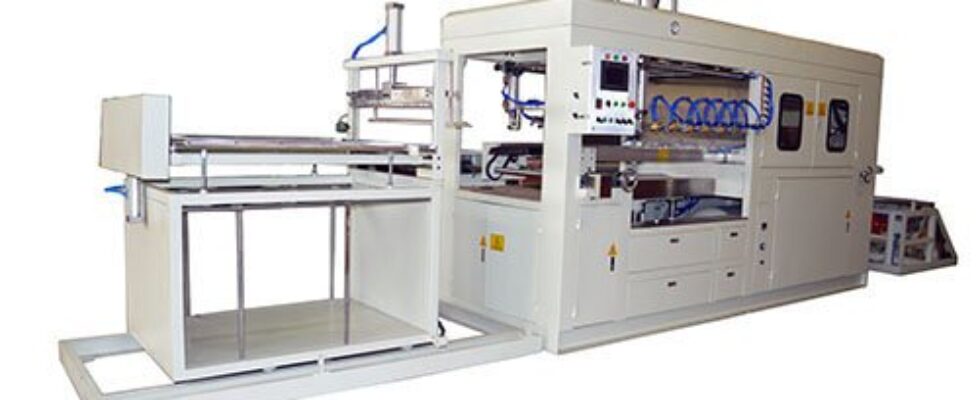
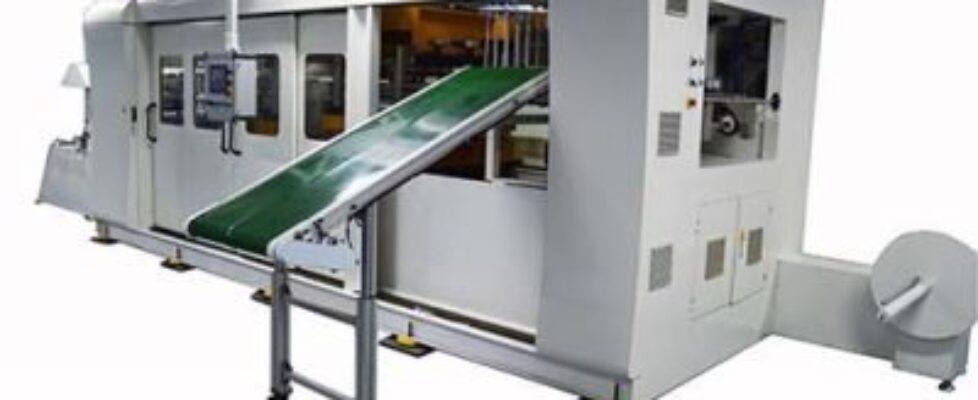
Vacuum forming is a versatile manufacturing process used to create durable, lightweight, and precisely shaped plastic products for a wide range of industries. As demand for efficient and cost-effective plastic manufacturing continues to grow, reliable Vacuum Forming Machine Manufacturers play an important role in delivering advanced equipment for modern production needs.
Shanghai Zhanshi Mechanical Equipment Co., Ltd. provides vacuum forming solutions designed to support diverse industrial applications, including food packaging, medical products, automotive components, electronics, household goods, and industrial trays. Modern vacuum forming machines can deliver consistent forming quality, efficient material utilization, and stable production performance, making them suitable for both customized products and high-volume manufacturing.
Advanced automation and precise temperature control help manufacturers improve production efficiency while maintaining product accuracy. Depending on production requirements, businesses can select equipment with different forming sizes, materials, automation levels, and configurations. With suitable machine technology, manufacturers can reduce production costs, improve productivity, and achieve consistent product quality.
By choosing experienced Vacuum Forming Machine Manufacturers such as Shanghai Zhanshi Mechanical Equipment Co., Ltd., companies can access dependable thermoforming equipment and professional technical support for evolving manufacturing requirements.
Click this link https://tinyurl.com/4c8xr6z5 for additional information about Vacuum Forming Machine Manufacturers.You can also contact us by phone at +86 13916846091 or via email at Daisy@smktek.com
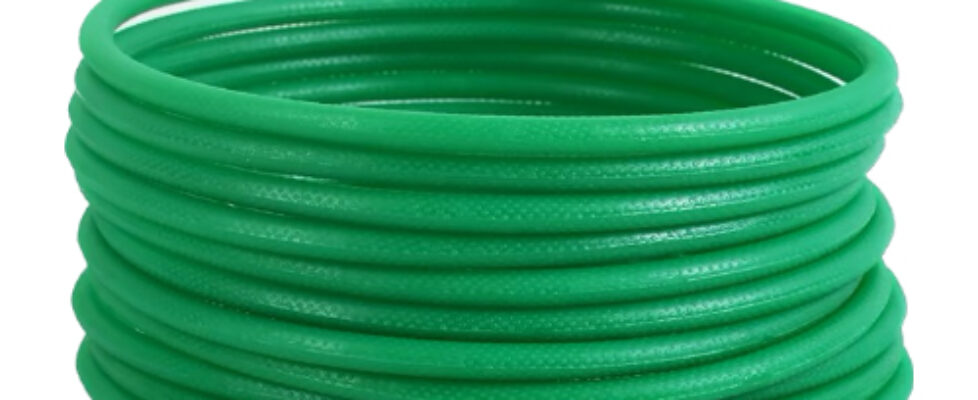
Shanghai Puteken Transmission System Co., Ltd. offers durable Urethane Round Belt solutions for glass processing and tempered furnace conveying applications. Designed for smooth power transmission and material movement, these belts provide flexibility, elasticity, and dependable traction for demanding industrial operations. Their round profile supports efficient belt movement while helping maintain stable contact with pulleys and conveyor components.
The endless construction provides a continuous belt surface without mechanical joints, helping reduce interruptions and supporting smooth, consistent operation. The Urethane Round Belt also offers good abrasion resistance and dimensional stability, making it suitable for applications requiring reliable performance over extended operating periods. Available in different sizes and specifications, Puteken’s urethane belts can be selected according to equipment requirements. With professional manufacturing capabilities and practical transmission solutions, Shanghai Puteken Transmission System Co., Ltd. offers abrasion resistance and dimensional stability, making them suitable for applications that require reliable performance over extended operating periods. Shanghai Puteken Transmission System Co., Ltd. helps glass-processing businesses achieve efficient, stable, and dependable conveying performance.
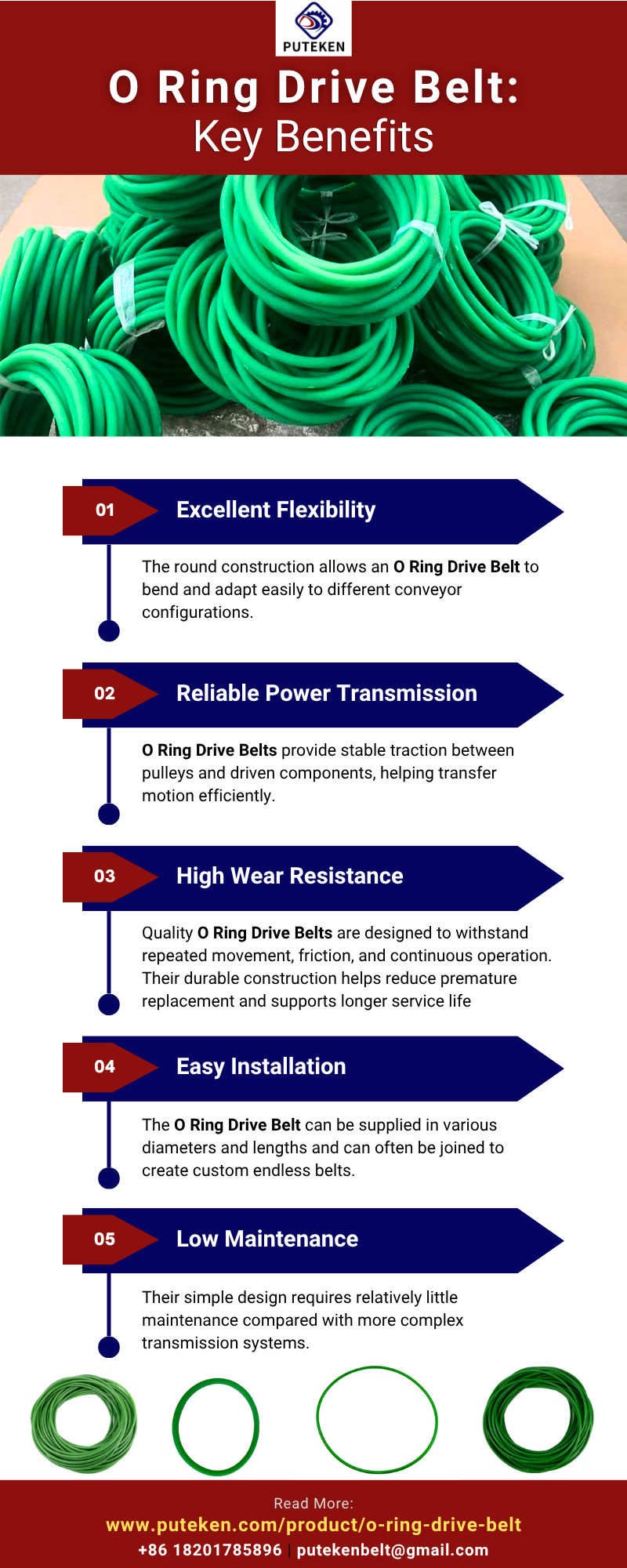
Modern conveyor systems require reliable, flexible, and low-maintenance components to maintain smooth material handling and consistent production. An O Ring Drive Belt is an excellent choice for conveying applications where efficient power transmission, flexibility, and dependable performance are essential. Designed for smooth operation, O ring belts can provide stable movement while reducing vibration and noise during continuous conveying.
One of the key advantages of an O Ring Drive Belt is its flexibility. It can be used with various conveyor configurations and is suitable for applications requiring curves, transfers, and compact layouts. Its durable construction offers good resistance to wear, abrasion, and repeated bending, helping extend service life and reduce replacement frequency. The belt is also easy to install and maintain, which can minimize downtime and improve overall operational efficiency.
O Ring Drive Belts are widely used in logistics, packaging, material handling, food processing, and automated conveyor systems. Their reliable traction and smooth conveying performance make them suitable for transporting products safely and efficiently.
Shanghai Puteken Transmission System Co., Ltd. provides quality O Ring Drive Belt solutions designed for modern industrial conveyor requirements. Explore its product range to find a belt solution that supports reliable and efficient conveying performance.
For more details about the O Ring Drive Belt, visit https://tinyurl.com/mrxr6pj3 or contact Shanghai Puteken Transmission System Co., Ltd. at +86 18201785896. You can also email putekenbelt@gmail.com to learn more about product specifications, applications, and belt solutions for modern conveyor systems.
As manufacturing industries worldwide rapidly evolve, the demand for advanced packaging and forming solutions has never been higher. At the heart of this transformation is the vacuum thermoforming machine, a versatile device pivotal for producing high-quality plastic products efficiently and cost-effectively. Whether you are in the packaging, automotive, electronics, or medical device industry, selecting the right equipment can significantly impact your production capabilities and bottom line.
With technology advancing at a remarkable pace, making an informed choice in 2026 involves far more than considering just price and brand reputation. Today’s vacuum thermoforming machines offer cutting-edge features such as precise temperature control, energy-efficient systems, automated processes, and user-friendly interfaces.
1. Understanding Vacuum Thermoforming Machines
A Vacuum thermoforming machine is a widely adopted process in the plastics industry, enabling manufacturers to shape a variety of thermoplastic materials into a wide range of products such as trays, packaging, automotive parts, and electronic housings. The process involves heating a plastic sheet until it becomes pliable, then using vacuum pressure to form it over a mold.
A vacuum thermoforming machine is designed to automate this process, providing precise control over heat, vacuum pressure, and speed. Modern machines can handle a range of materials, including ABS, PS, PVC, PET, and more, making them suitable for various industries.
2. Why the Right Machine Matters in 2026
As you plan for your company’s future, the machine you choose today must be able not only to meet your current production needs but also to adapt to tomorrow’s challenges. In 2026, the landscape of manufacturing is defined by a rapid pace, customisation, sustainability mandates, and increasing competition.
Selecting the right vacuum thermoforming machine can:
Improve production efficiency, helping you meet high-volume orders quickly.
Enhance product quality, minimising defects and waste.
Enable cost savings through energy-efficient operation and reduced maintenance.
Improve flexibility, allowing you to innovate and adapt to new product demands.
Position your company as an industry leader through state-of-the-art technology.
3. Key Factors to Consider When Choosing a Vacuum Thermoforming Machine
Choosing a new vacuum thermoforming machine involves evaluating multiple factors that will affect your operations and profitability. Let’s review these crucial considerations in detail:
a. Production Capacity & Speed
Output Rate: Understand your current and projected output. Machines range from small-scale units producing hundreds of parts per hour to high-speed models capable of thousands.
Cycle Time: Consider the cycle time per part and how it affects your deadlines.
Operational Uptime: High-quality machines offer long, uninterrupted production runs.
b. Machine Size and Footprint
Space Requirements: Measure your factory floor and review the machine’s dimensions.
Access for Operators & Maintenance: Ensure there’s space for safe operation and routine maintenance.
Modular Design: Some models offer modular components, allowing for easier upgrades.
c. Material Compatibility
Supported Materials: Verify which plastics the machine can process efficiently.
Thickness Range: Some machines can handle thicker materials, expanding your product range.
Material Switching: Evaluate how quickly the machine can switch between different materials.
d. Automation and Digital Integration
Automation Levels: Machines with automated loading/unloading, mold change, and quality inspection increase productivity.
IoT & Smart Features: Modern vacuum thermoforming machines can integrate with smart monitoring systems for predictive maintenance and real-time performance data.
User Interface: Touch-screen controls and programmable settings simplify operation and reduce errors.
e. Energy Efficiency
Power Consumption: Opt for machines designed to minimise energy use.
Energy Recovery Technologies: Some advanced models recycle heat, reducing utility bills.
Sustainability Compliance: Environmentally friendly operation is increasingly important for regulatory and market reasons.
f. Reliability and Maintenance
Build Quality: Robust construction extends machine lifespan and reduces downtime.
Maintenance Access: Features like easy-to-clean surfaces and accessible components are critical.
Spare Parts Availability: Ensure suppliers can quickly deliver parts for routine maintenance or repairs.
Safety Standards: Machines must comply with international safety certifications.
Emergency Stops & Shields: Look for built-in safety mechanisms.
Training Support: Manufacturers like Shanghai Zhanshi provide comprehensive training for safe and efficient machine usage.
h. Customization & Modular Options
Custom Tooling: The ability to design and integrate custom molds is vital for unique product lines.
Modular Upgrades: Choose machines that can be upgraded as your needs grow.
i. After-Sales Support
Technical Support: Timely and knowledgeable support is essential for smooth operations.
Warranty Terms: Review warranty coverage on both parts and labour.
Training: Onsite or remote training offerings provide a seamless transition for your staff.
j. Total Cost of Ownership
Initial Investment vs. Long-term Value: Consider not only purchase price but ongoing operating costs, maintenance, and potential downtime.
ROI Calculation: Evaluate how quickly the machine will pay for itself through faster production and reduced waste.
4. Comparing Industry-Leading Models
While the market is filled with numerous brands and models, each boasting unique features, not all vacuum thermoforming machines are created equal. A side-by-side comparison is essential.
What to Look for in 2026:
Latest technology integration
Ease of programming and operation
Machine robustness and uptime records
Customization potential
Level of automation
Global service network coverage
At Shanghai Zhanshi Mechanical Equipment Co., Ltd., we engineer our machines to meet these advanced requirements, making us a trusted partner for clients worldwide.
5. The Importance of Future-Proofing in Manufacturing Machinery
Investing in a vacuum thermoforming machine today means you must think about your future needs as well. Will your next major client require a different product shape? Will upcoming regulations demand more sustainable production methods?
Future-proofing your purchase means:
Choosing modular, upgradable machines
Ensuring digital integration compatibility with other factory automation systems
Prioritizing brands with strong R&D and upgrade support
Considering machines with open software architecture, ready for updates in the coming years
6. Shanghai Zhanshi Mechanical Equipment Co., Ltd.: Innovation and Quality in Vacuum Thermoforming
Since our founding, Shanghai Zhanshi Mechanical Equipment Co., Ltd. has focused on empowering manufacturers with innovative, reliable, and efficient vacuum thermoforming machines. Our dedication to research and development ensures that every machine reflects the latest advances in automation, precision, and sustainability.
Quality Manufacturing: Durable, corrosion-resistant construction for long-term performance.
Extensive Support Network: Comprehensive pre-sales consultation, training, and after-sales technical service.
Customization: Tailored solutions for all industries and production scales.
With export reach to over 60 countries and a reputation for excellence, Zhanshi stands ready to help your business grow in 2026 and beyond.
Choosing the right vacuum thermoforming machine for your manufacturing needs in 2026 is a decision that should be grounded in careful consideration of technology, production requirements, budget, and growth potential. The right equipment not only improves operational efficiency but also positions your business to take advantage of new opportunities as markets evolve.
FAQ
Here are answers to some of the most common questions from buyers and operators in the industry:
Q1: What distinguishes a vacuum thermoforming machine from other forming technologies?
A: Unlike injection molding or pressure forming, vacuum thermoforming uses a vacuum to pull heated plastic into a mold. This process is generally faster, less expensive for smaller runs, and allows for greater flexibility in design and materials.
Q2: How do I determine the right production capacity for my operation?
A: Evaluate your current and predicted order volumes, product variety, and expected growth. Consider if you’ll need to handle multiple jobs in one shift or launch new products in the near future.
Q3: Can one vacuum thermoforming machine process multiple types of plastic?
A: Yes, most modern machines can handle different plastic types and thicknesses, but it’s essential to confirm material compatibility (such as ABS, PS, PET, PVC, etc.) with the manufacturer.
Q4: What is the average lifespan of a vacuum thermoforming machine?
A: With proper maintenance, high-quality vacuum thermoforming machines can last 10-15 years or longer, making them a sound long-term investment.
Q5: How important is energy efficiency in 2026?
A: Extremely important. Rising energy costs, carbon footprint reduction goals, and compliance with international environmental regulations mean energy-efficient machinery is now a must-have.
Q6: How often is maintenance required?
A: Scheduled routine maintenance (monthly or quarterly) and regular machine inspections are recommended. The actual frequency will depend on usage intensity and environmental conditions.
Q7: What support does Shanghai Zhanshi Mechanical Equipment Co., Ltd. offer after purchase?
A: We provide remote and on-site technical support, spare parts supply, and operator training. Our global service network ensures rapid response wherever your operation is based.
Q8: Can your machines be upgraded in the future?
A: Absolutely. Many of our models are modular, allowing for easy upgrades in controls, heating elements, automation components, and more.
Q9: What safety certifications do Zhanshi machines meet?
A: All our machines comply with CE, ISO, and national safety standards, with comprehensive safety shields and emergency stop features.
Q10: How do I request a demo or quotation?
A: Simply contact our sales team through our website or customer service hotline. We’ll arrange a personalized consultation to assess your needs and recommend the best model.
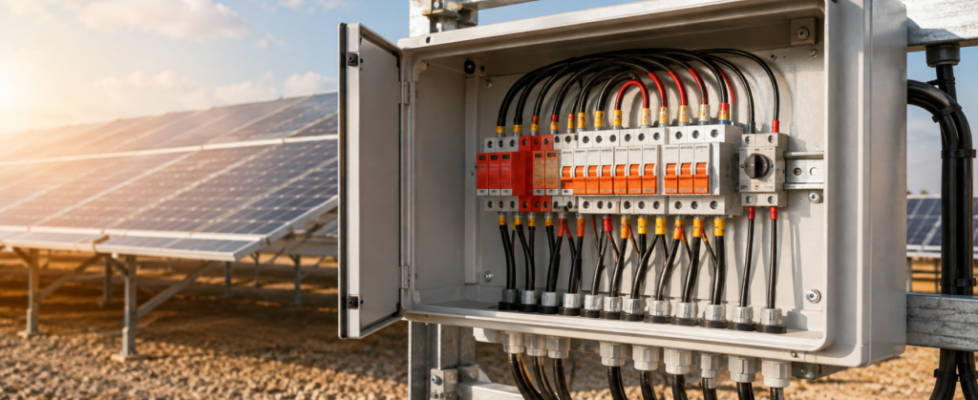
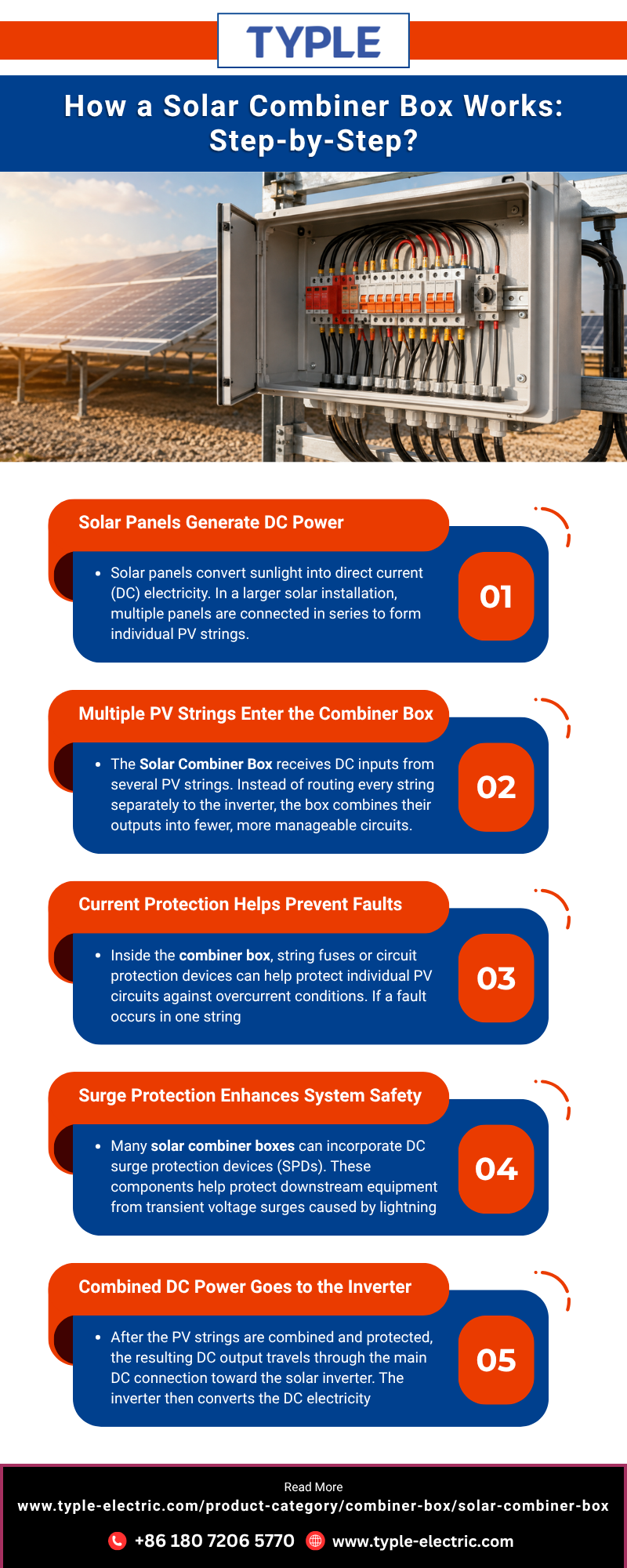
A Solar Combiner Box is an important component in photovoltaic (PV) systems that combines the DC power generated by multiple solar panel strings into a single output circuit. It helps simplify system wiring while providing essential protection for downstream equipment, including the solar inverter.
How Does a Solar Combiner Box Work?
During operation, electricity generated by different PV strings enters the Solar Combiner Box through individual input circuits. Inside the box, these inputs are combined and directed toward the inverter through a main DC output. Depending on the system design, the box may include string fuses, DC circuit breakers, surge protection devices (SPDs), and disconnect switches.
These protective components help reduce risks associated with overcurrent, short circuits, and transient voltage surges. A properly configured combiner box can also make system inspection, isolation, and maintenance more convenient.
Wenzhou Typle New Energy Technology Co., Ltd. provides Solar Combiner Box solutions designed for reliable photovoltaic applications. With organized internal components and appropriate electrical protection, a quality combiner box can contribute to safer operation, easier maintenance, and dependable long-term solar system performance. Choosing the right model according to system voltage, current, number of PV strings, and protection requirements is essential for optimal results.
In a world where the durability, precision, and quality of engineering materials are more crucial than ever, the 1045 Chrome Plated Rod has steadily earned a place as a staple across numerous industries. At Shandong Baokun Metal Material Co. Ltd, we understand that the right choice of raw material directly impacts the performance and lifespan of your machinery and projects. Therefore, it is essential to have a deep understanding of the products available to you. One such product—widely regarded for its optimal combination of strength, machinability, and corrosion resistance—is the 1045 chrome plated rod.
1. Understanding the Basics: What Is 1045 Chrome Plated Rod?
a) What is 1045 Steel?
1045 steel is a medium-carbon steel widely used due to its improved strength, hardenability, and machinability. It contains approximately 0.45% carbon, alongside varying amounts of manganese, phosphorus, and sulfur. This balanced composition grants it versatility across forging, machining, and heat treatment operations.
b) What Does “Chrome Plated” Mean?
A chrome plated rod is a rod that has been coated with a layer of chromium via an electroplating process. This finish not only enhances aesthetic appeal but, more importantly, provides substantial resistance to corrosion, abrasion, and surface wear.
c) What Is a 1045 Chrome Plated Rod?
Simply put, a 1045 chrome plated rod is a bar made from 1045 medium-carbon steel that has been precision ground and chrome plated to a defined thickness. The result is a product that offers both the strength of 1045 steel and the corrosion-resistant, wear-resistant properties of chromium plating.
Key Features at a Glance:
Core Material: 1045 medium-carbon steel
Surface Finish: Hard chrome plating (often to 20–30 microns or more)
2. Technical Specifications and Chemical Composition
To choose the right rod for your needs, understanding the typical specifications is crucial.
a) Physical Properties
Tensile Strength: 600-800 MPa
Yield Strength: 320 MPa minimum
Hardness (core): 170-230 HB
Elongation: Approx. 16%
Surface Hardness (Chrome): 850-1150 HV
b) Standard Dimensions and Tolerances
At Baokun Metal, our 1045 chrome plated rods are available in:
Diameter: 6mm to 300mm (custom sizes on request)
Length: Up to 8 meters (or customer specification)
Chrome Layer Thickness: 20–30µm (microns) standard (can be customized)
Straightness: ≤0.2mm per meter (industry standard)
c) Chrome Plating Specifications
Process: Hard chrome electroplating
Adhesion: Strong, durable bond with steel substrate
Finish: Mirror-like, low coefficient of friction
3. How Is 1045 Chrome Plated Rod Manufactured?
The process of producing a high-quality 1045 chrome plated rod involves several precise steps:
a) Material Selection & Preparation
Raw Material: 1045 carbon steel bars are selected for their balance of strength and machinability.
Rough Machining: Bars are cut and roughly machined to the desired dimensions.
b) Precision Grinding
Bars are precision-ground to achieve tight OD (Outside Diameter) tolerances and exceptional straightness—crucial for hydraulic and pneumatic applications.
c) Cleaning & Surface Preparation
Meticulous surface cleaning removes all contaminants, ensuring optimal chrome adhesion and finish quality.
d) Chrome Plating
High-quality chrome is electroplated onto the surface under controlled conditions to the required thickness (usually 20–30 microns or more).
e) Polishing
The rod is polished to achieve a mirror-like surface and low friction, which is vital for sealing in hydraulic systems.
f) Inspection & Quality Control
Each rod undergoes rigorous non-destructive testing (NDT), surface hardness tests, straightness verification, and chrome thickness checks.
4. Advantages and Benefits of 1045 Chrome Plated Rod
The 1045 chrome plated rod offers multiple compelling advantages:
a) Superior Wear Resistance
The hard chrome layer protects against abrasion, scuffing, and surface wear, dramatically extending service life—even in demanding applications.
b) Outstanding Corrosion Protection
The chrome finish shields the steel core from moisture and chemical attack, reducing rust and pitting. This is essential in outdoor or hydraulic environments.
c) Enhanced Surface Quality
A mirror-finished surface results in less friction, improved sealing, and less wear to mating components like seals and bushings.
d) High Strength Core
1045 steel delivers a robust, yet ductile, core structure able to handle shock loads and mechanical stresses better than lower-carbon steels.
e) Excellent Machinability
While very strong, 1045 steel is still readily machinable—ideal for custom cuts, threading, or end machining.
f) Cost-Effective Performance
Compared to higher alloy steels, 1045 chrome plated rods provide excellent performance at a competitive price point.
g) Versatility
Available in a wide range of diameters, lengths, and finishes, 1045 chrome plated rods are suitable for custom and standard applications alike.
5. Common Uses and Applications
Thanks to their unique properties, 1045 chrome plated rod is indispensable in many sectors:
a) Hydraulic and Pneumatic Cylinders
Perhaps the dominant use, as piston rods:
Excellent surface finish ensures smooth movement and seal longevity.
Chrome plating resists corrosion from hydraulic fluids.
b) Machinery Shafts and Guide Rods
Precision-ground for reduced vibration and increased machinery lifespan.
Common in automated assembly lines, industrial presses, and robotics.
c) Automotive and Truck Parts
Used in shock absorbers, steering components, and lifting mechanisms.
d) Construction Equipment
Found in hydraulic arms, lifters, cranes, jacks, and material handling gear.
e) Agricultural Machinery
Used for cylinders and shafts in harvesters, planters, and tractors requiring strong, corrosion-resistant parts.
f) Marine and Offshore
Chrome plating stands up to saltwater and harsh marine environments—ideal for ship machinery and offshore hydraulic systems.
g) Fitness Equipment
Benches and weightlifting machines benefit from the mirror finish and strength.
6. Selecting the Right 1045 Chrome Plated Rod
Choosing the optimal rod depends on your specific needs:
a) Application Requirements
Load Capacity: Heavier loads may require larger diameters.
Operating Environment: Chemical exposure or outdoor usage may need thicker chrome layers.
Length and Straightness: Critical for hydraulic cylinders and machinery automation.
b) Quality Standards
Ensure rods meet or exceed international quality standards (e.g., ASTM A108, GB/T 699-1999) and your project’s requirements.
c) Customization Options
At Shandong Baokun Metal Material Co. Ltd, we offer:
Custom diameters and lengths
Special chrome thickness
Machined ends, holes, or threads
d) Supplier Support
Partnering with a reliable supplier ensures consistent quality and professional technical support throughout your project lifecycle.
7. Care, Handling, and Maintenance
To maximize the lifespan of your chrome plated rods:
Store Indoors: Protect from moisture and impact.
Handle Carefully: Avoid nicks, scores, or scratches on the chrome surface.
Routine Inspection: Check for corrosion, wear, and straightness issues.
Clean Properly: Use non-abrasive cloths and approved cleaning agents.
8. Why Choose Shandong Baokun Metal Material Co. Ltd?
As an established leader in the steel materials industry, Shandong Baokun Metal Material Co. Ltd offers a comprehensive selection of high-performance 1045 chrome plated rods. Our commitment to quality ensures you benefit from:
Strict adherence to international standards
Advanced manufacturing and inspection processes
Competitive pricing and timely delivery
Expert technical support for your unique applications
Whether you need standard sizes or fully customized solutions, Baokun Metal is your partner for reliability, quality, and value.
1045 chrome plated rods represent a harmonious balance of strength, machinability, cost-effectiveness, and superior surface durability. Their unrivaled versatility and suitability for hydraulic, mechanical, and structural applications have made them a favorite the world over.
Frequently Asked Questions (FAQ)
Q1: How does 1045 chrome plated rod compare to 4140 chrome plated rod?
A1: The main difference is in the core material. 4140 is a chromium-molybdenum alloy steel with higher tensile strength, hardenability, and toughness than 1045. It’s preferred for ultra-high stress applications, while 1045 offers excellent performance and machinability at a lower cost for standard hydraulic and shafting needs.
Q2: What is the typical lead time for 1045 chrome plated rods from Shandong Baokun?
A2: For standard sizes, delivery can often be arranged within 7–15 days. Custom orders may require additional time depending on size and finish specifications.
Q3: Can 1045 chrome plated rods be welded or further machined?
A3: Yes, 1045 can be welded or machined. However, it is essential to remove the chrome plating from weld areas, and post-weld treatments may be required to restore corrosion resistance.
Q4: How thick is the chrome layer on chrome plated rods?
A4: The standard chrome layer thickness is 20–30 microns, though other thicknesses can be produced on request for extreme environments.
Q5: Is there a risk of the chrome layer flaking or peeling?
A5: Not if properly produced. At Shandong Baokun, rigorous surface preparation and state-of-the-art plating processes ensure excellent adhesion, minimizing the risk of flaking or peeling.
Q6: What types of packaging are available?
A6: Rods can be packed in wooden cases, steel frames, or custom packaging per customer requirements to ensure safe transit.
Q7: Can I order a 1045 chrome plated rod with finished thread ends or holes?
A7: Absolutely. We provide custom machining services, including threading, drilling, or grooving to suit your specific application.
Q8: Are there minimum order quantities?
A8: We offer flexibility on order quantities—from small batches for prototyping to large orders for industrial production.
Q9: How do I maintain my 1045 chrome plated rods for maximum service life?
A9: Regularly clean, inspect for surface damage or corrosion, and avoid striking or denting the chrome surface. Replace rods if deep corrosion or pitting is detected.
Q10: Can you provide third-party inspection certificates?
A10: Yes, third-party inspections and material certificates (e.g., EN10204 3.1/3.2) are available upon request.