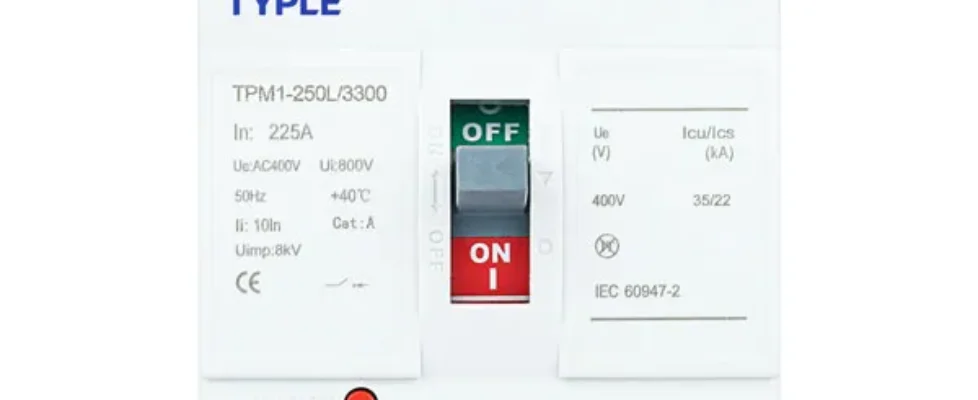
Wenzhou, Zhejiang, China, 27.08.2026 – As the world rapidly embraces clean, sustainable solar energy, the importance of advanced protection devices becomes paramount. Today, Wenzhou Typle New Energy Technology Co., Ltd., a global leader in solar innovation, proudly announces the launch of its latest product: the DC MCB (Direct Current Miniature Circuit Breaker). Designed for next-generation solar installations, this robust solution sets new benchmarks in safety, reliability, and performance.
Chris, spokesperson for Wenzhou Typle New Energy Technology Co., Ltd., states, “With modern solar systems scaling up in both size and complexity, a reliable DC MCB is no longer optional—it is absolutely essential. Our new DC MCB not only meets rising international standards but delivers the kind of peace of mind that end-users, installers, and investors demand.”
The Heart of Safe Solar: Why DC MCB Matters More Than Ever
As solar installations grow, the risk of electrical faults and overcurrents increases dramatically. Conventional protection devices, originally engineered for alternating current (AC), are not designed to handle the relentless and unidirectional flow of DC electricity generated by solar panels. This is where a DC MCB steps in, providing precise, rapid protection that is tailored specifically for solar environments.
Chris explains:
“In a DC system, unlike AC, the electrical current never passes through zero, which means any arc or fault can persist and escalate. Only a true DC MCB—designed with specialized materials, contacts, and arc-extinguishing chambers—can safely and effectively protect both people and equipment. Without such protection, the risk of system damage, fire, and injury is substantial.”
Wenzhou Typle’s New DC MCB: Setting a New Standard
The DC MCB from Wenzhou Typle New Energy Technology Co., Ltd. is more than just a circuit breaker. It is the result of years of R&D, feedback from installers across six continents, and rigorous real-world testing. This product shines in several key areas:
Dedicated DC Protection: Engineered exclusively for DC circuits, supporting up to 1000VDC as demanded by today’s solar projects.
High Breaking Capacity: Fast arc interruption and high short circuit withstand ratings ensure reliable protection even in harsh fault conditions.
Thermal & Magnetic Tripping Mechanisms: Dual tripping methods guarantee both long-term overload and instant fault protection—essential for solar’s variable conditions.
Simple Installation: Compact DIN-rail mounting, clearly marked terminals, and tool-free reset make installation fast and hassle-free.
Rugged Construction: UV-resistant housing, corrosion-proof contacts, and a high IP rating (IP20/IP40) suitable for demanding field conditions.
Global Compliance: Fully certified to meet IEC 60947-2 and regional standards including UL 489B, making the DC MCB suitable for use worldwide.
Solar power systems are fundamentally different from traditional electrical grids. Solar arrays generate DC electricity, which is often stored in batteries or converted to AC using an inverter. Each part of this flow—especially at string level, within combiner boxes, and at inverter or battery connections—requires reliable circuit protection.
A DC MCB serves several key functions:
Fault Isolation: Detects and interrupts overcurrent and short-circuit conditions quickly, before equipment, wiring, or even the solar panels themselves suffer damage.
Fire Prevention: By eliminating sustained faults and interrupting dangerous arcs, the DC MCB plays a critical role in fire safety.
System Segmentation: Allows installers and operators to isolate parts of a system for safe maintenance, expansion, or emergency response. -Code Compliance: Meets national and international electrical codes that require DC overcurrent protection—critical for insurance and permitting.
Technology and Safety at the Forefront
Wenzhou Typle’s DC MCB features state-of-the-art arc suppression technology. Inside each breaker, moving contacts, arc chutes, and powerful magnets work together to split and stretch electrical fires (arcs) before they can cause harm. An insulated, thermally robust enclosure protects users and prevents accidental contact.
Moreover, precise tripping curves have been engineered to accommodate both the start-up surges typical of solar and quick response to genuine fault currents, minimizing unnecessary downtime while ensuring maximum security.
Built for Installers, Favored by Professionals
Solar professionals know that time is money. That’s why every detail of Wenzhou Typle’s DC MCB is optimized for the field:
Large, ergonomic toggle switches for use with gloves
Screwless, vibration-resistant terminals for fast, secure connections
Modular design for easy expansion or quick replacement
Clear status indication for instant visual safety checks
Global Adoption and Sustainability Impact
Chris emphasizes the company’s global mission:
“Our DC MCB is already being welcomed by installers and developers in Europe, Africa, Southeast Asia, and the Americas. As governments and businesses push for higher proportions of renewable energy, trusted protection is what keeps solar advancing safely. At Wenzhou Typle, we believe sustainability and safety can go hand in hand.”
Functioning alongside smart meters, data loggers, and other modern system components, the DC MCB is a foundational element of Wenzhou Typle’s vision for a digital, reliable, and sustainable energy future.
About Wenzhou Typle New Energy Technology Co., Ltd.
Wenzhou Typle New Energy Technology Co., Ltd. specializes in the production of electrical protection, switching, and monitoring devices for the global renewable energy industry. Setting industry standards in solar safety and reliability since its founding, Wenzhou Typle is committed to powering the clean energy revolution—one project at a time.
Media Contact:
Company Name: Wenzhou Typle New Energy Technology Co., Ltd. Contact Name: Chris Contact Phone: +86 180 7206 5770 Address: 5th Floor, No.28 Xinguang Avenue, Xinguang Industrial Zone, Liushi Town, Yueqing, Wenzhou, Zhejiang, China Email: inquiry@typle-electric.com Website: https://www.typle-electric.com/
In today’s rapidly evolving industrial landscape, efficiency is no longer optional—it is essential. As manufacturing plants, logistics hubs, energy facilities, and automation-driven enterprises move deeper into Industry 4.0, the demand for reliable, high-performance computing solutions continues to grow. Among the most impactful technologies leading this transformation is the Industrial Panel PC Touch Screen. In 2026, businesses that prioritize productivity, precision, and durability are increasingly turning to advanced panel PC solutions to stay competitive.
The Evolution of Industrial Computing
Over the past decade, industrial environments have undergone a significant transformation. Traditional control systems, bulky workstations, and fragmented data systems are gradually being replaced by integrated, intelligent platforms. As a result, companies are shifting toward compact, durable, and highly responsive computing systems.
An Industrial Panel PC Touch Screen combines computing hardware and a touch display into a single, ruggedized unit. Unlike consumer-grade PCs, these devices are engineered specifically for harsh environments, including extreme temperatures, high humidity, vibration, and dust exposure. Consequently, they deliver reliable performance even in the most demanding conditions.
Moreover, as automation technologies advance, real-time monitoring and rapid decision-making have become crucial. A high-performance Industrial Panel PC Touch Screen enables operators to visualize data instantly, adjust processes quickly, and reduce downtime significantly.
Why Productivity Matters More Than Ever in 2026
In 2026, global competition is fiercer than ever. Supply chain disruptions, labor shortages, and rising operational costs have forced companies to rethink how they maximize efficiency. Therefore, digital transformation is no longer a strategic option—it is a survival strategy.
A modern Industrial Panel PC Touch Screen enhances productivity in several key ways:
Streamlining human-machine interaction
Reducing manual errors
Enabling real-time analytics
Improving system integration
Supporting predictive maintenance
Furthermore, advanced touchscreen interfaces allow operators to interact with complex systems more intuitively. Instead of relying on outdated buttons or peripheral devices, users can manage entire processes directly from a responsive display.
At ValanoIPC, our solutions are designed with this reality in mind. We prioritize performance, reliability, and seamless integration to ensure that your workforce operates at peak efficiency.
Key Features That Drive High Performance
When evaluating an Industrial Panel PC Touch Screen, performance is determined by more than processing speed. Instead, it is a combination of hardware robustness, display clarity, connectivity, and long-term reliability.
1. Powerful Processing Capabilities
Modern industrial applications require multitasking and real-time data analysis. Whether running SCADA systems, MES software, or AI-powered analytics tools, a high-performance processor ensures smooth operations. As automation systems become more complex, computing power becomes increasingly critical.
2. Ruggedized Design
Unlike office computers, industrial panel PCs must withstand extreme environments. High IP ratings (such as IP65 or IP67), fanless cooling systems, and durable aluminum or stainless-steel housings ensure longevity. Consequently, maintenance costs decrease while uptime increases.
3. Responsive Multi-Touch Displays
An advanced Industrial Panel PC Touch Screen features high-brightness displays and capacitive multi-touch functionality. This ensures usability even with gloves or in wet conditions. In industries such as food processing and pharmaceuticals, this feature is particularly valuable.
4. Flexible Mounting Options
Industrial environments require versatility. Panel mounting, VESA mounting, and wall mounting options allow seamless installation into existing systems.
5. Wide Connectivity Support
From multiple USB ports to Ethernet, serial ports, and wireless capabilities, connectivity ensures compatibility with legacy and modern systems alike.
At ValanoIPC, our Industrial Panel PC Touch Screen solutions integrate these features to provide comprehensive performance tailored to industrial demands.
In manufacturing plants, these devices function as operator interfaces, machine controllers, and production monitoring systems. By delivering real-time performance data, they enable faster adjustments and reduce downtime.
Logistics and Warehousing
Inventory management systems rely on accurate data tracking. Touch screen panel PCs allow workers to monitor shipments, manage stock levels, and optimize workflows efficiently.
Energy and Utilities
Power plants and renewable energy facilities depend on reliable monitoring systems. An Industrial Panel PC Touch Screen ensures uninterrupted access to control systems, even in harsh outdoor environments.
Healthcare and Pharmaceuticals
Strict hygiene standards demand easy-to-clean, sealed devices. Stainless steel Industrial Panel PC Touch Screen models are ideal for sterile environments.
Transportation
From railway control rooms to fleet management systems, rugged panel PCs enhance operational safety and efficiency.
Enhancing Human-Machine Interaction
One of the most significant productivity advantages of an Industrial Panel PC Touch Screen lies in improved human-machine interaction (HMI). Traditional control panels often required complex training and manual input. However, modern touch-based interfaces simplify operations dramatically.
For example, operators can now:
Visualize performance metrics instantly
Adjust system parameters with a tap
Access diagnostics in real time
Generate automated reports
As a result, decision-making becomes faster and more accurate. In 2026, this capability is not merely convenient—it is transformative.
Reducing Downtime Through Reliability
Downtime is one of the costliest challenges in industrial environments. Equipment failure can disrupt production schedules and impact revenue. Therefore, reliability is paramount.
A high-quality Industrial Panel PC Touch Screen features fanless cooling systems, solid-state drives, and industrial-grade components. These design elements minimize mechanical failure points and extend lifespan.
Furthermore, ValanoIPC integrates rigorous quality control testing into every product. By ensuring durability from the outset, we help businesses maintain continuous operations and reduce unexpected maintenance costs.
Supporting Industry 4.0 and Smart Factories
The concept of the smart factory is no longer futuristic—it is reality. Industry 4.0 relies on interconnected systems, IoT devices, and cloud-based analytics. In this context, the Industrial Panel PC Touch Screen acts as a central control hub.
Through seamless connectivity, panel PCs collect and process data from sensors, robotics, and machinery. Consequently, managers gain actionable insights that drive efficiency improvements.
Moreover, predictive maintenance algorithms can run directly on high-performance panel PCs, identifying potential issues before they escalate. This proactive approach significantly boosts productivity.
Energy Efficiency and Sustainability
Sustainability has become a core business priority in 2026. Energy-efficient hardware not only reduces environmental impact but also lowers operating costs.
Fanless Industrial Panel PC Touch Screen systems consume less power and generate minimal heat. Additionally, durable designs extend product lifecycles, reducing electronic waste.
ValanoIPC is committed to developing solutions that align with global sustainability goals while maintaining superior performance standards.
Choosing the Right Industrial Panel PC Touch Screen
Selecting the ideal solution requires careful evaluation. Consider the following factors:
Environmental conditions
Processing requirements
Screen size and resolution
Mounting preferences
Connectivity needs
Compliance certifications
By partnering with ValanoIPC, businesses receive expert guidance tailored to their operational requirements.
Future Trends in 2026 and Beyond
Looking ahead, Industrial Panel PC Touch Screen technology will continue to evolve. AI integration, edge computing capabilities, and enhanced cybersecurity features are becoming standard.
Additionally, advancements in display technology will improve brightness, durability, and responsiveness. As industrial ecosystems grow more connected, panel PCs will play an even more central role in digital transformation strategies.
As industries continue to embrace automation and digital transformation in 2026, the importance of robust computing infrastructure cannot be overstated. A high-performance Industrial Panel PC Touch Screen serves as a powerful tool for enhancing productivity, improving reliability, and enabling smarter decision-making.
Frequently Asked Questions (FAQ)
1. What is an Industrial Panel PC Touch Screen?
An Industrial Panel PC Touch Screen is a ruggedized computing device that integrates a touch display and industrial-grade computer into a single unit. It is designed to operate reliably in harsh environments.
2. How is an Industrial Panel PC Touch Screen different from a regular PC?
Unlike consumer PCs, industrial panel PCs are built with durable materials, fanless cooling systems, wide temperature tolerance, and enhanced protection against dust and moisture.
3. Which industries benefit most from Industrial Panel PC Touch Screen solutions?
Industries such as manufacturing, logistics, energy, transportation, pharmaceuticals, and food processing benefit significantly from these systems.
4. Are Industrial Panel PC Touch Screen systems suitable for outdoor use?
Yes, many models feature high-brightness displays and weather-resistant enclosures suitable for outdoor applications.
5. How does an Industrial Panel PC Touch Screen improve productivity?
It enhances productivity by providing real-time data access, intuitive interfaces, reduced downtime, seamless integration, and reliable performance.
6. What screen sizes are available?
Industrial Panel PC Touch Screen models typically range from 7 inches to over 21 inches, depending on application requirements.
7. Can these systems integrate with legacy equipment?
Yes, most industrial panel PCs support multiple connectivity options, including serial ports and Ethernet, enabling integration with older systems.
8. What maintenance is required?
Thanks to fanless and solid-state designs, maintenance requirements are minimal. Regular cleaning and system updates are generally sufficient.
9. Why choose ValanoIPC?
ValanoIPC combines advanced engineering, strict quality control, and customer-focused customization to deliver reliable, high-performance Industrial Panel PC Touch Screen solutions tailored to modern industrial demands.
Every successful electrical installation relies on a solid foundation of safety, organization, and planning. Yet, one of the most essential—and sometimes overlooked—components in any wiring system is the Electrical Junction Box. Whether you’re managing a complex industrial facility, building a new home, or upgrading a commercial property, choosing the right Electrical Junction Box is not just a matter of compliance—it’s a strategic decision that ensures reliability, safety, and longevity for your entire electrical infrastructure.
With the market offering more options than ever before, selecting the ideal junction box can feel daunting. Different applications come with specific requirements, from material type and size to ratings, configuration, and specialized features like weather resistance or built-in cable management. Making the wrong choice can lead to future headaches: from failed inspections and system malfunctions to costly modifications or potential fire hazards.
1. What is an Electrical Junction Box?
An Electrical Junction Box is a protective enclosure designed to house electrical connections. Its primary function is to join two or more wires together, securely organizing and protecting electrical terminations from outside damage, dust, moisture, and accidental contact. While the concept may sound simple, the junction box is absolutely critical to wiring safety, system reliability, and ongoing maintenance.
Inside a typical box, you’ll find wire nuts, terminal blocks, or spliced conductors. The box is often mounted to a wall, ceiling, or embedded within a surface, keeping connections contained and shielded. Junction boxes also provide a convenient access point for future changes or troubleshooting.
At Wenzhou Typle New Energy Technology Co., Ltd., our Electrical Junction Boxes are engineered with high-quality materials, robust construction, and a range of sizes to accommodate every conceivable application. No matter the voltage, environment, or integration challenge, a purpose-built junction box is your first defense against short circuits, electrical fires, and costly downtime.
2. Why the Right Electrical Junction Box Matters
Selecting the appropriate Electrical Junction Box is more than an exercise in compliance. A box that’s too small, incorrectly rated, or made of the wrong material can hinder installation, reduce reliability, or even create dangerous hazards. The right junction box ensures:
Electrical Safety: By shielding live conductors and minimizing the risk of accidental contact or arcing
System Durability: With long-lasting protection against corrosion, physical damage, and ingress of moisture or dust
Code Compliance: Meeting or exceeding standards keeps you clear of inspection failures and legal liability
Easy Maintenance: Simplifies troubleshooting, upgrades, and repairs by allowing access and reconfiguration of connections
Project Versatility: Accommodates a range of wiring methods, connectors, and cable types for different installations
With so much riding on this one component, trusting a reputable manufacturer like Wenzhou Typle New Energy Technology Co., Ltd. is the easiest way to safeguard your installation and reputation.
3. Types of Electrical Junction Boxes
Electrical Junction Boxes come in a broad spectrum of forms to match the requirements of varied installations. The most common types include:
a. Standard Rectangular Boxes:
Best for simple wire splicing in home or office environments.
b. Square and Deep Boxes:
Ideal for complex circuits requiring multiple wire connections or larger devices.
c. Round/Ceiling Boxes:
Designed for mounting light fixtures or ceiling fans, with additional support for weight.
d. Waterproof/Weatherproof Boxes:
Outfitted with gaskets and seals, these are made to handle outdoor conditions, rain, and humidity.
e. Metallic vs Non-Metallic Boxes:
Metal boxes (steel, aluminum) offer superior physical protection and grounding, ideal for industrial settings. Non-metallic (PVC, polycarbonate) boxes provide corrosion resistance for damp or chemically aggressive environments.
f. Hazardous Location Boxes:
Specially certified enclosures for areas with explosion risks or high temperatures.
h. Custom and Modular Junction Boxes:
Assembled for unique requirements, such as in solar PV systems, heavy equipment, or process control panels.
At Wenzhou Typle New Energy Technology Co., Ltd., our team can guide you to the best type for your job, ensuring every need is met from stock or custom solution.
4. Key Considerations: Material, Size, and Configuration
A. Material:
The material of the Electrical Junction Box determines its strength, chemical resistance, grounding capability, and weight:
Metallic: Offers robust physical protection, good heat dissipation, and can serve as a grounding path.
Plastic (PVC/Polycarbonate): Lightweight, corrosion-resistant, non-conductive, and ideal for damp or chemical-prone areas.
B. Size:
Box size affects not only code compliance (box fill calculations) but also ease of installation. Always choose a box large enough for both present and anticipated wiring needs. Overcrowding causes overheating and may violate local codes.
C. Configuration:
Look at the number and positions of entry points (knockouts), mounting tabs, internal supports, and whether terminal strips or grounding bars are pre-installed.
Ask the following before purchasing:
How many wires or cables need to enter?
Are there devices (switches, sockets) to be mounted inside?
Will the box be exposed, recessed, or embedded?
Expert consultation with Wenzhou Typle ensures your chosen Electrical Junction Box fits your plans perfectly, minimizing surprises down the road.
5. Environmental Protection and Rating Standards
Electrical Junction Boxes must withstand their environment without compromising safety or function. Protection is measured using the IP (Ingress Protection) or NEMA (National Electrical Manufacturers Association) rating systems:
IP65/IP66/IP67: Indicates protection against dust and resistance to water jets or immersion—crucial for outdoor or washdown settings.
NEMA 3, 4, 4X: Rates enclosures for outdoor use and, in the case of X, for corrosive atmospheres.
For installations near saltwater, heavy industry, or in hazardous locations, it is essential to choose junction boxes with proper certifications (such as UL, CE, or ATEX for hazardous locations). All Wenzhou Typle boxes are thoroughly tested to meet or exceed these standards, ensuring regulatory compliance and peace of mind.
6. Installation Environments: Indoor vs Outdoor
The expected environment dictates the type of Electrical Junction Box required:
Indoor: Focus on size, accessibility, and integration with wall/ceiling structure.
Outdoor: Prioritize weatherproofing (gasketed lids, corrosion resistance, UV stabilization), lockable covers, and secure mounting hardware. The box should withstand temperature swings, rain, snow, and direct sun exposure.
Specialized Environments:
Industrial sites may need boxes built for vibration, chemical fumes, or dust. Installations in potentially explosive atmospheres demand spark-proof, certified enclosures.
Whenever in doubt, consult Wenzhou Typle’s product experts; a small investment in the right box saves major costs and complications later.
7. Safety Features and Code Compliance
A properly selected and installed Electrical Junction Box ensures the highest level of safety for users and technicians:
Fire Resistance: The enclosure should contain sparks or arcing and be made of flame-retardant material.
Proper Grounding: Metallic boxes must be bonded to ground; non-metallic enclosures require separate ground bars.
Secure Covers: Tight-fitting, lockable covers prevent accidental access to live parts.
Code Compliance:
Boxes must meet relevant local, national, and international electrical codes (such as NEC, IEC, or local equivalents). Features such as wire clamps, adequate fill space, and labeling are all part of compliant designs.
Wenzhou Typle’s Electrical Junction Boxes meet or exceed all major safety codes, and our team can assist with documentation and certification as part of your project.
Some projects demand junction boxes with very specific features or certifications:
-Solar/PV Systems:
Here, boxes need to be UV-resistant, weatherproof, and tailored for high-voltage DC wiring.
-Hazardous Locations:
ATEX/IECEx-rated boxes are needed for sites with explosive gases, dust, or vapors.
-Wet/Marine Applications:
Use corrosion-proof materials (ABS, polycarbonate, stainless steel) with gasketed seals.
Wenzhou Typle New Energy Technology Co., Ltd. excels in offering specialized solutions for demanding applications—if your project presents unique challenges, we are ready to deliver custom-engineered boxes to match.
9. Common Mistakes to Avoid
Don’t fall into these typical traps when choosing an Electrical Junction Box:
Undersizing: Underestimating box fill leads to cramped wires, overheating, and code violations.
Wrong Material: Using metallic boxes in corrosive environments or plastics in high-impact areas.
Ignoring Ratings: Failing to heed IP/NEMA ratings for outdoor or harsh settings.
Neglecting Future Needs: Not allowing space for future wiring expansions.
Improper Grounding: Skipping bonding in metallic enclosures, risking shock hazards.
Proper consultation prevents these issues. At Wenzhou Typle, support and guidance are part of every purchase.
10. How to Specify and Source Your Electrical Junction Box
When specifying an Electrical Junction Box, include all relevant details such as:
Application/environment type (indoor, outdoor, industrial, hazardous)
Special features (transparent cover, lockable, modular, heat resistant, etc.)
You can source junction boxes directly from Wenzhou Typle’s broad catalog or work with our engineers for custom designs meeting the strictest specifications.
11. Why Choose Wenzhou Typle New Energy Technology Co., Ltd.?
Partnering with Wenzhou Typle New Energy Technology Co., Ltd. gives your project more than just a box—it gives you ongoing peace of mind:
Extensive Product Selection: From basic models to premium, fully custom enclosures.
Global Certification: Products accredited for all major markets and challenging environments.
Solutions for Every Sector: Residential, commercial, solar, industrial, marine, and more.
Speed and Service: Fast production turnaround and responsive technical support.
Engineering Expertise: Decades of manufacturing know-how, R&D-driven innovations, and strict quality control.
Your project deserves the best foundation. Wenzhou Typle delivers Electrical Junction Boxe that protect, comply, and perform.
Choosing the correct Electrical Junction Box is a pivotal decision in any successful electrical installation. Your choice not only impacts current safety and performance but also lays the groundwork for future upgrades, routine maintenance, and ongoing compliance. With so many types, materials, and configurations available, guidance from industry leaders like Wenzhou Typle New Energy Technology Co., Ltd. will ensure every detail is addressed.
Frequently Asked Questions (FAQ)
Q1: How do I know what size Electrical Junction Box I need?
A1: Calculate the total wire fill using code guidelines (NEC box fill calculations), including space for all conductors, connectors, and devices. When in doubt, err on the side of a larger box for flexibility.
Q2: Is it okay to use a plastic Electrical Junction Box outdoors?
A2: Yes, provided it is rated for outdoor use (IP65+ or NEMA 4X). Ensure UV resistance to prevent degradation.
Q3: What is a “knockout” on a junction box?
A3: A knockout is a pre-scored section that can be removed to allow cable entry. Choose boxes with the right number and size of knockouts for your cables and conduits.
Q4: Are all Electrical Junction Boxes fireproof?
A4: No, but quality boxes use flame-retardant materials. Always check the product specifications for fire resistance ratings.
Q5: Can I mount a junction box on a ceiling?
A5: Absolutely. Choose a ceiling box specifically rated for the weight and type of fixture you wish to install.
Q6: Does my Electrical Junction Box need to be grounded?
A6: Yes for metallic boxes. Grounding is vital for user safety and electrical code compliance.
Q7: How do I prevent condensation or water ingress?
A7: Use weatherproof boxes with gasketed lids, proper cable glands, and follow best installation practices for sealing.
Q8: Can I use the same box for both AC and DC wiring?
A8: Not recommended. AC and DC systems should be separated due to differing insulation requirements and safety codes.
Q9: What documentation should I keep for each installed junction box?
A9: Keep records of the box model, location, date of installation, and a wiring diagram for maintenance or future upgrades.
Q10: Can Wenzhou Typle provide custom-sized or branded Electrical Junction Boxes?
A10: Yes, we offer both customized sizes, knockouts, and branding upon request to match your specific project needs.
Water Well Screensare essential components in modern groundwater well systems, helping ensure efficient water flow while controlling the entry of sand, gravel, and other unwanted particles. A properly designed screen allows groundwater to enter the well through precisely sized openings while retaining formation materials around the well. This balance supports stable water production and helps maintain the overall efficiency of the well. By providing a large open area and smooth filtration surface, Water Well Screens can minimize flow resistance and promote consistent groundwater movement. They are widely used in municipal water supply, agricultural irrigation, industrial water systems, and other groundwater applications where reliable filtration and continuous performance are important.
One of the major benefits of Water Well Screens is their ability to improve well protection and reduce maintenance requirements. Effective sand control helps prevent abrasive particles from entering pumps and pipelines, reducing the risk of wear, clogging, and sediment accumulation. Stainless steel and other durable materials can also provide excellent resistance to corrosion and demanding underground conditions, contributing to longer service life. In addition, the precise slot openings and continuous design commonly used in wedge wire screens can provide efficient filtration with less obstruction than conventional perforated surfaces. Selecting the appropriate slot size, diameter, material, and screen configuration according to local geological conditions is essential for achieving optimal well performance.
Anping County BT Wire Mesh Products Co., Ltd. provides high-quality Water Well Screens designed for dependable groundwater filtration and well construction applications. The company’s wedge wire screen solutions can be customized to meet different well depths, formation conditions, flow requirements, and installation needs. With precise manufacturing and durable construction, these screens can help improve water yield, protect pumping equipment, and support efficient long-term well operation. Choosing the right Water Well Screens is an important investment for maintaining reliable groundwater extraction while reducing unnecessary maintenance and operating costs. For projects that require consistent filtration, strong structural performance, and long service life, professionally manufactured screens offer a practical solution for modern water well systems.
Liaocheng, ShanDong, China, 26.08.2026 – Shandong Baokun Metal Material Co. Ltd, a globally recognized leader in hydraulic system components and advanced steel products, is delighted to announce the official launch of its latest innovation: the hard chrome plated piston rod. This new product sets an industry benchmark by offering enhanced performance, reliability, and cost-savings for hydraulic applications in a wide array of industries, including manufacturing, construction, automotive, mining, and energy.
With this cutting-edge solution, Shandong Baokun Metal Material Co. Ltd unlocks powerful advantages for businesses that demand the highest standards of durability and efficiency in their hydraulic equipment.
What is a Hard Chrome Plated Piston Rod?
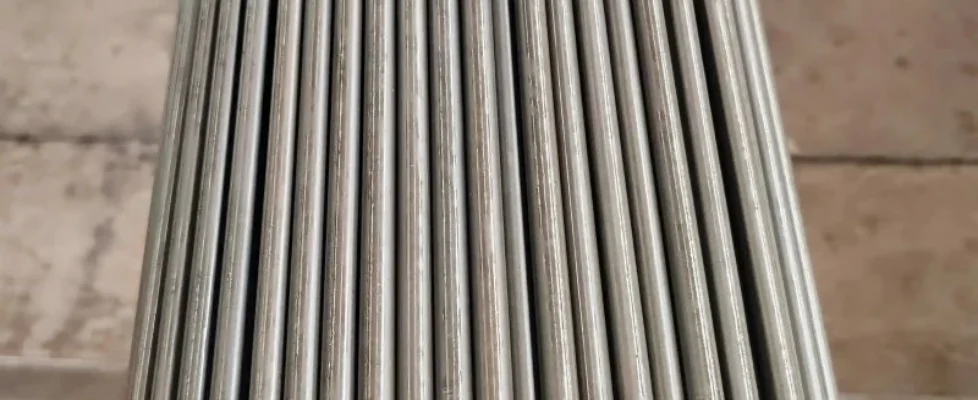
A hard chrome plated piston rod is a precisely engineered steel rod that is coated with a layer of hard chrome—a form of chromium electroplating—that provides superior hardness, excellent surface finish, and remarkable resistance to wear and corrosion.
How Is It Made?
The manufacturing process involves several key stages:
1. Material Selection: High-grade steel rods (commonly C45, 42CrMo4, or customized alloys) are selected for their mechanical integrity. 2. Precision Machining: Rods are ground and polished to very tight tolerances to ensure straightness and dimensional accuracy. 3. Surface Preparation: The rod is meticulously cleaned and prepared to ensure perfect chrome adhesion. 4. Hard Chrome Electroplating: Using advanced electrolytic technology, a thick, uniform layer of hard chrome (typically 20–30 microns) is deposited onto the rod. 5. Final Polishing: The coated rod is polished to achieve a mirror-like surface, often with a roughness average (Ra) below 0.2μm.
As a result, the hard chrome plated piston rod offers unparalleled longevity and reduced maintenance cycles—even in the most challenging operational conditions.
Key Benefits of Choosing a Hard Chrome Plated Piston Rod for Hydraulic Systems
Transitioning from uncoated or conventional rods to hard chrome plated variants brings a host of advantages that directly translate into better performance and cost-effectiveness:
1. Exceptional Wear Resistance
The hard chrome layer is extremely hard—typically 800-1000 HV—making it resistant to abrasion from seals, dust, and contaminants. This minimizes surface degradation over time, even with frequent or high-speed operation.
2. Outstanding Corrosion Protection
Hydraulic systems often operate in harsh or outdoor environments where moisture, chemicals, or saline atmospheres are prevalent. The hard chrome plated piston rod resists rust, oxidation, and chemical attack, extending cylinder life dramatically.
A mirror-smooth surface ensures minimal friction between the rod and cylinder seals. This means:
Less energy loss
Reduced heat generation
Extended seal and cylinder service life
Quieter and smoother machine operation
4. High Fatigue Strength
The chrome plating process not only enhances surface hardness but also contributes to the fatigue strength of the rod, allowing it to sustain repeated cycles and heavy loads without cracking or deformation.
5. Minimized Downtime and Lower Total Cost of Ownership
Longer lifespan and reduced incidence of breakdowns result in fewer repairs and replacements, ultimately providing better value and lower operational costs for end users.
6. Compatibility with a Range of Hydraulic Fluids
The hard chrome finish is inherently inert to most mineral oils, synthetic fluids, and specialty hydraulic fluids, making these rods ideal for a diverse set of hydraulic applications.
The rod’s design also allows for seamless retrofitting in most existing hydraulic cylinder assemblies.
Environmental Responsibility
Recognizing global trends toward sustainability, Shandong Baokun employs advanced emission control, responsible chemical recycling, and energy-efficient processes throughout production. The new product is manufactured in accordance with RoHS and REACH directives—meeting or exceeding the expectations of eco-conscious clients worldwide.
Technical Specifications & Customization
Available in a spectrum of diameters (8mm to 140mm), lengths (up to 12 meters), and grades, Shandong Baokun can fully customize the hard chrome plated piston rod to meet OEM or end-user specifications.
Tolerances: H8/f7, with tight run-out and straightness as low as 0.1mm/m
Surface Hardness: 800-1000 HV
Chrome Thickness: 20–30+ microns
Surface Finish: Ra ≤ 0.2μm
Base Material: C45, 42CrMo4, Custom alloys
Certification: ISO 9001, EN10277, ISO 14001
About Shandong Baokun Metal Material Co. Ltd:
Shandong Baokun Metal Material Co. Ltd is an internationally recognized manufacturer and exporter of high-precision steel tubes, piston rods, honed tubes, and related hydraulic components. With a technology-driven approach, strict quality management, and a global service network, Shandong Baokun supplies leading OEMs and distributors with components for the world’s most demanding applications.
Shandong Baokun Metal Material Co. Ltd proudly invites global partners to experience the new standard in hydraulic system reliability with the launch of our hard chrome plated piston rod. Businesses looking for increased operational efficiency, minimized downtime, and sustainable value now have the ideal component for their next project.
Media Contact:
Company Name: Shandong Baokun Metal Material Co., Ltd Contact Name: Ms. Sun Contact Phone: +86 15763576989 Address: Room 1211, Commercial Office Building 2, Development Zone, Liaocheng, ShanDong, China Email: info@sdbkmetal.com Website: https://www.sdbksteel.com/
Glass tableware manufacturing involves high-temperature processes that require conveyor belts with excellent heat resistance, strength, and durability. A Kevlar Conveyor Belt is a reliable solution for transporting hot glass products through demanding production stages. Reinforced with high-strength Kevlar fibers, these belts are designed to provide stable performance under challenging operating conditions.
Why Choose a Kevlar Conveyor Belt?
High Temperature Resistance: A Kevlar Conveyor Belt can withstand elevated temperatures, making it suitable for conveying hot glass tableware after forming, heating, or heat-treatment processes.
Excellent Tensile Strength: Kevlar reinforcement provides outstanding strength while maintaining a lightweight and flexible belt structure. This helps the belt handle continuous production demands effectively.
Superior Wear Resistance: Glass manufacturing environments can expose conveyor belts to heat, friction, and repeated operation. Kevlar reinforcement helps improve resistance to wear and supports longer service life.
Reliable Conveying: The belt provides smooth and stable transportation, helping prevent production interruptions and maintain consistent material flow.
Industrial Versatility: Besides glass tableware, Kevlar Conveyor Belts can be used in other high-temperature conveying applications where strength and thermal performance are essential.
Shanghai Puteken Transmission System Co., Ltd. provides professional conveyor belt solutions for modern industrial applications. Its Kevlar Conveyor Belt combines high-temperature performance, durability, strength, and flexibility, making it an excellent choice for glass tableware production lines. By using a suitable high-temperature conveyor belt, manufacturers can improve conveying efficiency, reduce maintenance requirements, and support continuous production.
Modern industrial equipment requires reliable, efficient, and precise power transmission to maintain consistent production. An HTD Timing Belt is an excellent solution for applications that demand accurate synchronization, high torque transmission, and dependable operation. With its optimized tooth profile, an HTD timing belt provides positive engagement with compatible pulleys, helping reduce slippage and maintain precise motion.
One of the key advantages of an HTD Timing Belt is its ability to transmit high torque efficiently. This makes it suitable for conveyors, automation systems, packaging machinery, CNC equipment, and other industrial applications. Its durable construction also provides excellent resistance to wear, allowing equipment to operate reliably for extended periods.
HTD timing belts can help improve machine efficiency by minimizing power loss and supporting smooth, synchronized movement. Their low-maintenance design can also reduce downtime and operating costs compared with some traditional power transmission solutions. In addition, their relatively quiet operation makes them suitable for modern production environments where noise control is important.
Shanghai Puteken Transmission System Co., Ltd. supplies quality HTD Timing Belts designed for dependable industrial power transmission. With suitable specifications and professional support, these belts can help manufacturers achieve greater precision, efficiency, and long-term equipment performance.
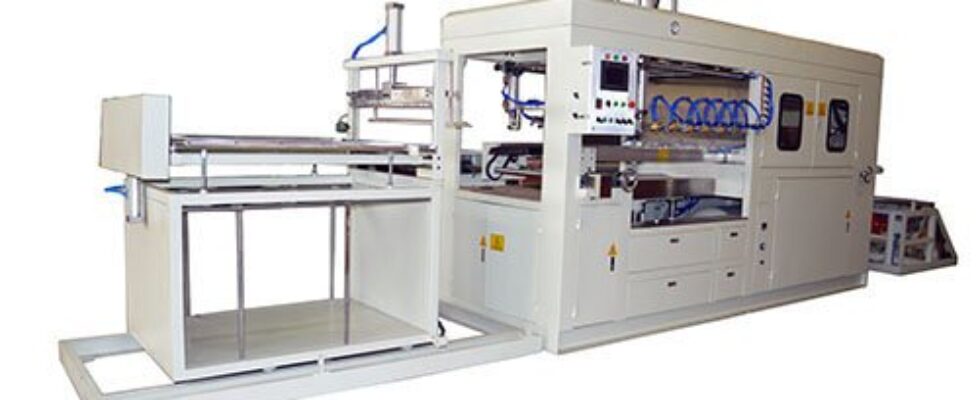
Shanghai, China, 21.08.2026 – In a significant technological leap for the global manufacturing sector, Shanghai Zhanshi Mechanical Equipment Co., Ltd. has announced the launch of its state-of-the-art automatic vacuum forming machine. This new offering exemplifies the company’s ongoing commitment to delivering advanced automation and production solutions that enable clients to streamline processes, reduce costs, and maintain uncompromising product quality.
Speaking at the company headquarters, Lewis, spokesperson for Shanghai Zhanshi Mechanical Equipment Co., Ltd., shared insights about how manufacturers can seize a competitive edge in today’s fast-paced market with the integration of an automatic vacuum forming machine. The press conference was attended by industry leaders, engineers, potential business partners, and members of the media.
Advancing Manufacturing: The Power of an Automatic Vacuum Forming Machine
As global demand for highly precise and customized plastic products continues to grow across automotive, packaging, healthcare, electronics, and more, manufacturers are faced with the challenge of staying nimble, efficient, and cost-effective. Overcoming production bottlenecks and keeping up with market expectations requires transformative equipment solutions—precisely what the newly launched automatic vacuum forming machine from Shanghai Zhanshi Mechanical Equipment Co., Ltd. offers.
With this new-generation machine, manufacturers will dramatically increase their throughput, virtually eliminate manual errors, reduce operating costs, and gain unparalleled control and flexibility.
Lewis emphasized:
“Our automatic vacuum forming machine is engineered to be the new benchmark for automated plastic forming technology. It is the product of years of innovation, customer feedback, and our relentless focus on efficiency and reliability. By integrating this machine into their production line, companies of all sizes can achieve previously unattainable efficiencies while producing impeccable, high-quality products at scale.”
What Makes an Automatic Vacuum Forming Machine So Impactful?
Lewis continued, “The impact of an automatic vacuum forming machine on production efficiency cannot be overstated. Unlike traditional, semi-manual approaches, this machine automates every key step—from sheet feeding and heating to forming, cooling, and trimming. This all-in-one solution boosts not only the speed but also the precision and consistency of your finished products.”
Here’s how the automatic vacuum forming machine achieves these results:
1. Fully Automated Workflow
Every step, from sheet loading to finished part ejection, is handled with robotic precision. This drastically reduces manual intervention and ensures that every output is identical in quality.
2. Intelligent Heating Systems
The machine boasts advanced multi-zone infrared heating, guaranteeing even material softening while minimizing energy use and scrap rates. With precise temperature zones, manufacturers can ensure the forming material never overheats or underperforms.
3. Rapid Forming and Cooling
By leveraging optimized vacuum channels and variable pressure technology, the machine achieves fast cycle times even with complex shapes, pushing productivity to new heights.
4. In-Line Trimming and Stacking
Directly after forming, the products are automatically trimmed and neatly stacked or conveyed, ready for packaging or further assembly. This seamless transition cuts minutes off every cycle, which translates to massive efficiency gains over the course of a production day.
5. Seamless Integration
Designed with the modern factory in mind, the automatic vacuum forming machine integrates upstream and downstream, connecting with supply conveyors, robotics, and data management systems. As a result, it fits perfectly into both Industry 4.0 and traditional production environments.
Key Features Exclusive to Shanghai Zhanshi’s Automatic Vacuum Forming Machine
The competitive landscape has never been more demanding, but Shanghai Zhanshi sets itself apart with a series of groundbreaking features:
User-Friendly HMI (Human-Machine Interface): Operators of all experience levels can control, monitor, and troubleshoot the system through an easy-to-navigate touch screen interface.
IoT Connectivity: The machine is equipped with real-time data collection and remote diagnostics, supporting predictive maintenance and performance optimization.
Energy Savings Mode: Smart sensors automatically adjust heating and vacuum systems based on current demand, reducing energy consumption without compromising efficiency.
Quick Mold Change System: Enables ultra-fast swapping of forming tools, empowering manufacturers to shift production with minimal downtime.
Multi-Material Compatibility: From PVC and PET to PP, ABS, and recycled blends, the machine delivers outstanding results with a wide array of plastic sheets.
Precision Control: Integrated sensors continually monitor material thickness, temperature, and vacuum timing, ensuring repeatability even with challenging designs.
Safety First: Industry-leading safety systems protect operators and minimize the risk of unplanned downtime.
By adopting an automatic vacuum forming machine from Shanghai Zhanshi, clients are empowered to:
Ramp up production with fewer operators.
Reduce maintenance and energy expenditure.
Adapt quickly to market changes and customer needs.
Ensure compliance with international quality and safety standards.
Seamlessly expand product offerings without additional capital investments in new lines.
Lewis added:
“We have engineered this solution for flexibility and future-readiness. No matter which sector our customers hail from, our automatic vacuum forming machine provides the speed, intelligence, and reliability demanded by global leaders.”
About Shanghai Zhanshi Mechanical Equipment Co., Ltd.
Shanghai Zhanshi Mechanical Equipment Co., Ltd. is a global pioneer in smart, high-efficiency manufacturing solutions for the plastics processing industry. With world-class R&D, robust after-sales service, and a relentless commitment to customer success, the company helps manufacturers around the world to reimagine productivity and quality in their production lines.
Media Contact:
Company Name: Shanghai Zhanshi Mechanical Equipment Co., Ltd. Contact Name: Lewis Contact Phone: +86 13916846091 Address: No.26 Kangyuan Road, Zhujiajiao Industrial Zone, Qingpu District, Shanghai, China Email: Daisy@smktek.com Website: https://www.vacuumac.com/
Filtration technology has advanced considerably over the past decades, and at the heart of this evolution stands one of the most reliable solutions: the WedgeWire Screen Panel. From water treatment facilities and food processing lines to mining operations and petrochemical plants, efficient filtration is no longer just a requirement—it is a critical factor that determines productivity, resource management, sustainability, and profitability.
What Is a Wedge Wire Screen Panel?
At its core, a Wedge Wire Screen Panel—also known as a profile wire screen or V-wire screen—is a flat or curved filtering surface made from a series of precision-engineered, triangular-shaped (wedge) profile wires that run parallel to each other and are welded onto support rods. The distinctive V-shape of each wire ensures that only the exact-sized particles allowed by the slot can pass through, while everything else is efficiently retained or separated.
This design, along with robust manufacturing methods, make the Wedge Wire Screen Panel a highly versatile and durable choice for even the most demanding filtration processes.
How Does a Wedge Wire Screen Panel Work?
Filtration using a Wedge Wire Screen Panel is both a science and an art. As process fluid (water, slurry, oil, etc.) flows through the panel, the unique profile of the wedge wire allows liquid and small particles to pass through the slots, while larger solids are held back or “screened” from the flow.
The advantages of this principle are numerous:
Accurate Screening: Precise slot openings—often custom-engineered to micron accuracy—control the cut-off point between pass-through and retention.
Non-Clogging Surface: The V-profile of the wires prevents particles from lodging inside the slot and encourages particles to move off the screen.
High Strength: The sturdy panel construction resists bending, covering, and deformation under heavy loads or pressure.
Efficient Cleaning: The surface geometry allows for easy cleaning—be it backwashing, vibrating, or brushing.
In essence, a Wedge Wire Screen Panel is designed not only to separate but to maintain consistent performance over a long operational period.
Key Features of the Wedge Wire Screen Panel
Let’s look closer at why industries around the globe favor the Wedge Wire Screen Panel for their filtration needs:
1. Precision Slot Control
Unlike mesh screens (which can vary in aperture and shape), the manufacturing of wedge wire involves advanced machining and welding, allowing slot openings from less than 0.05 mm up to several millimeters—perfectly consistent from edge to edge.
2. Superior Mechanical Strength
Because each profile wire is welded to load-bearing support rods, the result is an incredibly robust panel able to withstand pressure, vibration, and abrasive materials.
3. Exceptional Durability
High-grade stainless steels (304, 316, 904L, Duplex, etc.) and other alloys are used in construction, offering excellent resistance to corrosion, chemical attack, and high temperatures.
4. Anti-Clogging Performance
The V-shape naturally dislodges particles that could otherwise block or blind a mesh or punched plate design.
5. Customizable Design
As every plant or process is different, so too are the Wedge Wire Screen Panels—customized in slot size, panel thickness, width, length, curvature, alloy, and support structure to fit precisely into your filtration system.
Manufacturing Excellence at Anping County BT Wire Mesh Products Co., Ltd
High-quality Wedge Wire Screen Panel production is a blend of skilled craftsmanship and modern automated machinery. At Anping County BT Wire Mesh Products Co., Ltd, our process includes:
Material Certification: We only use certified stainless steel and high-performance alloys.
Precision Welding: Each wedge wire is resistance-welded to support rods with exact slot spacing.
Slot Verification: Laser and optical measurement ensure tolerances are maintained.
Surface Treatments: Panels can be electropolished, passivated, or coated for enhanced performance.
Final Inspection: Each panel is physically tested for flatness, strength, slot retention, and integrity before shipping.
Our commitment to quality means your panels perform flawlessly—right out of the box and for years to come.
Main Applications for Wedge Wire Screen Panel
The remarkable versatility of the Wedge Wire Screen Panel is evident across countless industries:
1. Water and Wastewater Treatment
Panels are used as intake screens, lamella clarifier plates, drum screens, and underdrain systems. Their role in minimizing debris while allowing high flow rates is critical for maintaining clean water streams and protecting downstream equipment.
2. Mining and Mineral Processing
Panels handle abrasive ores and slurries, separating valuable minerals from waste or grading material during processing. Their anti-clogging nature and high durability are especially valued here.
3. Food and Beverage Production
Whether it’s sugar processing, brewing, edible oil production, or juice clarification, the Wedge Wire Screen Panel ensures hygienic separation without product contamination and with ease of cleaning.
4. Oil, Gas, and Petrochemical
Used for sand control screens in wells, filtration of process water, catalyst support grids, and hydraulic fracturing, these panels stand up to corrosive, high-pressure conditions.
5. Pulp and Paper Industry
Panels act as fiber recovery screens, knotters, and cleaners, offering high throughput and long lifetime even with fiber-laden slurries.
6. Architectural and Decorative Applications
Interestingly, the sheer strength, aesthetic lines, and bright finish also find Wedge Wire Panels used in modern architecture as facades, sunscreens, and flooring.
Wedge Wire Screen Panel vs. Other Filtration Technologies
Why choose a Wedge Wire Screen Panel over mesh, perforated metal, or synthetics?
Consistency: No risk of stretching or deforming slots as mesh may do over time.
Drainage: The open area and surface geometry translate to greater flow rates.
Longevity: Outlasts synthetics, plastic screens, and basic metals in almost all conditions.
Low Maintenance: The anti-clogging effect cuts cleaning time and downtime.
Cost Efficiency: While initial investment can be higher, operational life and reliability deliver lower total cost of ownership.
Slot Size: Dictates the smallest particle size allowed to pass (typically from 20 microns and up).
Profile Wire Shape/Height: Adjusts for desired strength and open area.
Panel Dimensions: Length, width, thickness—and any curvature for drum screens or architectural uses.
-Support Rod Configuration: Impacts panel load bearing and installation.
Material Grade: Matches to process fluids/solids and operating environments (for instance, 316L for saline, duplex for aggressive chemicals).
Surface Finish: Electropolishing enhances corrosion resistance and cleanliness.
Installation and Maintenance Best Practices
Installation Tips
Handle Panels Carefully: Although strong, dropping or striking can distort slot size.
Check Flatness: Ensure seating is flush to avoid leaks.
Secure Fastening: Use all recommended bolts/clamps to distribute load evenly.
Routine Maintenance
Visual Inspections: Regularly check for mechanical damage, corrosion, or unusual buildup.
Cleaning: For most applications, panels may be back-flushed, brushed, or washed.
Monitor Performance: Declining flow rates can indicate clogging or slot deformation.
By following these best practices, Wedge Wire Screen Panel users enjoy many years of trouble-free operation.
A Glance at Sustainability: The Environmental Edge
With increasing regulatory standards and a rising global focus on sustainable industrial processes, the efficiency and durability of Wedge Wire Screen Panels also translate into real environmental benefits:
Reduced Waste: Fewer panels replaced over time means less material consumption.
Energy Savings: Consistent flow and lower pressure drops cut pump and electricity use.
Improved Resource Recovery: Maximized capture of valuable solids from waste streams or recycling operations.
Make the Switch to Wedge Wire Screen Panels for Filtration Excellence
To sum up, modern industries demand filtration systems that deliver more—better reliability, greater efficiency, lower costs, and less environmental impact. The Wedge Wire Screen Panel stands alone as an advanced yet simple solution that fulfills all these requirements and more.
Q1: What processes benefit most from a Wedge Wire Screen Panel?
A: Any application where precise, non-clogging separation of solids and liquids or solids and gases is needed. This includes water treatment, food processing, mining, oil & gas, and many more.
Q2: Can slot size be customized for specific applications?
A: Absolutely. At Anping County BT Wire Mesh Products Co., Ltd, slot sizes can be tailored from very fine microns for microfiltration to several millimeters for coarse separation.
Q3: Are Wedge Wire Screen Panels resistant to high temperatures and corrosive chemicals?
A: Yes. By selecting the right material—such as Duplex or Hastelloy alloys—panels remain stable under extreme mechanical, thermal, or chemical conditions.
Q4: How do Wedge Wire Screen Panels compare with mesh screens in cleaning and maintenance?
A: They are significantly easier to clean due to the smooth, non-clogging wedge surface, leading to less downtime and reduced labor costs.
Q5: Can old or worn panels be repaired, or must they be replaced?
A: Minor mechanical damage may be locally repaired, but most panels are replaced after many years of service to ensure the system remains leak-free and maintains particle retention standards.
Q6: Do you provide custom design and engineering support?
A: Certainly. Our specialists at Anping County BT Wire Mesh Products Co., Ltd work closely with clients to develop or adapt Wedge Wire Screen Panel designs for any system or challenge.
Q7: What documentation is supplied with each order?
A: We provide full materials certification, slot size measurement reports, and inspection/QC documentation for every shipment.
In today’s fast-paced manufacturing environment, staying ahead requires more than just keeping your machinery up and running—it demands next-level efficiency, flexibility, and consistency. As factories across the globe strive to optimize their workflows and streamline their processes, the adoption of advanced equipment has become more crucial than ever. One standout solution that continues to gain traction for its transformative potential is the thermoforming machine.
For manufacturers seeking to produce high volumes of quality plastic products with minimal waste and maximum repeatability, a modern thermoforming machine offers undeniable benefits. From packaging and automotive components to medical devices and consumer goods, these versatile machines have revolutionized how businesses approach production, enabling quicker turnaround times, lower costs, and greater customization.
Understanding the Thermoforming Machine
To fully appreciate the impact that a thermoforming machine can have on your production line, it’s important to understand what it is and how it works. In essence, a thermoforming machine is equipped to heat a sheet of thermoplastic material until it reaches just the right pliability. Subsequently, the sheet is stretched onto or into a mold and held in place as it cools to form a desired shape. The finished part is then trimmed to specification. This seemingly simple process underpins the production of an incredibly broad range of items.
Types of Thermoforming Machines
Thermoforming machines come in several variations:
Manual Thermoforming Machines: Best suited for low-volume or prototyping environments.
Semi-Automatic Thermoforming Machines: Combine operator input with automated features for medium-volume production.
Fully Automatic Thermoforming Machines: Deliver the greatest speeds and precision for high-volume manufacturing, suitable for global-scale operations.
Furthermore, you’ll find differences such as:
Vacuum Forming Machines: Use vacuum pressure to shape the heated plastic sheet.
Pressure Forming Machines: Employ additional air pressure for sharper details and complex shapes.
Twin-Sheet Thermoforming Machines: Fuse two sheets together for hollow items and added strength.
Shanghai Zhanshi Mechanical Equipment Co., Ltd. supplies and supports all these formats, catering to every scale and specialization.
The Core Advantages: Why Add a Thermoforming Machine to Your Production Line?
1. Enhanced Production Efficiency and Throughput
Transitioning to an automated thermoforming machine often results in:
Significantly Reduced Cycle Times: Thanks to rapid heating and forming processes.
Fewer Manual Steps: Automation takes over from loading to forming to trimming, resulting in less downtime and human error.
24/7 Operation Viability: Machines can run continuous shifts, boosting output exponentially.
2. Cost Reduction and Resource Optimization
With a modern thermoforming machine, manufacturers can expect:
Lower Material Wastage: Thinner, more precisely controlled sheets reduce offcuts and scrap.
Energy-Efficient Operation: Latest machines use advanced heating elements that minimize power consumption.
Reduced Labor Costs: Fewer operators are needed per shift.
3. Versatility and Product Customization
Thermoforming machines accommodate a wide array of plastic materials (PET, PVC, PP, ABS, and more) and can be reconfigured quickly for different shapes or product lines. This versatility leads to:
Rapid Prototyping and Design Changes: Easily switch molds and sheet thicknesses for new projects.
Shorter Time-to-Market: Faster cycle times and easier prototyping allow you to respond more promptly to customer demands.
4. Consistent Quality and Repeatability
By automating key steps and using programmable logic controllers, a robust thermoforming machine ensures:
Uniform Wall Thickness: Resulting in predictable, reliable parts.
Precise Detailing: Short cycle times don’t compromise quality; pressure forming can even mimic injection-molded finishes.
Reduced Human Error: Quality is managed by calibrated, computerized controls.
5. Eco-Friendly Possibilities
Reduced Material Consumption: Produce lightweight yet strong components.
Recyclable Materials: Use eco-friendly thermoplastics with modern machinery.
Smart Scrap Handling: Integrate recycling and regrinding options for a greener footprint.
Practical Applications: Where Does Thermoforming Make a Difference?
A thermoforming machine can be a game-changer in multiple industries. Here are some of the top applications:
Packaging Industry
The demand for custom clamshells, trays, and protective packaging grows daily. With a thermoforming machine:
-Large packaging runs can be completed swiftly. -Design updates can be trialed with minimal lead time. -Lightweight packaging reduces shipping and storage costs.
Automotive Sector
Dashboards, door panels, protective covers, and interior trim pieces are all made efficiently with thermoforming technology:
Thermoforming is essential for sterile, safe medical packaging:
Blister packs, trays, and component housings are made to stringent hygiene standards.
Machines with easy-clean features and medical-grade mold compatibility help meet regulatory demands.
Consumer Products
From toys to appliance liners, manufacturers can produce custom, high-quality products quickly and at scale.
Food Industry
Thermoforming machines are at the heart of packaging for yogurt cups, meat trays, and ready-meal containers—guaranteeing hygiene and product preservation.
Electronics
Protective housings, inserts, and enclosures are easily customized with thermoforming for electronics, giving devices tailored protection and branding.
A Step-by-Step Transformation: Introducing a Thermoforming Machine to Your Production Line
Making the leap to thermoforming is not just about installing a new piece of equipment. It’s about a holistic transformation of your production environment.
Step 1: Needs Assessment and Compatibility Check
Analyze your current workflow: Identify pain points, bottlenecks, and waste sources.
Determine product requirements: Material choices, thicknesses, volumes, and finish expectations.
Select machine type: Shanghai Zhanshi offers expert consultation on choosing the right format.
Step 2: Space Planning and Infrastructure
Machine footprint: Assess space for the machine, raw material storage, and finished goods handling.
Utilities check: Ensure sufficient electrical, pneumatic, and extraction capacity.
Step 3: Installation and Integration
Professional installation: Our technicians ensure all safety and performance parameters are met.
Production line integration: Connect the machine to conveyors, stackers, or robotics if needed.
Fine-tuning: Initial production runs are optimized for cycle time, quality, and material usage.
Step 5: Continuous Improvement
Data-driven insights: Our machines can log performance, highlighting potential improvements.
Regular maintenance schedules: Preventative care ensures longevity and minimal unscheduled downtime.
Thoughtful Considerations Before Upgrading
Transitioning to a new thermoforming machine is a significant step. To maximize your investment, consider:
Scalability: Will your choice accommodate business growth?
Customization: Can it be adapted for new materials and future projects?
Support Network: Does your manufacturer offer prompt, expert technical support?
Total Cost of Ownership: Account for energy, maintenance, consumables, and operator costs—not just purchase price.
Sustainability: Can the machine use recycled or bio-based plastics to meet future regulations?
The Digital Edge: Industry 4.0 and Smart Thermoforming Machines
As digital transformation sweeps across manufacturing, Shanghai Zhanshi Mechanical Equipment Co., Ltd. leads the way with smart, connected thermoforming machine solutions:
Remote Monitoring and Control: Track productivity and troubleshoot from anywhere.
Predictive Maintenance: Advanced sensors “see” wear and tear before breakdowns occur.
Integration with MES/ERP: Automated data flow keeps management systems up to date with live production metrics.
Embracing Industry 4.0 turns your production line into a flexible, responsive system that anticipates change rather than reacts to it.
The addition of a thermoforming machine to your production line is more than a technological upgrade—it’s a strategic investment in agility, quality, and profitability. From enabling greater customization to slashing cycle times and materials waste, modern thermoforming lies at the heart of manufacturing innovation.
Frequently Asked Questions (FAQ)
Q1: What types of products can I manufacture with a thermoforming machine?
A: From food packaging and disposable trays to automotive interiors, appliance housings, medical packaging, and electronic enclosures—a thermoforming machine is incredibly versatile.
Q2: How long does it take to switch production from one product to another?
A: With fast-change features and modular molds, most changeovers take just 10–30 minutes on modern Shanghai Zhanshi thermoforming machines.
Q3: Is it expensive to maintain a thermoforming machine?
A: Routine maintenance is simple and cost-effective. Our machines are engineered for accessibility, and spare parts are readily available. Predictive maintenance features further minimize downtime and unexpected costs.
Q4: Can I use recycled plastic with a thermoforming machine?
A: Yes! Our machines are compatible with many types of recycled and bio-based plastics, supporting your sustainability goals while meeting growing eco-conscious demand.
Q5: How does a thermoforming machine improve product quality?
A: Automated controls ensure consistent heat distribution, precise forming pressures, and accurate trimming—meaning every product meets exacting specifications with minimal defects.
Q6: What training is included with purchase?
A: Shanghai Zhanshi provides comprehensive operator and technical training, both at installation and through ongoing support, ensuring your staff is fully equipped to operate and maintain your new machine.
Q7: How fast can I expect ROI after upgrading?
A: Most clients see noticeable ROI within 12–18 months through reduced labor costs, less waste, increased throughput, and access to new markets/products.