Vapor chambers have emerged as a pivotal technology in thermal management, particularly in high-performance electronics and cooling systems. As industries strive for efficiency and reliability, understanding the benefits of vapor chambers becomes essential.
Here, we explore the key advantages that vapor chambers offer, highlighting their importance across various applications.
1. Effective Heat Distribution
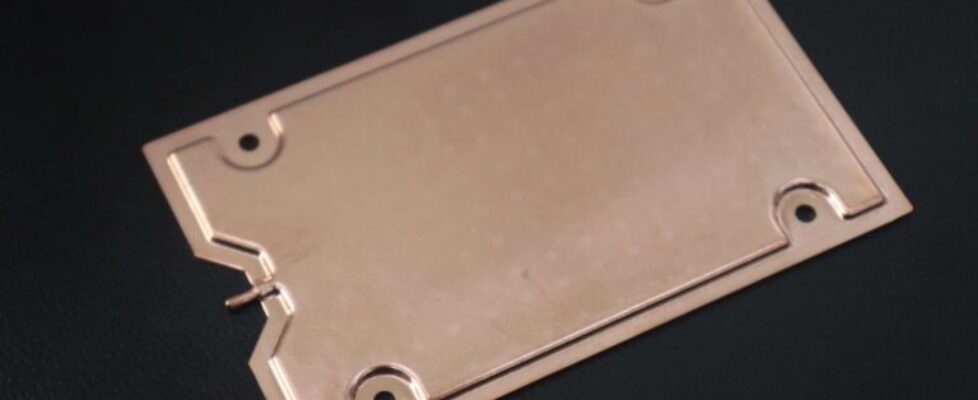
One of the standout benefits of vapor chambers is their ability to distribute heat evenly across a surface. Unlike traditional heat sinks, which can experience hotspots and uneven heat flow, vapor chambers utilize the principles of phase change to spread heat more uniformly. This efficiency helps maintain optimal operating temperatures, extending the lifespan of electronic components and enhancing overall system performance.
2. Compact Design
Vapor chambers are remarkably slim and lightweight, making them ideal for modern applications where space and weight are critical considerations. Their compact nature allows for integration into tight spaces without compromising on cooling efficiency. This is particularly beneficial in consumer electronics, automotive applications, and aerospace, where every millimeter counts.
3. High Thermal Conductivity
The thermal conductivity of vapor chambers is significantly higher than that of conventional materials. This is due to their unique design, which often includes a liquid working fluid that evaporates and condenses to transfer heat rapidly. As a result, vapor chambers can handle high heat loads without requiring bulky heatsinks. This characteristic makes them suitable for high-performance computing, gaming devices, and power electronics.
4. Reliability and Longevity
Vapor chambers are designed to be durable and reliable. Their sealed construction protects the internal working fluid from contaminants, ensuring consistent performance over time. Additionally, they operate efficiently in various orientations, making them versatile for different installation scenarios. This reliability translates into reduced maintenance costs and longer product lifespans, a vital factor for manufacturers and end-users alike.
5. Energy Efficiency
In today’s environmentally conscious world, energy efficiency is a top priority. Vapor chambers enhance energy efficiency by minimizing thermal resistance and maximizing heat dissipation. This efficiency leads to lower energy consumption, contributing to greener technology solutions. By integrating vapor chambers, companies can reduce their carbon footprint while maintaining high performance.
6. Enhanced Performance in Extreme Conditions
Vapor chambers excel in environments with extreme temperatures and conditions. They can effectively manage heat in high-temperature scenarios, making them ideal for applications in aerospace, military, and industrial settings. Their ability to function reliably under challenging conditions ensures that critical systems remain operational, enhancing safety and performance.
7. Cost-Effectiveness
While the initial investment in vapor chamber technology may be higher than traditional cooling methods, the long-term savings are significant. By improving reliability, reducing energy consumption, and extending the life of electronic components, vapor chambers can lead to lower overall operational costs. This cost-effectiveness makes them an attractive option for manufacturers looking to balance performance with budget constraints.
Conclusion
Vapor chambers represent a significant advancement in thermal management technology. Their ability to provide effective heat distribution, compact design, high thermal conductivity, reliability, energy efficiency, performance in extreme conditions, and cost-effectiveness makes them invaluable in various industries. As the demand for sophisticated cooling solutions grows, understanding and leveraging the benefits of vapor chambers will be crucial for companies like Tone Cooling Technology Co., Ltd.
An IGBT Cold Plate plays a critical role in maintaining the performance, reliability, and longevity of Insulated Gate Bipolar Transistors (IGBTs). These semiconductor devices are widely used in high-power electronics such as inverters, motor drives, renewable energy systems, and electric vehicles. As IGBTs handle substantial electrical currents, they generate significant heat that must be effectively managed to prevent performance loss or failure. This is where the IGBT cold plate comes into play.
Understanding the Function of an IGBT Cold Plate
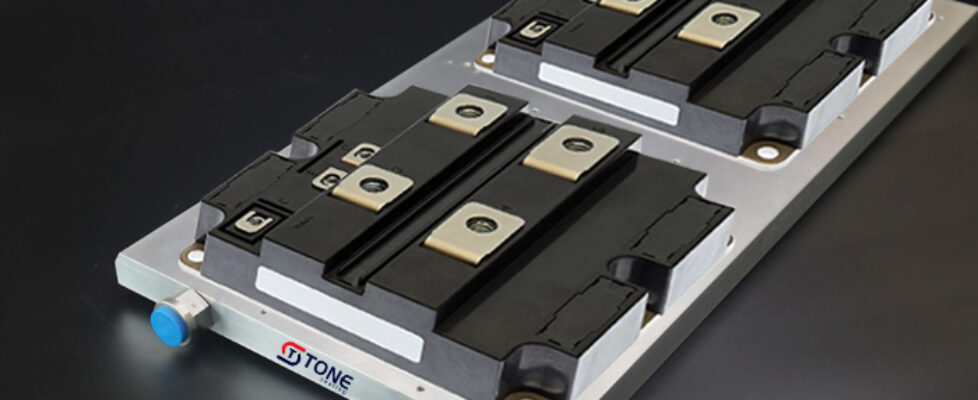
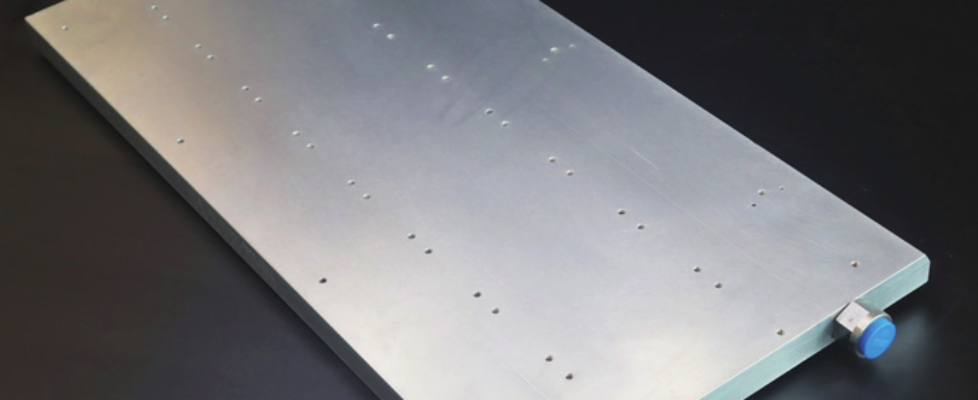
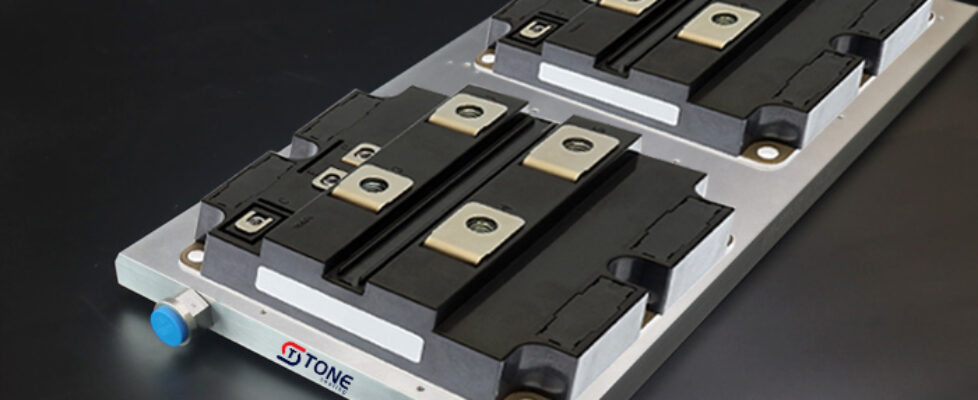
An IGBT Cold Plate is a specialized liquid cooling device designed to dissipate heat from IGBT modules efficiently. It consists of a flat metal plate, usually made from aluminum or copper, with internal channels or fins that allow a coolant—typically water or a water-glycol mixture—to flow through. As the coolant moves inside the plate, it absorbs the heat generated by the IGBT module and carries it away from the electronic components, keeping the operating temperature within safe limits.
This process ensures that the IGBT maintains stable electrical characteristics, reduces thermal stress, and enhances the overall performance of the system.
Working Principle of an IGBT Cold Plate
The working principle of an IGBT cold plate is based on liquid cooling and heat transfer efficiency. Here’s how it works step-by-step:
Heat Generation: During operation, IGBT modules switch large currents rapidly, which produces substantial heat at their junctions.
Heat Transfer to the Base: The heat travels from the IGBT chip through the substrate and baseplate, reaching the cold plate surface.
Coolant Circulation: A pump forces coolant through the microchannels or serpentine paths inside the cold plate.
Heat Absorption: As the coolant passes through, it absorbs the heat from the plate via conduction and convection.
Heat Dissipation: The heated coolant exits the cold plate and moves to an external heat exchanger or radiator, where the absorbed heat is released before the coolant cycles back again.
This continuous process ensures efficient temperature regulation and prevents the IGBT Cold Platesystem from overheating, even under heavy load conditions.
Advantages of Using an IGBT Cold Plate
Superior Thermal Performance: Compared to air cooling, liquid-cooled IGBT systems deliver much better heat dissipation, ensuring stable operation.
Compact Design: The use of cold plates allows engineers to design smaller and more efficient systems without the need for bulky fans or heat sinks.
Extended Component Lifespan: By maintaining optimal operating temperatures, IGBT cold plates reduce thermal fatigue, extending the service life of the device.
High Reliability: Consistent cooling minimizes the risk of thermal runaway and electrical failure, which is vital for applications requiring continuous high-power operation.
IGBT Cold Plates from Tone Cooling Technology Co., Ltd.
Tone Cooling Technology Co., Ltd. is a trusted manufacturer and supplier of high-quality IGBT cold plates designed for demanding industrial and power electronic applications. Their advanced cooling solutions feature precision-engineered channels, corrosion-resistant materials, and efficient fluid dynamics to ensure exceptional thermal management.
For more information about IGBT cooling solutions, visit https://tinyurl.com/mw92p4eh and explore how innovative cold plate technology can enhance your power module performance and reliability.
Modern power electronics are the unsung heroes behind the machines and technologies that make our world smarter, more efficient, and more powerful — from electric vehicles (EVs) and industrial robotics to renewable energy systems and mass transit infrastructure. At the heart of these systems lie Insulated Gate Bipolar Transistors (IGBTs), which are widely used for their high efficiency and fast-switching capabilities. However, one of the perennial challenges that designers and engineers face is managing the intense heat generated by IGBTs, especially under continuous or heavy load conditions—a problem effectively addressed by an IGBT liquid cold plate, which ensures optimal thermal management and reliable system performance.
Without sufficient thermal management, IGBTs can overheat, leading to performance degradation, efficiency losses, and even catastrophic failure. This is where IGBT liquid cold plates come in — precision-engineered cooling components that drastically improve temperature control, enhance reliability, and contribute to longer lifespans of electronic systems.
At Tone Cooling Technology Co., Ltd., we specialize in advanced thermal solutions tailored to high-power applications. Our IGBT liquid cold plate designs are the result of years of research, development, and collaboration with power electronics manufacturers across the globe.
What is an IGBT Liquid Cold Plate?
An IGBT liquid cold plate is a heat management device designed specifically to remove heat from an IGBT power module using liquid cooling techniques. It functions by providing an optimized thermal interface between the IGBT module and a liquid-cooled heat exchanger. Coolant flows through precision-engineered internal channels or microstructures within the cold plate, which are in close thermal contact with the IGBT module mount.
The primary objective is to draw heat away quickly and effectively, minimizing the junction temperature of IGBTs and maintaining safe operation even under high power loads.
In comparison to air-cooled heat sinks, liquid cold plates can transfer significantly more heat within a smaller footprint, making them ideal for power-dense systems like:
High-power inverters
EV traction systems
Grid-scale converters
HVAC control modules
Railway propulsion systems
Induction heating and welding systems
The Challenge of Cooling IGBT Power Modules
IGBTs are widely used in medium- to high-voltage applications for their ability to switch large currents with minimal losses. However, they are not immune to heat generation. To tackle these challenges, an IGBT liquid cold plate is often employed. Here are the key problems encountered in the cooling of IGBT modules:
1. High Heat Generation
Every time an IGBT switches, it generates heat — both from conduction and switching losses. In high-frequency applications, this can rapidly lead to a thermal overload without adequate cooling.
2. Localized Hotspots
IGBT modules often feature asymmetrical power distribution, creating hotspots even when the average thermal load appears manageable. Local overheating can cause thermal fatigue and premature device failure.
3. Limited Airflow in Compact Designs
Modern systems are increasingly compact, which restricts airflow and limits the feasibility of fan-based cooling. As a result, active liquid cooling becomes the only option.
4. Industry Standards and Reliability Expectations
Sectors like automotive, aerospace, and renewable energy energy demand long-term reliability, often in harsh environments. Keeping IGBT modules at stable operating temperatures over a product’s lifecycle is critical.
Why Choose an IGBT Liquid Cold Plate for Thermal Management?
Introducing IGBT liquid cold plates into your cooling design can solve most of the traditional thermal limitations of high-performance power systems. Here’s how:
1. Superior Heat Transfer Efficiency
Liquid has a much higher specific heat capacity and thermal conductivity than air. Cold plates can remove 5 to 10 times more heat compared to traditional fin-based solutions.
2. Compact Size, Higher Power Density
Because of the improved heat transfer, systems can be miniaturized while still managing the same or even greater power levels, thereby enhancing the power-per-volume metric.
3. Even Thermal Distribution
Advanced channel designs within the IGBT liquid cold plate ensure even temperature gradients, reducing thermal cycling stress and improving module reliability.
4. Extended Component Lifespan
Maintaining components below specified junction temperatures can extend the mean time between failures (MTBF) considerably, reducing maintenance costs and downtime.
5. Customizable Design Flexibility
Cold plates can be tailored to fit custom PCB layouts, mounting configurations, and flow requirements, making them an ideal choice for proprietary power systems.
Key Design Features of a High-Performance IGBT Liquid Cold Plate
Designing an IGBT liquid cold plate is a sophisticated process that requires managing fluid dynamics, material science, and thermal analysis. At Tone Cooling Technology Co., Ltd., our solutions are characterized by:
A. Optimized Flow Channels
Carefully designed micro-channels, jet impingement, or serpentine patterns ensure uniform heat removal across the IGBT baseplate.
B. High Thermal Conductivity Materials
We use high-quality aluminum, copper, or composite materials depending on your application. Copper provides the best thermal conductivity, while aluminum offers excellent weight-to-performance value.
C. Secure Sealing Structures
Cold plates include leak-proof gaskets, O-rings, or welded enclosures to protect against coolant ingress into sensitive components.
D. Pressure Drop Engineering
Careful modeling ensures optimal pressure drop across the plate, allowing efficient integration into low-power or high-flow cooling systems.
E. Mounting Compatibility
Our cold plates are pre-configured to match popular IGBT module footprints from leading manufacturers like Infineon, Mitsubishi, ON Semiconductor, and Fuji Electric, including half-bridge, full-bridge, and 6-pack modules.
Real-World Applications for IGBT Cold Plates
From enhancing the lifespan of mission-critical drives to reducing energy loss in power delivery systems, liquid cooling has real-world benefits across multiple verticals:
1. Electric Vehicles (EVs)
IGBTs in inverters and motor drives experience high transient loads. Liquid cold plates ensure cooling consistency regardless of vehicle conditions, enabling better acceleration, range, and battery efficiency.
2. Renewable Energy
Solar and wind inverters operate under varying loads continuously. An IGBT liquid cold plate allows these systems to remain stable without fans, helping maintain high conversion efficiency.
3. Rail Transport
Metro and high-speed trains rely on IGBT modules for propulsion and braking systems. These systems demand zero tolerance for failure, making advanced liquid cooling mandatory.
4. Industrial Automation
Robotic arms, CNCs, and power drives use high-frequency switching to maintain speed and torque control. Proper thermal management reduces downtime and increases equipment precision.
Tone Cooling Technology: Your Partner in Customized Cooling Solutions
At Tone Cooling Technology Co., Ltd., we bring more than just off-the-shelf solutions to the table. We are a development partner, offering tailored IGBT liquid cold plates that match your exact performance requirements, form factors, and budget.
✅ Customized Designs
We create precision CNC-machined cold plates optimized for your IGBT layout and coolant flow requirements. CAD models and thermal simulations are available during the design phase.
✅ Global Standards Compliance
Our products comply with international standards for electrical and mechanical compatibility, including RoHS, CE, ISO 9001, and automotive-grade QA systems.
✅ Fast Prototyping and Mass Production
From low-volume R&D projects to mass production for automotive systems, our flexible production lines accommodate any project scale with quick turnaround times.
✅ Support and Co-Development
Our in-house thermal engineers are ready to collaborate with your hardware teams, helping you integrate the best cooling solution from the start of your design journey.
Case Study: EV Inverter Cooling Upgrade
A Tier 1 EV manufacturer approached Tone Cooling looking to improve thermal stability in its inverter modules, which use 1200V, 200A IGBT blocks. After switching from a conventional heat sink to a Tone Cooling liquid cold plate:
Max junction temperature dropped by 28°C
Switching efficiency improved by 7%
Cooling system weight reduced by 15%
Projected IGBT lifespan increased by 35%
The solution enabled them to achieve higher torque output under load and meet operational targets for their next-gen EV platform.
As power electronics continue to evolve, the demand for efficient, compact, and reliable thermal management only intensifies. Using an IGBT liquid cold plate is not just a means to prevent overheating—it’s a strategic technology investment that enhances performance, extends lifespan, and minimizes failure risks in high-stakes applications.
FAQ:
❓ Q1. What coolant is typically used in liquid cold plates?
Common coolants include deionized water, glycol-water mixtures (e.g., 50/50 EGW), or specialized dielectric fluids for high-voltage environments.
❓ Q2. Can your cold plates be used with third-party IGBT modules?
Yes. We offer both universal and custom-mounting hole patterns supporting common modules from brands like Infineon, Fuji, Semikron, Microsemi, and more.
❓ Q3. What is the typical pressure rating for these cold plates?
Our standard cold plates operate at up to 0.5 MPa (5 bar), but high-pressure models up to 1.2 MPa are available upon request.
❓ Q4. What are the most common materials used in IGBT cold plates?
We manufacture plates using aluminum, copper, and composite alloys, depending on thermal performance, weight, and cost considerations. Copper offers superior thermal performance, while aluminum provides weight advantages.
❓ Q5. Can I request a dual-flow or serpentine channel layout?
Absolutely! We tailor the internal flow path—serpentine, pin-fin, jet-impingement, or parallel-channel—based on your cooling needs and flow rate.
❓ Q6. How do I know a cold plate will fit my application?
Tone Cooling provides detailed technical drawings, 3D models, and simulation data to ensure perfect integration before manufacturing.
❓ Q7. Do you provide quick prototypes with testing validation?
Yes. We offer rapid prototyping services, complete with CFD testing, flow analysis, and thermal characterization upon request.
As electronic devices continue to evolve, becoming more powerful and compact, the challenge of effective thermal management grows increasingly critical. High-power electronics, such as CPUs, GPUs, power modules, and laser diodes, generate significant heat that must be efficiently dissipated to maintain performance, reliability, and longevity. Traditional cooling methods, including heat sinks and fans, often fall short in meeting these demands, especially as devices push the limits of power density. Advanced solutions like the Custom Vapor Chamber are now playing a vital role in delivering efficient heat spreading and improved cooling performance.
This is where the custom vapor chamber emerges as a game-changing solution. Unlike standard heat spreaders, a vapor chamber leverages the principles of phase change and capillary action to rapidly and uniformly spread heat across its surface, providing superior thermal performance. When tailored specifically to the unique requirements of a device or system, a custom vapor chamber can dramatically enhance cooling efficiency, reduce hotspots, and enable more compact and innovative designs.
At Tone Cooling Technology Co., Ltd., we specialize in designing and manufacturing custom vapor chambers that meet the precise thermal management needs of high-power electronics across various industries. Our expertise in materials, manufacturing processes, and thermal engineering allows us to deliver solutions that optimize device performance and reliability.
In this comprehensive article, we will explore the top 5 reasons to invest in a custom vapor chamber for your high-power electronics applications. We will delve into the science behind vapor chambers, their advantages over traditional cooling methods, and how customization can unlock new possibilities in thermal management. Additionally, we will address common questions in our FAQ section to help you make an informed decision.
1. Superior Thermal Performance for High-Power Devices
One of the primary reasons to invest in a custom vapor chamber is its exceptional ability to manage heat in high-power electronics. Vapor chambers operate on the principle of two-phase heat transfer, where a working fluid inside the sealed chamber evaporates at the heat source, transports thermal energy as vapor, and condenses on cooler surfaces, releasing heat efficiently.
This process results in:
Rapid heat spreading: Vapor chambers distribute heat uniformly across their surface, minimizing temperature gradients and hotspots that can degrade device performance.
Highly effective thermal conductivity: Vapor chambers can achieve thermal conductivities several times higher than solid copper or aluminum plates.
Improved device reliability: By maintaining lower and more uniform temperatures, vapor chambers reduce thermal stress and extend the lifespan of electronic components.
When customized, vapor chambers can be designed to match the exact heat flux distribution and spatial constraints of your device, ensuring optimal thermal performance where it matters most.
2. Enhanced Design Flexibility and Integration
Unlike off-the-shelf cooling solutions, a custom vapor chamber offers unparalleled design flexibility. This is crucial for modern electronics, where space is at a premium and thermal management must be seamlessly integrated into complex assemblies.
Customization allows for:
Tailored dimensions and shapes: Vapor chambers can be manufactured in various sizes and geometries to fit unique device layouts.
Optimized internal structures: Wick materials and vapor pathways can be engineered to enhance capillary action and vapor flow, improving cooling efficiency.
Integration with other cooling components: Custom vapor chambers can be designed to interface directly with heat sinks, cold plates, or liquid cooling systems, creating hybrid solutions that maximize thermal management.
This level of customization enables engineers to innovate without being constrained by standard cooling component sizes or shapes, facilitating the development of thinner, lighter, and more powerful devices.
3. Weight and Space Savings for Compact Systems
In many applications, especially in aerospace, automotive, and portable electronics, reducing weight and size is as important as managing heat. A custom vapor chamber can significantly contribute to these goals by providing high thermal performance in a compact and lightweight form factor.
Compared to traditional heat sinks or bulky cooling assemblies, vapor chambers:
Eliminate the need for large fin arrays: Their efficient heat spreading reduces reliance on extensive finned surfaces.
Allow for thinner cooling solutions: Vapor chambers can be manufactured with minimal thickness, enabling slimmer device profiles.
Reduce overall system weight: Using lightweight materials and eliminating heavy cooling components helps meet stringent weight requirements.
By investing in a custom vapor chamber, manufacturers can achieve better thermal management without compromising on size or weight, opening doors to new product designs and applications.
4. Improved Energy Efficiency and Reduced Operational Costs
Efficient thermal management directly impacts the energy consumption and operational costs of electronic systems. A custom vapor chamber enhances cooling efficiency, which can lead to:
Lower fan speeds and reduced noise: Better heat spreading reduces the need for high-speed fans, saving energy and improving user experience.
Decreased cooling system size: Smaller or fewer cooling components translate to lower material and manufacturing costs.
Extended device lifespan: By preventing overheating and thermal cycling damage, vapor chambers reduce maintenance and replacement expenses.
Moreover, custom vapor chambers can be optimized for specific operating conditions, ensuring that cooling is delivered precisely where and when it is needed, further enhancing energy efficiency.
5. Future-Proofing Your Thermal Management Strategy
As electronic devices continue to evolve, thermal management solutions must keep pace with increasing power densities and new form factors. Investing in a custom vapor chamber provides a scalable and adaptable platform for future innovations.
Key aspects include:
Compatibility with emerging materials: Custom vapor chambers can be designed to work with new working fluids or wick materials that improve performance.
Adaptability to new device architectures: As chip layouts and packaging technologies change, vapor chambers can be re-engineered to meet new thermal challenges.
Support for advanced cooling techniques: Custom vapor chambers can be integrated with liquid cooling, heat pipes, or thermoelectric coolers to create hybrid systems.
By choosing a custom vapor chamber, you ensure that your thermal management infrastructure is ready to support next-generation electronics, protecting your investment and competitive edge.
Conclusion
The increasing power density and miniaturization of electronic devices demand innovative thermal management solutions. A custom vapor chamber offers superior heat spreading, design flexibility, compactness, energy efficiency, and future-proofing capabilities that make it an indispensable component in high-power electronics cooling.
At Tone Cooling Technology Co., Ltd., we are dedicated to delivering high-quality, customized vapor chambers that meet the unique needs of our clients across various industries. By investing in a custom vapor chamber, you are not only enhancing your device’s performance and reliability but also positioning your products for success in an increasingly competitive market.
For more information on our custom vapor chamber solutions and how they can benefit your applications, please contact us today.
Frequently Asked Questions (FAQ)
Q1: What is a vapor chamber, and how does it differ from a heat pipe? A: A vapor chamber is a flat, sealed heat spreader that uses phase change and capillary action to transfer heat efficiently across its surface. Unlike heat pipes, which are tubular and transfer heat along their length, vapor chambers provide two-dimensional heat spreading, making them ideal for cooling flat or irregularly shaped components.
Q2: Why should I choose a custom vapor chamber over a standard one? A: Custom vapor chambers are tailored to your device’s specific thermal profile, size constraints, and integration requirements, resulting in optimized performance, better fit, and potentially lower system costs compared to off-the-shelf solutions.
Q3: What materials are used in vapor chambers? A: Vapor chambers are typically made from copper or copper alloys due to their excellent thermal conductivity. The internal wick structure can be made from sintered metal powder, mesh, or grooved surfaces, and the working fluid is usually water or alcohol, selected based on operating temperature.
Q4: Can vapor chambers be used in high-temperature applications? A: Yes, vapor chambers can be designed with working fluids and materials suitable for a wide range of temperatures, including high-power electronics that operate at elevated temperatures.
Q5: How long do vapor chambers last? A: Vapor chambers are sealed and contain no moving parts, making them highly reliable with lifespans often exceeding the operational life of the device they cool, typically 10 years or more under normal conditions.
In the world of modern computing, processors are becoming increasingly powerful, packing more cores and higher clock speeds into smaller silicon footprints. While this evolution drives unprecedented performance, it also generates significant heat, which, if not managed properly, can throttle performance and reduce the lifespan of your CPU. This is where advanced cooling solutions like the vapor chamber CPU cooler come into play.
At Tone Cooling Technology Co., Ltd., we understand the critical role that efficient thermal management plays in maintaining processor stability and performance. Our cutting-edge vapor chamber CPU cooler technology is designed to dissipate heat rapidly and evenly, ensuring your CPU stays cool even under the most demanding workloads.
In this article, we will explore how a vapor chamber CPU cooler works, why it is superior to traditional cooling methods, and how it can help you maximize your processor’s potential while maintaining system reliability.
What Is a Vapor Chamber CPU Cooler?
A vapor chamber CPU cooler is a type of heat spreader that uses phase-change cooling technology to transfer heat away from the CPU more efficiently than conventional heat pipes or solid metal bases. It consists of a sealed, flat chamber filled with a small amount of working fluid (usually water) and a wick structure lining the interior walls.
When the CPU generates heat, the fluid inside the vapor chamber evaporates at the hot spot, absorbing thermal energy. The vapor then spreads rapidly throughout the chamber, condensing on cooler surfaces and releasing heat. The condensed liquid returns to the heat source via capillary action through the wick, creating a continuous cycle of evaporation and condensation.
This process allows the vapor chamber to distribute heat evenly across the cooler’s base, reducing hot spots and improving overall thermal performance.
Why Vapor Chamber CPU Coolers Are Superior
Compared to traditional solid copper or aluminum bases and even heat pipe-based coolers, vapor chamber CPU coolers offer several distinct advantages:
1. Superior Heat Spreading
The vapor chamber’s phase-change mechanism enables rapid lateral heat transfer, spreading heat uniformly across the entire base. This prevents localized overheating and allows the attached heatsink or radiator to dissipate heat more effectively.
2. Higher Thermal Conductivity
Vapor chambers typically exhibit thermal conductivities several times higher than solid copper plates or heat pipes, making them ideal for high-TDP (thermal design power) CPUs that generate substantial heat.
3. Compact and Lightweight Design
Because vapor chambers are highly efficient, they can be designed thinner and lighter than bulky heat pipe arrays, making them suitable for compact builds and laptops without sacrificing cooling performance.
4. Enhanced Reliability
With no moving parts and a sealed design, vapor chambers are highly reliable and resistant to issues like fluid leakage or heat pipe dry-out, which can plague traditional cooling solutions.
How Tone Cooling Technology Co., Ltd’s Vapor Chamber CPU Cooler Works
At Tone Cooling Technology Co., Ltd., our vapor chamber CPU cooler integrates advanced materials and precision engineering to maximize cooling efficiency:
High-purity copper construction ensures excellent thermal conductivity.
Precision machining guarantees a flat, smooth base for maximum contact with the CPU heat spreader.
Compatibility with various heatsink designs, including fin arrays and liquid cooling blocks.
This combination results in a cooler that not only keeps your processor temperature low but also operates quietly and reliably under pressure.
Applications and Benefits
Gaming and High-Performance Computing
For gamers and content creators pushing CPUs to their limits, maintaining stable temperatures is crucial to avoid thermal throttling and frame rate drops. Our vapor chamber cpu coolers provide consistent cooling performance during extended gaming sessions or rendering tasks.
Data Centers and Servers
In data centers, where CPUs run 24/7 under heavy loads, efficient cooling reduces energy consumption and prolongs hardware life. Vapor chamber technology helps maintain optimal operating temperatures, improving uptime and reliability.
Compact and Mobile Devices
Laptops and small form-factor PCs benefit from the thin profile and high efficiency of vapor chamber coolers, enabling powerful processors to run cooler without bulky cooling solutions.
Conclusion
As processors continue to evolve, generating more heat in smaller packages, traditional cooling methods struggle to keep pace. The vapor chamber CPU cooler represents a significant advancement in thermal management technology, offering superior heat spreading, higher thermal conductivity, and reliable performance in a compact form factor.
At Tone Cooling Technology Co., Ltd., we are proud to offer state-of-the-art vapor chamber cooling solutions designed to keep your processor cool under pressure, ensuring maximum performance and longevity.
For more information on our vapor chamber CPU coolers and how they can benefit your system, contact us today.
Frequently Asked Questions (FAQs)
1. How does a vapor chamber CPU cooler differ from a heat pipe cooler? While both use phase-change cooling, vapor chambers spread heat across a flat surface more evenly, whereas heat pipes transfer heat along narrow tubes. Vapor chambers are generally more efficient for spreading heat over larger areas.
2. Can vapor chamber coolers be used with liquid cooling systems? Yes, vapor chambers can be integrated as the cold plate in liquid cooling loops, enhancing heat transfer from the CPU to the coolant.
3. Are vapor chamber coolers compatible with all CPUs? Most vapor chamber coolers are designed to fit standard CPU sockets, but it’s important to check compatibility with your specific processor and motherboard.
4. Do vapor chamber coolers require maintenance? No, vapor chambers are sealed units and require no maintenance, unlike some liquid cooling systems.
5. How much cooler can a vapor chamber CPU cooler keep my processor? Temperature improvements vary by system, but vapor chamber coolers can reduce CPU temperatures by 5-15°C compared to traditional air coolers.
In the age of high-performance computing, thermal design has become as critical as computational power itself. As modern graphics processing units (GPUs) continue to evolve—bringing more transistors, higher wattage, and increased workloads—they also produce significantly more heat. One innovation that has revolutionized heat management is the GPU vapor chamber. This component is rapidly becoming an industry-standard method for cooling high-end graphics cards, thanks to its unparalleled efficiency in spreading and dissipating heat.
At Tone Cooling Technology Co., Ltd., we specialize in advanced thermal solutions tailored for next-generation computing hardware. As heat density and GPU performance scale upward, our engineers focus on pushing the boundaries of passive and active cooling systems. Among our most in-demand solutions is the GPU vapor chamber—a thin, flat, and highly efficient heat spreader that’s quietly solving major thermal challenges for gamers, engineers, data centers, and AI developers alike.
What is a GPU Vapor Chamber?
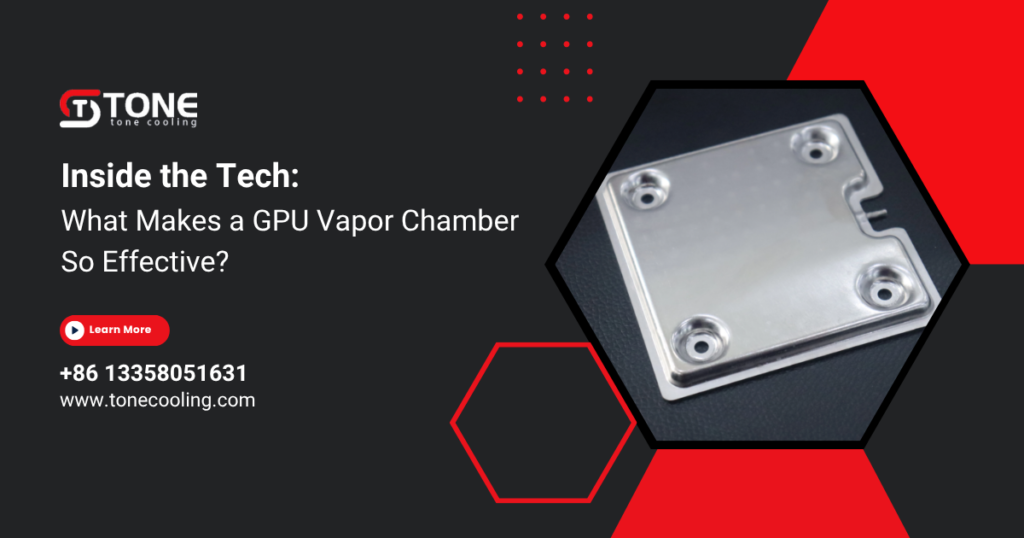
A GPU vapor chamber is a type of advanced thermal solution designed to transfer heat quickly and efficiently away from the GPU die to cooling components like heatsinks and fans. Structurally, it looks like a flat, sealed metal chamber—typically made of copper—with an internal structure engineered for phase-change cooling.
How It Works: The Science of Phase Change
The secret behind a vapor chamber’s performance lies in phase-change heat transfer, which works similarly to heat pipes but with higher efficiency due to a two-dimensional heat spread.
-Evaporation:
Inside the vapor chamber is a small amount of working fluid (often distilled water) and a porous wick structure lining the inner walls. As the GPU generates heat, it causes the working fluid at the heat source to evaporate.
-Vapor Spreading:
The vapor rapidly expands outward across the chamber, carrying the heat over a large surface area.
-Condensation:
The vapor hits the cooler parts of the chamber, usually connected to thermal fins or a heatsink, where it condenses back into liquid form.
-Wicking Return:
Through capillary action, the liquid is pulled back via the wick to the heat source to repeat the cycle continuously, as long as the GPU is active.
This continuous loop of evaporation and condensation allows the vapor chamber to maintain thermal equilibrium, resulting in effective, passive heat dissipation.
Why Are GPU Vapor Chambers So Effective?
Now that we understand the mechanics, let’s explore the specific factors that make a GPU vapor chamber stand out among other thermal management solutions.
1. Rapid Heat Spreading
Unlike traditional heatsinks or copper baseplates, vapor chambers spread heat in two dimensions. This allows them to distribute the heat evenly across the entire contact surface, reducing hot spots and enhancing the thermal contact with cooler components like heat pipes or radiators.
2. Higher Thermal Conductivity
Due to the phase-change mechanism and capillary action, vapor chambers exhibit equivalent thermal conductivity levels several times higher than solid metal (such as copper or aluminum).
3. Thin Yet Powerful
One of the most advantageous characteristics of a GPU vapor chamber is its compact form factor. A vapor chamber usually adds just a few millimeters in thickness, enabling manufacturers to craft slimmer, more space-efficient GPU designs with no sacrifice in performance.
4. Superior Performance at Lower Noise
Because of the vapor chamber’s ability to reduce heat rapidly and evenly, the cooling fans don’t need to work as hard. This leads to quieter GPU operation, which is ideal for both gamers and professional environments.
5. Excellent Integration with Other Cooling Technologies
Vapor chambers pair effortlessly with heat pipes, fins, and fan-based systems, making them a sound addition to hybrid and custom cooling loops.
Anatomy of a GPU Vapor Chamber
Tone Cooling Technology Co., Ltd. engineers its vapor chambers with the following layers and materials:
Outer Shell: Typically made of copper for high thermal conductivity and corrosion resistance.
Wick Material: Often a sintered metal or mesh design, facilitating fluid movement via capillary action.
Vacuum Chamber: The space inside houses the working fluid under low pressure, enabling rapid boiling and condensation.
Working Fluid: Usually distilled water due to its high latent heat capacity and environmental safety.
Each component is precision-engineered to avoid leakage, corrosion, or thermal bottlenecks, ensuring years of seamless operation.
Applications of GPU Vapor Chambers
The use of GPU vapor chambers isn’t limited to gaming cards. Their effectiveness lends them to a wide range of applications across industries:
1. Gaming & Esports
Modern AAA games put tremendous stress on GPUs, often pushing them to 100% load for extended periods. Vapor chambers maintain peak performance without throttling, giving gamers smooth and stable frame rates.
2. Professional Workstations
Designers and 3D artists working with applications like Blender, AutoCAD, and Adobe Suite benefit from quieter operation and sustained performance, especially during rendering or animation sequences.
3. AI and Machine Learning
Deep learning and neural networks heavily utilize the GPU’s tensor and core infrastructure. For data centers and AI servers, Tone Cooling’s vapor chambers stabilize thermal variance and reduce downtime caused by overheating.
4. Industrial & Defense Systems
Industrial environments require high-performance GPUs with fail-proof cooling systems. Vapor chambers, due to their reliability and lack of moving parts, are ideal for maintenance-free operation in demanding ecosystems.
5. Consumer Electronics
Smaller-form-factor GPUs in mini PCs, laptops, and edge devices often use vapor chambers in place of bulkier alternatives. They provide high-power performance within restricted thermal envelopes.
Benefits of Choosing Tone Cooling Technology Co., Ltd
At Tone Cooling Technology Co., Ltd., we bring decades of experience in custom cooling design and thermal optimization for high-end electronics. Our GPU vapor chamber products stand out due to:
Precision copper welding and sealing.
Tailored wick structures optimized for specific GPU profiles.
Ultra-flat surface finishing for superior contact and minimal resistance.
Scalable vapor chamber sizes for all GPU classes (from mobile to data center).
OEM customization options with integration support.
Whether you’re designing a flagship gaming card or a rack-mounted data accelerator, our vapor chambers significantly improve thermal performance while maintaining maximum hardware reliability.
Key Considerations Before Choosing a Vapor Chamber
If you’re planning to upgrade your GPU cooling or to integrate vapor chambers into your product design, keep in mind these considerations:
1. Contact Flatness and Pressure
To ensure optimal heat transfer, the chamber must make full, even contact with the GPU die. Poor flatness can cause thermal resistance and reduce efficiency.
2. Compatibility With Heatsink Design
Ensure the vapor chamber sits beneath a properly-finned heatsink structure that can dissipate the heat effectively, whether through fans, ambient airflow, or liquid cooling.
3. Thermal Load Estimation
Our engineers at Tone Cooling Technology Co., Ltd. can help assess your thermal profile and recommend the right size and structure of vapor chamber suited to your GPU workload.
Maintenance and Longevity
Vapor chambers are sealed systems, which means they require zero maintenance once integrated. Made with high-purity copper and leak-proof seals, they are built to last 5-10 years, depending on operating conditions.
To maximize lifespan:
Avoid exposure to excessive mechanical stress.
Ensure correct mounting pressure and thermal paste application.
Keep surrounding components dust-free to maintain good airflow.
When every degree counts, choosing the right cooling solution can unlock the full potential of your GPU. The GPU vapor chamber remains one of the most effective, efficient, and elegant ways to manage heat at the chip level. Through phase-change technology, compact size, and high performance, vapor chambers have distinguished themselves as essential to modern thermal ecosystems.
FAQs:
Q1: Are vapor chambers better than traditional heatsinks?
Yes, especially for high-performance GPUs. Vapor chambers spread heat more uniformly and efficiently than basic metal heatsinks, allowing better thermal regulation at high loads.
Q2: Do all GPUs use vapor chambers now?
Not all. Entry-level and mid-range GPUs often use simpler air coolers. High-end and flagship GPUs—as well as many laptops—integrate vapor chambers for more robust cooling solutions.
Q3: Can I add a vapor chamber to my existing GPU?
Typically no, as they are custom-fit during the design process of the GPU. However, some enthusiast modders retrofit GPUs with vapor cooling using template kits, but this requires deep technical knowledge.
Q4: How does a vapor chamber differ from a liquid cold plate?
While both use phase change, vapor chambers are passive and require no external plumbing or coolant. Cold plates are part of active liquid cooling loops and include pumps and radiators.
Q5: Can Tone Cooling customize vapor chambers for OEMs or industry?
Absolutely. We specialize in developing tailored thermal solutions, including size modification, wick structure control, and GPU interface integration for partners across industries.
Q6: Are vapor chambers eco-friendly?
Yes. Most chambers use distilled water in low quantities and are made from recyclable metals like copper and stainless steel. Their long lifespan and efficiency also reduce e-waste.
In the rapidly evolving landscape of high-efficiency power electronics, managing heat effectively is one of the greatest engineering challenges. From electric vehicles (EVs) and renewable energy systems to motor drives and industrial automation, today’s power systems rely heavily on IGBT (Insulated Gate Bipolar Transistor) modules to switch and control high voltages and currents. However, with high power density comes high heat generation, posing serious risks to performance, reliability, and component lifespan. That’s where the IGBT cold plate plays a crucial role.
At Tone Cooling Technology Co., Ltd., we specialize in advanced thermal solutions that meet the rigorous demands of modern electronics. Among these, our custom-designed and thoroughly tested IGBT cold plates lead the industry in enabling next-generation power conversion systems.
Whether you’re an electrical design engineer, system integrator, or technical buyer seeking effective thermal control, this article will give you deeper insight into how the IGBT cold plate functions as a cornerstone of efficient thermal management in high-power applications.
Understanding the IGBT and Its Thermal Challenges
What is an IGBT?
An Insulated Gate Bipolar Transistor (IGBT) is a semiconductor device widely used in power electronics for high-efficiency switching. Popular in applications requiring fast switching and high-voltage handling, IGBTs are key components in:
Inverters for electric vehicles (EVs)
Solar and wind power systems
Uninterruptible power supplies (UPS)
Industrial motor drives
Railway traction systems
While IGBTs are highly efficient, they are not immune to one critical constraint: heat. Every time an IGBT switches on or off, energy is lost as heat, particularly at high switching frequencies and under heavy loads.
Why Heat is a Problem
Poor thermal management in IGBT modules can lead to:
Thermal Runaway – Elevated temperatures increase the current flow, which in turn generates more heat, leading to device failure.
Reduced Efficiency – When IGBTs operate beyond their ideal temperature, electrical losses increase.
Component Degradation – Heat stresses solder joints, substrates, and encapsulants, reducing system lifespan.
Limited Performance – To avoid overheating, systems may throttle performance or restrict current, compromising efficiency.
Therefore, thermal management is not just about heat dissipation—it’s a performance enabler.
Enter the IGBT Cold Plate: A Precision Cooling Solution
What is an IGBT Cold Plate?
An IGBT cold plate is a specialized liquid cooling component designed to extract and dissipate heat away from the IGBT modules quickly and efficiently. Placed in direct contact with the IGBT’s baseplate or thermal interface layer, the cold plate channels liquid coolant through internal passages under the heated areas.
Here’s how it generally works:
Heat Transfer Surface – The base of the IGBT is mounted onto the flat surface of the cold plate with thermal interface material (TIM).
Coolant Flow – A liquid (usually water or dielectric fluid) circulates inside internal microchannels or flow paths within the cold plate.
Heat Absorption – The moving liquid absorbs the heat generated by the IGBT.
Heat Rejection – The warmed-up coolant is then directed to a heat exchanger (e.g., radiator or chiller), effectively rejecting the heat into the environment.
Advantages of Using a Cold Plate for IGBT Cooling
Higher Thermal Conductivity – Liquid coolants carry heat far more efficiently than air, enabling much higher power dissipation per unit area.
Compact Size – Liquid cooling allows IGBT assemblies to remain compact without compromising heat removal, ideal for systems with limited space.
Temperature Uniformity – Cold plates maintain consistent temperatures, reducing thermal gradients that cause stress and failure over time.
Performance and Longevity – Adequate cooling preserves IGBT module lifespan, reliability, and overall system uptime.
Silent Operation – Unlike high-speed fans, cold plates enable quieter systems, especially important in electric vehicles and indoor installations.
At Tone Cooling Technology Co., Ltd., we engineer customized IGBT cold plate systems using deep thermal simulation and validation methods to meet exact customer and application requirements.
Types of IGBT Cold Plates
Not all cold plates are created equal. Designs vary based on:
Coolant Type
Flow Direction
Cooling Demand
Mounting Configuration
Here are some of the most common designs:
1. Serpentine Flow Cold Plate
Coolant moves in a single channel winding through the base
Simple and cost-effective
Best for small IGBT module arrays
2. Parallel Microchannel Cold Plate
Fine channels increase surface area for maximum heat transfer
Great for high-density and high-power IGBT setups
Offers low-pressure drop and excellent temperature uniformity
3. Jet Impingement Cold Plate
Narrow liquid jets directly target hot zones under the IGBT
High cooling efficiency under heavy loads
Somewhat more complex and expensive
4. Manifold Cold Plate
Coolant is distributed evenly across multiple zones
Ideal for multi-module cooling
Lower risk of hotspots
At Tone Cooling Technology Co., Ltd., we offer each of these designs and more—to suit your unique thermal challenge.
Design Considerations for Optimal IGBT Cold Plates
Designing an effective IGBT cold plate goes beyond simply creating a metal block with water channels. Several technical parameters require fine-tuned balancing:
1. Thermal Resistance
Lower thermal resistance means better heat evacuation
Influenced by base thickness, channel design, and flow rate
2. Pressure Drop
High pressure drop limits flow and stresses pumps
The goal is to achieve high heat transfer with minimal pressure burden
3. Material Selection
Copper and aluminum are used depending on weight, cost, and conductivity requirements
Surface treatments enhance corrosion resistance and flow efficiency
4. Coolant Compatibility
Compatibility with deionized water, glycol mixes, or dielectric fluids is essential
Chemical stability ensures long-term effectiveness and prevents clogging or corrosion
5. Mechanical Reliability
Cold plates must withstand thermal cycling, vibration, and mechanical stress
Proper gasketing and sealing protect against leaks
Tone Cooling engineers employ CFD simulation, thermal modeling, and real-world testing to meet target specifications for every cold plate.
Industries and Applications Benefiting from IGBT Cold Plates
The global shift toward electrification, automation, and renewable energy has made IGBT cold plates indispensable for many sectors:
1. Electric Vehicles (EVs)
EV power inverters and converters rely on IGBTs for drive systems
Cold plates maintain optimal temperature to prevent power derating
2. Wind and Solar Inverters
Efficient thermal management in inverters ensures stable operation and long-term yield
3. Industrial Motor Drives
Motors running on variable-speed drives generate significant heat through switching losses
Proper cooling enhances accuracy and efficiency
4. HVDC Power Transmission
In HVDC substations, massive IGBT arrays modulate and rectify current
Cold plates ensure redundancy and continuous operation
5. Railway and Mass Transit
In traction systems and dynamic braking, large IGBT modules must remain cool under high power
Why Tone Cooling Technology Co., Ltd. is a Trusted Leader
At Tone Cooling Technology Co., Ltd., we are more than just a manufacturer—we are a thermal engineering partner. Our strengths include:
In-house Design: Custom cold plate layouts matched to your IGBT module specs
Precision Manufacturing: CNC-machined channels, brazed joints, and leak-proof sealing
Testing and Validation: Thermal shock, fatigue, flow, and pressure testing
Materials Expertise: Copper, aluminum, and hybrid materials available
Lifecycle Optimization: Solutions built to withstand harsh environments and long duty cycles
We support not only IGBT cooling but also full liquid loop system integration—including pumps, chillers, heat exchangers, and monitoring systems.
Innovation Runs Cool with IGBT Cold Plates
As power electronic systems become more energy-dense and application-critical, effective cooling becomes the difference between success and failure. A reliable IGBT cold plate is not just a supporting component—it is a core thermal enabler that protects your investment, optimizes system performance, and ensures longevity.
From high-speed trains to wind farms and EVs, the cold plate serves as a silent but powerful partner, tirelessly managing heat under intense operating conditions.
FAQs on IGBT Cold Plates
Q1: What is the typical lifespan of an IGBT cold plate?
A: With proper maintenance and fluid management, the cold plates can last 10–15 years or more, even longer in controlled environments.
Q2: Can IGBT modules be air-cooled instead?
A: Yes, for low to moderate power loads, air cooling may suffice. However, for high-voltage, high-current designs, liquid cooling via a cold plate offers superior thermal performance.
Q3: What coolant should be used in an IGBT cold plate?
A: The most common fluids are deionized water, ethylene glycol-water mixtures, or synthetic dielectric coolants. Coolant choice depends on the application and environmental constraints.
Q4: Are cold plates customizable for any IGBT brand (e.g., Infineon, Fuji, Mitsubishi)?
A: Absolutely! At Tone Cooling, we customize cold plates for all major IGBT module form factors, including 650V, 1200V and 1700V standard baseplate types.
Q5: Do I need a separate pump and heat exchanger to use a cold plate?
A: Yes, cold plates are part of a closed-loop liquid cooling system that includes a reservoir, pump, radiator/heat exchanger, and tubing.
Q6: How is the cold plate attached to the IGBT module?
A: The module is mounted directly using thermal interface material (TIM) and sometimes torqued with screws for enhanced contact. Surface flatness and even pressure are critical.
Q7: Can Tone Cooling provide full turnkey cooling systems?
A: Yes. We offer not just cold plates, but also complete thermal solutions—from system layout and component selection to assembly and support.
In today’s fast-paced business world, utilizing the right tools can make or break project success. For teams looking to streamline collaboration without a hefty upfront investment, free management project software provides an ideal solution. These tools help businesses organize tasks, track progress, and ensure deadlines are met without the complexity or cost of premium platforms. Among the best available options, Live Tecs offers a robust free plan that combines ease of use with essential project management features.
Why Choose Free Management Project Software?
Free management project software is designed to provide essential project planning and tracking capabilities at no cost. It enables startups, small businesses, and even larger teams to manage projects effectively while controlling expenses. The availability of free tools allows organizations to test software functionality before committing to paid versions, reducing risk and improving adoption rates.
Live Tecs stands out in this space by delivering a free tier that supports unlimited users and projects, giving teams the flexibility to grow without immediate cost concerns.
Core Features of Effective Free Project Management Tools
When selecting free management project software, consider the following features essential for productivity:
Task and Workflow Management
Efficient project management begins with breaking down work into manageable tasks. Live Tecs allows users to create, assign, and prioritize tasks with deadlines and status updates, helping teams maintain clarity and focus.
Collaboration and Communication
Successful projects require seamless team communication. Free project management software like Live Tecs includes comment threads, notifications, and file sharing to keep everyone on the same page.
Time Tracking and Reporting
Tracking time spent on tasks helps managers understand resource allocation and project timelines. Live Tecs integrates time tracking with reporting tools, enabling insights into productivity and budget adherence.
Visual Project Planning Tools
Visual aids such as Kanban boards, Gantt charts, or calendars make planning intuitive. Live Tecs offers customizable views, helping teams visualize progress and dependencies.
Benefits of Using Free Management Project Software
Free software eliminates upfront costs, enabling teams to deploy project management capabilities without budget constraints. Live Tecs’ free plan offers rich functionality typically found in paid solutions.
Easy Adoption
Intuitive interfaces encourage user adoption, reducing training time and resistance to change. Live Tecs focuses on simplicity, ensuring that both managers and team members can quickly get started.
Increased Accountability
Task assignments and deadline tracking foster responsibility among team members. With Live Tecs, managers can monitor task completion and follow up on delays promptly.
Improved Project Visibility
Real-time updates and dashboards provide clear insight into project status, enabling proactive adjustments. Live Tecs’ reporting features empower teams to stay on track.
Who Can Benefit from Free Project Management Software?
Free management project software is valuable across industries and team sizes, including:
Startups and Small Businesses: Manage limited resources while scaling operations.
Freelancers and Consultants: Organize multiple clients and projects efficiently.
Remote Teams: Coordinate dispersed team members with cloud-based collaboration.
Nonprofits: Maintain budgets while managing complex initiatives.
Live Tecs’ flexibility makes it a great fit for these diverse user groups, providing scalable project management without upfront financial commitment.
Integrations and Extensions
While free management project software covers essential functions, integration with other tools enhances productivity. Live Tecs supports integrations with popular platforms such as calendar apps, communication tools, and cloud storage, creating a seamless workflow across your tech stack.
Data Security in Free Software
Security remains a priority even with free tools. Live Tecs implements industry-standard encryption, secure user authentication, and role-based access controls to protect sensitive project data, offering peace of mind to businesses of all sizes.
How to Get Started with Live Tecs Free Plan
Starting with Live Tecs is simple and risk-free. No credit card is required, and the unlimited-time free plan includes access to core project management features. Teams can create projects, invite collaborators, and begin organizing tasks immediately.
Conclusion:
Free management project software has become an essential asset for businesses aiming to enhance organization and teamwork without initial investment. Solutions like Live Tecs provide powerful project management features in their free tier, enabling teams to plan, track, and deliver projects efficiently.
As the demand for high-performance computing, gaming, and mobile devices continues to rise, so too does the need for efficient and effective thermal management solutions. Overheating is a critical issue that can lead to performance degradation, system instability, and ultimately, hardware failure. To address these challenges, the cooling industry has seen significant advancements, and one technology in particular has emerged as a leader in the field: copper vapor chambers.
Copper vapor chambers are quickly becoming a dominant force in the thermal cooling revolution, offering a level of heat dissipation that traditional methods simply cannot match. At Tone Cooling Technology Co., Ltd., we are at the forefront of this revolution, developing innovative copper vapor chamber solutions designed to meet the cooling needs of the most demanding systems. From gaming PCs and laptops to servers and smartphones, the versatility and efficiency of copper vapor chambers have made them the preferred choice for modern thermal management.
What is a Copper Vapor Chamber?
At its core, a copper vapor chamber is a highly efficient heat spreader that uses the principles of phase change to manage heat. It consists of a sealed chamber filled with a liquid coolant. The liquid evaporates when the chamber is heated, and the vapor moves away from the heat source. On the other side of the chamber, the heat is released as the vapor condenses, releasing it. The process continues, effectively transferring heat from one chamber to another.
Copper vapor chambers are effective because of the material used, which is copper. Copper is a popular material for heat transfer applications because of its excellent thermal conductivity. Unlike traditional heat sinks or fans, which rely on passive or mechanical methods to dissipate heat, copper vapor chambers take advantage of the liquid-to-vapor phase change to spread heat over a larger surface area and rapidly transfer it away from critical components.
Why Are Copper Vapor Chambers Gaining Popularity?
The rise of copper vapor chambers can be attributed to several factors. As devices become more powerful and compact, traditional cooling methods are often insufficient to meet the increasing thermal demands. Copper vapor chambers offer several unique advantages that make them the go-to solution for modern thermal management needs.
1. Superior Thermal Conductivity
One of the most significant advantages of copper vapor chambers is their exceptional thermal conductivity. Copper is widely regarded as one of the best materials for transferring heat, and when combined with the phase-change technology of vapor chambers, it results in a highly efficient heat dissipation solution. This allows copper vapor chambers to effectively manage the heat generated by high-performance components, such as processors, graphics cards, and memory modules.
2. Space Efficiency
Devices are becoming smaller and more compact as technology develops. Whether it’s a high-performance laptop, a gaming console, or a mobile phone, manufacturers are pushing the boundaries of size and performance. Copper vapor chambers are ideal for these compact devices because they are thin and can be molded to fit the specific form factor of the device. Their ability to provide efficient cooling in tight spaces without taking up valuable room makes them a preferred choice for modern electronics.
3. Enhanced Performance and Stability
With copper vapor chambers, heat is distributed more evenly across the surface, which helps prevent hotspots and ensures that all components remain within their optimal temperature range. This not only enhances performance by preventing throttling, but it also ensures that the system remains stable over long periods of usage. In systems like gaming PCs, servers, or workstations, where high performance is critical, maintaining consistent cooling is essential for long-term stability.
4. Longer Lifespan of Components
Excessive heat can cause significant damage to electronic components over time, reducing their lifespan and leading to costly repairs or replacements. By efficiently managing heat, copper vapor chambers help extend the life of critical components. They are therefore the best option for applications like servers and industrial equipment where longevity and dependability are important.
5. No Moving Parts—Reduced Noise and Maintenance
Unlike traditional cooling methods that rely on fans or pumps, copper vapor chambers are a passive cooling solution that requires no moving parts. This results in quieter operation and reduces the risk of mechanical failure over time. The lack of moving parts also means that copper vapor chambers require less maintenance, making them a more reliable and hassle-free option for users.
6. Scalability for Different Applications
Whether you’re cooling a small smartphone or a large data center server, copper vapor chambers can be customized and scaled to meet the specific needs of the application. Their versatility allows them to be used in a wide range of industries, from consumer electronics to high-performance computing and industrial equipment.
Applications of Copper Vapor Chambers
The versatility of copper vapor chambers makes them suitable for a wide variety of applications across several industries. Let’s explore some of the most common and impactful uses of this technology.
1. High-Performance Gaming PCs and Laptops
Gaming PCs and laptops are known for their demanding hardware requirements, and one of the key challenges in designing these systems is thermal management. Copper vapor chambers provide an efficient and compact solution for cooling the high-performance components in gaming systems, such as the CPU, GPU, and memory. By ensuring that these components remain cool, copper vapor chambers help prevent performance throttling and ensure smooth gameplay.
2. Smartphones and Tablets
As smartphones and tablets become more powerful, the need for effective cooling solutions has never been greater. Copper vapor chambers are increasingly being used in these devices to manage the heat generated by processors, graphics chips, and other components. Their thin, flexible design allows them to be integrated into even the most compact and slim devices, providing efficient cooling without sacrificing performance or design.
3. Data Centers and Servers
In large-scale data centers and server farms, managing heat is crucial to maintaining the stability and reliability of the entire system. Copper vapor chambers are used in server cooling solutions to distribute heat evenly and prevent hotspots from forming. Their passive cooling nature ensures that servers run quietly and efficiently, reducing the need for active cooling methods like fans and air conditioning.
4. Automotive and Electric Vehicles
Copper vapor chambers are also being used for thermal management in the automotive industry, particularly electric vehicles (EVs). As EVs and autonomous vehicles rely heavily on advanced electronics and high-performance computing, keeping these systems cool is essential for safety and reliability. Copper vapor chambers are used to cool batteries, motors, and other components, ensuring that the vehicle operates at optimal temperatures.
5. Industrial Equipment
Industrial equipment, especially that used in high-temperature environments, can benefit greatly from the use of copper vapor chambers. Their ability to efficiently manage heat makes them ideal for cooling heavy machinery, power supplies, and other critical components in industries such as manufacturing, aerospace, and telecommunications.
The Future of Copper Vapor Chambers
As technology continues to evolve, the role of copper vapor chambers in thermal management will only grow. The increasing demand for high-performance computing, mobile devices, and energy-efficient systems means that cooling solutions must continue to advance. Copper vapor chambers are well-positioned to meet these demands due to their superior performance, efficiency, and versatility.
In the future, we can expect further advancements in copper vapor chamber technology, including the development of more advanced materials, improved manufacturing techniques, and even greater customization options. These innovations will make copper vapor chambers even more efficient, allowing them to keep up with the ever-growing thermal demands of modern electronics.
The rise of copper vapor chambers marks a significant milestone in the evolution of thermal management technology. With their exceptional heat dissipation, space efficiency, and reliability, copper vapor chambers are rapidly becoming the preferred choice for cooling high-performance systems across a wide range of industries. From gaming PCs to smartphones, servers, and even automotive applications, copper vapor chambers are paving the way for the future of cooling technology.
At Tone Cooling Technology Co., Ltd., we are dedicated to providing cutting-edge copper vapor chamber solutions that meet the evolving needs of our customers. We are dedicated to setting the standard for innovation and making sure that our clients stay ahead of the curve in the thermal cooling revolution, as the need for more potent and effective cooling systems keeps growing.
FAQs
1. What is a copper vapor chamber?
A highly effective thermal management solution uses the phase change of liquid to vapor to transfer heat. It utilizes copper, a material with excellent thermal conductivity, to spread heat evenly across a surface and maintain optimal component temperatures.
2. How do copper vapor chambers work?
Copper vapor chambers work by circulating a liquid coolant inside a sealed chamber. The liquid evaporates and moves away from the heat source when heat is introduced to the chamber. On the other side, the vapor condenses, releasing heat and keeping the temperature constant.
3. What are the advantages of copper vapor chambers?
Copper vapor chambers offer superior thermal conductivity, space efficiency, enhanced performance, and longer component lifespan. They are also quieter, require less maintenance, and can be customized for various applications.
4. Where are copper vapor chambers used?
Copper vapor chambers are used in a wide range of applications, including gaming PCs, laptops, smartphones, servers, data centers, automotive systems, and industrial equipment.
5. Why are copper vapor chambers becoming the preferred choice for cooling?
Copper vapor chambers are becoming the preferred choice due to their efficient heat dissipation, space-saving design, and ability to keep components at optimal temperatures, ensuring reliable performance and longevity.
Manufacturing is transforming. As industries seek faster, more efficient, and cost-effective production methods, new technologies are stepping up to meet the demand. One such revolutionary innovation is the Pressure Thermoforming Machine, a game-changing solution that is redefining the way plastic components are produced.
From automotive parts to medical device casings, pressure thermoforming machines offer high precision, faster production cycles, and lower costs compared to traditional molding methods. Unlike vacuum thermoforming, which relies solely on suction, pressure thermoforming applies additional pressure to form intricate, high-detail plastic components with superior strength and durability.
As businesses strive to improve efficiency and sustainability, selecting the right manufacturing equipment becomes crucial. Shanghai Zhanshi Mechanical Equipment Co., Ltd. stands out in this regard. With years of expertise in thermoforming technology, they provide state-of-the-art solutions designed to enhance productivity and precision in various industries.
Understanding Pressure Thermoforming Machines
What is a Pressure Thermoforming Machine?
A pressure thermoforming machine is a specialized manufacturing system that shapes plastic sheets into precise, high-quality parts using heat and compressed air. It differs from standard vacuum thermoforming by applying additional pressure, ensuring better material distribution, enhanced detail, and improved structural integrity.
How Does Pressure Thermoforming Work?
The pressure thermoforming process consists of the following steps:
Heating the Plastic Sheet: The raw plastic sheet is heated to its forming temperature.
Molding Under Pressure: The heated sheet is placed over a mold, and compressed air is applied to press the material tightly against the mold surface.
Cooling and Solidification: The shaped plastic is cooled rapidly to retain its precise form.
Trimming and Finishing: Excess material is trimmed, and the final product is polished or modified as needed.
Key Advantages of Pressure Thermoforming Machines
-High Precision and Detail in Forming
Compared to vacuum thermoforming, pressure thermoforming allows for finer details, making it ideal for complex designs.
-Cost-Effective for Medium and Large-Scale Production
Lower tooling costs make it a preferred choice over injection molding, especially for medium production runs.
-Faster Production Speeds Compared to Injection Molding
Since molds are easier to create and modify, production cycles are shorter, allowing businesses to scale efficiently.
-Versatility in Material Usage
Supports a wide range of thermoplastics, including ABS, PET, PVC, and polycarbonate, making it suitable for diverse applications.
Industrial Applications of Pressure Thermoforming Machines
-Automotive Industry
Manufacturing lightweight, durable dashboard panels and interior components.
-Medical and Healthcare Industry
Producing sterile and intricate casings for medical devices.
-Packaging and Consumer Goods
Creating custom packaging solutions with superior aesthetics and durability.
-Aerospace and Electronics
Crafting heat-resistant and impact-resistant plastic parts for critical applications.
Choosing the Right Pressure Thermoforming Machine for Your Needs
Factors to Consider When Selecting a Machine
Production volume and complexity of parts.
Material compatibility to ensure efficiency.
Automation features for increased productivity.
Comparing Pressure Thermoforming vs. Vacuum Thermoforming
Pressure thermoforming provides higher detail and strength.
Vacuum thermoforming is more suited for simple designs.
The Importance of Choosing a Reliable Manufacturer
A reputable manufacturer ensures precision engineering, long-lasting performance, and robust after-sales support.
Shanghai Zhanshi Mechanical Equipment Co., Ltd.: Leading the Thermoforming Revolution
As a pioneer in thermoforming solutions, Shanghai Zhanshi Mechanical Equipment Co., Ltd. delivers top-quality pressure thermoforming machines designed to meet modern manufacturing demands. Their expertise in automation, energy efficiency, and cutting-edge design makes them a preferred choice for industries worldwide.
The future of manufacturing is all about precision, efficiency, and cost savings. Pressure thermoforming machines have emerged as a transformative technology, enabling businesses to produce high-quality plastic components with speed and accuracy. As industries move toward more sustainable and automated solutions, choosing the right machine—and the right manufacturer—becomes essential.
For businesses looking to stay ahead in manufacturing innovation, Shanghai Zhanshi Mechanical Equipment Co., Ltd. offers state-of-the-art pressure thermoforming machines that promise durability, efficiency, and superior performance.
FAQs
What materials can be used in pressure thermoforming machines?
Common materials include ABS, PET, PVC, and polycarbonate.
How does pressure thermoforming compare to injection molding?
It is faster and more cost-effective for medium production runs.
What industries benefit the most from pressure thermoforming?
Automotive, medical, packaging, and electronics industries.
How does automation improve thermoforming efficiency?
Automation reduces labor costs and increases production speed.