In today’s world, protecting buildings, vehicles, and equipment from the elements is essential to maintaining structural integrity and energy efficiency. One of the most effective and versatile solutions in weatherproofing and sealing applications is the self adhesive rubber strip. This innovative product combines the resilience of rubber with the convenience of self-adhesion, offering a simple yet highly effective way to address common issues like drafts, water ingress, dust, and noise.
At Qingdao Seashore Industrial Co., Ltd., we specialize in manufacturing premium self adhesive rubber strips engineered to meet the rigorous demands of modern construction, automotive, and industrial sectors. Our products are designed not only to provide a tight seal but also to enhance durability and overall performance under various environmental stresses.
Understanding the benefits of using self adhesive rubber strips is crucial for contractors, manufacturers, and end-users alike. From ease of installation and superior sealing capabilities to long-term cost savings and environmental advantages, the advantages of this sealing solution are numerous and compelling.
In this comprehensive article, we will delve into the various benefits of using self adhesive rubber strips for weatherproofing and sealing. We will also explore the different types and applications of these strips, highlight key features to consider when selecting the right product, and answer frequently asked questions to help you make an informed purchasing decision. Whether you are retrofitting an old building or designing a new project, this guide will serve as your go-to resource for everything related to self-adhesive rubber sealing strips.
Weatherproofing and sealing are fundamental to protecting any enclosed space from external elements. Traditional sealing methods can be time-consuming, messy, and sometimes ineffective over time due to wear and tear.
This is where the self adhesive rubber strip excels by providing:
Excellent adhesion: The built-in adhesive layer enables quick and secure application on varied surfaces without additional tools or materials.
Superior sealing: The rubber material creates a flexible, airtight, and watertight barrier that adapts to surface irregularities.
Durability: Resistant to UV radiation, ozone, temperature extremes, moisture, and chemicals, these strips maintain integrity in harsh conditions.
User-friendly application: Peel-and-stick installation reduces labor costs, minimizes error, and ensures a clean finish.
Versatility: Suitable for doors, windows, HVAC ducts, automotive trims, electrical panels, and more.
What You Will Learn in This Article?
In-depth benefits of self adhesive rubber strips in sealing and weatherproofing
Various materials and types available in the market
Common industrial and residential applications
Important selection criteria to ensure optimal performance
Installation best practices and maintenance tips
Environmental and economic advantages Detailed FAQ to address common concerns and enhance understanding By the end of this article, you will have a comprehensive understanding of why self adhesive rubber strips are a smart investment for your sealing and weatherproofing needs, backed by qualities that ensure lasting protection and efficiency.
1. Introduction: The Growing Importance of Effective Weatherproofing Impact of weather elements on infrastructure The role of sealing solutions in energy conservation and durability
2. Key Benefits of Self Adhesive Rubber Strip a. Superior Adhesion and Ease of Installation Comparison with traditional sealing methods Time and labor savings b. Enhanced Weather Resistance and Durability UV resistance, temperature tolerance, and ozone resistance Longevity in different environments (urban, coastal, industrial) c. Excellent Flexibility and Adaptability Ability to conform to irregular surfaces and maintain a secure seal Vibration and shock absorption features d. Energy Efficiency and Cost Savings Reducing air leaks and thermal bridging Lower energy bills and carbon footprint e. Noise Reduction Capabilities Soundproofing benefits in residential and automotive applications
3. Types of Self Adhesive Rubber Strips and Their Materials EPDM rubber strips Silicone rubber strips Neoprene and nitrile rubber options Differences in properties and ideal uses
4. Applications of Self Adhesive Rubber Strip Across Industries Building and construction (windows, doors, façades) Automotive and transportation (door seals, trims) Electrical equipment sealing HVAC systems and duct sealing Marine and aerospace uses
5. How to Select the Right Self Adhesive Rubber Strip Surface compatibility and preparation Environmental conditions and exposure considerations Thickness, width, and hardness Adhesive type and strength Compliance with industry standards and regulations
6. Installation Best Practices and Maintenance Surface cleaning and preparation tips Application techniques for durable adhesion Avoiding common mistakes Periodic inspection and replacement guidelines
7. Environmental and Economic Impact Sustainable production methods Recyclability and eco-friendly materials Lifecycle cost analysis
8. FAQ Section Q1: What surfaces can I apply self adhesive rubber strips on? A1: They adhere well to smooth, clean surfaces such as metal, glass, plastic, painted wood, and many coated materials.
Q2: How long does the adhesive last? A2: High-quality adhesives can maintain strong bonding for 5-10 years, depending on environmental exposure and surface conditions.
Q3: Are self adhesive rubber strips waterproof? A3: Yes. When properly installed, they create an effective watertight seal that prevents moisture ingress.
Q4: Can the strips be used outdoors? A4: Absolutely, especially those made from UV and ozone resistant materials like EPDM.
Q5: How thick should the rubber strip be for effective sealing? A5: Thickness varies by application but typically ranges from 1 mm to 6 mm to balance flexibility and durability.
Q6: Are self adhesive rubber strips reusable? A6: No. Once applied and adhered, they are designed for permanent use, though replacement is possible if removed carefully.
Q7: What temperature ranges can these strips withstand? A7: Depending on material, many can endure temperatures from -40°C to 120°C or more.
Q8: How fast can I install self adhesive rubber strips? A8: Installation can be completed quickly—often within minutes per strip—without the need for curing or drying time.
Conclusion
Choosing the right weatherproofing and sealing solution is vital for protecting your assets and enhancing operational efficiency. The self adhesive rubber strip from Qingdao Seashore Industrial Co., Ltd. represents an exceptional choice, combining performance, durability, and ease of use. Our products are tailored to meet diverse industrial and residential needs, helping you safeguard against weather-related damages and improve energy efficiency.
Weatherproofing your space—whether it’s your home, office, factory, or vehicle—no longer requires cumbersome, time-consuming processes or specialized skills. With the advancement of modern sealing technologies, an innovative product is quickly becoming the top choice for both professionals and DIY enthusiasts: the self adhesive rubber strip. At Qingdao Seashore Industrial Co., Ltd., we’ve seen firsthand how this simple yet highly effective solution is transforming the way people safeguard against drafts, leaks, dust, noise, and even insects.
Why Is Weatherproofing So Important?
Let’s set the stage: weatherproofing isn’t just about comfort. It’s about energy efficiency, safety, durability, and savings. Gaps around doors, windows, or equipment panels can allow moisture, cold drafts, heat, dust, and even noise pollution to penetrate your space. Over time, these intrusions can raise your energy bills, damage sensitive equipment, cause wood rot or rust, and even jeopardize health and productivity.
In fact, energy statistics reveal that inefficient seals can account for 20–30% of heating and cooling losses in buildings. For manufacturers and logistics companies, unsealed enclosures and doors can let in dust or water, leading to equipment failure, spoiled inventory, and downtime. By deploying effective weatherproofing products, you can immediately reduce costs, protect valuables, and maintain a comfortable, stable environment all year round.
What Is a Self Adhesive Rubber Strip?
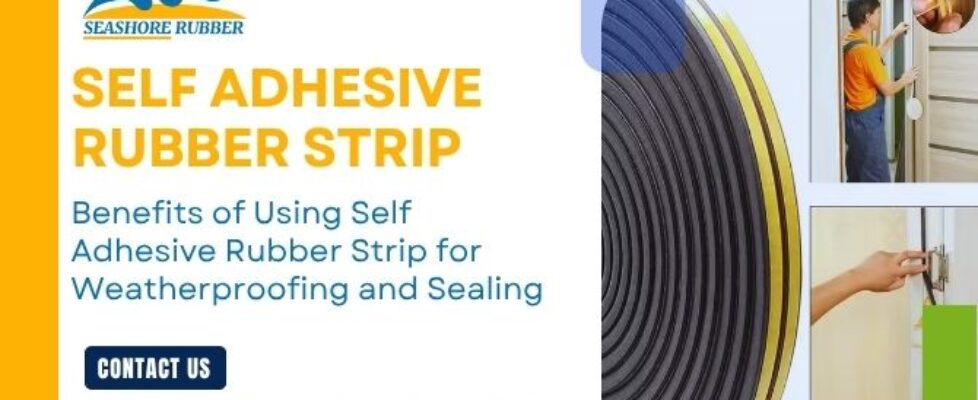
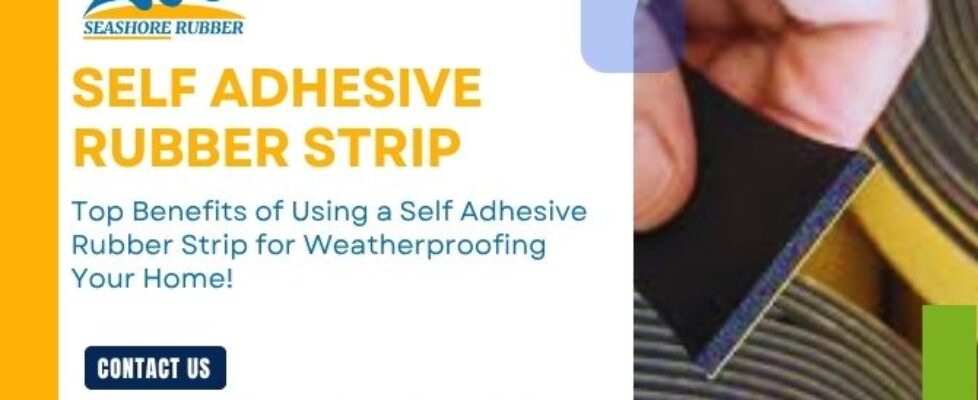
A self adhesive rubber strip is an extruded length of flexible rubber material, typically supplied in rolls, with a specially-formulated pressure-sensitive adhesive layer on one side. This layer is covered by a peel-away backing. To use, simply measure and cut the strip to length, peel off the backing, and press the strip in place on the desired surface. No additional fasteners, clamps, or liquid adhesives are needed.
The result is an instant, tight seal that contours to varied substrate surfaces and tolerates moderate movement. Self adhesive rubber strips are available in many profiles, sizes, and material compositions to suit a wide range of applications—from gap sealing and insulating to vibration damping and noise reduction.
The Secret Advantages of Self Adhesive Rubber Strip
1. Ease and Speed of Installation Traditional weatherproofing methods often require caulking guns, screws, nails, or time-consuming preparations. In contrast, a self adhesive rubber strip can typically be installed by anyone, in just minutes. Simply cut, peel, and stick. This simplicity is especially ideal for quick repairs or last-minute weatherproofing before a season change or a storm.
2. Versatile Applications From residential and commercial to industrial and automotive, a self adhesive rubber strip adapts to countless scenarios. It seals gaps in doors, windows, hatches, machinery panels, shipping containers, electrical cabinets, air conditioners, refrigerators, and more. Its ability to bond with wood, metal, glass, plastics, and painted surfaces makes it widely compatible.
3. Strong and Lasting Adhesion High-quality self adhesive rubber strips, like those from Qingdao Seashore Industrial Co., Ltd., utilize pressure-sensitive adhesives that provide a long-term bond. Once set, these seals resist detachment from vibration, movement, or temperature fluctuations common in doors and mechanical panels.
4. Flexible, Conforming Seal Thanks to the flexibility of rubber foam or solid rubber profiles, these strips create an effective barrier even on uneven or irregular surfaces. Whether sealing an old wooden door frame or a curved automotive hatch, you get a continuous, gap-free seal.
5. Customization and Range Self adhesive rubber strips are available in many shapes—D-shaped, P-shaped, E-shaped, flat, or tubular—as well as various thicknesses, widths, densities, and colors. This means you can find the perfect match for your specific gap or insulation requirement.
6. Multi-Functional: Insulation, Cushioning, and Damping Besides blocking out water, air, dust, and insects, a self adhesive rubber strip also offers thermal insulation, aids in soundproofing, and acts as a vibration damper—making it a multi-purpose upgrade in homes, vehicles, and machinery.
7. Cost and Time Savings Because installation is so rapid and requires no specialist labor or equipment, you save on both upfront project costs and ongoing maintenance. The material itself is affordable, and with fewer callbacks or replacements, overall expenses remain low.
Key Applications of Self Adhesive Rubber Strip
Let’s delve into practical uses to illustrate why this product is so universally praised.
1. Doors and Windows The most popular use case is sealing gaps in exterior and interior doors and windows. A self adhesive rubber strip prevents cold drafts in winter, keeps cool air inside in summer, and blocks dust and insects all year round.
2. Automotive Sealing Vehicles face constant vibration, temperature swings, and exposure to the elements. Self adhesive rubber strips can weatherproof trunk lids, doors, sunroofs, and windows—reducing road noise and preventing leaks.
3. Industrial Enclosure and Panel Sealing Electrical panels, control cabinets, and server racks must remain dust- and moisture-free. Applying self adhesive rubber strips around access panels creates a strong, reliable seal—protecting equipment against adverse conditions.
4. Marine and RV Applications Boats, yachts, and motorhomes require mobile weather sealing that withstands movement, water spray, and UV exposure. Self adhesive rubber strips seal hatches, windows, and storage compartments.
5. Household Appliances Many refrigerators, air conditioners, washing machines, and ovens have factory-applied rubber seals. When these wear out, a self adhesive rubber strip offers a universal, cost-effective replacement that restores performance.
6. Warehouse and Garage Doors Gaps under or around industrial doors are a serious source of energy leakage and pest ingress. Heavy-duty self adhesive rubber strips form a tough, durable barrier for warehouses, workshops, and loading docks.
7. Furniture and DIY Projects From soft close edges on cabinetry to vibration dampening pads under furniture, these strips are equally useful in domestic crafting and repair work.
Types and Materials of Self Adhesive Rubber Strips
Different applications may require different material choices. Common options include:
EPDM: Best-in-class for weather, UV, and ozone resistance. Remains flexible over wide temperature ranges—ideal for outdoor use.
Neoprene: Offers excellent resilience, oil resistance, and durability—preferred in industrial and marine situations.
Silicone: Superior heat resistance and ideal for temperature extremes or food-related applications.
PVC: Economical and suitable for basic indoor weather sealing.
Most self adhesive rubber strips are available in closed-cell foam, which doesn’t absorb water and provides added cushioning and insulation. Solid rubber profiles are deployed where strength and durability are paramount.
Choosing the Right Self Adhesive Rubber Strip
When selecting the perfect product, consider the following factors:
Gap Size: Measure the width and depth of the gap to match with the proper profile.
Surface Type: Ensure compatibility with substrate material.
Exposure Conditions: UV, moisture, chemicals, or temperature extremes may dictate material choice.
Compression Requirements: Choose the density and profile for proper sealing under typical pressures.
Appearance: Choose color and profile for aesthetics, especially for visible applications.
Qingdao Seashore Industrial Co., Ltd. can recommend or custom-manufacture strips optimized for your needs. Our products undergo rigorous testing for adhesion, resilience, and longevity.
How to Install a Self Adhesive Rubber Strip: Step-by-Step Guide?
1. Preparation:
Clean and dry the surface thoroughly.
Remove any old adhesive, dust, oil, or loose paint. Alcohol wipes or gentle cleaners work best.
2. Measuring and Cutting:
Measure the length of the gap accurately.
Cut the self adhesive rubber strip to size using sharp scissors or a utility knife.
3. Application:
Peel off a short section (10–20 cm) of the backing paper to start.
Position the strip, then press it firmly to the surface, gradually peeling and sticking as you go.
Use even pressure to avoid bubbles or gaps.
4. Finishing:
If joining pieces, overlap or butt the ends tightly.
Once fully applied, rub down the strip with a soft roller or your fingers to maximize adhesion.
Avoid excessive handling or movement of the sealed area for the first 24 hours to allow the adhesive to set.
Pro Tip: For corners or curves, gently stretch the rubber strip to match the contour, but avoid over-stretching which can compromise the seal’s longevity.
Maintenance and Longevity
Self adhesive rubber strips are low-maintenance by design:
Inspect periodically for loosening, detachment, or wear—especially in high-movement or high-traffic areas.
Clean the surface gently with a damp cloth. Avoid harsh chemicals or abrasive pads.
If a section is damaged, simply peel it off and replace with a fresh length.
High-quality adhesive formulations, like those offered by Qingdao Seashore Industrial Co., Ltd., ensure years of performance. In well-installed scenarios, many strips can last upwards of 5–10 years even under moderate UV and moisture exposure.
Environmental Benefits
A less obvious benefit is the contribution to energy conservation and sustainability. By efficiently sealing your space, you minimize heating and cooling waste. This results in lower carbon emissions and less environmental impact. Most self adhesive rubber strips are also non-toxic and can be manufactured from recyclable compounds such as EPDM.
Cost Comparison: Why Self Adhesive Rubber Strips Are a Great Investment
Let’s look at the big picture: what do you save?
Labor Cost: No need for skilled installers—cut, peel, and stick.
Material Cost: Rolls are inexpensive, especially compared to caulking or custom gasket fabrication.
Energy Savings: Tighter seals mean lower utility bills.
Repair Savings: Prevent damage from leaks or drafts before they become costly issues.
A little investment in self adhesive rubber strips can repay itself hundreds of times over in protection and efficiency.
Common Mistakes to Avoid
Not Cleaning the Surface Properly: Even the best adhesive won’t bond on greasy, dirty, or dusty surfaces.
Using the Wrong Profile: Oversized strips may not compress fully, under-sized strips may not seal.
Ignoring Material Compatibility: Using indoor-grade PVC in harsh outdoor conditions leads to rapid failure.
Improper Storage: Keep unused strips in cool, dry places away from sunlight to maintain adhesive potency.
In today’s fast-paced world, efficiency, simplicity, and reliability are more sought after than ever in facility maintenance, construction, and DIY improvements. The self adhesive rubber strip stands at the intersection of these values, providing a universally-applicable, quick, and effective route to weatherproofing and gap sealing across countless scenarios. Frequently Asked Questions (FAQ)
Q1: Where can I use a self adhesive rubber strip?
A: Self adhesive rubber strips can be used anywhere you need to seal a gap, dampen vibration, prevent air/water/dust ingress, or add thermal insulation. This includes doors, windows, cabinets, vehicles, appliances, machinery, and more.
Q2: How long will a self adhesive rubber strip adhere and provide effective sealing?
A: With proper surface preparation and installation, and under normal conditions, top-grade self adhesive rubber strips typically last 5–10 years. Lifespan may be shortened by extreme UV, heat, or frequent movement but high-quality EPDM-based strips resist aging very well.
Q3: Can I install a self adhesive rubber strip myself, or do I need a professional?
A: One of the main advantages is easy DIY installation—no need for special tools, skills, or training. Just measure, cut, peel, and stick.
Q4: What’s the difference between open-cell and closed-cell self adhesive rubber strips?
A: Closed-cell foams are water-resistant and suitable for weatherproofing. Open-cell foams may absorb moisture, so they’re mostly used for sound or vibration absorption where moisture is not a concern.
Q5: Is a self adhesive rubber strip suitable for outdoor use?
A: Yes, as long as you choose a product formulated for outdoor conditions, such as our EPDM or neoprene foam strips. Always check manufacturer specifications for UV and weather resistance.
Q6: Can I remove and reposition a self adhesive rubber strip once it’s installed?
A: The strip can be gently peeled off soon after initial placement (within minutes). However, after hours or days, the adhesive bond becomes very strong and removal may damage the strip or substrate. For best results, position it correctly from the start.
Q7: Are there color and size options for self adhesive rubber strips?
A: Absolutely! At Qingdao Seashore Industrial Co., Ltd., we offer a range of widths, thicknesses, profiles, and colors—including custom options for large orders or special applications.
Q8: How can I restore adhesion if the strip starts to peel off?
A: For small sections, a dab of contact adhesive can sometimes re-secure it. However, for best performance and safety, replace the compromised strip with a new one.
Q9: Is a self adhesive rubber strip safe for use in kitchens or near food?
A: Food-grade silicone or EPDM rubber strips are available for such environments. Always check the product specifications and request food-safe certification if needed.
Q10: Can I use a self adhesive rubber strip in high-temperature areas like ovens or heater doors?
A: High-temperature silicone-based strips are suitable for this purpose. Standard EPDM or PVC strips are not recommended for continuous high-heat exposure.
Q11: What should I do if the self adhesive rubber strip gets dirty?
A: Wipe with a damp cloth and mild detergent if necessary. Do not scrub harshly or use solvents, which may degrade the adhesive or rubber.
Q12: How do I order the right self adhesive rubber strip for my project?
A: Contact Qingdao Seashore Industrial Co., Ltd. with your application details. Our experts will recommend the right profile, material, and thickness for your requirements.
When it comes to keeping your home comfortable, energy‑efficient, and protected from the elements, weatherproofing is one of the smartest investments you can make. Yet, many homeowners still rely on outdated or incomplete solutions—leaving gaps around doors, windows, and other openings that quietly drain money and compromise comfort. This is where a simple but highly effective product can make a remarkable difference: the self adhesive rubber strip.
In recent years, self adhesive rubber strips have become a go‑to choice for both homeowners and professionals who want a fast, durable, and economical way to seal gaps and stop unwanted air, moisture, and noise. These unobtrusive strips may look simple, but they are engineered to deliver long‑lasting performance under a wide range of conditions. Moreover, they are easy enough to install without specialist tools or advanced DIY skills.
As a specialized manufacturer and supplier of rubber sealing solutions, Qingdao Seashore Industrial Co., Ltd. has seen firsthand how the right weatherproofing products can transform a property. From reducing heating and cooling costs to improving indoor comfort and extending the life of doors and windows, the advantages of using a self adhesive rubber strip go far beyond basic draft prevention.
Why Weatherproofing Your Home Matters More Than Ever?
It is important to understand why weatherproofing should be a priority.
First, energy prices are rising in many parts of the world. Poorly sealed homes lose heated or cooled air through tiny cracks and gaps, forcing HVAC systems to work harder and consume more energy. Even a small gap around a door or window can lead to significant energy losses over the course of a year.
Second, modern homeowners are increasingly focused on indoor comfort and air quality. Drafts, cold spots, and uncontrolled moisture ingress do more than lower comfort levels—they can also create an environment where mold, condensation, and structural deterioration become more likely.
Finally, there is the issue of sustainability. Reducing energy waste is one of the easiest ways to lower a home’s carbon footprint. Weatherproofing is a relatively low‑cost intervention that can deliver long‑term environmental and financial benefits.
Therefore, a robust and well‑planned weatherproofing strategy is not a luxury; it is an essential component of a modern, efficient home. Among the various tools and materials available for this purpose, the self adhesive rubber strip stands out as one of the most practical and efficient.
What Is a Self Adhesive Rubber Strip?
A self adhesive rubber strip is a flexible sealing material made from rubber (often EPDM, silicone, or other synthetic compounds) with a pressure‑sensitive adhesive backing. This adhesive layer is protected by a removable liner. Once the liner is peeled off, the strip can be pressed directly onto a clean surface—such as a door frame, window sash, or other building component—where it adheres firmly and creates an effective seal.
Key Characteristics
Self‑adhesive backing The adhesive layer enables quick installation without separate glues, screws, or fasteners.
Flexible rubber material The rubber can compress and expand slightly to accommodate movements, gaps, and thermal expansion in building components.
Available in various profiles and sizes Self adhesive rubber strips come in different shapes (D‑shape, P‑shape, E‑shape, flat strips, hollow sections, etc.) and dimensions to suit different gap sizes and applications.
Weather‑resistant formulation High‑quality strips, such as those designed and manufactured by Qingdao Seashore Industrial Co., Ltd., are formulated to withstand UV exposure, temperature fluctuations, humidity, and general wear and tear.
Because of these characteristics, self adhesive rubber strips are versatile and can be applied not only in residential homes but also in commercial buildings, vehicles, marine applications, and industrial settings.
Top Benefits of Using a Self Adhesive Rubber Strip for Weatherproofing
Now that we understand what a self adhesive rubber strip is, let us look in detail at the main benefits it offers when used to weatherproof your home.
1. Enhanced Energy Efficiency and Lower Utility Bills
One of the most significant advantages of applying a self adhesive rubber strip around doors, windows, and other openings is the improvement in energy efficiency. Even minor gaps can act as pathways for warm air to escape in winter or cool air to leak out in summer. Consequently, your heating and cooling systems must compensate, consuming more energy and driving up utility bills.
By sealing these gaps:
Warm indoor air is better contained during cold weather.
Cooled air from air conditioning remains inside during hot weather.
Drafts are reduced, resulting in less temperature fluctuation.
Over time, this enhanced thermal performance translates into noticeable energy savings. Furthermore, reducing the load on HVAC systems can extend their lifespan and reduce maintenance costs.
2. Improved Indoor Comfort and Draft Reduction
In many homes, certain rooms feel colder or hotter than others, even when the thermostat is set correctly. Often, this is due to the presence of unsealed gaps that let outside air infiltrate. A strategically placed self adhesive rubber strip can significantly reduce these drafts.
When applied around:
Exterior doors – It helps to prevent cold air from seeping in at the threshold or along the frame.
Windows – It closes off the small gaps that often appear as frames age or shift.
Attic hatches or loft doors – It acts as a barrier to prevent unconditioned air from entering living spaces.
As a result, occupants experience a more stable indoor temperature and fewer “cold spots” or uncomfortable drafts. This leads to a more pleasant and consistent living environment, particularly in rooms that are frequently used, such as living areas, bedrooms, and home offices.
3. Effective Protection Against Moisture and Rain Ingress
Beyond air leakage, gaps around doors and windows can also allow water infiltration during heavy rain or wind‑driven storms. Over time, moisture can cause damage to wood frames, promote mold growth, and deteriorate interior finishes.
A high‑quality self adhesive rubber strip provides a water‑resistant barrier that helps prevent rainwater and moisture from entering through vulnerable joints. When installed correctly, it:
Redirects water away from joints and seams.
Reduces the likelihood of rot and swelling in wooden components.
Minimizes the risk of mold and mildew caused by persistent dampness.
In this way, weatherproofing with self adhesive rubber strips contributes directly to the long‑term durability of your home’s exterior envelope.
4. Superior Noise Reduction and Acoustic Comfort
While weatherproofing is often discussed in terms of temperature and moisture control, it is also closely connected to acoustic comfort. Exterior noise from traffic, neighbors, or environmental sources often travels through the same small gaps that allow air and drafts to pass.
When you seal these gaps with a self adhesive rubber strip, you:
Close off direct paths for sound waves to enter.
Add a soft, resilient barrier that helps dampen vibration and noise.
Enhance overall acoustic insulation, particularly around doors and windows.
Consequently, indoor spaces become quieter, making them more suitable for rest, work, and concentration. This is especially valuable in urban environments or homes located near busy roads, railways, or industrial zones.
5. Easy, Clean, and Fast Installation
Many homeowners are hesitant to undertake weatherproofing projects because they believe the process will be complex or require specialized installation. However, a self adhesive rubber strip is specifically designed to simplify the process.
Installation typically involves:
Cleaning the surface to remove dust, oil, and loose paint.
Measuring and cutting the strip to the required length.
Peeling off the protective backing to expose the adhesive.
Positioning the strip and pressing it firmly in place.
This straightforward approach eliminates the need for nails, screws, or liquid adhesives. Additionally, it helps avoid drilling into frames or surrounding walls, thereby reducing both mess and potential damage. As a result, even individuals with limited DIY experience can achieve professional‑looking outcomes with minimal tools and time.
6. Versatility Across Multiple Applications
Another major benefit of self adhesive rubber strips is their versatility. They are not limited to just doors and windows. On the contrary, they can be used in a wide variety of weatherproofing and sealing tasks around the home.
For example, a self adhesive rubber strip can be applied to:
Sliding glass doors and patio doors To reduce air leakage and improve thermal performance.
Garage doors To enhance sealing at the bottom and sides, thereby limiting dust, pests, and drafts.
Attic access doors or hatches To prevent air movement between conditioned spaces and unconditioned attics.
Cabinets or storage rooms exposed to exterior walls To reduce condensation and keep stored items dry.
Basement windows or vents To protect against cold air, moisture, and insects.
Because these strips are flexible and come in various shapes and dimensions, they can also be adapted for certain non‑residential or semi‑industrial uses, such as sealing container doors, small sheds, or equipment enclosures.
7. Long‑Lasting Durability and Weather Resistance
A key factor that determines whether a weatherproofing product is cost‑effective is how long it lasts under real‑world conditions. High‑quality self adhesive rubber strips—such as those engineered by Qingdao Seashore Industrial Co., Ltd.—are designed to withstand:
Temperature extremes They remain flexible and functional in both hot summers and cold winters.
UV radiation Advanced formulations resist cracking, chalking, and degradation caused by sunlight.
Moisture and humidity They do not easily absorb water, which reduces the risk of swelling, mold, or adhesion loss.
Mechanical wear Compression and decompression cycles (such as opening and closing doors) are taken into account during design and material selection.
Therefore, once installed correctly, the strips can provide many years of reliable service without frequent replacement. This durability enhances the long‑term value of the initial investment.
8. Enhanced Dust, Pollen, and Pest Control
Weatherproofing is not only about temperature and water; it also concerns the contaminants that gain access through unsealed openings. Tiny gaps around doors and windows are common entry points for:
Dust and fine particles
Pollen and outdoor allergens
Small insects and other pests
By closing these pathways with a self adhesive rubber strip, you reduce the amount of dust and allergens entering the home. In addition, you diminish the likelihood of insects finding their way indoors. Consequently, indoor air quality improves, cleaning requirements may be reduced, and the overall hygiene of the living environment is enhanced.
9. A Cost‑Effective Upgrade With High Return on Investment
Compared to larger renovation projects, applying a self adhesive rubber strip is an affordable yet impactful intervention. The cost of materials is relatively low, and installation does not require specialized labor in most cases. Despite this, the benefits—in terms of energy savings, comfort, and protection against damage—are substantial.
When considering return on investment (ROI):
Energy savings accumulate month after month.
Improved comfort can enhance the perceived value of your property.
Reduced maintenance and repair costs (due to less moisture and wear) add to long‑term savings.
As a result, using self adhesive rubber strips is one of the most cost‑effective ways to upgrade the performance of your home’s envelope.
10. Minimal Visual Impact and Customizable Appearance
Finally, many homeowners are naturally concerned about how weatherproofing measures will affect the aesthetics of their property. Fortunately, most self adhesive rubber strips are designed to be inconspicuous. They are typically available in neutral colors such as white, black, brown, or gray, allowing them to blend with existing frames and finishes.
Moreover:
The strips can often be hidden within door jambs or window recesses.
Their slim profile ensures that they do not interfere with the operation of doors or windows when selected and installed correctly.
Some models can even be color‑matched or painted (depending on material type and product specifications) for an even more seamless look.
Thus, you can achieve improved weatherproofing performance without compromising on the visual appeal of your home.
Selecting the right manufacturer is as important as choosing the right product type. Qingdao Seashore Industrial Co., Ltd. specializes in producing high‑quality rubber sealing solutions, including self adhesive rubber strips designed for demanding weatherproofing applications.
Key advantages of sourcing from Qingdao Seashore Industrial Co., Ltd. include:
Material Expertise The company works with a wide range of rubber materials—such as EPDM, silicone, and other synthetic rubbers—tailored to specific environmental and performance requirements.
Customized Solutions Different homes and projects require different profiles, densities, and dimensions. Qingdao Seashore Industrial Co., Ltd. offers customization options to suit unique project needs.
Quality Control Through rigorous testing and quality management systems, the company ensures consistent performance in adhesion strength, compression set, aging resistance, and more.
Technical Support Expert guidance can be provided on product selection, installation best practices, and long‑term maintenance to help customers achieve optimal results.
As a result, customers receive self adhesive rubber strips that are not only easy to use but also engineered for reliable, long‑lasting performance.
Practical Tips for Getting the Most From Your Self Adhesive Rubber Strip
To fully realize the benefits described above, it is important to follow some basic best practices:
Measure Gap Sizes Accurately Choose a strip profile that matches the size of the gap. If the strip is too thin, it will not seal properly; if it is too thick, it may prevent the door or window from closing smoothly.
Prepare the Surface Thoroughly Clean the surface with a suitable cleaner to remove dust, oils, old adhesive, and loose paint. A clean, dry surface improves adhesion significantly.
Install in Appropriate Weather Adhesive performance is generally better in moderate temperatures. Extremely cold or wet conditions can reduce initial bond strength.
Press Firmly and Evenly When applying the strip, press along its entire length with consistent pressure to ensure continuous contact and adhesion.
Allow Adequate Curing Time Although many self adhesive rubber strips have instant tack, full bond strength may develop over several hours. Avoid stressing the joint immediately after installation if possible.
By following these simple guidelines, you can maximize the durability and effectiveness of your weatherproofing solution.
Weatherproofing your home is a powerful way to enhance comfort, reduce energy consumption, and protect your property from environmental damage. Among the many options available, the self adhesive rubber strip stands out as a highly effective, versatile, and user‑friendly solution.
Frequently Asked Questions (FAQ) About Self Adhesive Rubber Strips
1. What exactly is a self adhesive rubber strip?
A self adhesive rubber strip is a flexible sealing product made from rubber with a pre‑applied pressure‑sensitive adhesive on one side. You simply peel off the protective backing and press the strip onto a clean surface to create a seal against air, water, dust, and noise.
2. Where can I use a self adhesive rubber strip in my home?
You can use a self adhesive rubber strip around:
Exterior and interior doors
Windows (fixed and sliding)
Garage doors
Attic or loft hatches
Basement windows and vents
Certain cabinets, storage spaces, and utility access openings
Its versatility allows it to be used virtually anywhere you need a flexible seal against drafts, moisture, dust, or noise.
3. How does a self adhesive rubber strip improve energy efficiency?
By sealing gaps and cracks, the strip reduces unwanted air exchange between indoors and outdoors. This means your heating and cooling systems do not have to compensate for continuous air leakage. As a result, they run more efficiently and use less energy, which can lower your utility bills.
4. Is installation difficult? Do I need special tools?
No, installation is generally straightforward and does not require special tools. Basic steps include:
Cleaning the surface.
Measuring and cutting the strip.
Peeling off the backing.
Press the strip firmly into place.
A simple pair of scissors or a utility knife is usually sufficient for cutting the strip to length.
5. How long does a self adhesive rubber strip last?
The service life depends on the material quality, exposure conditions, and installation quality. High‑quality strips from manufacturers like Qingdao Seashore Industrial Co., Ltd. are designed for long‑term use, often lasting several years under normal residential conditions, even with regular opening and closing of doors and windows.