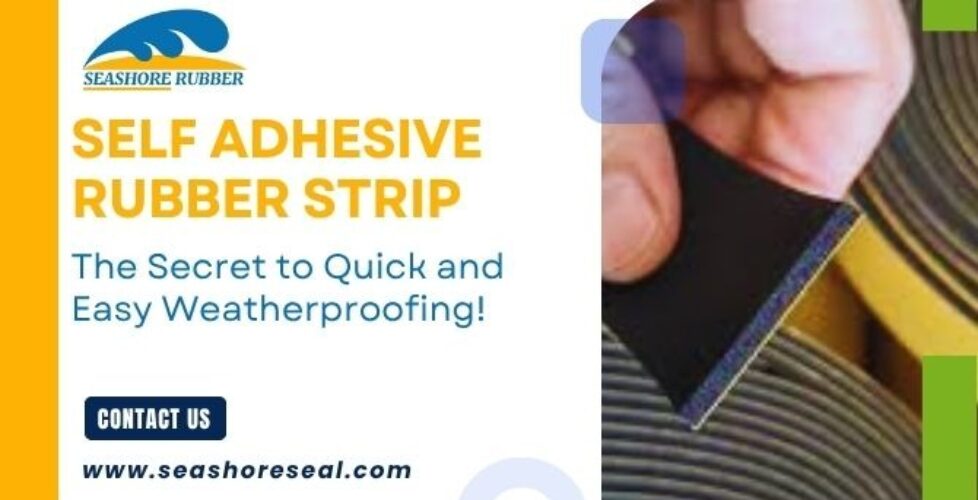
Self Adhesive Rubber Strip: The Secret to Quick and Easy Weatherproofing!
Weatherproofing your space—whether it’s your home, office, factory, or vehicle—no longer requires cumbersome, time-consuming processes or specialized skills. With the advancement of modern sealing technologies, an innovative product is quickly becoming the top choice for both professionals and DIY enthusiasts: the self adhesive rubber strip. At Qingdao Seashore Industrial Co., Ltd., we’ve seen firsthand how this simple yet highly effective solution is transforming the way people safeguard against drafts, leaks, dust, noise, and even insects.
Why Is Weatherproofing So Important?
Let’s set the stage: weatherproofing isn’t just about comfort. It’s about energy efficiency, safety, durability, and savings. Gaps around doors, windows, or equipment panels can allow moisture, cold drafts, heat, dust, and even noise pollution to penetrate your space. Over time, these intrusions can raise your energy bills, damage sensitive equipment, cause wood rot or rust, and even jeopardize health and productivity.
In fact, energy statistics reveal that inefficient seals can account for 20–30% of heating and cooling losses in buildings. For manufacturers and logistics companies, unsealed enclosures and doors can let in dust or water, leading to equipment failure, spoiled inventory, and downtime. By deploying effective weatherproofing products, you can immediately reduce costs, protect valuables, and maintain a comfortable, stable environment all year round.
What Is a Self Adhesive Rubber Strip?
A self adhesive rubber strip is an extruded length of flexible rubber material, typically supplied in rolls, with a specially-formulated pressure-sensitive adhesive layer on one side. This layer is covered by a peel-away backing. To use, simply measure and cut the strip to length, peel off the backing, and press the strip in place on the desired surface. No additional fasteners, clamps, or liquid adhesives are needed.
The result is an instant, tight seal that contours to varied substrate surfaces and tolerates moderate movement. Self adhesive rubber strips are available in many profiles, sizes, and material compositions to suit a wide range of applications—from gap sealing and insulating to vibration damping and noise reduction.
The Secret Advantages of Self Adhesive Rubber Strip
1. Ease and Speed of Installation
Traditional weatherproofing methods often require caulking guns, screws, nails, or time-consuming preparations. In contrast, a self adhesive rubber strip can typically be installed by anyone, in just minutes. Simply cut, peel, and stick. This simplicity is especially ideal for quick repairs or last-minute weatherproofing before a season change or a storm.
2. Versatile Applications
From residential and commercial to industrial and automotive, a self adhesive rubber strip adapts to countless scenarios. It seals gaps in doors, windows, hatches, machinery panels, shipping containers, electrical cabinets, air conditioners, refrigerators, and more. Its ability to bond with wood, metal, glass, plastics, and painted surfaces makes it widely compatible.
3. Strong and Lasting Adhesion
High-quality self adhesive rubber strips, like those from Qingdao Seashore Industrial Co., Ltd., utilize pressure-sensitive adhesives that provide a long-term bond. Once set, these seals resist detachment from vibration, movement, or temperature fluctuations common in doors and mechanical panels.
4. Flexible, Conforming Seal
Thanks to the flexibility of rubber foam or solid rubber profiles, these strips create an effective barrier even on uneven or irregular surfaces. Whether sealing an old wooden door frame or a curved automotive hatch, you get a continuous, gap-free seal.
5. Customization and Range
Self adhesive rubber strips are available in many shapes—D-shaped, P-shaped, E-shaped, flat, or tubular—as well as various thicknesses, widths, densities, and colors. This means you can find the perfect match for your specific gap or insulation requirement.
6. Multi-Functional: Insulation, Cushioning, and Damping
Besides blocking out water, air, dust, and insects, a self adhesive rubber strip also offers thermal insulation, aids in soundproofing, and acts as a vibration damper—making it a multi-purpose upgrade in homes, vehicles, and machinery.
7. Cost and Time Savings
Because installation is so rapid and requires no specialist labor or equipment, you save on both upfront project costs and ongoing maintenance. The material itself is affordable, and with fewer callbacks or replacements, overall expenses remain low.
Key Applications of Self Adhesive Rubber Strip
Let’s delve into practical uses to illustrate why this product is so universally praised.
1. Doors and Windows
The most popular use case is sealing gaps in exterior and interior doors and windows. A self adhesive rubber strip prevents cold drafts in winter, keeps cool air inside in summer, and blocks dust and insects all year round.
2. Automotive Sealing
Vehicles face constant vibration, temperature swings, and exposure to the elements. Self adhesive rubber strips can weatherproof trunk lids, doors, sunroofs, and windows—reducing road noise and preventing leaks.
3. Industrial Enclosure and Panel Sealing
Electrical panels, control cabinets, and server racks must remain dust- and moisture-free. Applying self adhesive rubber strips around access panels creates a strong, reliable seal—protecting equipment against adverse conditions.
4. Marine and RV Applications
Boats, yachts, and motorhomes require mobile weather sealing that withstands movement, water spray, and UV exposure. Self adhesive rubber strips seal hatches, windows, and storage compartments.
5. Household Appliances
Many refrigerators, air conditioners, washing machines, and ovens have factory-applied rubber seals. When these wear out, a self adhesive rubber strip offers a universal, cost-effective replacement that restores performance.
6. Warehouse and Garage Doors
Gaps under or around industrial doors are a serious source of energy leakage and pest ingress. Heavy-duty self adhesive rubber strips form a tough, durable barrier for warehouses, workshops, and loading docks.
7. Furniture and DIY Projects
From soft close edges on cabinetry to vibration dampening pads under furniture, these strips are equally useful in domestic crafting and repair work.
Types and Materials of Self Adhesive Rubber Strips
Different applications may require different material choices. Common options include:
- EPDM: Best-in-class for weather, UV, and ozone resistance. Remains flexible over wide temperature ranges—ideal for outdoor use.
- Neoprene: Offers excellent resilience, oil resistance, and durability—preferred in industrial and marine situations.
- Silicone: Superior heat resistance and ideal for temperature extremes or food-related applications.
- PVC: Economical and suitable for basic indoor weather sealing.
Most self adhesive rubber strips are available in closed-cell foam, which doesn’t absorb water and provides added cushioning and insulation. Solid rubber profiles are deployed where strength and durability are paramount.
Choosing the Right Self Adhesive Rubber Strip
When selecting the perfect product, consider the following factors:
- Gap Size: Measure the width and depth of the gap to match with the proper profile.
- Surface Type: Ensure compatibility with substrate material.
- Exposure Conditions: UV, moisture, chemicals, or temperature extremes may dictate material choice.
- Compression Requirements: Choose the density and profile for proper sealing under typical pressures.
- Appearance: Choose color and profile for aesthetics, especially for visible applications.
Qingdao Seashore Industrial Co., Ltd. can recommend or custom-manufacture strips optimized for your needs. Our products undergo rigorous testing for adhesion, resilience, and longevity.
How to Install a Self Adhesive Rubber Strip: Step-by-Step Guide?
1. Preparation:
- Clean and dry the surface thoroughly.
- Remove any old adhesive, dust, oil, or loose paint. Alcohol wipes or gentle cleaners work best.
2. Measuring and Cutting:
- Measure the length of the gap accurately.
- Cut the self adhesive rubber strip to size using sharp scissors or a utility knife.
3. Application:
- Peel off a short section (10–20 cm) of the backing paper to start.
- Position the strip, then press it firmly to the surface, gradually peeling and sticking as you go.
- Use even pressure to avoid bubbles or gaps.
4. Finishing:
- If joining pieces, overlap or butt the ends tightly.
- Once fully applied, rub down the strip with a soft roller or your fingers to maximize adhesion.
- Avoid excessive handling or movement of the sealed area for the first 24 hours to allow the adhesive to set.
Pro Tip: For corners or curves, gently stretch the rubber strip to match the contour, but avoid over-stretching which can compromise the seal’s longevity.
Maintenance and Longevity
Self adhesive rubber strips are low-maintenance by design:
- Inspect periodically for loosening, detachment, or wear—especially in high-movement or high-traffic areas.
- Clean the surface gently with a damp cloth. Avoid harsh chemicals or abrasive pads.
- If a section is damaged, simply peel it off and replace with a fresh length.
High-quality adhesive formulations, like those offered by Qingdao Seashore Industrial Co., Ltd., ensure years of performance. In well-installed scenarios, many strips can last upwards of 5–10 years even under moderate UV and moisture exposure.
Environmental Benefits
A less obvious benefit is the contribution to energy conservation and sustainability. By efficiently sealing your space, you minimize heating and cooling waste. This results in lower carbon emissions and less environmental impact. Most self adhesive rubber strips are also non-toxic and can be manufactured from recyclable compounds such as EPDM.
Cost Comparison: Why Self Adhesive Rubber Strips Are a Great Investment
Let’s look at the big picture: what do you save?
- Labor Cost: No need for skilled installers—cut, peel, and stick.
- Material Cost: Rolls are inexpensive, especially compared to caulking or custom gasket fabrication.
- Energy Savings: Tighter seals mean lower utility bills.
- Repair Savings: Prevent damage from leaks or drafts before they become costly issues.
A little investment in self adhesive rubber strips can repay itself hundreds of times over in protection and efficiency.
Common Mistakes to Avoid
- Not Cleaning the Surface Properly: Even the best adhesive won’t bond on greasy, dirty, or dusty surfaces.
- Using the Wrong Profile: Oversized strips may not compress fully, under-sized strips may not seal.
- Ignoring Material Compatibility: Using indoor-grade PVC in harsh outdoor conditions leads to rapid failure.
- Improper Storage: Keep unused strips in cool, dry places away from sunlight to maintain adhesive potency.
In today’s fast-paced world, efficiency, simplicity, and reliability are more sought after than ever in facility maintenance, construction, and DIY improvements. The self adhesive rubber strip stands at the intersection of these values, providing a universally-applicable, quick, and effective route to weatherproofing and gap sealing across countless scenarios.
Frequently Asked Questions (FAQ)
Q1: Where can I use a self adhesive rubber strip?
A: Self adhesive rubber strips can be used anywhere you need to seal a gap, dampen vibration, prevent air/water/dust ingress, or add thermal insulation. This includes doors, windows, cabinets, vehicles, appliances, machinery, and more.
Q2: How long will a self adhesive rubber strip adhere and provide effective sealing?
A: With proper surface preparation and installation, and under normal conditions, top-grade self adhesive rubber strips typically last 5–10 years. Lifespan may be shortened by extreme UV, heat, or frequent movement but high-quality EPDM-based strips resist aging very well.
Q3: Can I install a self adhesive rubber strip myself, or do I need a professional?
A: One of the main advantages is easy DIY installation—no need for special tools, skills, or training. Just measure, cut, peel, and stick.
Q4: What’s the difference between open-cell and closed-cell self adhesive rubber strips?
A: Closed-cell foams are water-resistant and suitable for weatherproofing. Open-cell foams may absorb moisture, so they’re mostly used for sound or vibration absorption where moisture is not a concern.
Q5: Is a self adhesive rubber strip suitable for outdoor use?
A: Yes, as long as you choose a product formulated for outdoor conditions, such as our EPDM or neoprene foam strips. Always check manufacturer specifications for UV and weather resistance.
Q6: Can I remove and reposition a self adhesive rubber strip once it’s installed?
A: The strip can be gently peeled off soon after initial placement (within minutes). However, after hours or days, the adhesive bond becomes very strong and removal may damage the strip or substrate. For best results, position it correctly from the start.
Q7: Are there color and size options for self adhesive rubber strips?
A: Absolutely! At Qingdao Seashore Industrial Co., Ltd., we offer a range of widths, thicknesses, profiles, and colors—including custom options for large orders or special applications.
Q8: How can I restore adhesion if the strip starts to peel off?
A: For small sections, a dab of contact adhesive can sometimes re-secure it. However, for best performance and safety, replace the compromised strip with a new one.
Q9: Is a self adhesive rubber strip safe for use in kitchens or near food?
A: Food-grade silicone or EPDM rubber strips are available for such environments. Always check the product specifications and request food-safe certification if needed.
Q10: Can I use a self adhesive rubber strip in high-temperature areas like ovens or heater doors?
A: High-temperature silicone-based strips are suitable for this purpose. Standard EPDM or PVC strips are not recommended for continuous high-heat exposure.
Q11: What should I do if the self adhesive rubber strip gets dirty?
A: Wipe with a damp cloth and mild detergent if necessary. Do not scrub harshly or use solvents, which may degrade the adhesive or rubber.
Q12: How do I order the right self adhesive rubber strip for my project?
A: Contact Qingdao Seashore Industrial Co., Ltd. with your application details. Our experts will recommend the right profile, material, and thickness for your requirements.