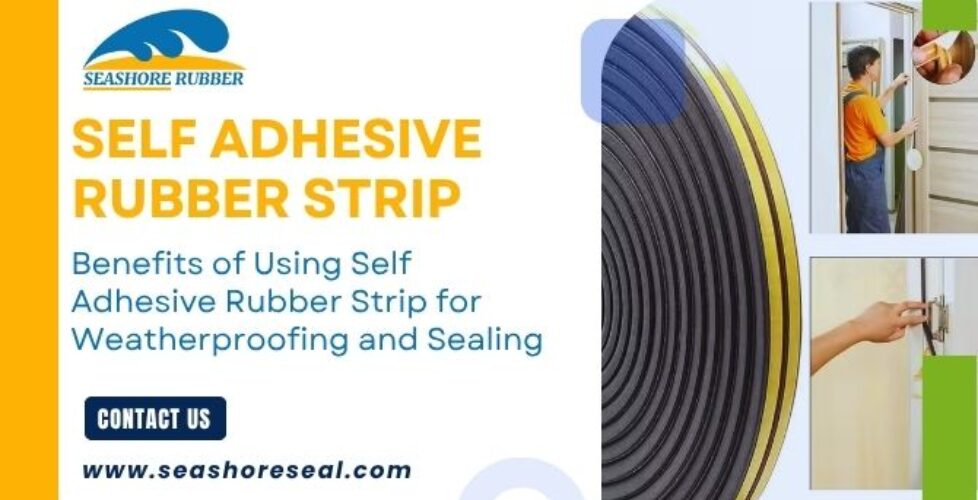
Benefits of Using Self Adhesive Rubber Strip for Weatherproofing and Sealing
In today’s world, protecting buildings, vehicles, and equipment from the elements is essential to maintaining structural integrity and energy efficiency. One of the most effective and versatile solutions in weatherproofing and sealing applications is the self adhesive rubber strip. This innovative product combines the resilience of rubber with the convenience of self-adhesion, offering a simple yet highly effective way to address common issues like drafts, water ingress, dust, and noise.
At Qingdao Seashore Industrial Co., Ltd., we specialize in manufacturing premium self adhesive rubber strips engineered to meet the rigorous demands of modern construction, automotive, and industrial sectors. Our products are designed not only to provide a tight seal but also to enhance durability and overall performance under various environmental stresses.
Understanding the benefits of using self adhesive rubber strips is crucial for contractors, manufacturers, and end-users alike. From ease of installation and superior sealing capabilities to long-term cost savings and environmental advantages, the advantages of this sealing solution are numerous and compelling.
In this comprehensive article, we will delve into the various benefits of using self adhesive rubber strips for weatherproofing and sealing. We will also explore the different types and applications of these strips, highlight key features to consider when selecting the right product, and answer frequently asked questions to help you make an informed purchasing decision. Whether you are retrofitting an old building or designing a new project, this guide will serve as your go-to resource for everything related to self-adhesive rubber sealing strips.
Why Choose Self Adhesive Rubber Strip for Weatherproofing and Sealing?
Weatherproofing and sealing are fundamental to protecting any enclosed space from external elements. Traditional sealing methods can be time-consuming, messy, and sometimes ineffective over time due to wear and tear.
This is where the self adhesive rubber strip excels by providing:
- Excellent adhesion: The built-in adhesive layer enables quick and secure application on varied surfaces without additional tools or materials.
- Superior sealing: The rubber material creates a flexible, airtight, and watertight barrier that adapts to surface irregularities.
- Durability: Resistant to UV radiation, ozone, temperature extremes, moisture, and chemicals, these strips maintain integrity in harsh conditions.
- User-friendly application: Peel-and-stick installation reduces labor costs, minimizes error, and ensures a clean finish.
- Versatility: Suitable for doors, windows, HVAC ducts, automotive trims, electrical panels, and more.
What You Will Learn in This Article?
- In-depth benefits of self adhesive rubber strips in sealing and weatherproofing
- Various materials and types available in the market
- Common industrial and residential applications
- Important selection criteria to ensure optimal performance
- Installation best practices and maintenance tips
Environmental and economic advantages
Detailed FAQ to address common concerns and enhance understanding
By the end of this article, you will have a comprehensive understanding of why self adhesive rubber strips are a smart investment for your sealing and weatherproofing needs, backed by qualities that ensure lasting protection and efficiency.
1. Introduction: The Growing Importance of Effective Weatherproofing
Impact of weather elements on infrastructure
The role of sealing solutions in energy conservation and durability
2. Key Benefits of Self Adhesive Rubber Strip
a. Superior Adhesion and Ease of Installation
Comparison with traditional sealing methods
Time and labor savings
b. Enhanced Weather Resistance and Durability
UV resistance, temperature tolerance, and ozone resistance
Longevity in different environments (urban, coastal, industrial)
c. Excellent Flexibility and Adaptability
Ability to conform to irregular surfaces and maintain a secure seal
Vibration and shock absorption features
d. Energy Efficiency and Cost Savings
Reducing air leaks and thermal bridging
Lower energy bills and carbon footprint
e. Noise Reduction Capabilities
Soundproofing benefits in residential and automotive applications
3. Types of Self Adhesive Rubber Strips and Their Materials
EPDM rubber strips
Silicone rubber strips
Neoprene and nitrile rubber options
Differences in properties and ideal uses
4. Applications of Self Adhesive Rubber Strip Across Industries
Building and construction (windows, doors, façades)
Automotive and transportation (door seals, trims)
Electrical equipment sealing
HVAC systems and duct sealing
Marine and aerospace uses
5. How to Select the Right Self Adhesive Rubber Strip
Surface compatibility and preparation
Environmental conditions and exposure considerations
Thickness, width, and hardness
Adhesive type and strength
Compliance with industry standards and regulations
6. Installation Best Practices and Maintenance
Surface cleaning and preparation tips
Application techniques for durable adhesion
Avoiding common mistakes
Periodic inspection and replacement guidelines
7. Environmental and Economic Impact
Sustainable production methods
Recyclability and eco-friendly materials
Lifecycle cost analysis
8. FAQ Section
Q1: What surfaces can I apply self adhesive rubber strips on?
A1: They adhere well to smooth, clean surfaces such as metal, glass, plastic, painted wood, and many coated materials.
Q2: How long does the adhesive last?
A2: High-quality adhesives can maintain strong bonding for 5-10 years, depending on environmental exposure and surface conditions.
Q3: Are self adhesive rubber strips waterproof?
A3: Yes. When properly installed, they create an effective watertight seal that prevents moisture ingress.
Q4: Can the strips be used outdoors?
A4: Absolutely, especially those made from UV and ozone resistant materials like EPDM.
Q5: How thick should the rubber strip be for effective sealing?
A5: Thickness varies by application but typically ranges from 1 mm to 6 mm to balance flexibility and durability.
Q6: Are self adhesive rubber strips reusable?
A6: No. Once applied and adhered, they are designed for permanent use, though replacement is possible if removed carefully.
Q7: What temperature ranges can these strips withstand?
A7: Depending on material, many can endure temperatures from -40°C to 120°C or more.
Q8: How fast can I install self adhesive rubber strips?
A8: Installation can be completed quickly—often within minutes per strip—without the need for curing or drying time.
Conclusion
Choosing the right weatherproofing and sealing solution is vital for protecting your assets and enhancing operational efficiency. The self adhesive rubber strip from Qingdao Seashore Industrial Co., Ltd. represents an exceptional choice, combining performance, durability, and ease of use. Our products are tailored to meet diverse industrial and residential needs, helping you safeguard against weather-related damages and improve energy efficiency.