Wenzhou, Zhejiang, China, 27.08.2026 – As the world rapidly embraces clean, sustainable solar energy, the importance of advanced protection devices becomes paramount. Today, Wenzhou Typle New Energy Technology Co., Ltd., a global leader in solar innovation, proudly announces the launch of its latest product: the DC MCB (Direct Current Miniature Circuit Breaker). Designed for next-generation solar installations, this robust solution sets new benchmarks in safety, reliability, and performance.
Chris, spokesperson for Wenzhou Typle New Energy Technology Co., Ltd., states, “With modern solar systems scaling up in both size and complexity, a reliable DC MCB is no longer optional—it is absolutely essential. Our new DC MCB not only meets rising international standards but delivers the kind of peace of mind that end-users, installers, and investors demand.”
The Heart of Safe Solar: Why DC MCB Matters More Than Ever
As solar installations grow, the risk of electrical faults and overcurrents increases dramatically. Conventional protection devices, originally engineered for alternating current (AC), are not designed to handle the relentless and unidirectional flow of DC electricity generated by solar panels. This is where a DC MCB steps in, providing precise, rapid protection that is tailored specifically for solar environments.
Chris explains:
“In a DC system, unlike AC, the electrical current never passes through zero, which means any arc or fault can persist and escalate. Only a true DC MCB—designed with specialized materials, contacts, and arc-extinguishing chambers—can safely and effectively protect both people and equipment. Without such protection, the risk of system damage, fire, and injury is substantial.”
Wenzhou Typle’s New DC MCB: Setting a New Standard
The DC MCB from Wenzhou Typle New Energy Technology Co., Ltd. is more than just a circuit breaker. It is the result of years of R&D, feedback from installers across six continents, and rigorous real-world testing. This product shines in several key areas:
Dedicated DC Protection: Engineered exclusively for DC circuits, supporting up to 1000VDC as demanded by today’s solar projects.
High Breaking Capacity: Fast arc interruption and high short circuit withstand ratings ensure reliable protection even in harsh fault conditions.
Thermal & Magnetic Tripping Mechanisms: Dual tripping methods guarantee both long-term overload and instant fault protection—essential for solar’s variable conditions.
Simple Installation: Compact DIN-rail mounting, clearly marked terminals, and tool-free reset make installation fast and hassle-free.
Rugged Construction: UV-resistant housing, corrosion-proof contacts, and a high IP rating (IP20/IP40) suitable for demanding field conditions.
Global Compliance: Fully certified to meet IEC 60947-2 and regional standards including UL 489B, making the DC MCB suitable for use worldwide.
Solar power systems are fundamentally different from traditional electrical grids. Solar arrays generate DC electricity, which is often stored in batteries or converted to AC using an inverter. Each part of this flow—especially at string level, within combiner boxes, and at inverter or battery connections—requires reliable circuit protection.
A DC MCB serves several key functions:
Fault Isolation: Detects and interrupts overcurrent and short-circuit conditions quickly, before equipment, wiring, or even the solar panels themselves suffer damage.
Fire Prevention: By eliminating sustained faults and interrupting dangerous arcs, the DC MCB plays a critical role in fire safety.
System Segmentation: Allows installers and operators to isolate parts of a system for safe maintenance, expansion, or emergency response. -Code Compliance: Meets national and international electrical codes that require DC overcurrent protection—critical for insurance and permitting.
Technology and Safety at the Forefront
Wenzhou Typle’s DC MCB features state-of-the-art arc suppression technology. Inside each breaker, moving contacts, arc chutes, and powerful magnets work together to split and stretch electrical fires (arcs) before they can cause harm. An insulated, thermally robust enclosure protects users and prevents accidental contact.
Moreover, precise tripping curves have been engineered to accommodate both the start-up surges typical of solar and quick response to genuine fault currents, minimizing unnecessary downtime while ensuring maximum security.
Built for Installers, Favored by Professionals
Solar professionals know that time is money. That’s why every detail of Wenzhou Typle’s DC MCB is optimized for the field:
Large, ergonomic toggle switches for use with gloves
Screwless, vibration-resistant terminals for fast, secure connections
Modular design for easy expansion or quick replacement
Clear status indication for instant visual safety checks
Global Adoption and Sustainability Impact
Chris emphasizes the company’s global mission:
“Our DC MCB is already being welcomed by installers and developers in Europe, Africa, Southeast Asia, and the Americas. As governments and businesses push for higher proportions of renewable energy, trusted protection is what keeps solar advancing safely. At Wenzhou Typle, we believe sustainability and safety can go hand in hand.”
Functioning alongside smart meters, data loggers, and other modern system components, the DC MCB is a foundational element of Wenzhou Typle’s vision for a digital, reliable, and sustainable energy future.
About Wenzhou Typle New Energy Technology Co., Ltd.
Wenzhou Typle New Energy Technology Co., Ltd. specializes in the production of electrical protection, switching, and monitoring devices for the global renewable energy industry. Setting industry standards in solar safety and reliability since its founding, Wenzhou Typle is committed to powering the clean energy revolution—one project at a time.
Media Contact:
Company Name: Wenzhou Typle New Energy Technology Co., Ltd. Contact Name: Chris Contact Phone: +86 180 7206 5770 Address: 5th Floor, No.28 Xinguang Avenue, Xinguang Industrial Zone, Liushi Town, Yueqing, Wenzhou, Zhejiang, China Email: inquiry@typle-electric.com Website: https://www.typle-electric.com/
Liaocheng, ShanDong, China, 26.08.2026 – Shandong Baokun Metal Material Co. Ltd, a globally recognized leader in hydraulic system components and advanced steel products, is delighted to announce the official launch of its latest innovation: the hard chrome plated piston rod. This new product sets an industry benchmark by offering enhanced performance, reliability, and cost-savings for hydraulic applications in a wide array of industries, including manufacturing, construction, automotive, mining, and energy.
With this cutting-edge solution, Shandong Baokun Metal Material Co. Ltd unlocks powerful advantages for businesses that demand the highest standards of durability and efficiency in their hydraulic equipment.
What is a Hard Chrome Plated Piston Rod?
A hard chrome plated piston rod is a precisely engineered steel rod that is coated with a layer of hard chrome—a form of chromium electroplating—that provides superior hardness, excellent surface finish, and remarkable resistance to wear and corrosion.
How Is It Made?
The manufacturing process involves several key stages:
1. Material Selection: High-grade steel rods (commonly C45, 42CrMo4, or customized alloys) are selected for their mechanical integrity. 2. Precision Machining: Rods are ground and polished to very tight tolerances to ensure straightness and dimensional accuracy. 3. Surface Preparation: The rod is meticulously cleaned and prepared to ensure perfect chrome adhesion. 4. Hard Chrome Electroplating: Using advanced electrolytic technology, a thick, uniform layer of hard chrome (typically 20–30 microns) is deposited onto the rod. 5. Final Polishing: The coated rod is polished to achieve a mirror-like surface, often with a roughness average (Ra) below 0.2μm.
As a result, the hard chrome plated piston rod offers unparalleled longevity and reduced maintenance cycles—even in the most challenging operational conditions.
Key Benefits of Choosing a Hard Chrome Plated Piston Rod for Hydraulic Systems
Transitioning from uncoated or conventional rods to hard chrome plated variants brings a host of advantages that directly translate into better performance and cost-effectiveness:
1. Exceptional Wear Resistance
The hard chrome layer is extremely hard—typically 800-1000 HV—making it resistant to abrasion from seals, dust, and contaminants. This minimizes surface degradation over time, even with frequent or high-speed operation.
2. Outstanding Corrosion Protection
Hydraulic systems often operate in harsh or outdoor environments where moisture, chemicals, or saline atmospheres are prevalent. The hard chrome plated piston rod resists rust, oxidation, and chemical attack, extending cylinder life dramatically.
A mirror-smooth surface ensures minimal friction between the rod and cylinder seals. This means:
Less energy loss
Reduced heat generation
Extended seal and cylinder service life
Quieter and smoother machine operation
4. High Fatigue Strength
The chrome plating process not only enhances surface hardness but also contributes to the fatigue strength of the rod, allowing it to sustain repeated cycles and heavy loads without cracking or deformation.
5. Minimized Downtime and Lower Total Cost of Ownership
Longer lifespan and reduced incidence of breakdowns result in fewer repairs and replacements, ultimately providing better value and lower operational costs for end users.
6. Compatibility with a Range of Hydraulic Fluids
The hard chrome finish is inherently inert to most mineral oils, synthetic fluids, and specialty hydraulic fluids, making these rods ideal for a diverse set of hydraulic applications.
The rod’s design also allows for seamless retrofitting in most existing hydraulic cylinder assemblies.
Environmental Responsibility
Recognizing global trends toward sustainability, Shandong Baokun employs advanced emission control, responsible chemical recycling, and energy-efficient processes throughout production. The new product is manufactured in accordance with RoHS and REACH directives—meeting or exceeding the expectations of eco-conscious clients worldwide.
Technical Specifications & Customization
Available in a spectrum of diameters (8mm to 140mm), lengths (up to 12 meters), and grades, Shandong Baokun can fully customize the hard chrome plated piston rod to meet OEM or end-user specifications.
Tolerances: H8/f7, with tight run-out and straightness as low as 0.1mm/m
Surface Hardness: 800-1000 HV
Chrome Thickness: 20–30+ microns
Surface Finish: Ra ≤ 0.2μm
Base Material: C45, 42CrMo4, Custom alloys
Certification: ISO 9001, EN10277, ISO 14001
About Shandong Baokun Metal Material Co. Ltd:
Shandong Baokun Metal Material Co. Ltd is an internationally recognized manufacturer and exporter of high-precision steel tubes, piston rods, honed tubes, and related hydraulic components. With a technology-driven approach, strict quality management, and a global service network, Shandong Baokun supplies leading OEMs and distributors with components for the world’s most demanding applications.
Shandong Baokun Metal Material Co. Ltd proudly invites global partners to experience the new standard in hydraulic system reliability with the launch of our hard chrome plated piston rod. Businesses looking for increased operational efficiency, minimized downtime, and sustainable value now have the ideal component for their next project.
Media Contact:
Company Name: Shandong Baokun Metal Material Co., Ltd Contact Name: Ms. Sun Contact Phone: +86 15763576989 Address: Room 1211, Commercial Office Building 2, Development Zone, Liaocheng, ShanDong, China Email: info@sdbkmetal.com Website: https://www.sdbksteel.com/
Shanghai, China, 21.08.2026 – In a significant technological leap for the global manufacturing sector, Shanghai Zhanshi Mechanical Equipment Co., Ltd. has announced the launch of its state-of-the-art automatic vacuum forming machine. This new offering exemplifies the company’s ongoing commitment to delivering advanced automation and production solutions that enable clients to streamline processes, reduce costs, and maintain uncompromising product quality.
Speaking at the company headquarters, Lewis, spokesperson for Shanghai Zhanshi Mechanical Equipment Co., Ltd., shared insights about how manufacturers can seize a competitive edge in today’s fast-paced market with the integration of an automatic vacuum forming machine. The press conference was attended by industry leaders, engineers, potential business partners, and members of the media.
Advancing Manufacturing: The Power of an Automatic Vacuum Forming Machine
As global demand for highly precise and customized plastic products continues to grow across automotive, packaging, healthcare, electronics, and more, manufacturers are faced with the challenge of staying nimble, efficient, and cost-effective. Overcoming production bottlenecks and keeping up with market expectations requires transformative equipment solutions—precisely what the newly launched automatic vacuum forming machine from Shanghai Zhanshi Mechanical Equipment Co., Ltd. offers.
With this new-generation machine, manufacturers will dramatically increase their throughput, virtually eliminate manual errors, reduce operating costs, and gain unparalleled control and flexibility.
Lewis emphasized:
“Our automatic vacuum forming machine is engineered to be the new benchmark for automated plastic forming technology. It is the product of years of innovation, customer feedback, and our relentless focus on efficiency and reliability. By integrating this machine into their production line, companies of all sizes can achieve previously unattainable efficiencies while producing impeccable, high-quality products at scale.”
What Makes an Automatic Vacuum Forming Machine So Impactful?
Lewis continued, “The impact of an automatic vacuum forming machine on production efficiency cannot be overstated. Unlike traditional, semi-manual approaches, this machine automates every key step—from sheet feeding and heating to forming, cooling, and trimming. This all-in-one solution boosts not only the speed but also the precision and consistency of your finished products.”
Here’s how the automatic vacuum forming machine achieves these results:
1. Fully Automated Workflow
Every step, from sheet loading to finished part ejection, is handled with robotic precision. This drastically reduces manual intervention and ensures that every output is identical in quality.
2. Intelligent Heating Systems
The machine boasts advanced multi-zone infrared heating, guaranteeing even material softening while minimizing energy use and scrap rates. With precise temperature zones, manufacturers can ensure the forming material never overheats or underperforms.
3. Rapid Forming and Cooling
By leveraging optimized vacuum channels and variable pressure technology, the machine achieves fast cycle times even with complex shapes, pushing productivity to new heights.
4. In-Line Trimming and Stacking
Directly after forming, the products are automatically trimmed and neatly stacked or conveyed, ready for packaging or further assembly. This seamless transition cuts minutes off every cycle, which translates to massive efficiency gains over the course of a production day.
5. Seamless Integration
Designed with the modern factory in mind, the automatic vacuum forming machine integrates upstream and downstream, connecting with supply conveyors, robotics, and data management systems. As a result, it fits perfectly into both Industry 4.0 and traditional production environments.
Key Features Exclusive to Shanghai Zhanshi’s Automatic Vacuum Forming Machine
The competitive landscape has never been more demanding, but Shanghai Zhanshi sets itself apart with a series of groundbreaking features:
User-Friendly HMI (Human-Machine Interface): Operators of all experience levels can control, monitor, and troubleshoot the system through an easy-to-navigate touch screen interface.
IoT Connectivity: The machine is equipped with real-time data collection and remote diagnostics, supporting predictive maintenance and performance optimization.
Energy Savings Mode: Smart sensors automatically adjust heating and vacuum systems based on current demand, reducing energy consumption without compromising efficiency.
Quick Mold Change System: Enables ultra-fast swapping of forming tools, empowering manufacturers to shift production with minimal downtime.
Multi-Material Compatibility: From PVC and PET to PP, ABS, and recycled blends, the machine delivers outstanding results with a wide array of plastic sheets.
Precision Control: Integrated sensors continually monitor material thickness, temperature, and vacuum timing, ensuring repeatability even with challenging designs.
Safety First: Industry-leading safety systems protect operators and minimize the risk of unplanned downtime.
By adopting an automatic vacuum forming machine from Shanghai Zhanshi, clients are empowered to:
Ramp up production with fewer operators.
Reduce maintenance and energy expenditure.
Adapt quickly to market changes and customer needs.
Ensure compliance with international quality and safety standards.
Seamlessly expand product offerings without additional capital investments in new lines.
Lewis added:
“We have engineered this solution for flexibility and future-readiness. No matter which sector our customers hail from, our automatic vacuum forming machine provides the speed, intelligence, and reliability demanded by global leaders.”
About Shanghai Zhanshi Mechanical Equipment Co., Ltd.
Shanghai Zhanshi Mechanical Equipment Co., Ltd. is a global pioneer in smart, high-efficiency manufacturing solutions for the plastics processing industry. With world-class R&D, robust after-sales service, and a relentless commitment to customer success, the company helps manufacturers around the world to reimagine productivity and quality in their production lines.
Media Contact:
Company Name: Shanghai Zhanshi Mechanical Equipment Co., Ltd. Contact Name: Lewis Contact Phone: +86 13916846091 Address: No.26 Kangyuan Road, Zhujiajiao Industrial Zone, Qingpu District, Shanghai, China Email: Daisy@smktek.com Website: https://www.vacuumac.com/
Shanghai, China, 17.08.2026 –Shanghai Puteken Transmission System Co., Ltd., a global leader in advanced transmission solutions, is proud to announce the official launch of its cutting-edge silicone timing belt, engineered to set new industry standards for performance, durability, and reliability across diverse applications.
At the helm of this exciting product introduction is company spokesperson Candy, who emphasizes the pivotal attributes of the new silicone timing belt and how it addresses the evolving needs of modern industries. The product promises to significantly enhance machine efficiency, maintenance cycles, and operational sustainability.
Understanding the Silicone Timing Belt: A Game-Changer in Power Transmission
The Silicone timing belt has long been manufactured from materials such as rubber or polyurethane. However, the introduction of silicone as a key material in timing belt technology presents substantial advantages. Unlike rubber or polyurethane, silicone exhibits unique physical and chemical properties that greatly enhance timing belt performance in demanding environments.
“Silicone is well known for its remarkable temperature resistance, elasticity, and chemical inertness, which makes it an excellent candidate for timing belts that operate under extreme or challenging conditions,” explains Candy, spokesperson of Shanghai Puteken Transmission System Co., Ltd.
Key Benefits of the Silicone Timing Belt
1. Exceptional Temperature Resistance
One of the primary reasons the silicone timing belt outperforms conventional materials is its ability to withstand a wide temperature range — from as low as -60°C up to +230°C or more. This outstanding thermal resistance enables machines equipped with silicone timing belts to operate efficiently in both extremely cold and hot environments without degradation.
This wide operating temperature range makes silicone timing belts ideal for applications such as food processing ovens, medical devices requiring sterilization, aerospace systems exposed to fluctuating temperatures, and electronic manufacturing where heat dissipation is critical.
2. Superior Flexibility and Elasticity
Unlike rubber belts that can become brittle in low temperatures or polyurethane belts that may degrade over time, silicone timing belts maintain excellent flexibility over their lifespan. This elasticity ensures smooth operation around pulleys and reduces stress concentrations, which translates to longer service intervals and fewer unexpected downtimes.
3. Outstanding Chemical and Environmental Resistance
Silicone’s chemical inertness provides resistance to oils, solvents, ozone, UV radiation, and various industrial chemicals. This property safeguards the belt’s structural integrity against degradation caused by environmental exposure, cleaning solvents, and chemical spills, making it a reliable component in harsh industrial settings.
Moreover, silicone timing belts resist microbial growth and are non-toxic, making them suitable for hygienic applications such as pharmaceutical production lines or food-grade machinery.
4. Enhanced Grip Without the Need for Additional Coatings
The naturally tacky surface of a silicone timing belt improves grip on pulleys during operation. Unlike some traditional belts requiring additional surface treatments or coatings to prevent slippage, silicone belts maintain consistent grip throughout their lifecycle, reducing maintenance complexity and operational interruptions.
5. Noise Reduction and Smooth Operation
Due to their flexible composition and surface properties, silicone timing belts absorb vibration and noise effectively. This feature contributes to quieter machinery operation, improving workplace safety and comfort, particularly in factories or medical environments.
Why Shanghai Puteken Transmission System Co., Ltd.’s Silicone Timing Belt Stands Out
Shanghai Puteken Transmission System Co., Ltd. has leveraged years of expertise in materials engineering and advanced manufacturing to produce a silicone timing belt that exceeds industry expectations. Key differentiators of their product include:
Customized Design: Tailored tooth profiles and belt dimensions to perfectly fit client-specific machinery.
Reinforced Tensile Cords: Utilizing high-strength fiberglass or Kevlar to ensure minimal elongation under load.
Certifications: Compliance with international safety and quality standards, including ISO, FDA, and RoHS.
Sustainability: Use of environmentally friendly manufacturing practices and recyclable materials where feasible.
Applications Across Industries
The versatility of Shanghai Puteken Transmission System Co., Ltd.’ssilicone timing belt spans numerous industries:
Food and Beverage: Heat-resistant belts for ovens, conveyors, and packaging machinery.
Medical and Pharmaceutical: Belts that endure sterilization and maintain hygiene.
Automotive: High-temperature tolerance belts for engine timing and assembly lines.
Electronics: Precision belts with minimal stretch for accurate component placement.
Aerospace: Durable belts that withstand temperature extremes and chemical exposure.
About Shanghai Puteken Transmission System Co., Ltd.
Founded with a commitment to innovation and quality, Shanghai Puteken Transmission System Co., Ltd. is a global provider of advanced mechanical transmission solutions. Dedicated to R&D, the company blends cutting-edge materials science with manufacturing precision to deliver high-performance belts, chains, and customized parts worldwide.
Media contact:
Company Name: Shanghai Puteken Transmission System Co., Ltd. Contact Name: Candy Contact Phone: +86 18201785896 Address: Building 8, Lane 8188, Daye Road, Fengxian, Shanghai, China, 201400 Email: putekenbelt@gmail.com Website: https://www.puteken.com/
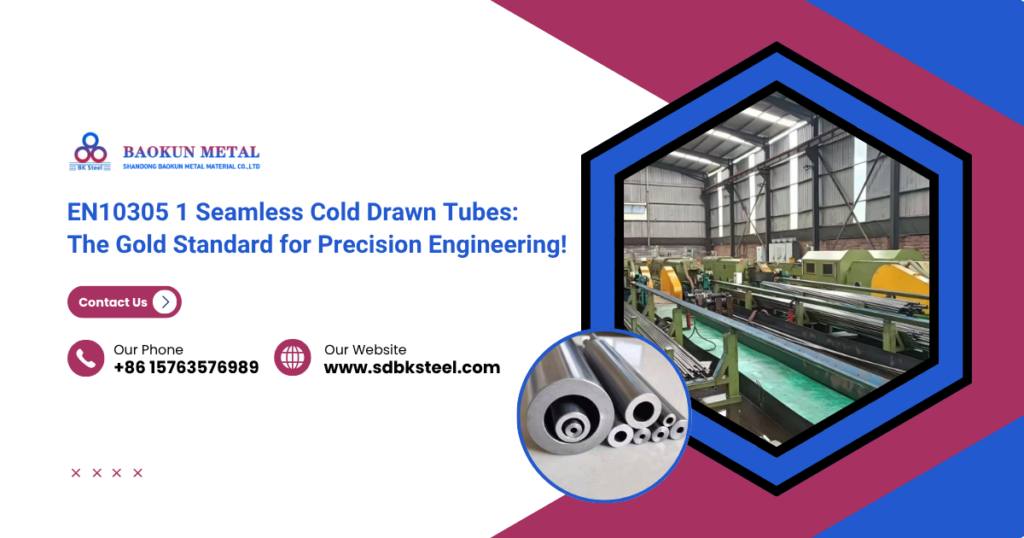
Liaocheng, ShanDong, China, 13.08.2026 – Shandong Baokun Metal Material Co. Ltd, a leader in advanced metal solutions, is proud to announce the global launch of its latest innovation: EN10305 1 Seamless Cold Drawn Tubes. Developed to meet the rigorous demands of precision engineering, these tubes are positioned to become the gold standard for manufacturers, engineers, and innovators seeking quality, reliability, and versatility in seamless tube solutions.
What Are EN10305 1 Seamless Cold Drawn Tubes?
EN10305 1 refers to the European standard governing cold drawn seamless precision steel tubes. These tubes are renowned for their dimensional accuracy, smooth internal and external surfaces, and excellent mechanical properties. Compared to standard welded or hot-finished tubes, EN10305 1 seamless cold drawn tubes offer superior performance where demanding tolerances and a perfect surface finish are essential.
From their application in hydraulic systems, fuel injection lines, and structural elements to uses in control devices, medical technology, and high-speed automation, the need for such high-precision tubing is growing rapidly. Baokun’s release of EN10305 1 seamless cold drawn tubes reflects both current industry requirements and the ongoing transformation of global engineering best practices.
Unmatched Manufacturing Excellence
Materials and Methods
The production of EN10305 1 seamless cold drawn tubes at Shandong Baokun Metal Material Co. Ltd leverages the highest standards in raw material sourcing, metallurgy, and manufacturing process control.
1. Premium Steel Selection
Only carefully selected low carbon and alloy steel grades that comply with EN standards are used, ensuring the base metal is consistent, free of inclusions, and suitable for cold working.
2. Seamless Tube Formation
Unlike welded tube, the seamless method begins with a solid billet that is heated, pierced, then elongated into a tube through controlled rolling. This forms the essential base shape, eliminating concerns about weld seams and defects.
3. Cold Drawing Process
The distinguishing feature of EN10305 1 seamless cold drawn tubes is the cold working step: the tubes are drawn through dies at room temperature. This process:
Greatly improves dimensional tolerance (typically h8 or better)
Enhances mechanical properties, including tensile and yield strength
Provides outstanding straightness, concentricity, and surface finish—often achieving Ra levels < 0.8 μm
4. Heat Treatment and Normalization
After drawing, tubes can be heat treated to achieve specified properties, such as normalized or stress-relieved conditions, as required by end applications.
5. Precision Cutting and Inspection
Tubes are cut to customer lengths, with deburred ends, and are then subject to strict visual, dimensional, and NDT testing to guarantee flawless quality.
6. Surface Protection
Final finishing may include oiling, phosphating, or other anti-corrosion coatings, assuring safe transportation and storage worldwide.
Key Features & Benefits of Baokun’s EN10305 1 Seamless Cold Drawn Tubes
Superior Precision: Ultra-tight dimensional tolerances for perfect system fits
Consistent Mechanical Properties: Reliable performance under load and high-cycle conditions
Transitioning from traditional tubing types to EN10305 1 seamless cold drawn tubes is not just a matter of compliance or preference; it is a strategic choice with significant downstream benefits:
1. Unmatched Dimensional Accuracy
These tubes are produced to tolerances far tighter than those of welded or hot-finished alternatives. For engineers, this means fewer fitment issues, less post-processing, and easier, more repeatable assembly processes.
2. Enhanced Mechanical Strength
Cold drawing refines grain structure, producing tubes with higher yield and tensile strengths—often critical in safety or pressure applications.
3. Improved System Efficiency
The smooth, hard inner surface reduces friction for flowing fluids (hydraulic oil, air, gases, etc.), improving system responsiveness and energy efficiency.
4. Maximum Reliability
No weld seams mean less risk of leaks or corrosion along the length of the tube. This is particularly important for high-pressure hydraulics, fuel injection, precision servo systems, and medical applications.
5. Versatility
The ability to specify tubes in various diameters, wall thicknesses, lengths, and grades allows for fine-tuned engineering. Baokun offers complete customization, supporting rapid prototyping as well as full-scale production runs.
Industry Applications: Where EN10305 1 Seamless Cold Drawn Tubes Set the Standard
Hydraulic and Pneumatic Cylinders: Dimensionally precise, smooth inside bore assures seal life, leakproof operation, and energy-efficient fluid movement.
Automotive Engineering: Used in steering columns, injection systems, brake lines, and drive components where safety and consistency are paramount.
Aerospace & Defense: Lightweight, strong, and flawless tubes are essential for mission-critical aerospace assemblies.
Machinery & Automation: Shafts, supports, and guide components in CNC, robotics, and packaging machinery where high speeds and low tolerances are demanded.
Medical Devices: Demanding environments require clean, defect-free, and often small-diameter seamless tubes.
Instrumentation & Control: Use as protection for wiring, cabling, or as part of the sensing/actuation mechanism itself.
Baokun’s Manufacturing Promise: Quality and Consistency
Company spokesperson Ms Sun emphasizes, “Our focus is absolute reliability. At Baokun, each meter of EN10305 1 seamless cold drawn tube is forged from decades of experience, continuous investment in technology, and our strong culture of quality. Our clients know they’re receiving not only a product that meets EN standards, but also a solution that drives their business forward.”
Baokun’s laboratories and inspection teams utilize advanced metrology, digital microscopy, ultrasonic and eddy current flaw detection, and a full suite of mechanical and chemical tests. Every shipment is accompanied by detailed test reports and compliance statements, ensuring confidence for global buyers.
Customization & Customer Support
One size rarely fits all. Baokun proudly offers the industry’s widest range of customization options:
Outside diameter from 4mm to 120mm
Wall thickness from 0.5mm to 20mm
Custom lengths and fabrications to 12 meters, with ready-to-use cut pieces
Various steel grades including E235, E255, E355, 20Cr, 15CrMo, and stainless options
Surface finishing: oiled, dry, or phosphate-coated
End-working: chamfering, threading, special shapes
From initial consultation through delivery and after-sales support, Baokun’s expert team and Ms Sun ensure responsive service and technical support for every client.
Global Reach, Local Service
With exporting experience to over 60 countries, Baokun understands the importance of timely shipments, correct documentation, and local technical assistance. Warehousing in key global hubs allows just-in-time supply and fast response to urgent requests.
About Shandong Baokun Metal Material Co. Ltd
Shandong Baokun Metal Material Co. Ltd is among China’s most trusted sources for high-quality, precision steel tubing. Specializing in cold drawn, seamless, and custom-engineered solutions, the company supports industries including automotive, aerospace, heavy equipment, medical manufacturing, and more. With an unwavering commitment to innovation, quality, and customer satisfaction, Baokun continues to shape the future of global engineering.
With the launch of EN10305 1 seamless cold drawn tubes, Shandong Baokun Metal Material Co. Ltd affirms its commitment to empowering engineers and manufacturers across the globe. When precision, performance, and reliability are the benchmarks of your project—choose Baokun, choose the gold standard.
Media Contact:
Company Name: Shandong Baokun Metal Material Co., Ltd Contact Name: Ms. Sun Contact Phone: +86 15763576989 Address: Room 1211, Commercial Office Building 2, Development Zone, Liaocheng, ShanDong, China Email: info@sdbkmetal.com Website: https://www.sdbksteel.com/
In today’s fast-paced industrial sectors, the demand for mobile, reliable, and robust computing solutions has never been greater. As companies strive to maximize efficiency and productivity, especially in challenging environments, traditional consumer-grade devices often fall short — lacking the durability, performance, and specialized features needed to maintain seamless operations on rugged factory floors, construction sites, warehouses, and outdoor field operations.
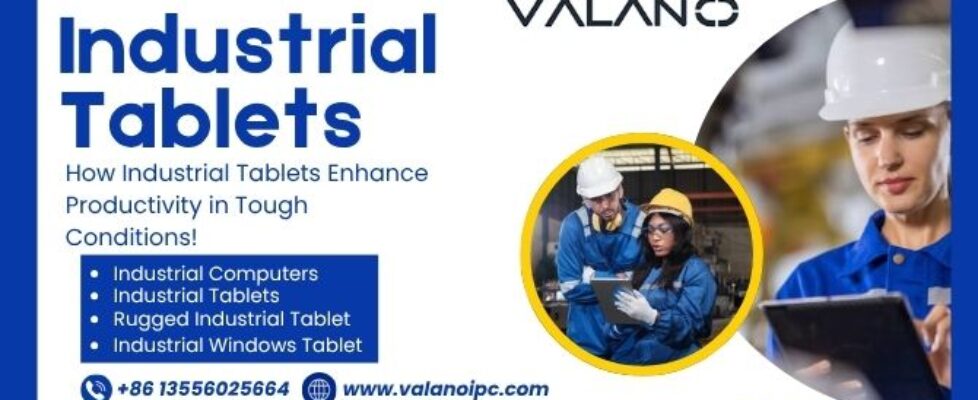
This is precisely where industrial tablets come into play. Engineered to endure harsh conditions while providing powerful computing capabilities, industrial tablets represent a transformative technology that empowers frontline workers with real-time access to data, precise control over operations, and effective communication tools. By seamlessly combining portability and durability with sophisticated software capabilities, industrial tablets enable businesses to reduce delays, minimize errors, and increase overall operational output, even in the most demanding settings.
At ValanoIPC, we specialize in offering high-quality industrial tablets tailored to elevate productivity across a wide spectrum of industries — from manufacturing and logistics to energy, healthcare, and beyond. Boasting ruggedized designs, long battery life, versatile connectivity, and user-friendly interfaces, our industrial tablets are crafted to support your workforce wherever the job takes them.
Why Industrial Tablets Are Essential for Tough Conditions?
To begin, it is crucial to understand the limitations of standard mobile devices in industrial environments and the specific advantages industrial tablets deliver:
Rugged Durability: Industrial tablets are purpose-built to survive drops, shocks, dust, water, extreme temperatures, and vibrations which would typically damage consumer devices.
Enhanced Mobility: Lightweight and portable, these tablets empower workers to carry critical applications directly into the field or on the production floor without losing access to essential data.
Specialized Features: Integrated barcode scanners, thermal imaging, RFID readers, and glove-friendly touchscreens cater specifically to industrial use cases.
Long Battery Life: Extended battery capacity means fewer interruptions in the workday, enabling continuous productivity.
Robust Connectivity: Industrial tablets provide multiple wired and wireless options including Wi-Fi, LTE/5G, Bluetooth, and NFC, ensuring reliable access to the company network and cloud services.
Together, these capabilities mean workers remain connected, informed, and efficient in environments where traditional devices might fail.
Key Features of ValanoIPC Industrial Tablets That Drive Productivity:
ValanoIPC’s industrial tablets are designed with features that directly translate into improved output and lower operational overhead:
IP67/IP68 Ratings: Protection against dust ingress and water immersion allows tablets to function in wet or dirty locations without damage.
Drop Resistance: Many models survive falls from heights of 1.5 meters or more, reducing costly replacements.
Sunlight-Readable Displays: High-brightness screens with anti-glare coatings enable usability in outdoor or brightly lit areas.
Glove and Wet Touch Support: Capacitive touchscreens work accurately even when the operator wears gloves or fingers are wet.
Customizable Data Capture Tools: Built-in scanners, cameras, and sensors reduce the need for additional hardware and simplify workflows.
Enterprise-Grade Security: Supports encryption, biometric logins, and remote management to safeguard sensitive operational data.
Modular Design: Allows for hardware add-ons and accessories, tailoring tablets for specific tasks like inventory management or field service.
These elements collectively boost worker performance and make ValanoIPC tablets an invaluable asset in challenging industrial settings.
Real-World Productivity Gains with Industrial Tablets
Several industries have realized significant productivity improvements by deploying industrial tablets:
Manufacturing: Line managers use tablets to monitor production metrics and adjust machine parameters instantly, decreasing downtime and waste.
Warehouse and Logistics: Real-time barcode scanning and mobile inventory management reduce errors and accelerate shipping processes.
Field Service: Technicians access schematics, order parts on-demand, and update systems remotely, enabling faster service calls.
Construction: Project managers track progress, communicate securely with teams, and access site plans on the move, improving project timelines.
Healthcare: Mobile patient records management improves care coordination even in harsh environments like emergency response or remote clinics.
Best Practices for Deploying Industrial Tablets for Maximum Productivity
To unlock the full potential of industrial tablets:
Identify Use Cases: Map specific workflows and pain points where tablet use can streamline tasks.
Select Suitable Hardware: Choose models with features that align with your environmental and operational demands.
Integrate Software Thoughtfully: Employ applications optimized for mobile use that integrate smoothly with your existing enterprise systems.
Train Users Thoroughly: Provide hands-on training and support to ensure workforce comfort and reduce adoption barriers.
Establish Maintenance and Support: Implement regular software updates, device inspections, and secure data management policies.
ValanoIPC offers consulting and support services to help businesses implement and maximize their industrial tablet solutions effectively.
Industrial tablets are indispensable tools for companies operating in tough conditions who demand mobility without compromising performance or durability. ValanoIPC’s rugged tablet solutions empower frontline workers with real-time access to critical data and operational controls — increasing productivity, reducing errors, and fostering responsiveness even in the harshest environments.
Frequently Asked Questions (FAQ) About Industrial Tablets
Q1: How do industrial tablets differ from consumer tablets?
A: Industrial tablets feature rugged construction, specialized hardware, longer battery life, and support industrial-grade connectivity and peripherals, while consumer tablets are designed primarily for office or home use.
Q2: Can industrial tablets work outdoors in bright sunlight?
A: Yes, many industrial tablets have high-brightness, anti-glare screens specifically designed to be readable in direct sunlight.
Q3: Are industrial tablets compatible with gloves or wet hands?
A: Most rugged industrial tablets support glove touch and wet touch technologies to enable operation without removing protective gear.
Q4: What connectivity options are available on industrial tablets?
A: ValanoIPC tablets offer Wi-Fi, LTE/5G, Bluetooth, NFC, and various wired ports to maintain continuous connectivity in diverse environments.
Q5: How long does the battery last on industrial tablets?
A: Depending on the model and usage, batteries typically last 8 to 12 hours on a single charge, with some offering hot-swappable batteries for extended operation.
Q6: Can industrial tablets be customized with accessories?
A: Yes, they support modular accessories such as barcode scanners, thermal printers, and external antennas to fit specific industry needs.
Q7: What operating systems do industrial tablets support?
A: Commonly supported OS include Windows, Android, and occasionally Linux or proprietary embedded systems, depending on use cases.
Q8: How secure are industrial tablets?
A: They include enterprise-grade security features like biometric authentication, encryption, VPN support, and remote device management.
Q9: How rugged are industrial tablets in actual use?
A: Tested to military standards (MIL-STD-810G/H) for resistance to shock, vibration, dust, temperature extremes, and water immersion.
Q10: What kind of after-sales support does ValanoIPC provide?
A: ValanoIPC offers warranty service, software updates, remote and on-site technical support, and device lifecycle management solutions.
Drafts, leaks, dust infiltration, rattling noises, and energy loss—these are common headaches for homeowners, builders, and manufacturers alike. Whether you’re striving to make your building more energy-efficient, keep your vehicle watertight, or ensure industrial machinery operates in a contaminant-free environment, the solution often boils down to one simple yet powerful component: the rubber sealing strip.
At Qingdao Seashore Industrial Co., Ltd., we know how even seemingly minor issues like air gaps or persistent leaks can lead to significant comfort, safety, and financial consequences. Through decades of OEM and custom sealing experience, we have seen firsthand how deploying the right rubber sealing strip transforms environments—from colder, noisier, and dustier to quieter, safer, and more cost-effective.
Rubber Sealing Strip: The Ultimate Solution for Drafts and Leaks for Qingdao Seashore Industrial Co., Ltd.
1. What is a Rubber Sealing Strip?
Let’s begin with the basics. A rubber sealing strip is a continuous, flexible piece of elastomer (such as EPDM, silicone, or neoprene rubber) designed to fill gaps, buffer surfaces, and keep out unwanted intrusions like water, air, dust, and noise. It might be self-adhesive, slide into grooves, slot into edges, or compress between moving parts.
Unlike rigid gaskets or metal seals, a rubber sealing strip provides elasticity and durability, making it uniquely able to maintain effectiveness under pressure, flexing, or shifting temperatures. Today, sealing strips come in an array of profiles—bulb, P-shape, D-shape, U-channel, and others—each suited to specific uses.
Key Features:
Elastic and compressible
Resistant to weather, UV, and ozone
Customizable for virtually any gap or geometry
Available in adhesive or non-adhesive formats
2. How Drafts and Leaks Affect Buildings, Vehicles, and Equipment
Ignoring unchecked gaps can cause more than just discomfort. Drafts waste energy, create cold spots, and strain HVAC systems. Water leaks may foster mold, damage interiors, or short out critical electronics. Dust and noise impairment can disrupt sensitive machines or degrade workplace comfort.
Consider these implications:
Higher Energy Bills: Unsealed doors and windows make climate control less efficient, hiking up energy costs month after month.
Wear and Tear: Continuous exposure to the elements leads to rust, mold, and premature component failure.
Poor Indoor Air Quality: Outside pollutants, pollen, or exhaust can infiltrate unchecked.
Reduced Asset Value: Buildings and vehicles with moisture damage or poor sealing lose resale value quickly.
A well-applied rubber sealing strip swiftly addresses all of these challenges—often for pennies on the dollar compared to elaborate retrofitting or costly repairs.
3. Why Rubber Sealing Strips Are So Effective?
Unmatched Flexibility Wherever a gap is irregular, shifting, or prone to movement, rigid solutions simply can’t compete. A rubber sealing strip compresses, rebounds, and flexes to conform to ever-changing surfaces—keeping a reliable seal as windows, doors, or panels open and close.
Resistance to the Elements Rubber compounds like EPDM are especially renowned for holding up against intense sunlight, ozone, extreme temperatures, and driving rain. When professionally sourced from Qingdao Seashore Industrial Co., Ltd., a rubber sealing strip can last years without cracking, shrinking, or losing effectiveness.
Custom Fit for Any Application Extruded to any profile, a rubber sealing strip can be custom-tailored for everything from residential doors to advanced industrial enclosures, curved auto windows, and offshore marine vessels.
Simple Installation Saves You Time and Money Thanks to peel-and-stick adhesives, push-in channels, or simple compressive fits, most rubber sealing strips can be installed quickly—even as an after-the-fact upgrade with minimal tools.
4. Applications Across Every Industry
One of the reasons the rubber sealing strip has become an essential product globally is its versatility:
a. Building and Construction
Energy-efficient homes and commercial buildings depend on rubber sealing strips for:
Window and door perimeters
Sliding glass doors
Thresholds and sills
Skylights and attic hatches
b. Automotive and Transport
Sealing strips are found throughout modern vehicles in:
Door frames to stop water and wind ingress
Trunks and hoods
Sunroofs and convertible tops
Engine compartments to block heat and dust
c. Industrial Equipment and Enclosures
Sensitive electronics, control panels, and electrical cabinets all require dust- and moisture-proof sealing.
d. Marine and Heavy Equipment
The rubber sealing strip for marine use must withstand salt spray, UV, and rolling seas—providing watertight protection for windows, hatches, and deck hardware.
e. Consumer Appliances
Even refrigerators, washing machines, and air conditioning units rely on these strips to minimize leaks, conserve energy, and prevent noise.
5. The Science Behind the Seal: How Rubber Stops Drafts and Leaks
A rubber sealing strip works by creating a continuous barrier. When compressed, the rubber’s inherent flexibility fills irregularities and micro-gaps, ensuring nothing sneaks past.
This mechanism offers two crucial benefits:
Air-Tight and Water-Tight Integrity Sealing strips block unscheduled airflow and prevent water from seeping inside sensitive areas—crucial for both energy savings and structural longevity.
Dampening and Isolation Rubber not only seals but also absorbs vibration and shocks, making it a natural noise reducer and protector of moving parts from damaging impact or abrasion.
6. Material Selection Matters: Why EPDM, Silicone, and Neoprene?
Every application demands a specific set of sealing properties. Qingdao Seashore Industrial Co., Ltd. brings expertise in selecting the optimal rubber compound:
EPDM: Best for outdoor/weather, UV, and ozone resistance.
Silicone: Handles extreme temperatures, flexible for food or medical grade use.
Neoprene/NBR: Offers superior oil, grease, chemical, and fuel resistance.
Each rubber sealing strip is compounded and designed for top-notch longevity, saving customers from repeated replacements and headaches down the line.
7. Quality Engineering: How Qingdao Seashore Ensures Superior Sealing
Our R&D and production teams use advanced extrusion, curing, and quality assurance processes to achieve:
Precise shapes and dimensions
Consistent density and compression set resistance
Secure adhesives for peel-and-stick variants
Custom colors and finishes for branding or performance
All our products are fully tested for environmental exposure, flexibility, and sealing reliability.
8. Step-by-Step: Installing Your Rubber Sealing Strip
Proper installation maximizes performance:
Clean the Surface: Remove dirt, oils, or old adhesives.
Dry Fit: Check length and shape, cut if necessary.
Peel and Stick (or Fit Into Channel): Press firmly for adhesive types, ensuring no bubbles or gaps.
Check Compression: Close/Open the door or window to confirm a snug fit.
Routine Inspection: Check every 1-2 years and replace at the first sign of age or failure.
For specialty or industrial applications, Qingdao Seashore Industrial Co., Ltd. can recommend and supply professional installation accessories.
9. The Long-Term Value—Energy, Repairs, and Peace of Mind
The up-front cost of a rubber sealing strip pales in comparison to the years of benefits it unlocks:
Energy Savings: Reduced heating and cooling loss can save 10-20%+ on annual bills.
Lower Maintenance Costs: Protects components from premature failure due to moisture and dust.
Health and Comfort: Keeps allergens, noises, and drafts at bay.
Choosing the wrong material for the environment (e.g., using basic foam instead of EPDM outside)
Poor surface preparation, leading to adhesive failure
Skimping on profile thickness or compression, failing to achieve a tight fit
Infrequent inspections and overdue replacements
Rely on Qingdao Seashore’s expert guidance—from profile selection to field installation—to avoid these costly errors.
11. Custom vs. Off-the-Shelf: Which Rubber Sealing Strip Do You Need?
While hardware stores offer standard profiles, complex projects may require a custom rubber sealing strip:
Unusual geometries or corners
Color matching for aesthetics
Special performance (fire resistance, conductivity)
Co-extruded strips for multi-functional roles
At Qingdao Seashore Industrial Co., Ltd., we can prototype, sample, and mass-produce precisely what your system needs.
12. Rubber Sealing Strip Innovations—What’s Next?
The field is ever-advancing:
Self-healing and antimicrobial rubbers
Sensors integrated into strips to detect leaks
Recycled eco-friendly elastomers
Smart adhesives for easier installation and longer life
Qingdao Seashore is committed to staying at the forefront to deliver next-gen solutions.
13. Real-World Proof: Case Studies
Homeowner Energy Bills Slashed A 25-year-old house saw a 19% reduction in heating cost after replacing old foam with new EPDM rubber sealing strips from Qingdao Seashore Industrial Co., Ltd.
Automotive OEM Cuts Recall Risk Switching to custom-fit, weather- and UV-resistant door sealing strips eliminated water intrusion complaints and warranty claims for a major automaker.
Food Logistics Company Prevents Mold By outfitting refrigerated trucks with hygienic, easily-cleaned silicone strips, a transport company improved food safety and compliance, cutting cleaning downtime.
The rubber sealing strip is more than just a building accessory or machine part—it’s a silent, vigilant provider of comfort, safety, and performance. Whether battling the elements, protecting high-value assets, or simply keeping your space draft-free and quiet, its benefits are both immediate and enduring.
Frequently Asked Questions (FAQ)
Q1: How long does a typical rubber sealing strip last?
With the right material and installation, many strips from Qingdao Seashore last 5–15 years, sometimes more.
Q2: Can I install a rubber sealing strip myself?
Yes, for windows, doors, and many applications—just carefully follow prep instructions. For high-pressure, chemical, or high-heat environments, professional installation is recommended.
Q3: How do I know which profile or material is right?
Consult with Qingdao Seashore’s team—provide details about exposure, temperature, and required gap sealing, and we’ll recommend the best match.
Q4: Can I order custom lengths and shapes?
Absolutely! Custom extrusion is our specialty. We also offer cutting, notching, and special packaging.
Q5: Are rubber sealing strips safe for food or medical use?
Yes, with specialized food-grade or medical-grade compounds and manufacturing controls.
Q6: Will sunlight or ozone damage my rubber sealing strip?
Not if you select UV- and ozone-resistant options like EPDM. Avoid ordinary cheap foam for outdoor or sun-exposed uses.
Q7: How much energy can I really save by sealing my doors/windows?
Studies show annual energy savings can range from 10-20%, depending on air tightness improvements. Immediate comfort improvements are noticeable.
Q8: Do you offer colored sealing strips to match my design?
Yes, color matching is available for many materials—just ask for a sample.
Q9: Are there fire-resistant options?
We offer flame-retardant compounds for building, transport, and industrial regulations compliance.
Q10: What sets Qingdao Seashore Industrial apart from other suppliers?
We combine deep technical knowledge, in-house custom R&D, certified production, rapid prototyping, and responsive customer service.
In today’s age of high-speed manufacturing, global competition, and relentless technological advances, the demands on engineers, procurement teams, and production managers are unprecedented. Success in modern engineering is no longer just about high-quality components—it’s about how quickly and cost-effectively those components can be made available, assembled, and put to use in real-world machinery.
Nowhere is this truer than in the realm of hydraulic and pneumatic systems. As one of the essential building blocks in fluid power applications, the quality and availability of cylinder tubes can determine not only the reliability but also the speed of product development and maintenance cycles. Consequently, a paradigm shift is underway: more and more manufacturers are embracing the Ready to Honed Tube as a shortcut to efficiency, quality, and business agility.
What is Ready to Honed Tube?
To appreciate the impact of Ready to Honed Tube, we first need to understand its definition and origin. In the traditional manufacture of hydraulic and pneumatic cylinders, the process begins with raw or cold-drawn seamless tubes. These tubes must undergo several machining and surface treatment operations—most notably boring and honing—before they can be used as cylinder barrels.
The Ready to Honed Tube flips this model on its head. Rather than starting with a rough, unfinished tube, the manufacturer supplies a tube that has already been processed to a near-final internal diameter, roundness, and straightness. All that is left for the customer (if anything) is a light final honing—sometimes, not even that.
In practical terms, a high-quality Ready to Honed Tube is:
Cold drawn or hot finished seamless tube,
Delivered with a precise internal diameter,
Finished with exceptional straightness and roundness,
With inner surface roughness and tolerance optimized for honing or, in some cases, direct use in cylinder manufacturing.
This drastically cuts down the time and resources needed from the manufacturer or repair shop, shifting the heavy lifting of precision machining upstream to experts such as Shandong Baokun Metal Material Co., Ltd.
The Traditional Cylinder Tube Challenge
Traditionally, cylinder tube production has followed labor-intensive, multi-stage processes:
Procurement of raw tube stock
Rough boring
Honing to the final size and finish
Cleaning, inspection, and machining
Final assembly
Each of these stages brings with it potential hazards: injecting extra cost, delays, potential surface defects, and human factors. For small manufacturers or maintenance teams, investments in precision honing machines, skilled operators, and rigorous inspection can be prohibitive.
Time and production bottlenecks frequently resulted from:
Waiting on semi-finished tube deliveries,
Variability in tube quality,
Need for significant in-house machining,
Equipment downtime and quality rejections.
Fortunately, modern sourcing approaches offer a solution: the Ready to Honed Tube.
How Ready to Honed Tube Streamlines and Accelerates Production?
The manufacturing landscape is changing, and Ready to Honed Tube is a key driver. Let’s outline exactly how Ready to Honed Tube accelerates production and adds value to modern engineering.
1. Elimination of Labor-Intensive Pre-Processing By receiving a tube that is already straightened, dimensioned, and nearly finished internally, fabricators skip a major chunk of internal machining and boring. This frees skilled labor for higher-value activities, reduces the need for capital investment in specialized machinery, and clears shop floors for more productive work.
2. Reduction of Lead Times and Inventory Investment Because Ready to Honed Tubes are delivered near ready for final honing (or even assembly in certain designs), production and maintenance schedules are much shorter. Companies avoid holding costly raw tube inventories, enabling:
Lean Manufacturing practices
Just-In-Time (JIT) workflows
Fast turnaround on repairs and new builds
3. Consistent Quality and Tolerances A reputable Ready to Honed Tube supplier like Shandong Baokun Metal Material Co., Ltd. employs advanced manufacturing and quality control practices:
Precision cold drawing or hot finishing
Dimensional control on ID, OD, roundness, and straightness
Optimized surface roughness for honing
This consistency ensures that every batch of tube meets strict industry standards—eliminating variability and minimizing rework.
4. Reduced Scrap and Rejection Rates When starting from high-quality Ready to Honed Tube, the likelihood of encountering defects (e.g., pits, cracks, excessive out-of-roundness) is minimized. This results in fewer scrap cylinders, less waste, and higher yields—a direct boost to the bottom line.
5. Flexibility for Custom Applications Ready-to-Honed Tubes are available in a broad array of:
Diameters and wall thicknesses
Material grades (including ST52/E355, ST37, alloy and stainless steels)
Lengths (custom-cut as needed)
This flexibility means that even custom or non-standard cylinders can scale up rapidly, with less waiting, machining, or material customization needed in-house.
6. Fewer Quality Control Headaches When raw tube preparation is done by a specialist, manufacturers and repair operations spend less time on error-prone measurements, defect analysis, and quality documentation. Instead, they can rely on supplier-supplied certifications and batch test reports—another time and cost saving.
7. Seamless Integration Into Automated Production Lines Modern cylinder manufacturing increasingly involves CNC machining, robotics, and automated assembly. The high dimensional accuracy and surface quality of Ready to Honed Tube mesh seamlessly with such systems, reducing the need for time-consuming manual interventions.
Core Technical Advantages Delivered by Ready to Honed Tube
The impact of Ready to Honed Tube is rooted in its technical characteristics:
Accurate Internal Diameter: Typically within H8-H9 tolerances, ideal for hydraulic sealing and piston fit.
Superior Roundness and Straightness: Enables smooth piston travel, reduces wear, and supports high cycling rates.
Optimized Surface Roughness: Starting Ra values suitable for efficient, final honing—some tubes offer finishes good enough for direct cylinder use, especially if secondary rollers or burnishers are used.
Material Cleanliness: High-grade steel with minimal internal defects, decarburization, or inclusions.
Cost-Efficiency: Reduced labor, power, and machining costs per cylinder produced.
Why Modern Engineering Relies on Ready to Honed Tube?
1. OEM Cylinder Production For OEMs manufacturing hundreds or thousands of hydraulic cylinders for excavators, cranes, presses, and agricultural machinery, every efficiency counts. Ready to Honed Tube allows shorter production cycles, repeatable quality, and faster new product introductions.
2. Maintenance & Repair Services (MRO) Downtime is costly for end-users. MRO providers can restore a failed hydraulic cylinder in hours—not days—by welding, assembling, and finish-honing with Ready to Honed Tubes already in inventory. Rapid service means happier customers and recurring business.
3. Custom and Small-Batch Manufacturing Even specialist cylinder makers and prototyping workshops benefit. With less investment in boring and honing machinery, and with pre-selected tube sizes, a small team can offer high-quality, bespoke solutions rapidly.
4. Technology and Automated Industries Robotic, mechatronic, and high-precision applications demand tight tolerances and low-friction movement from day one. Ready to Honed Tubes support the integration of these products into complex, automated lines with minimal manual tuning.
Shandong Baokun Metal Material Co., Ltd: Your Global Ready to Honed Tube Partner
Decades of expertise, advanced production technology, and a commitment to quality make Shandong Baokun Metal Material Co., Ltd a global leader in supplying Ready to Honed Tube for modern engineering.
Our Advantages:
Broad Product Range: From diameters 32mm to 800mm, wall thickness 3mm to 50mm
Multiple Material Grades: ST52/E355, ST37, stainless, and custom alloys
Stringent Quality Control: Adhering to DIN 2391, EN 10305-1, ASTM A519
Custom Lengths and Machining: Precisely cut and delivered as per customer requirements
Surface Preparation: ID roughness commonly to Ra 0.3-0.8μm, optimizing final honing effort
Global Shipping: Ensuring on-time, safe delivery worldwide
Technical Support: Dedicated team helping customers choose the best Ready to Honed Tube solutions for their needs
Implementation: Using Ready to Honed Tube in Your Workflow
Step 1: Define Your Application Needs
Cylinder size, working pressure, and application specifics.
Regulatory and quality standard requirements.
Step 2: Consult with Shandong UPSCHEM Co., Ltd.
Provide target dimensions (ID, OD, wall thickness, length).
Specify material and roughness requirements.
Discuss batch size, delivery schedules, and any special processing.
Step 3: Ordering and Logistics
Place orders for required sizes and grades.
Schedule deliveries in sync with production plans.
Step 4: Processing and Assembly
If needed, conduct final light honing, grooving, or port machining.
Proceed directly to welding, assembly, and testing without major internal machining.
Step 5: Quality Control
Use supplier-provided inspection certificates.
Verify ID, finish, and straightness as per application.
Step 6: Production or Maintenance Delivery
Assemble and ship products faster.
Achieve consistent, high-quality output.
Transform Your Production with Ready to Honed Tube
In the relentless race of modern engineering, where every hour and every micron counts, the old way of producing hydraulic or pneumatic cylinder tubes is no longer enough. The Ready to Honed Tube presents a smarter, leaner, and more competitive path for manufacturers and MRO organizations worldwide. With this approach, quality goes up, production time and cost go down, and the capacity to respond swiftly to market needs is dramatically improved.
Frequently Asked Questions (FAQ) About Ready to Honed Tube
1. What dimensions and tolerances are available for Ready to Honed Tube?
At Shandong Baokun Metal Material Co., Ltd, Ready to Honed Tubes range from 32mm to 800mm internal diameter, wall thicknesses from 3mm to 50mm, and lengths up to 12 meters or more. We routinely hold H8-H9 tolerance on ID and out-of-roundness <0.03mm.
2. Is final honing still required when using Ready to Honed Tube?
Usually, only minimal or final honing is needed to achieve the absolute best finish for sealing, though some applications can use the tubes without further processing depending on surface roughness and tolerances needed.
3. What materials are commonly supplied as Ready to Honed Tube?
Most popular is ST52/E355 for high-strength hydraulic cylinders. We also offer ST37/E235, high alloy, and stainless steels for specialist requirements.
4. How do Ready to Honed Tubes ensure quality and performance?
Our Ready to Honed Tubes undergo straightness, roundness, surface roughness, mechanical strength, and internal defect testing. All come with full batch certification.
5. Can you cut Ready to Honed Tubes to custom lengths or pre-machine special features?
Definitely. Tubes can be supplied cut-to-length and can be pre-machined for ports, threads, or grooving to streamline your production chain.
6. What surface roughness can be expected on delivery?
Delivery Ra typically ranges from 0.3 to 0.8μm, ideal for quick final honing down to Ra 0.2 or even Ra 0.1μm for precision cylinder sealing.
7. Are Ready to Honed Tubes suitable for high-pressure or high-temperature cylinder applications?
Yes—when matched with the correct grade (like ST52/E355 or specific alloys) and thickness, our Ready to Honed Tubes easily handle standard and extreme performance environments.
8. What are the packaging and delivery options?
Tubes are oiled, plastic-capped, and packed in robust export-standard wooden cases or steel-banded bundles to avoid damage in transit.
9. How quickly can I receive Ready to Honed Tube orders?
Standard sizes may ship from stock within days. Custom dimensions and batches usually ship within 1-3 weeks, with expedited options available internationally.
10. Why select Shandong Baokun Metal Material Co., Ltd. for Ready to Honed Tube?
We couple advanced production with global logistics and in-depth technical support, ensuring clients always have the right solution—in the right size—on time and on budget.
In the digitized world of Industry 4.0, the humble factory floor has transformed into a sophisticated, interconnected network of machines and people. At the heart of this transformation lies the industrial panel PC—an essential user interface between operators and machines, facilitating the ever-accelerating move toward automation, data-driven decision-making, and smarter manufacturing. Behind every reliable panel PC is a group of specialized industrial panel PC manufacturers whose role in the ecosystem is more crucial than ever.
However, with dozens of industrial panel PC manufacturers vying for attention, navigating the crowded marketplace can be daunting. The stakes are high: the wrong choice could leave your business vulnerable to equipment failures, integration delays, cybersecurity risks, or costly downtime. The right manufacturer, by contrast, becomes a strategic partner—delivering not just equipment, but complete solutions that support your evolving operational demands.
Why Choosing the Right Industrial Panel PC Manufacturer Matters?
Every manufacturing operation, whether it’s a high-speed automotive plant or a precision pharmaceutical facility, faces unique challenges—from environmental hazards and strict regulations to rapid order cycles and growing cyber threats. Industrial panel PCs are the “face” of your machinery and data systems, critical for process control, monitoring, and production reporting.
But not every panel PC is created equally. Partnering with the right industrial panel PC manufacturers influences:
Operational Uptime: Rugged reliability and high-quality components mean fewer interruptions or unscheduled downtime.
System Integration: Manufacturers who understand the intricacies of industrial protocols, SCADA, MES, and PLCs accelerate deployment and avoid costly compatibility headaches.
Lifecycle Support: Long-term availability of parts, software updates, and service mean you’re not left unsupported when standards or technologies evolve.
Customization: The best industrial panel PC manufacturers can adapt their designs—screen size, mounting, I/O, OS, and features—to your unique application.
Compliance: Ensuring the equipment meets industry certifications (e.g., CE, FCC, UL, ATEX) for your region and sector.
Future-Readiness: Leading vendors invest in R&D for the latest tech—AI, edge computing, IIoT—so your investment is never obsolete.
Key Criteria for Evaluating Industrial Panel PC Manufacturers
1. Proven Industry Experience It’s not just about how long a manufacturer has been in business. Look for industrial panel PC manufacturers with a track record in your specific industry—be it food and beverage, automotive, electronics, energy, logistics, or pharmaceuticals. Experienced suppliers understand compliance, integration requirements, and typical operational pain points.
2. Product Quality and Ruggedness Not all panel PCs survive the rigors of harsh environments—high temperatures, dust, chemicals, vibration, or electrical noise. Top manufacturers design for durability, often achieving IP65/IP66 ratings (for dust and water), MIL-STD-810 shock and vibration standards, and using high-grade materials like reinforced glass and corrosion-resistant housings.
3. Customization Capabilities Every facility is different. Look for industrial panel PC manufacturers who offer flexible I/O (serial, USB, CAN Bus, digital), a range of screen sizes (7”–24” and beyond), touch technologies (resistive, capacitive), and modular add-ons (barcode/RFID readers, Wi-Fi, cameras). Software customization support for Windows, Linux, Android, or proprietary systems is a plus.
4. Certifications and Compliance Make sure your supplier’s equipment meets all relevant certifications. This includes international and local standards for electrical safety, electromagnetic compatibility, and sector-specific needs (ATEX, Class I Division 2 for hazardous zones, GMP for pharma, etc.).
5. Supply Chain Security & Lifecycle Support Choose manufacturers who can guarantee long-term part availability (5–10 years is ideal), clear end-of-life (EOL) announcements, and who support legacy hardware with updated drivers and security patches.
6. Integration and Support Services Top industrial panel PC manufacturers offer more than just hardware: they provide pre-sales engineering, system integration, on-site installation, remote monitoring, and prompt technical support—even globally.
7. Innovation and Future Readiness Select partners who invest in R&D for edge processing, AI, IIoT gateways, cybersecurity, and next-gen display tech. Your industrial panel PC is not just a touchscreen—it’s a gateway for future analytics, remote operations, and smart automation.
Key Features to Look for in Industrial Panel PCs
A reputable manufacturer should offer (or customize):
Wide Operating Temperature Range: –20°C to +60°C or more
Sealed, Fanless Design: Reduces maintenance and increases lifespan
IP65/IP66 Rating at the Front Panel: Dust/water resistance
Bright, High-Resolution Displays: Sunlight readable for outdoor use
Touch Technology: Glove-friendly, multi-touch, even under wet conditions
Rich I/O: Multiple Ethernet, serial, USB, and expansion slots
Working with Industrial Panel PC Manufacturers: Step-by-Step Process
1. Define Your Application Start with detailed requirements—industry, environmental conditions, physical space, connectivity, software needs, compliance and user workflow.
2. Shortlist Qualified Manufacturers Research reviews, client testimonials, and cross-check certifications. Request references for companies in your industry.
3. Request and Test Samples Never skip field testing. High-quality industrial panel PC manufacturers provide demo units for in-situ testing—verify performance, compatibility, and user acceptance.
4. Customize as Needed Discuss display size, touch technology, I/O, and other modular options. Top manufacturers collaborate closely with your engineering/IT teams.
5. Confirm Lifecycle Support Ask about part availability for legacy models, warranty terms, future product roadmap, and upgrade/migration options.
6. Plan Deployment and Training Seek vendors who can assist with pilot rollouts, IT integration, user training, and provide on-site setup/commissioning if needed.
7. Maintain a Long-Term Relationship Choose a manufacturer focused on partnership, not just sales. Ongoing communication ensures your panel PCs evolve with your operation’s needs.
Common Pitfalls to Avoid When Selecting Industrial Panel PC Manufacturers
Focusing only on lowest price (instead of value and TCO)
Neglecting environmental and compliance testing
Choosing consumer-grade hardware
Ignoring support and warranty terms
Failing to future-proof through scalable designs
Overlooking software and cyber security
ValanoIPC: Your Trusted Industrial Panel PC Manufacturer
With decades of experience, global reach, and an unwavering commitment to quality, ValanoIPC has earned its reputation as a world-class industrial panel PC manufacturer. Here’s what sets us apart:
Industry Expertise: Trusted by top players in automotive, food, pharma, and logistics for robust, turnkey HMI and automation solutions.
Custom Engineering: Flexible configurations, branding, and user experience.
Longevity: Supply continuity, EOL management, and backward compatibility.
Innovation: Rapid adoption of AI, edge computing, and IIoT standards.
Global Support: Multilingual teams, global logistics, and 24/7 technical response.
Commitment to Results: From concept to deployment to lifecycle management, ValanoIPC is a partner in your digital transformation journey.
Industrial Panel PC Selection in Action: Real-World Examples
Automotive Assembly Line A leading auto manufacturer needed sunlight-readable, glove-friendly HMIs for robot cell control, with rapid deployment across multiple continents. ValanoIPC’s modular panel PC lineup met strict IP65 and vibration specs, while our global supply chain and multi-language support delivered seamless implementation.
Food Processing A dairy processing facility required corrosion-proof, regularly sanitized touchscreens. ValanoIPC developed custom stainless-steel panel PCs, hot-swappable with backup units, slashing downtime and meeting FDA hygiene standards.
Oil & Gas For hazardous refinery zones, rugged, explosion-proof panel PCs from ValanoIPC ensured safe, continuous operation with advanced cybersecurity and redundancy.
Smart Warehousing A major logistics firm deployed ValanoIPC’s compact panel PCs with integrated barcode and RFID readers, cutting picking errors by 22% and boosting operator throughput.
Future-Proofing Your Operations: Trends to Watch
Smart factories are evolving fast:
Edge AI: Panel PCs with AI chips for on-location analytics, defect detection, and process optimization.
IIoT Connectivity: Seamless integration with wireless sensors, gateways, and unified cloud dashboards.
Ultra-Wide and 4K Panels: For complex, graphics-rich control environments.
Universal Mounting and Mobility: Hybrid units that convert between fixed and mobile use.
Remote Management: Automated firmware, diagnostics, and device health reporting—supporting the next generation of “lights out” factories.
Make Your Next Industrial Panel PC Manufacturer a Strategic Partner
Selecting the best industrial panel PC manufacturers is a decision that touches every part of your operation—reliability, compliance, flexibility, and ultimately, profitability. The right partner delivers peace of mind, sustainable value, and continuous innovation. With ValanoIPC, you gain more than a product—you gain a partner for the full journey of your smart manufacturing future.
Frequently Asked Questions (FAQ) About Industrial Panel PC Manufacturers
1. Why should I choose an industrial panel PC instead of a standard touch monitor or consumer device?
Industrial panel PCs are engineered for harsh, 24/7 production environments, with advanced sealing, shock resistance, and lifecycle support. Consumer hardware simply will not survive—or meet compliance—in industrial operations.
2. How do I know a manufacturer is reliable?
Look for years of experience, industry certifications, robust reference projects, and transparent lifecycle policies. ValanoIPC, for example, provides case studies, references, and open communication throughout your journey.
3. Can industrial panel PC manufacturers customize products for my application?
Top manufacturers, including ValanoIPC, routinely offer customizable I/O, mounting, display sizes, and OS/software builds—contact their engineering team to discuss your needs.
4. Do panel PC manufacturers offer integration and aftersales support?
Yes! Leading vendors provide pre-sales consulting, integration services, deployment support, and long-term maintenance across the product life cycle.
5. What should I expect in terms of warranty and support?
Expect three to five years of standard warranty, with optional extensions. Ask about global support coverage, rapid replacement, and advance RMA services.
6. How do industrial panel PC manufacturers address cyber security?
ValanoIPC and other innovators offer TPM hardware security, BIOS/firmware management, patching, and support for encrypted storage and secure boot to protect your data and operations.
7. Are legacy system integrations supported by modern panel PC vendors?
Yes, with the right mix of serial, CAN, and digital I/O, backed by experienced engineers, integration is straightforward—even with legacy PLCs and machinery.
8. How long do industrial panel PCs last?
With no moving parts (fanless design), robust housings, and high-quality components, expect lifespans of 7–10 years—dramatically longer than consumer or office-grade devices.
9. Do manufacturers offer environmentally rated options for hazardous, outdoor, or cleanroom locations?
Yes. ValanoIPC and other top manufacturers supply specially certified units (IP67, ATEX, explosion-proof, etc.) for any environment.
10. Can I rely on panel PC manufacturers for large-scale, multi-site deployments?
World-class manufacturers like ValanoIPC have a proven track record managing global rollouts with on-site setup, configuration, and ongoing local support.
Hydraulic systems have become synonymous with modern industry, powering everything from earth-moving machinery to industrial presses and agricultural equipment. For these high-powered systems, reliability is non-negotiable. While the focus often lands on pumps, valves, and cylinders, seasoned engineers know that true reliability starts with one critical—but often overlooked—component: the hard chrome plated piston rod.
A failure of this core component halts equipment, jeopardizes safety, and drives up costly downtime. Conversely, a high-quality hard chrome plated piston rod can boost system efficiency, enhance safety, and dramatically reduce maintenance needs.
1. Understanding the Hard Chrome Plated Piston Rod
What Is a Hard Chrome Plated Piston Rod?
A hard chrome plated piston rod is a precision-machined steel shaft with a surface finished by a layer of hard chromium through electroplating. Its main function is to transfer force from the hydraulic piston to the machine mechanism, while extending and retracting within a cylinder. What sets the rod apart is its hard, smooth, corrosion-resistant surface, which navigates tight seals and endures constant, high-frequency mechanical motion.
Critical Role in Hydraulic Cylinder Function
Inside every hydraulic cylinder, the piston rod operates at the system’s front line. It must:
Withstand high pressure and bending forces
Slide smoothly through seals without damaging or being damaged by them
Resist environmental contaminants and corrosive fluids
Maintain straightness and surface integrity over millions of cycles
Without a quality hard chrome plated piston rod, even the best-designed hydraulic system is at risk for leaks, premature wear, and catastrophic breakdowns.
Where Are Hard Chrome Plated Piston Rods Used?
You’ll find these rods wherever high-performance motion and heavy-duty reliability are needed:
Construction equipment (excavators, loaders, cranes, bulldozers)
Heavy manufacturing (injection molding, stamping presses, automation)
Marine systems (winches, steering gear)
Truck and transport hydraulics (dump bodies, liftgates)
2. Material Science and Engineering Behind the Rod
a) Superior Steel Grades
Performance begins with the rod’s core material. At Shandong Baokun Metal Material Co. Ltd., hard chrome plated piston rods are manufactured from steels such as:
C45/1045: Excellent wear resistance and good machinability for most applications.
42CrMo4/4140: Higher toughness, used for high-load or impact-prone environments.
Customized Alloys: For unique or demanding applications, special steels are available.
b) The Straightness Factor
Hydraulic reliability demands straight rods, typically with a deviation of less than 0.2 mm per meter. Excessive bend can damage seals, generate vibrations, and reduce cylinder efficiency. Precision straightening machines are used at every stage to guarantee specification.
c) The Importance of Dimensional Accuracy
Diameter and tolerance matter. Too large, and the rod can wear seals; too small, and fluid leaks will occur. Standard tolerances typically fall within f7, while length can be customized for your application.
3. The Hard Chrome Plating Process
a) Precision Grinding
The raw steel rod is ground to an exact diameter before plating, giving a smooth surface that is a foundation for perfect chrome adhesion. This ensures the finished rod is dimensionally accurate.
b) Electroplating: The Heart of the Process
The cylinder rod is cleaned, then submerged in a chromium acid bath. An electrical current initiates deposition, binding a tightly controlled layer of hard chrome to the rod.
Typical technical features:
Thickness: 20-40 μm (can reach up to 60 μm for marine or corrosive conditions).
Hardness: Minimum 900 HV, up to 1200 HV.
Adhesion: No flaking, bubbles, or pits—critical to safety.
c) Mirror Polishing
After plating, the rod is polished to achieve an ultra-smooth finish (Ra ≤ 0.2 μm). This reduces friction, aids seal movement, and extends system life.
d) Comprehensive Quality Checks
Shandong Baokun Metal Material Co. Ltd. performs:
Thickness and hardness testing
Surface microscopy for defects
Straightness checks
Adhesion and corrosion resistance tests (such as salt spray tests)
Certification to DIN, ISO, ASTM international standards
4. Performance Advantages of a Hard Chrome Plated Piston Rod
a) Unmatched Wear Resistance Seals and rod surfaces meet with thousands of cycles per day. The hard chrome layer greatly outlasts untreated steel or soft coatings, fighting abrasive wear for years.
b) Supreme Corrosion Protection The combination of dense chrome plating and polished finish resists corrosion from water, hydraulic oils, and even harsh chemicals. In outdoor, marine, agricultural, and mining applications, this is vital.
c) Outstanding Load Capacity The best hard chrome plated piston rods withstand significant bending and tensile stresses—a must for heavy, fast, or shock-loaded equipment.
d) Lower Friction, Less Heat, More Efficiency Smooth rods mean less energy is lost to friction. Seals last longer, the hydraulic pump works less, and energy consumption drops.
e) Reduced Maintenance Costs Long-lived rods and seals mean fewer repairs, less unplanned downtime, and a lower total cost of ownership.
5. Selection Criteria for Your Hard Chrome Plated Piston Rod
When choosing the right rod, you must evaluate:
a) Diameter and Stroke Choose a diameter based on load, length, and critical buckling calculations; stroke length must match your cylinder’s mechanical requirements.
b) Core Material Standard or alloy? High-strength alloys are essential for shock- or impact-loaded environments.
c) Chrome Thickness Standard is 20–40 μm; for marine, offshore, or chemical industries, go thicker—up to 60 μm or even double-layered chrome/nickel for aggressive corrosion resistance.
d) Surface Finish A sub-micron surface (Ra ≤ 0.2 μm) is best for modern seals and minimizes friction and leakage.
e) Special Applications Do you need custom grooving, holes, or drilling for special applications? Do you require induction hardening or extra corrosion protection? Consult Shandong Baokun Metal Material Co. Ltd. for tailored solutions.
6. Proper Installation and Maintenance Tips
a) Installation Guidelines
Always protect rod surfaces from nicks and dents during handling and assembly.
Ensure correct alignment during cylinder assembly to avoid side loads on seals and rods.
Use only quality hydraulic fluid and seals, compatible with both chrome and the fluid medium.
b) In-Service Inspection
Routinely inspect rods for scratches, corrosion spots, or pitting.
Wipe rods clean before and after use in dirty or abrasive environments.
Check seals regularly; replace promptly if wear is visible.
c) Preventative Maintenance
Lubricate moving components and keep exposed rods protected from the elements (especially if idle for long periods).
In corrosive environments, additional rod covers or boots may be warranted.
7. Troubleshooting Common Piston Rod Issues
Surface Damage Scratches, dings, or pits can quickly wear seals and create leak points. Remedy: rods may be repaired by regrinding and rechroming if the core is in good condition.
Corrosion Rust indicates that the chrome layer has been breached—often by chemical exposure or deep mechanical wear. Remedy: replace or repair affected rods, check seal condition and inspect environment for corrosive agents.
Rod Bending or Fatigue Excessive side loads, shock loading, or improper mounting cause bending. Visibly bowed rods must be replaced, as straightening rarely restores original material properties.
Seal Wear or Failure Poor surface finish, contaminants, or using improper lubricants can cut seal life short. Remedy: Replace seals regularly, keep rods clean, and consult with your supplier about fluid compatibility.
Trust the Experts, Invest in Quality
The hard chrome plated piston rod is far more than a passive component—it is the backbone of hydraulic cylinder reliability. Its role is critical, as it bears the brunt of daily stress, sliding millions of times within demanding, abrasive, and corrosive environments. Selecting rods with the right material, surface hardness, thickness, and finish makes the difference between smooth, uninterrupted operation and ongoing headaches.
Frequently Asked Questions (FAQ)
1. What’s the typical chrome plating thickness for hydraulic applications?
Most rods use 20–40 μm. However, extremely harsh or corrosive environments (saltwater, chemical processing) may demand up to 60 μm or the addition of a nickel underlayer.
2. Can a damaged hard chrome plated piston rod be repaired?
Yes, often rods can be reground and rechromed—provided the core steel is undamaged. This process should always be performed by experienced professionals.
3. How do I identify a failing piston rod?
Look for visual cues: scoring, pitting, corrosion, or visible bending. Performance-wise, symptoms are increased oil leakage, erratic cylinder motion, or rapid seal failure.
4. Are there eco-friendly alternatives to traditional chromium plating?
Many manufacturers are moving toward trivalent chrome and alternative coatings such as hard nickel or ceramic-based layers, reducing environmental impact and satisfying strict international regulations.
5. How does Shandong Baokun Metal Material Co. Ltd. ensure rod quality?
Our company utilizes state-of-the-art production lines, strict quality control at every step (straightness, hardness, thickness, finish), and adheres to DIN/ISO/ASTM specifications. Every rod comes with certification and traceability.
6. How can I increase the service life of my piston rods?
Keep rods clean and lubricated, replace seals proactively, inspect regularly for damage, and work with a reputable supplier for quality and correct specification.