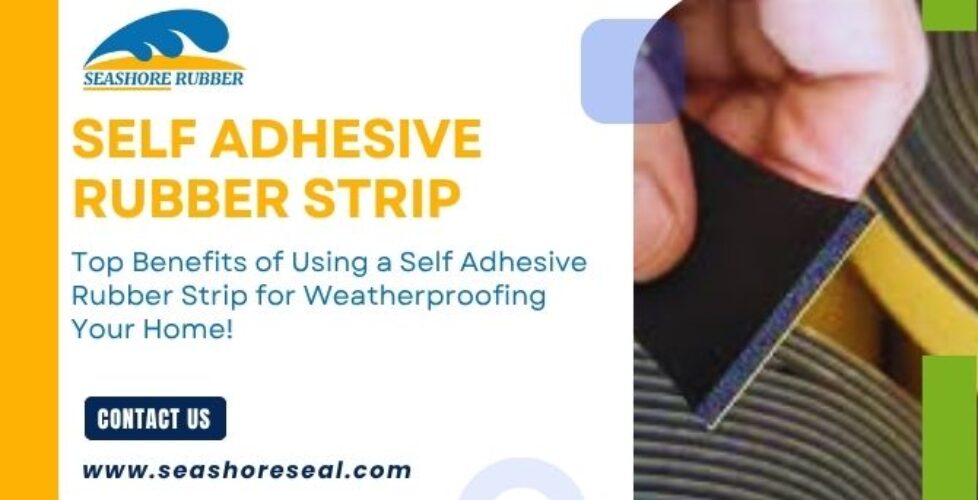
Top Benefits of Using a Self Adhesive Rubber Strip for Weatherproofing Your Home!
When it comes to keeping your home comfortable, energy‑efficient, and protected from the elements, weatherproofing is one of the smartest investments you can make. Yet, many homeowners still rely on outdated or incomplete solutions—leaving gaps around doors, windows, and other openings that quietly drain money and compromise comfort. This is where a simple but highly effective product can make a remarkable difference: the self adhesive rubber strip.
In recent years, self adhesive rubber strips have become a go‑to choice for both homeowners and professionals who want a fast, durable, and economical way to seal gaps and stop unwanted air, moisture, and noise. These unobtrusive strips may look simple, but they are engineered to deliver long‑lasting performance under a wide range of conditions. Moreover, they are easy enough to install without specialist tools or advanced DIY skills.
As a specialized manufacturer and supplier of rubber sealing solutions, Qingdao Seashore Industrial Co., Ltd. has seen firsthand how the right weatherproofing products can transform a property. From reducing heating and cooling costs to improving indoor comfort and extending the life of doors and windows, the advantages of using a self adhesive rubber strip go far beyond basic draft prevention.
Why Weatherproofing Your Home Matters More Than Ever?
It is important to understand why weatherproofing should be a priority.
First, energy prices are rising in many parts of the world. Poorly sealed homes lose heated or cooled air through tiny cracks and gaps, forcing HVAC systems to work harder and consume more energy. Even a small gap around a door or window can lead to significant energy losses over the course of a year.
Second, modern homeowners are increasingly focused on indoor comfort and air quality. Drafts, cold spots, and uncontrolled moisture ingress do more than lower comfort levels—they can also create an environment where mold, condensation, and structural deterioration become more likely.
Finally, there is the issue of sustainability. Reducing energy waste is one of the easiest ways to lower a home’s carbon footprint. Weatherproofing is a relatively low‑cost intervention that can deliver long‑term environmental and financial benefits.
Therefore, a robust and well‑planned weatherproofing strategy is not a luxury; it is an essential component of a modern, efficient home. Among the various tools and materials available for this purpose, the self adhesive rubber strip stands out as one of the most practical and efficient.
What Is a Self Adhesive Rubber Strip?
A self adhesive rubber strip is a flexible sealing material made from rubber (often EPDM, silicone, or other synthetic compounds) with a pressure‑sensitive adhesive backing. This adhesive layer is protected by a removable liner. Once the liner is peeled off, the strip can be pressed directly onto a clean surface—such as a door frame, window sash, or other building component—where it adheres firmly and creates an effective seal.
Key Characteristics
- Self‑adhesive backing
The adhesive layer enables quick installation without separate glues, screws, or fasteners. - Flexible rubber material
The rubber can compress and expand slightly to accommodate movements, gaps, and thermal expansion in building components. - Available in various profiles and sizes
Self adhesive rubber strips come in different shapes (D‑shape, P‑shape, E‑shape, flat strips, hollow sections, etc.) and dimensions to suit different gap sizes and applications. - Weather‑resistant formulation
High‑quality strips, such as those designed and manufactured by Qingdao Seashore Industrial Co., Ltd., are formulated to withstand UV exposure, temperature fluctuations, humidity, and general wear and tear.
Because of these characteristics, self adhesive rubber strips are versatile and can be applied not only in residential homes but also in commercial buildings, vehicles, marine applications, and industrial settings.
Top Benefits of Using a Self Adhesive Rubber Strip for Weatherproofing
Now that we understand what a self adhesive rubber strip is, let us look in detail at the main benefits it offers when used to weatherproof your home.
1. Enhanced Energy Efficiency and Lower Utility Bills
One of the most significant advantages of applying a self adhesive rubber strip around doors, windows, and other openings is the improvement in energy efficiency. Even minor gaps can act as pathways for warm air to escape in winter or cool air to leak out in summer. Consequently, your heating and cooling systems must compensate, consuming more energy and driving up utility bills.
By sealing these gaps:
- Warm indoor air is better contained during cold weather.
- Cooled air from air conditioning remains inside during hot weather.
- Drafts are reduced, resulting in less temperature fluctuation.
Over time, this enhanced thermal performance translates into noticeable energy savings. Furthermore, reducing the load on HVAC systems can extend their lifespan and reduce maintenance costs.
2. Improved Indoor Comfort and Draft Reduction
In many homes, certain rooms feel colder or hotter than others, even when the thermostat is set correctly. Often, this is due to the presence of unsealed gaps that let outside air infiltrate. A strategically placed self adhesive rubber strip can significantly reduce these drafts.
When applied around:
- Exterior doors – It helps to prevent cold air from seeping in at the threshold or along the frame.
- Windows – It closes off the small gaps that often appear as frames age or shift.
- Attic hatches or loft doors – It acts as a barrier to prevent unconditioned air from entering living spaces.
As a result, occupants experience a more stable indoor temperature and fewer “cold spots” or uncomfortable drafts. This leads to a more pleasant and consistent living environment, particularly in rooms that are frequently used, such as living areas, bedrooms, and home offices.
3. Effective Protection Against Moisture and Rain Ingress
Beyond air leakage, gaps around doors and windows can also allow water infiltration during heavy rain or wind‑driven storms. Over time, moisture can cause damage to wood frames, promote mold growth, and deteriorate interior finishes.
A high‑quality self adhesive rubber strip provides a water‑resistant barrier that helps prevent rainwater and moisture from entering through vulnerable joints. When installed correctly, it:
- Redirects water away from joints and seams.
- Reduces the likelihood of rot and swelling in wooden components.
- Minimizes the risk of mold and mildew caused by persistent dampness.
In this way, weatherproofing with self adhesive rubber strips contributes directly to the long‑term durability of your home’s exterior envelope.
4. Superior Noise Reduction and Acoustic Comfort
While weatherproofing is often discussed in terms of temperature and moisture control, it is also closely connected to acoustic comfort. Exterior noise from traffic, neighbors, or environmental sources often travels through the same small gaps that allow air and drafts to pass.
When you seal these gaps with a self adhesive rubber strip, you:
- Close off direct paths for sound waves to enter.
- Add a soft, resilient barrier that helps dampen vibration and noise.
- Enhance overall acoustic insulation, particularly around doors and windows.
Consequently, indoor spaces become quieter, making them more suitable for rest, work, and concentration. This is especially valuable in urban environments or homes located near busy roads, railways, or industrial zones.
5. Easy, Clean, and Fast Installation
Many homeowners are hesitant to undertake weatherproofing projects because they believe the process will be complex or require specialized installation. However, a self adhesive rubber strip is specifically designed to simplify the process.
Installation typically involves:
- Cleaning the surface to remove dust, oil, and loose paint.
- Measuring and cutting the strip to the required length.
- Peeling off the protective backing to expose the adhesive.
- Positioning the strip and pressing it firmly in place.
This straightforward approach eliminates the need for nails, screws, or liquid adhesives. Additionally, it helps avoid drilling into frames or surrounding walls, thereby reducing both mess and potential damage. As a result, even individuals with limited DIY experience can achieve professional‑looking outcomes with minimal tools and time.
6. Versatility Across Multiple Applications
Another major benefit of self adhesive rubber strips is their versatility. They are not limited to just doors and windows. On the contrary, they can be used in a wide variety of weatherproofing and sealing tasks around the home.
For example, a self adhesive rubber strip can be applied to:
- Sliding glass doors and patio doors
To reduce air leakage and improve thermal performance. - Garage doors
To enhance sealing at the bottom and sides, thereby limiting dust, pests, and drafts. - Attic access doors or hatches
To prevent air movement between conditioned spaces and unconditioned attics. - Cabinets or storage rooms exposed to exterior walls
To reduce condensation and keep stored items dry. - Basement windows or vents
To protect against cold air, moisture, and insects.
Because these strips are flexible and come in various shapes and dimensions, they can also be adapted for certain non‑residential or semi‑industrial uses, such as sealing container doors, small sheds, or equipment enclosures.
7. Long‑Lasting Durability and Weather Resistance
A key factor that determines whether a weatherproofing product is cost‑effective is how long it lasts under real‑world conditions. High‑quality self adhesive rubber strips—such as those engineered by Qingdao Seashore Industrial Co., Ltd.—are designed to withstand:
- Temperature extremes
They remain flexible and functional in both hot summers and cold winters. - UV radiation
Advanced formulations resist cracking, chalking, and degradation caused by sunlight. - Moisture and humidity
They do not easily absorb water, which reduces the risk of swelling, mold, or adhesion loss. - Mechanical wear
Compression and decompression cycles (such as opening and closing doors) are taken into account during design and material selection.
Therefore, once installed correctly, the strips can provide many years of reliable service without frequent replacement. This durability enhances the long‑term value of the initial investment.
8. Enhanced Dust, Pollen, and Pest Control
Weatherproofing is not only about temperature and water; it also concerns the contaminants that gain access through unsealed openings. Tiny gaps around doors and windows are common entry points for:
- Dust and fine particles
- Pollen and outdoor allergens
- Small insects and other pests
By closing these pathways with a self adhesive rubber strip, you reduce the amount of dust and allergens entering the home. In addition, you diminish the likelihood of insects finding their way indoors. Consequently, indoor air quality improves, cleaning requirements may be reduced, and the overall hygiene of the living environment is enhanced.
9. A Cost‑Effective Upgrade With High Return on Investment
Compared to larger renovation projects, applying a self adhesive rubber strip is an affordable yet impactful intervention. The cost of materials is relatively low, and installation does not require specialized labor in most cases. Despite this, the benefits—in terms of energy savings, comfort, and protection against damage—are substantial.
When considering return on investment (ROI):
- Energy savings accumulate month after month.
- Improved comfort can enhance the perceived value of your property.
- Reduced maintenance and repair costs (due to less moisture and wear) add to long‑term savings.
As a result, using self adhesive rubber strips is one of the most cost‑effective ways to upgrade the performance of your home’s envelope.
10. Minimal Visual Impact and Customizable Appearance
Finally, many homeowners are naturally concerned about how weatherproofing measures will affect the aesthetics of their property. Fortunately, most self adhesive rubber strips are designed to be inconspicuous. They are typically available in neutral colors such as white, black, brown, or gray, allowing them to blend with existing frames and finishes.
Moreover:
- The strips can often be hidden within door jambs or window recesses.
- Their slim profile ensures that they do not interfere with the operation of doors or windows when selected and installed correctly.
- Some models can even be color‑matched or painted (depending on material type and product specifications) for an even more seamless look.
Thus, you can achieve improved weatherproofing performance without compromising on the visual appeal of your home.
Why Choose Qingdao Seashore Industrial Co., Ltd. for Self Adhesive Rubber Strips?
Selecting the right manufacturer is as important as choosing the right product type. Qingdao Seashore Industrial Co., Ltd. specializes in producing high‑quality rubber sealing solutions, including self adhesive rubber strips designed for demanding weatherproofing applications.
Key advantages of sourcing from Qingdao Seashore Industrial Co., Ltd. include:
- Material Expertise
The company works with a wide range of rubber materials—such as EPDM, silicone, and other synthetic rubbers—tailored to specific environmental and performance requirements. - Customized Solutions
Different homes and projects require different profiles, densities, and dimensions. Qingdao Seashore Industrial Co., Ltd. offers customization options to suit unique project needs. - Quality Control
Through rigorous testing and quality management systems, the company ensures consistent performance in adhesion strength, compression set, aging resistance, and more. - Technical Support
Expert guidance can be provided on product selection, installation best practices, and long‑term maintenance to help customers achieve optimal results.
As a result, customers receive self adhesive rubber strips that are not only easy to use but also engineered for reliable, long‑lasting performance.
Practical Tips for Getting the Most From Your Self Adhesive Rubber Strip
To fully realize the benefits described above, it is important to follow some basic best practices:
- Measure Gap Sizes Accurately
Choose a strip profile that matches the size of the gap. If the strip is too thin, it will not seal properly; if it is too thick, it may prevent the door or window from closing smoothly. - Prepare the Surface Thoroughly
Clean the surface with a suitable cleaner to remove dust, oils, old adhesive, and loose paint. A clean, dry surface improves adhesion significantly. - Install in Appropriate Weather
Adhesive performance is generally better in moderate temperatures. Extremely cold or wet conditions can reduce initial bond strength. - Press Firmly and Evenly
When applying the strip, press along its entire length with consistent pressure to ensure continuous contact and adhesion. - Allow Adequate Curing Time
Although many self adhesive rubber strips have instant tack, full bond strength may develop over several hours. Avoid stressing the joint immediately after installation if possible.
By following these simple guidelines, you can maximize the durability and effectiveness of your weatherproofing solution.
Weatherproofing your home is a powerful way to enhance comfort, reduce energy consumption, and protect your property from environmental damage. Among the many options available, the self adhesive rubber strip stands out as a highly effective, versatile, and user‑friendly solution.
Frequently Asked Questions (FAQ) About Self Adhesive Rubber Strips
1. What exactly is a self adhesive rubber strip?
A self adhesive rubber strip is a flexible sealing product made from rubber with a pre‑applied pressure‑sensitive adhesive on one side. You simply peel off the protective backing and press the strip onto a clean surface to create a seal against air, water, dust, and noise.
2. Where can I use a self adhesive rubber strip in my home?
You can use a self adhesive rubber strip around:
- Exterior and interior doors
- Windows (fixed and sliding)
- Garage doors
- Attic or loft hatches
- Basement windows and vents
- Certain cabinets, storage spaces, and utility access openings
Its versatility allows it to be used virtually anywhere you need a flexible seal against drafts, moisture, dust, or noise.
3. How does a self adhesive rubber strip improve energy efficiency?
By sealing gaps and cracks, the strip reduces unwanted air exchange between indoors and outdoors. This means your heating and cooling systems do not have to compensate for continuous air leakage. As a result, they run more efficiently and use less energy, which can lower your utility bills.
4. Is installation difficult? Do I need special tools?
No, installation is generally straightforward and does not require special tools. Basic steps include:
- Cleaning the surface.
- Measuring and cutting the strip.
- Peeling off the backing.
- Press the strip firmly into place.
A simple pair of scissors or a utility knife is usually sufficient for cutting the strip to length.
5. How long does a self adhesive rubber strip last?
The service life depends on the material quality, exposure conditions, and installation quality. High‑quality strips from manufacturers like Qingdao Seashore Industrial Co., Ltd. are designed for long‑term use, often lasting several years under normal residential conditions, even with regular opening and closing of doors and windows.