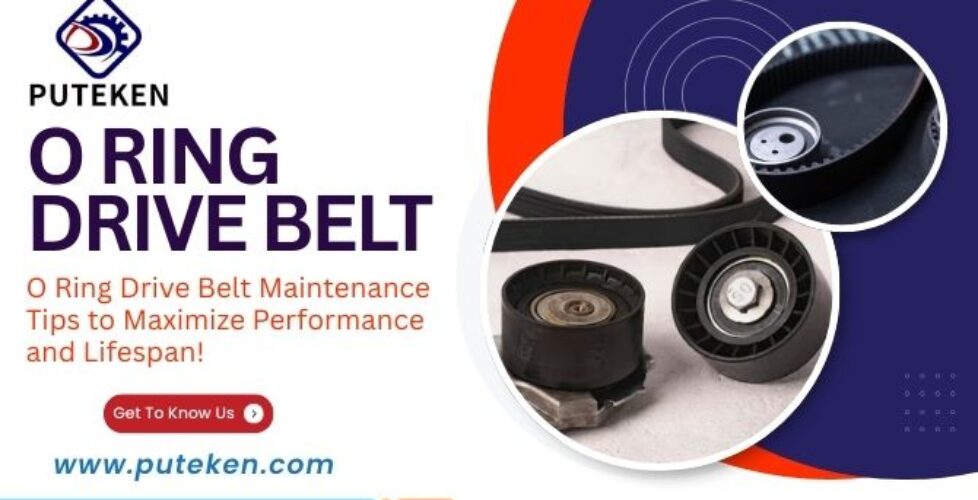
O Ring Drive Belt Maintenance Tips to Maximize Performance and Lifespan!
In industries where precision, speed, and smooth operation are crucial—such as logistics, automation, packaging, 3D printing, and light-duty material handling systems—O Ring Drive Belts (also known as round belts) play an essential role in ensuring seamless mechanical motion.
These belts may be compact, but their performance has a significant impact on the efficiency, speed, and reliability of smaller drive systems. Their unique circular cross-section allows for quiet, flexible, and vibration-resistant operation, making them a go-to solution for many OEMs and manufacturing units. However, like any transmission component, the lifespan and performance of an O Ring Drive Belt depend largely on how well it is maintained.
At Shanghai Puteken Transmission System Co., Ltd., we specialize in engineering and supplying high-quality O Ring Drive Belts designed for long-lasting performance across a wide range of industrial applications. Yet, even the finest belt will experience premature wear or failure if proper care and maintenance are ignored.
Understanding the O Ring Drive Belt: A Quick Overview
Also known as round belts, these are circular-section belts typically made from polyurethane (PU), rubber, silicone, or elastomeric composites. They are designed for low to medium-load applications, often in systems requiring:
- Low noise operation
- Non-slip grip
- Shock absorption
- Minimal tensioning
These belts are often used in:
- Roller conveyor systems
- Packaging and labeling machines
- Laundry and textile equipment
- Diagnostic medical devices
- Electronics assembly systems
- 3D printers and robotics
Their flexibility and ability to twist, stretch, and loop around tight radius pulleys make them ideal for compact, multi-directional configurations.
But with all their benefits come the need for regular inspection, careful handling, and proper operating conditions, which are often overlooked.
Top Maintenance Tips to Maximize O-Ring Drive Belt Performance
Now, let’s explore expert-recommended tips that can help extend the working life of your O Ring Drive Belt, improve machinery uptime, and reduce unnecessary replacements:
1. Choose the Right Belt Material for Your Application
First and foremost, longevity begins with selecting the correct belt material. All materials are suited for all environments.
- Material Best Used For
Polyurethane (PU) Excellent wear resistance, high elasticity, oils/grease exposure
Rubber Good for grip under dry conditions, higher temperature tolerance
Silicone Ideal for cleanrooms, food-grade or heat-sensitive environments
Shanghai Puteken Transmission System Co., Ltd. offers a wide range of material customization to help you match your specific environmental and load parameters.
2. Maintain Proper Belt Tension
Incorrect tensioning is the number one cause of belt breakage or performance loss.
- Over-tightened belts accelerate wear on both the belt and pulleys, increasing the risk of snapping
- Under-tensioned belts may slip, causing speed inconsistencies or reduced torque transfer
- Use tensioning tools or a standard tensioning guideline specific to your setup.
- Allow the belt to “relax” after installation to stabilize tension before running full loads.
- Periodically recheck tension after the first 48–72 hours of continuous operation.
3. Keep Pulleys Clean and Aligned
Misalignment of pulleys causes uneven belt loading, off-track movement, and premature damage to belt edges.
- Use a straight edge or laser tool to align pulleys
- Ensure bore and shaft tolerances are within manufacturer standards
- Regularly clean pulleys with a suitable, non-aggressive cleaner
- Debris, oil, or buildup on pulleys can reduce friction and cause belt slippage.
4. Lubrication: Use It Sparingly or Not at All
O Ring Drive Belts typically don’t require lubrication. Excess oil or contaminants can lead to:
- Material softening
- Swelling or breakdown, especially in PU belts
- Slipping and motor overloading
If used in dusty or particulate-heavy environments, keep components dry and clean, and protect rotating parts from external contamination.
5. Perform Regular Inspections
Routine checks should include:
- Surface wear or cracking on the belt
- Uneven diameter or stretching
- Friction burns or discoloration
- Edge fraying or rubber “dust” near the motor
Catch issues early and order replacements before critical failure. At Puteken, we offer OEM-grade belts and custom pre-cut lengths for easy replacements.
6. Store Belts Properly
Storage conditions can directly affect the shelf life of O-rings.
- Store in cool, dry environments (ideally under 25°C)
- Avoid direct sunlight or UV exposure, which degrades rubber
- Do not hang belts vertically—it causes stretching. Keep them laid flat or coiled loosely.
7. Avoid Sharp Bends or Twisting During Installation
Although these belts are flexible, sharp bends can cause micro-cracks that worsen over time.
- Never pry or twist belts with sharp tools
- Preheat difficult installations gently using warm water (if material allows)
- Allow for gradual stretching during setup; don’t overstretch
8. Monitor Belt Load and Speed Limits
Operating outside belt specifications often leads to:
- Excessive vibration
- Belt elongation or bounce
- Premature fatigue
Refer to Puteken’s material data sheets for load ratings, speed ranges, and tension specs specific to your belt type.
Benefits of Maintaining Your O Ring Drive Belt
Implementing the tips above brings wide-ranging benefits, including:
- Improved machine uptime
- Consistent product throughput
- Reduced unplanned downtime
- Longer motor and bearing life
- Better energy efficiency
- Lower total cost of maintenance
Good maintenance protects more than just the belt—it enhances the productivity of your entire system.
At Shanghai Puteken Transmission System Co., Ltd., we take pride in offering industrial-grade O Ring Drive Belts designed for durability, consistency, and performance. Here’s why clients across automation, warehousing, packaging, and electronics industries trust us:
- Wide material selection: PU, rubber, silicone, and custom blends
- Sizes from 2 mm to 18 mm in diameter
- Circular endless, welded, or connector-based belts
- OEM and custom machining available
- Fast delivery and global technical support
Whether you need a standard off-the-shelf belt or a customized solution for your automated line, we’re here to provide guidance, samples, and expert insight.
Maximize Performance, Minimize Downtime
When it comes to your drive system, the humble O Ring Drive Belt plays a vital role that’s too often overlooked—until something goes wrong. By following regular maintenance practices, selecting the right materials, and partnering with a trusted supplier, you can extend belt life, protect equipment, and improve performance across the board.
Frequently Asked Questions (FAQ)
Q1: How long do O Ring Drive Belts typically last?
A: Lifespan varies based on the working environment, load, and maintenance. In clean, moderate-use conditions, belts can last 6–24 months or even longer with preventive care.
Q2: Can I use adhesives or connectors for repair?
A: For emergency fixes, heat-weldable belts can be joined using a hot knife tool or welding jig. However, this may not restore full strength. We always recommend keeping pre-cut backups from Puteken.
Q3: What’s the minimum pulley diameter for O ring belts?
A: Minimum diameter depends on the belt’s material and thickness. For example, a 4 mm PU belt works best with pulleys of at least 20 mm diameter.
Q4: Are food-grade O Ring Drive Belts available?
A: Yes. Silicone and food-safe PU belts are FDA-compliant and available on request with certifications.
Q5: What’s the best way to measure the replacement belt size?
A: Measure:
- Center-to-center distance between pulleys
- Pulley diameters
- Desired tension/stretch (usually 5–8%)
- We can assist with calculation upon receiving your machine parameters.