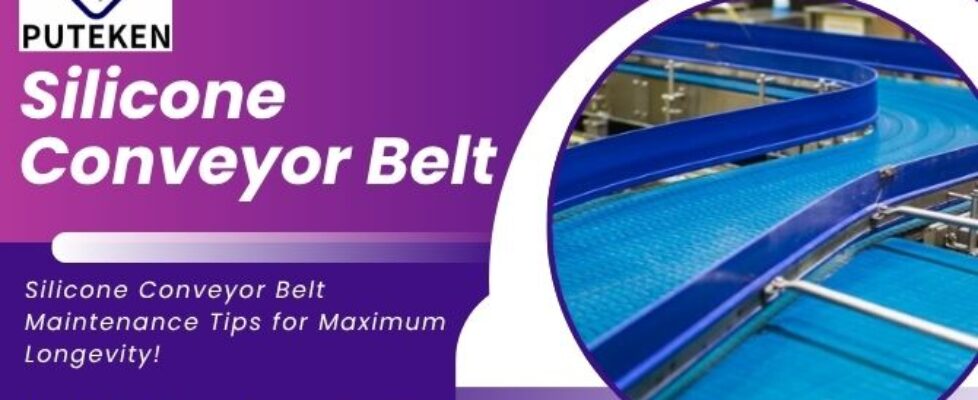
Silicone Conveyor Belt Maintenance Tips for Maximum Longevity!
In the fast-paced world of industrial manufacturing and processing, conveyor belts are the unsung heroes that keep production lines moving efficiently and reliably. Among the various types of conveyor belts available, the Silicone Conveyor Belt stands out for its unique combination of heat resistance, non-stick properties, and chemical stability. These qualities make it an indispensable choice for industries such as food processing, pharmaceuticals, electronics, textiles, and more. However, to fully leverage the benefits of a Silicone Conveyor Belt, proper maintenance is essential. Without regular care and attention, even the most robust belt can suffer from premature wear, reduced performance, and unexpected downtime.
At Shanghai Puteken Transmission System Co., Ltd., we understand the critical role that conveyor belts play in your operations. As a leading supplier of high-quality Silicone Conveyor Belt solutions, we are committed to helping our clients maximize the value and lifespan of their investment.
Understanding the Silicone Conveyor Belt
It is important to understand what makes the Silicone Conveyor Belt unique and why it is chosen for specific industrial applications.
What is a Silicone Conveyor Belt?
A Silicone Conveyor Belt is a type of conveyor belt made from silicone rubber, often reinforced with fabric or other materials for added strength and durability. Silicone belts are known for their:
- High Temperature Resistance: Capable of withstanding temperatures from -70°C to +220°C, making them ideal for baking, drying, and heat-sealing processes.
- Non-Stick Surface: Prevents materials from adhering to the belt, ensuring smooth product transfer and easy cleaning.
- Chemical Stability: Resistant to oils, greases, acids, and alkalis, suitable for harsh processing environments.
- Flexibility and Elasticity: Maintains performance even under repeated bending and flexing.
- Food-Grade Safety: Many silicone belts are certified for direct contact with food, meeting international hygiene standards.
Common Applications
Silicone Conveyor Belts are widely used in:
- Food processing and bakery lines
- Pharmaceutical manufacturing
- Textile and nonwoven production
- Electronics assembly
- Packaging and labeling
- Rubber and plastics industries
The Importance of Proper Maintenance
While the Silicone Conveyor Belt is designed for durability and performance, its longevity and efficiency depend heavily on regular maintenance. Proper care not only extends the life of the belt but also ensures consistent product quality, reduces downtime, and minimizes operational costs.
Key Benefits of Maintenance
- Extended Belt Life: Prevents premature wear and delays the need for replacement.
- Improved Efficiency: A well-maintained belt runs smoothly, reducing energy consumption and product jams.
- Enhanced Safety: Prevents belt failures that could lead to accidents or product loss.
- Cost Savings: Reduces repair and replacement expenses over time.
Common Challenges in Silicone Conveyor Belt Maintenance
Despite their advantages, Silicone Conveyor Belts can face several challenges in industrial environments:
1. Surface Contamination
Silicone’s non-stick properties help, but over time, residues from processed materials, oils, or dust can accumulate, affecting belt performance and hygiene.
2. Mechanical Damage
Sharp objects, misaligned pulleys, or excessive tension can cause cuts, tears, or edge fraying.
3. Heat and Chemical Exposure
While silicone is highly resistant, prolonged exposure to extreme temperatures or aggressive chemicals can eventually degrade the belt.
4. Tracking and Tension Issues
Improper installation or tensioning can cause the belt to track off-center, slip, or stretch unevenly.
5. Wear and Fatigue
Continuous operation, especially in high-speed or high-load applications, can lead to surface wear, cracking, or loss of elasticity.
Best Practices for Maintaining Your Silicone Conveyor Belt
To maximize the lifespan and performance of your Silicone Conveyor Belt, follow these essential maintenance practices:
1. Regular Inspection
Conduct routine visual inspections to check for signs of wear, contamination, or misalignment. Early detection of issues allows for timely intervention and prevents more serious problems.
What to Look For:
- Surface wear, cracks, or thinning
- Frayed edges or loose fibers (if reinforced)
- Discoloration or staining
- Belt tracking off-center
- Unusual noises or vibrations
2. Proper Cleaning
Keep your Silicone Conveyor Belt clean to prevent the buildup of residues and contaminants. Use cleaning methods appropriate for your industry and belt type.
Cleaning Tips:
- Use a soft brush or cloth to remove loose debris.
- For food processing, use food-safe cleaning agents and follow sanitation protocols.
- Avoid abrasive tools or harsh chemicals that could damage the silicone surface.
- Rinse thoroughly and allow the belt to dry before restarting the conveyor.
3. Correct Tensioning and Tracking
Proper tension and alignment are crucial for preventing slippage, stretching, and uneven wear.
Tensioning Guidelines:
- Follow the manufacturer’s recommendations for initial tension.
- Check tension regularly and adjust as needed.
- Use tracking devices or guides to keep the belt centered on the pulleys.
4. Protect Against Mechanical Damage
Prevent contact with sharp edges, tools, or objects that could cut or puncture the belt. Ensure that all conveyor components are in good condition and free of burrs or rough surfaces.
5. Monitor Heat and Chemical Exposure
While silicone is resistant, avoid exposing the belt to temperatures or chemicals beyond its rated limits. If your process involves extreme conditions, consult with your supplier for the most suitable belt formulation.
6. Lubrication and Pulley Maintenance
Silicone Conveyor Belts themselves do not require lubrication, but the pulleys and bearings in the conveyor system should be maintained to ensure smooth operation.
Pulley Care:
- Keep pulleys clean and free of debris.
- Lubricate bearings according to manufacturer guidelines.
- Check for pulley wear or misalignment.
7. Prompt Repairs
Address minor issues such as small cuts, surface nicks, or edge fraying immediately to prevent them from worsening.
Repair Tips:
- Use approved adhesives or repair kits for minor surface damage.
- Replace the belt if damage is extensive or affects performance.
8. Scheduled Replacement
Even with the best care, all belts have a finite lifespan. Monitor the condition of your Silicone Conveyor Belt and plan for timely replacement to avoid unexpected failures.
Extending the Life of Your Silicone Conveyor Belt: Advanced Strategies
Beyond routine maintenance, there are several advanced strategies you can implement to further extend the life of your Silicone Conveyor Belt:
1. Use of Protective Covers or Skirts
Install covers or skirts to shield the belt from falling debris, dust, or contaminants, especially in harsh environments.
2. Optimized Conveyor Design
Work with your conveyor supplier to ensure that the system is designed for minimal belt stress. Features such as larger pulley diameters, gentle transitions, and proper support can reduce wear and extend belt life.
3. Employee Training
Train operators and maintenance staff on proper belt handling, cleaning, and inspection procedures. Well-trained personnel are more likely to spot issues early and perform maintenance correctly.
4. Data-Driven Maintenance
Implement a maintenance schedule based on usage data, belt condition, and operational demands. Predictive maintenance tools can help you anticipate when the belt will need attention or replacement.
5. Custom Belt Solutions
Consider custom silicone belt formulations or reinforcements for applications with unique challenges, such as high abrasion, extreme temperatures, or aggressive chemicals.
Case Study: Silicone Conveyor Belt Maintenance in Action
To illustrate the impact of proper maintenance, let’s consider a real-world example from Shanghai Puteken Transmission System Co., Ltd.
Background
A pharmaceutical manufacturer using Silicone Conveyor Belts for tablet transfer was experiencing frequent belt replacements due to surface contamination and edge fraying. Downtime for cleaning and repairs was affecting production efficiency and product quality.
Solution
Our technical team conducted a thorough assessment and recommended the following:
- Implementing a regular cleaning schedule using approved, non-abrasive cleaning agents.
- Installing belt tracking guides and tensioning devices.
- Training staff on early detection of wear and prompt repairs.
- Switching to a reinforced silicone belt for added durability.
Resuls
- Belt lifespan increased by 50%, reducing replacement costs.
- Downtime for cleaning and repairs decreased by 35%.
- Product quality improved due to reduced contamination and consistent belt performance.
- Employee satisfaction increased thanks to easier maintenance procedures.
This case study demonstrates how a proactive approach to maintenance can deliver significant benefits in both cost savings and operational efficiency.
About Shanghai Puteken Transmission System Co., Ltd.
Shanghai Puteken Transmission System Co., Ltd. is a global leader in the design, manufacture, and supply of advanced conveyor belt solutions for a wide range of industries. With a focus on innovation, quality, and customer satisfaction, we help clients around the world achieve operational excellence and sustainable growth.
The Shanghai Puteken Transmission System Co., Ltd. Advantage
At Shanghai Puteken Transmission System Co., Ltd., we are dedicated to helping our clients achieve maximum efficiency and reliability with our high-quality Silicone Conveyor Belt solutions. Our commitment includes:
- Expert Consultation: Guidance on belt selection, installation, and maintenance.
- Customization: Tailored solutions for your specific industry and application.
- Quality Assurance: Rigorous testing and quality control for every belt we produce.
- Technical Support: Ongoing support to help you address challenges and optimize performance.
- Sustainability: Eco-friendly materials and manufacturing processes.
The Silicone Conveyor Belt is a versatile, durable, and high-performance solution for a wide range of industrial applications. However, its performance and longevity depend on proper care and maintenance. By following the best practices outlined in this guide—regular inspection, cleaning, tensioning, and prompt repairs—you can extend the life of your belt, reduce operational costs, and ensure smooth, efficient production.
Frequently Asked Questions (FAQ)
Q1: How often should I inspect my Silicone Conveyor Belt?
A: It is recommended to inspect your belt at least once a week, or more frequently in high-use or critical applications. Regular inspections help catch issues early and prevent unexpected failures.
Q2: Can I use harsh chemicals to clean my Silicone Conveyor Belt?
A: No, harsh chemicals can damage the silicone surface and reduce belt life. Use mild, approved cleaning agents suitable for your industry, especially in food or pharmaceutical processing.
Q3: What should I do if my belt becomes contaminated with oil or grease?
A: Remove the belt and clean it thoroughly with a suitable cleaning agent. Avoid using solvents that could degrade the silicone. Allow the belt to dry completely before reinstalling.
Q4: How do I know when it’s time to replace my Silicone Conveyor Belt?
A: Signs that it’s time to replace the belt include excessive wear, cracks, loss of elasticity, persistent tracking issues, or contamination that cannot be removed.
Q5: Can I repair small cuts or surface damage on my Silicone Conveyor Belt?
A: Yes, minor damage can often be repaired using approved adhesives or repair kits. However, if the damage is extensive or affects belt performance, replacement is recommended.
Q6: Are silicone belts suitable for high-temperature applications?
A: Yes, Silicone Conveyor Belts are ideal for high-temperature environments, withstanding temperatures up to +220°C. For extreme conditions, consult with your supplier for the best formulation.
Q7: How can I prevent my Silicone Conveyor Belt from slipping?
A: Ensure proper tensioning and alignment, keep pulleys clean, and avoid overloading the conveyor. If slippage persists, consult with your supplier for possible upgrades or adjustments.
Q8: Can Silicone Conveyor Belts be customized for specific applications?
A: Absolutely. At Shanghai Puteken Transmission System Co., Ltd., we offer customized Silicone Conveyor Belts in various widths, thicknesses, and reinforcements to meet your unique requirements.

