Hydraulic Piston Rod: Key Factors That Impact Performance and Longevity!
In the world of industrial machinery, construction equipment, and automation, hydraulic systems are the driving force behind powerful, precise, and reliable motion. At the heart of every hydraulic cylinder lies a critical component—the Hydraulic Piston Rod. This seemingly simple rod is responsible for transmitting force, maintaining alignment, and ensuring the smooth operation of hydraulic cylinders in countless applications, from excavators and presses to injection molding machines and agricultural equipment.
However, not all Hydraulic Piston Rods are created equal. Their performance and longevity depend on a complex interplay of factors, including material selection, surface treatment, dimensional accuracy, and operating conditions. Even minor oversights in design, manufacturing, or maintenance can lead to premature wear, corrosion, or catastrophic failure—resulting in costly downtime and repairs.
At Shandong Baokun Metal Material Co., Ltd., we understand the importance of getting every detail right when it comes to Hydraulic Piston Rods. Our expertise in manufacturing, quality control, and technical support has helped customers worldwide achieve superior hydraulic performance and extended service life.
The Role of the Hydraulic Piston Rod in Hydraulic Cylinders
What Is a Hydraulic Piston Rod?
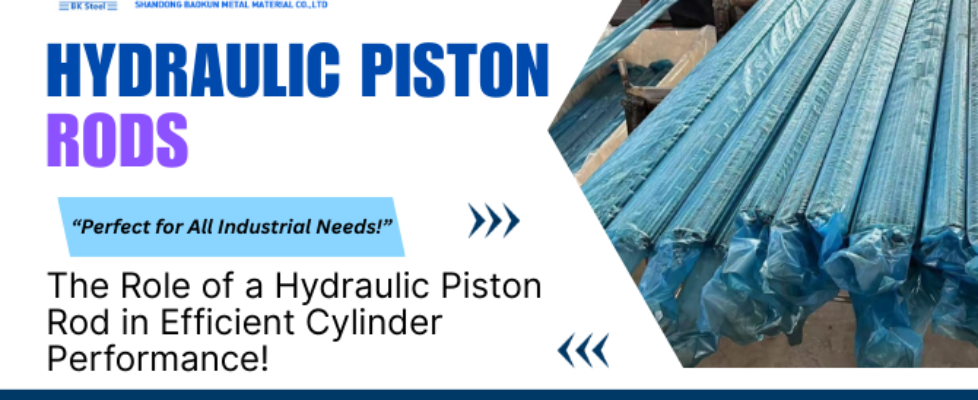
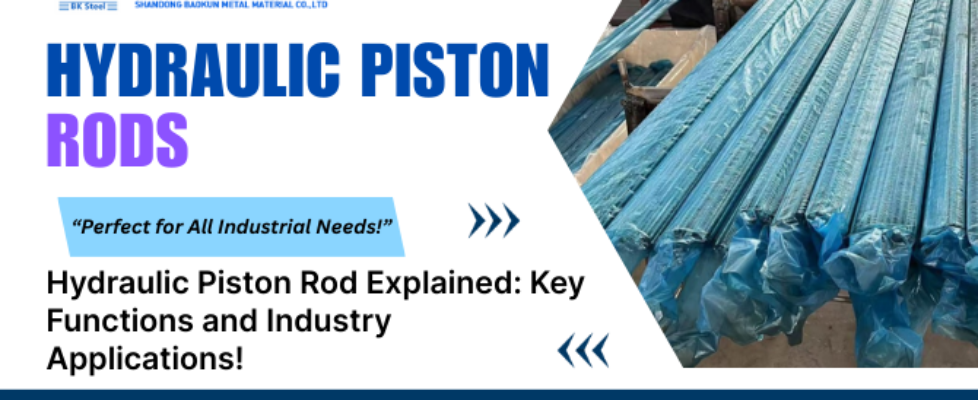
A Hydraulic Piston Rod is a precision-engineered steel rod that connects the piston inside a hydraulic cylinder to the external mechanism it drives. It transmits the force generated by hydraulic pressure, enabling linear motion and work output. The rod must withstand high loads, resist bending, and maintain a smooth, hard surface for optimal seal performance.
Why Is the Hydraulic Piston Rod So Critical?
The performance of a hydraulic cylinder depends heavily on the quality and condition of the piston rod. A well-designed and properly maintained Hydraulic Piston Rod ensures:
- Efficient Force Transmission: Minimal energy loss and precise motion.
- Seal Integrity: A smooth, hard surface prevents leakage and extends seal life.
- Corrosion and Wear Resistance: Protection against harsh environments and abrasive conditions.
- Long Service Life: Reduced risk of failure and lower maintenance costs.
Key Factors Impacting Hydraulic Piston Rod Performance and Longevity
1. Material Selection
The choice of material is fundamental to the rod’s strength, toughness, and resistance to wear and corrosion.
Common Materials:
- CK45 (C45): A medium-carbon steel widely used for general-purpose applications.
- 42CrMo4: An alloy steel offering higher strength and toughness for demanding environments.
- Stainless Steel (e.g., 304, 316): Used where maximum corrosion resistance is required, such as marine or food processing applications.
Considerations:
- Load Requirements: Higher loads may require alloy or heat-treated steels.
- Corrosive Environments: Stainless steel or rods with advanced coatings are preferable.
- Cost vs. Performance: Balance initial investment with expected service life.
2. Surface Treatment
Surface treatment is crucial for wear resistance, corrosion protection, and seal performance.
Common Treatments:
- Hard Chrome Plating: The industry standard, providing a hard, smooth, and corrosion-resistant surface.
- Nickel Plating: Offers enhanced corrosion resistance, especially in chemical environments.
- Induction Hardening or Nitriding: Increases surface hardness for extreme wear conditions.
Benefits:
- Reduced Friction: Smoother surfaces minimize seal wear and energy loss.
- Extended Rod and Seal Life: Hard surfaces resist scratching, pitting, and abrasion.
- Improved Corrosion Resistance: Essential for outdoor, marine, or chemical applications.
3. Dimensional Accuracy and Surface Finish
Precision in diameter, straightness, and surface roughness is vital for optimal performance.
Key Parameters:
- Diameter Tolerance: Typically h8 or h9, ensuring a precise fit with seals and bearings.
- Straightness: Prevents uneven wear and misalignment.
- Surface Roughness: A finish of Ra ≤ 0.2 μm is ideal for minimizing friction and maximizing seal life.
4. Load and Stress Considerations
Hydraulic Piston Rods must withstand:
- Tensile and Compressive Loads: Generated by hydraulic pressure.
- Bending and Buckling: Especially in long-stroke or side-loaded cylinders.
- Impact and Fatigue: From rapid cycling or shock loads.
Design Tips:
- Proper Sizing: Calculate the required diameter based on maximum load and safety factors.
- Support and Guidance: Use rod guides and bearings to prevent bending and misalignment.
5. Corrosion Protection
Corrosion is a leading cause of rod failure, especially in outdoor, marine, or chemical environments.
Solutions:
- Chrome or Nickel Plating: Provides a barrier against moisture and chemicals.
- Stainless Steel: Offers inherent corrosion resistance.
- Protective Coatings: Such as epoxy or ceramic for extreme conditions.
6. Seal Compatibility
The rod’s surface finish and hardness must be compatible with the seals used in the cylinder. Poor compatibility can lead to rapid seal wear, leakage, and system inefficiency.
The Manufacturing Process: Ensuring Quality and Consistency
1. Raw Material Selection
High-quality steel is sourced and tested for chemical composition and mechanical properties.
2. Machining and Grinding
The rod is machined to precise dimensions and ground to achieve the required straightness and surface finish.
3. Surface Treatment
The rod undergoes chrome plating, nickel plating, or other treatments to enhance hardness and corrosion resistance.
4. Inspection and Testing
Every Hydraulic Piston Rod is subjected to rigorous quality control, including:
- Dimensional Inspection: Verifies diameter, straightness, and length.
- Surface Roughness Measurement: Ensures the required finish.
- Hardness Testing: Confirms surface hardness.
- Adhesion and Corrosion Testing: Assesses the quality of surface treatments.
Installation and Maintenance Best Practices
1. Proper Handling
- Avoid Scratches and Dents: Handle rods with care to prevent surface damage.
- Cleanliness: Keep rods free from dirt and contaminants during installation.
2. Correct Installation
- Alignment: Ensure the rod is properly aligned with the cylinder and load.
- Seal Installation: Use compatible seals and install them according to manufacturer guidelines.
3. Regular Inspection and Maintenance
- Visual Inspection: Check for signs of wear, corrosion, or damage.
- Lubrication: Use appropriate hydraulic fluids and lubricants.
- Seal Replacement: Replace seals at recommended intervals to prevent leakage.
4. Storage
- Dry Environment: Store rods in a clean, dry area to prevent corrosion.
- Protective Covers: Use end caps or wraps to protect the surface during storage.
Common Causes of Hydraulic Piston Rod Failure
1. Corrosion
Exposure to moisture, chemicals, or salt can cause rust and pitting, leading to seal damage and rod failure.
2. Wear and Abrasion
Improper surface finish, inadequate lubrication, or contaminated hydraulic fluid can accelerate wear.
3. Bending and Buckling
Undersized rods or poor support can result in bending, misalignment, and eventual failure.
4. Fatigue
Repeated cycling or shock loads can cause fatigue cracks, especially in rods with poor surface treatment or material defects.
5. Improper Maintenance
Neglecting regular inspection, lubrication, or seal replacement can shorten rod life and compromise system performance.
Applications of Hydraulic Piston Rods
1. Construction Equipment
Excavators, loaders, bulldozers, and cranes rely on robust Hydraulic Piston Rods to handle heavy loads and harsh environments.
2. Industrial Machinery
Presses, injection molding machines, and material handling equipment use precision-engineered rods for reliable operation.
3. Marine and Offshore
Hydraulic systems on ships, oil rigs, and port equipment require corrosion-resistant rods for long service life.
4. Mining and Drilling
Hydraulic cylinders in mining and drilling equipment face abrasive and corrosive conditions, demanding high-performance rods.
5. Agricultural Machinery
Tractors, harvesters, and sprayers use Hydraulic Piston Rods to withstand tough field conditions and frequent use.
Why Choose Shandong Baokun Metal Material Co. Ltd for Hydraulic Piston Rods?
- Premium Materials: Sourced from trusted suppliers, with full certification and traceability.
- Advanced Manufacturing: State-of-the-art machining, grinding, and plating facilities.
- Customization: Flexible solutions tailored to your needs.
- Rigorous Quality Control: Comprehensive inspection and testing at every stage.
- Technical Support: Expert guidance from specification to installation.
- Global Standards Compliance: Products meet DIN, EN, and ASTM standards.
The Hydraulic Piston Rod is a vital component that directly impacts the performance, reliability, and longevity of hydraulic systems. By understanding and addressing the key factors—material selection, surface treatment, dimensional accuracy, load capacity, and maintenance—you can ensure optimal operation and extended service life for your hydraulic cylinders.

Frequently Asked Questions (FAQ)
Q1: What is the main function of a Hydraulic Piston Rod?
A: The Hydraulic Piston Rod transmits force from the hydraulic piston to the external mechanism, enabling linear motion and work output in hydraulic cylinders.
Q2: What materials are commonly used for Hydraulic Piston Rods?
A: Common materials include CK45, 42CrMo4, and stainless steel, chosen based on strength, toughness, and corrosion resistance requirements.
Q3: Why is surface treatment important for Hydraulic Piston Rods?
A: Surface treatments like hard chrome plating provide wear resistance, corrosion protection, and a smooth finish for optimal seal performance and longevity.
Q4: How do I select the right diameter for a Hydraulic Piston Rod?
A: The diameter should be calculated based on the maximum load, stroke length, and safety factors. Our technical team can assist with sizing recommendations.
Q5: What causes Hydraulic Piston Rod failure?
A: Common causes include corrosion, wear, bending, fatigue, and improper maintenance.
Q6: How are Hydraulic Piston Rods maintained?
A: Regular inspection, proper lubrication, timely seal replacement, and keeping the rods clean are key to maximizing service life.
Q7: Can Hydraulic Piston Rods be customized?
A: Yes, at Shandong Baokun Metal Material Co., Ltd., we offer custom diameters, lengths, and surface treatments to meet specific application requirements.
Q8: What surface finish is recommended for hydraulic applications?
A: A surface roughness of Ra ≤ 0.2 μm is ideal for minimizing friction and seal wear.
Q9: Are Hydraulic Piston Rods compatible with all hydraulic cylinders?
A: Yes, they are designed to fit standard hydraulic cylinder designs, but custom sizes and finishes are available for specialized applications.
Q10: Why choose Shandong Baokun Metal Material Co., Ltd. for Hydraulic Piston Rods?
A: We provide high-quality, customizable rods backed by advanced manufacturing, rigorous quality control, and expert technical support.