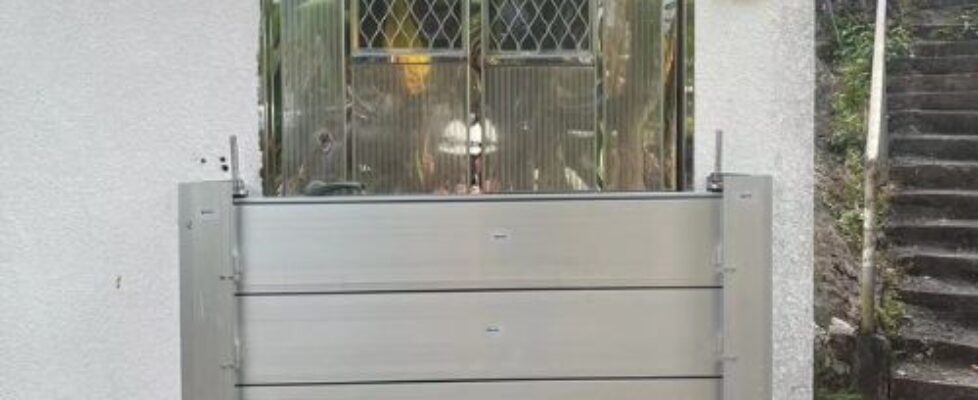
Flooding is a growing concern for homeowners around the world. Heavy rainfall, storms, overflowing rivers, and coastal surges can cause significant damage to residential properties, resulting in costly repairs and long-term structural issues. To protect homes from water intrusion, many property owners are turning to advanced flood protection solutions. One of the most effective options available today is the installation of Flood Gates for Houses, which provide a reliable barrier against rising floodwaters and help safeguard valuable assets.
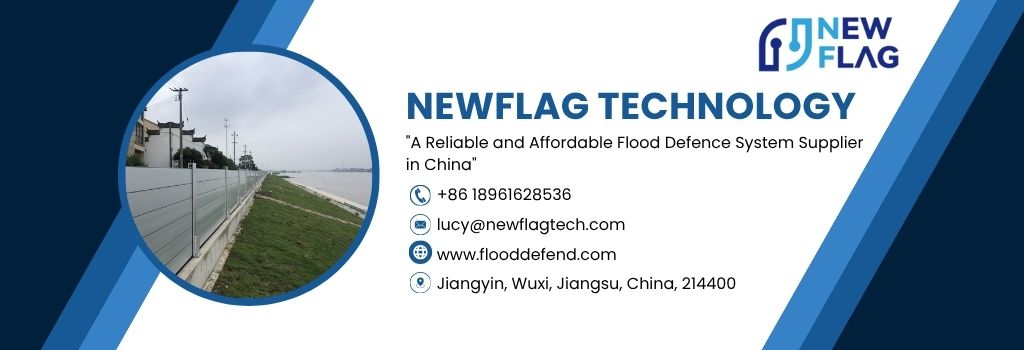
Newflag Technology Co., Ltd. is a leading provider of innovative flood defence systems designed to protect residential, commercial, and industrial properties. Their flood gates are engineered using durable materials and advanced sealing technology to ensure maximum protection during flood events.
Why Flood Gates for Houses Are Essential
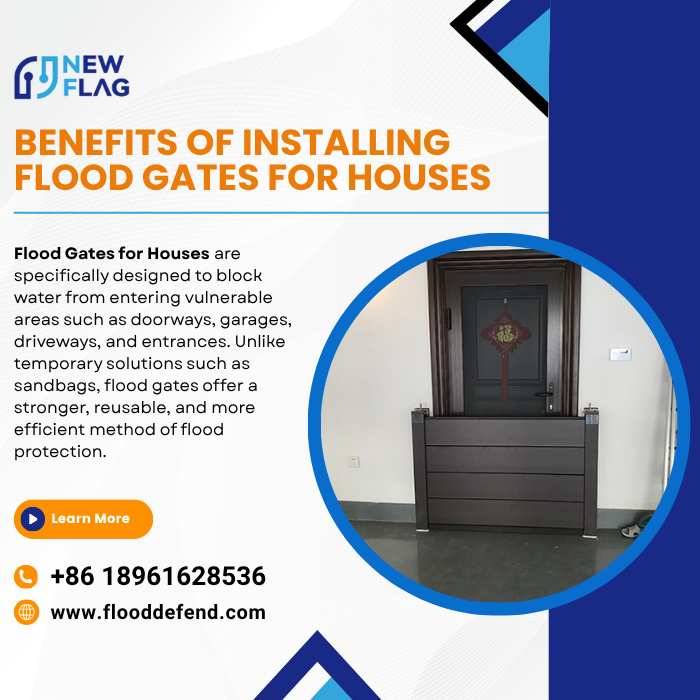
Flood Gates for Houses are specifically designed to block water from entering vulnerable areas such as doorways, garages, driveways, and entrances. Unlike temporary solutions such as sandbags, flood gates offer a stronger, reusable, and more efficient method of flood protection. They can be installed permanently or deployed quickly when flood warnings are issued, making them a practical investment for homeowners living in flood-prone regions.
By creating a watertight barrier, flood gates help prevent extensive water damage, protect household belongings, and reduce the risk of mold growth and structural deterioration. Their reliable performance makes them an important component of any residential flood protection strategy.
Benefits of Installing Flood Gates for Houses
1. Superior Flood Protection
The primary advantage of Flood Gates for Houses is their ability to prevent floodwater from entering the property. By creating a watertight seal, flood gates significantly reduce the risk of water damage to floors, walls, electrical systems, and household belongings.
2. Lower Repair and Recovery Costs
Water damage restoration can be extremely expensive. Installing flood gates significantly reduces the likelihood of costly repairs, saving homeowners money after severe weather events.
Homes equipped with professional flood protection systems are often more attractive to buyers. Flood gates demonstrate proactive property management and can enhance overall property value.
4. Durable and Long-Lasting Construction
Manufactured from high-quality materials such as aluminum and corrosion-resistant components, flood gates are built to withstand harsh weather conditions and provide years of dependable service.
5. Quick Deployment and Easy Operation
Modern flood gates are designed for simple installation and operation. Homeowners can deploy them quickly when flooding is expected, ensuring timely protection.
6. Greater Peace of Mind
Knowing that your home is protected by a reliable flood defense system allows you to face storm seasons with confidence and reduced stress.
Choose Newflag Technology Co., Ltd. for Reliable Flood Protection
Newflag Technology Co., Ltd. offers high-performance flood gate solutions that combine innovative engineering, durability, and ease of use. Whether you are protecting a single-family home or a larger residential property, their flood defense systems provide dependable protection against water damage
To learn more about Flood Gates for Houses, visit https://tinyurl.com/2xa3epkr and call now at +86 18961628536 oremail us at lucy@newflagtech.comtoexplore advanced solutions designed to keep your property safe during flood emergencies.
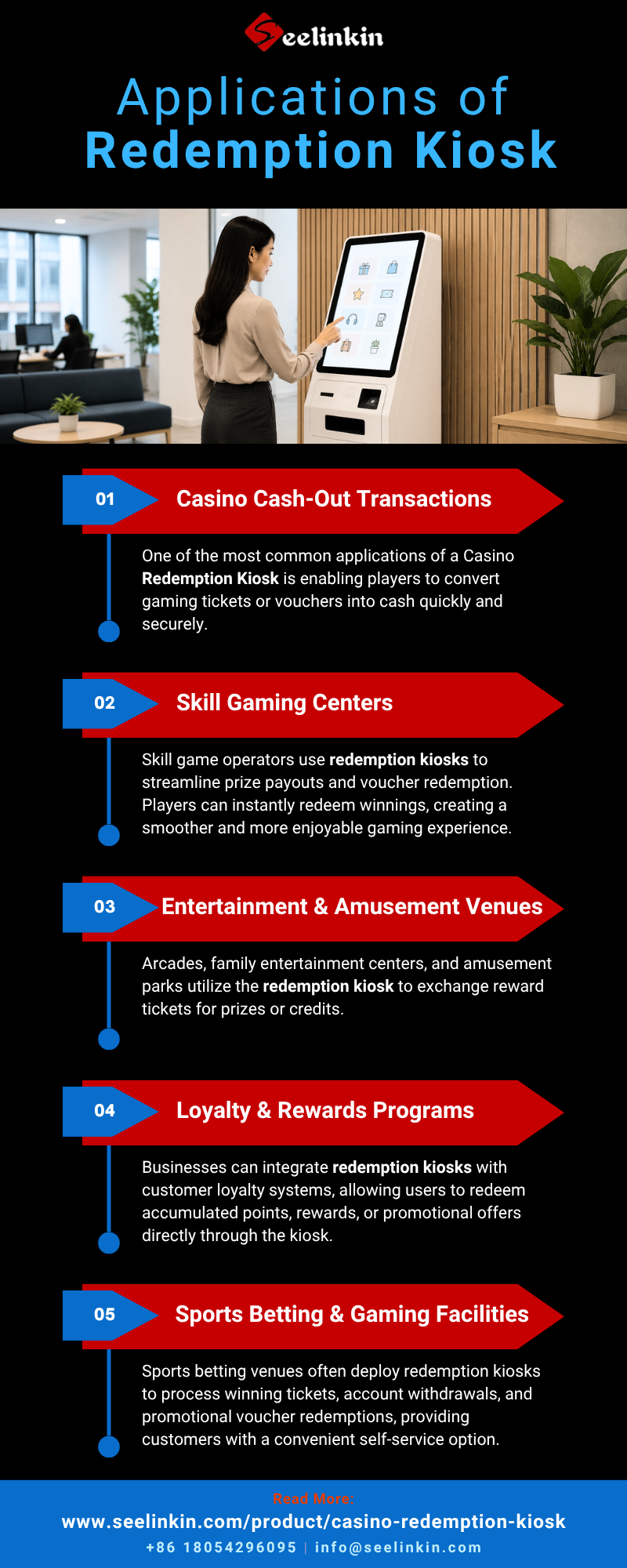
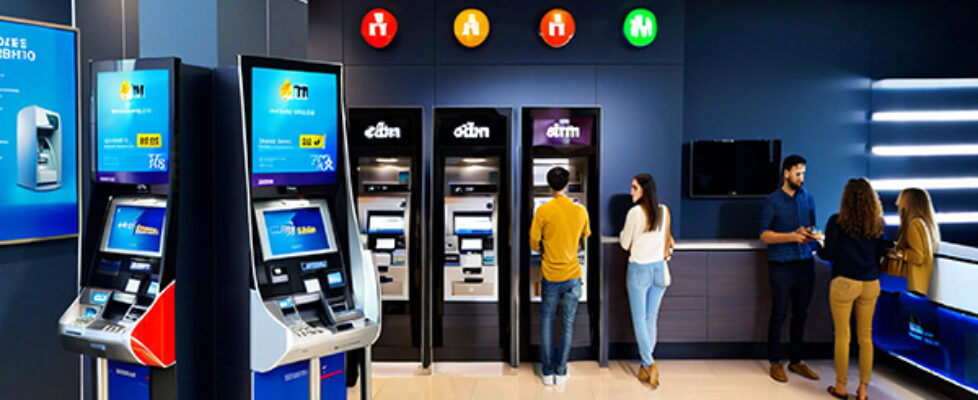
A Redemption Kiosk is an innovative self-service solution designed to streamline ticket, voucher, and cash redemption processes across various industries. By automating transactions, businesses can improve operational efficiency, reduce labor costs, and enhance customer satisfaction. Today, redemption kiosks are widely used in casinos, gaming centers, entertainment venues, and sports betting facilities.
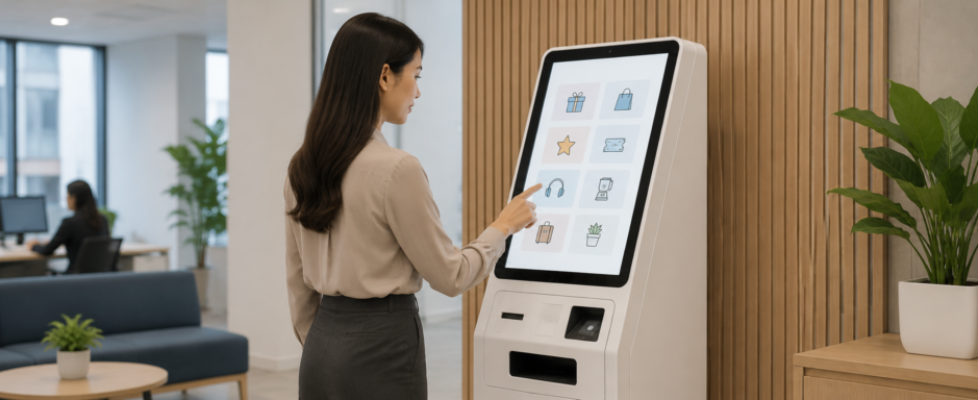
One of the primary applications of a Casino Redemption Kiosk is in casinos, where players can quickly redeem gaming tickets and vouchers without waiting at cashier counters. This helps reduce queues, speeds up payouts, and creates a more convenient gaming experience. The kiosks also improve transaction accuracy and security through advanced software and verification systems.
Beyond casinos, redemption kiosks are commonly found in arcades, amusement parks, and family entertainment centers. Customers can easily exchange reward tickets or promotional vouchers for cash, prizes, or credits. This self-service approach minimizes staff workload while ensuring a smooth redemption process during busy periods.
Modern redemption kiosks support multiple payment options, including cash dispensing, card transactions, and digital payment methods. Their flexible design allows seamless integration with existing management systems, making them suitable for a wide range of businesses.
Shenzhen Seelinkin Intelligent Technology Co., Ltd. specializes in developing advanced self-service kiosk solutions, including reliable Redemption Kiosk and Casino Redemption Kiosk systems. Designed for security, efficiency, and user convenience, these kiosks help businesses optimize operations while providing a superior customer experience.
In today’s competitive marketplace, operational efficiency is not just a buzzword—it’s a serious differentiator. Businesses across industries are searching for smart, scalable ways to accelerate transactions, enhance customer experience, and cut down on operational bottlenecks. One technology that’s rapidly answering this call is the Top Up Kiosk, with the floor-standing model emerging as a standout solution for high-traffic, public-facing environments.
As businesses embrace digital transformation, the transition from traditional over-the-counter top-up methods to automated kiosks brings a multitude of advantages. Floor standing Top Up Kiosks operate 24/7, deliver consistent service, and drastically reduce the need for additional staffing. Whether placed in shopping malls, convenience stores, transportation hubs, campus facilities, or corporate lobbies, these kiosks empower customers to serve themselves at their own pace, eliminating queues and freeing up employees for higher-value tasks.
Moreover, the efficiencies gained go well beyond customer self-service. With streamlined cash and digital payment acceptance, instant account reconciliation, and real-time remote monitoring, a Top Up Kiosk simplifies financial management and reporting. At the same time, it provides invaluable business data and analytics you can leverage to optimize operations and marketing strategies.
Additionally, the latest floor standing Top Up Kiosk models, such as those developed by Shenzhen Seelinkin Intelligent Technology Co., Ltd., offer multi-language interfaces, ADA-compliant access, customizable branding, and robust security features. These benefits, combined with their plug-and-play deployment and modularity, make them a future-proof investment for any forward-thinking business.
What is a Floor Standing Top Up Kiosk?
A Top Up Kiosk is a self-service machine that allows users to recharge various accounts or services by inserting cash, swiping a card, or using mobile/digital payment platforms. The floor-standing version is designed to be installed in open, accessible spaces, offering stability, durability, and visibility.
Key functions typically include:
Mobile phone balance top-up
Utility bill payment
E-wallet recharge
Public transport card top-up
Event ticket purchase
Shenzhen Seelinkin Intelligent Technology Co., Ltd. designs these kiosks for non-stop operation, supporting both high-volume environments and specialized service locations.
The Evolution of Top Up Solutions: From Counters to Kiosks
Previously, customers seeking to top up their phone, pay bills, or recharge cards were dependent on manned service counters, limited operating hours, and sometimes lengthy queues. With the advent of the Top Up Kiosk, the transaction process has been:
Automated
Standardized
Scaled beyond business hours
Transitioning to self-service kiosks represents a significant leap in efficiency, helping businesses reduce human error, enhance transaction speed, and handle greater transaction volumes with ease.
Fast, intuitive transactions without staff assistance
Paying with their preferred method—cash, card, app, or QR code
Access to services anytime, not just during business hours
Assurance of privacy and transactional security
Convenience, especially in high-density or multi-shift environments
Happy, empowered customers are more likely to return and more likely to recommend your business.
Real-World Industry Applications
Top Up Kiosks aren’t just for telecoms—they’re now key in:
Shopping malls (gift cards, store credits)
Transit stations (fare cards, travel passes)
University campuses (printing credits, library fees)
Utility and government bills (electricity, water, municipal services)
Gaming centers (arcade cards, credits)
Fuel stations and convenience stores
Include short case studies here, such as:
A major telecom operator saw queue times drop by 60% and customer satisfaction rise by 40% after deploying Seelinkin Top Up Kiosks across their stores.
A university enabling students to top up accounts around the clock, reducing the burden on staff and enhancing service reputation.
Key Considerations for Deployment and Integration
Site Selection: High-traffic, easily accessible locations are ideal.
Network and Power: Ensure reliable connectivity and power supply.
Integration: Link with backend systems to provide instant updates and minimize errors.
Maintenance: Routine cleaning, servicing, and cash collection schedules keep the kiosk running smoothly.
Marketing: Use in-store promotion to drive adoption and educate customers.
Why Choose Shenzhen Seelinkin Intelligent Technology Co., Ltd. as Your Top Up Kiosk Provider?
Shenzhen Seelinkin is an industry leader due to:
Proven track record across telecom, retail, transport, and education
Scalable, highly customizable kiosks
End-to-end project support—from consultation and design to integration and maintenance
Application of the latest tech (secure payments, remote monitoring, AI-driven analytics)
Fast response, global service reach, and ongoing technology updates
Floor-standing Top Up Kiosk is not just a technological trend—they are a proven driver of business efficiency, customer convenience, and competitive advantage. By automating routine transactions, freeing staff, and offering 24/7 access, a Top Up Kiosk from Shenzhen Seelinkin Intelligent Technology Co., Ltd. helps your business thrive in today’s fast-paced digital economy.
Frequently Asked Questions (FAQ): Top Up Kiosk
Q1: What payment methods does a typical Top Up Kiosk support?
A: Most modern kiosks accept cash, credit/debit cards, mobile payments (QR code, NFC), and even prepaid vouchers.
Q2: Are Top Up Kiosks secure for handling large sums of cash?
A: Yes. Shenzhen Seelinkin Intelligent Technology Co., Ltd. designs kiosks with secure cash boxes, encryption, alarms, and remote monitoring.
Q3: Can I customize the kiosk to display my branding and language of choice?
A: Absolutely. Full interface, language, and exterior branding customization is available.
Q4: How durable are the kiosks in public or outdoor environments?
A: Floor standing Top Up Kiosks from Seelinkin are built with industrial-grade, tamper-proof enclosures and can be specified for indoor or weather-protected outdoor settings.
Q5: How long does installation typically take?
A: Most units can be installed, connected, and configured in under a day, especially with pre-integration and on-site support.
Q6: Do I need internet connectivity for the kiosk?
A: Reliable connection is highly recommended for backend updating, payment verification, and remote monitoring—but some functions can work temporarily offline.
Q7: How do I collect and reconcile funds from the kiosk?
A: Kiosks have secure cash modules and generate digital reports for easy, transparent fund collection and reconciliation.
Q8: What kind of support and maintenance is offered?
A: Shenzhen Seelinkin provides remote technical support, routine maintenance, and software updates as part of service agreements.
The 15.6 Inch Floor-Standing Top Up Kiosk from Shenzhen Seelinkin Intelligent Technology Co., Ltd. is a modern self-service solution designed to simplify prepaid account recharges, bill payments, and digital service top-ups. Featuring a large 15.6-inch touchscreen display, this user-friendly kiosk provides an intuitive interface that enhances customer convenience and transaction efficiency.
Built with durable materials and advanced technology, the Top Up Kiosk supports multiple payment methods, making it ideal for retail stores, shopping malls, telecom service centers, transportation hubs, and public service locations. Its floor-standing design offers excellent visibility while maximizing accessibility for users.
Shenzhen Seelinkin Intelligent Technology Co., Ltd. specializes in innovative self-service kiosk solutions that help businesses reduce operational costs and improve customer satisfaction. The 15.6 Inch Floor-standing Top Up Kiosk delivers reliable performance, secure transactions, and seamless service management. Learn more at: https://tinyurl.com/yp5cxhd5and call now at +86 18054296095 or email us at info@seelinkin.com today!
Flooding is among nature’s most sudden and destructive forces—one moment, it’s business as usual, and the next, raging waters threaten everything you value. For homeowners, business owners, and city planners alike, being unprepared is no longer an option. The urgent reality is that when water starts to rise, every minute truly counts. Fortunately, advancements in flood protection now offer rapid, effective defenses designed for quick deployment and robust performance. Chief among these innovations is the Temporary Flood Barrier—a modern solution that keeps people, property, and disruption at bay, even in the most unpredictable conditions.
Understanding the Temporary Flood Barrier
What is a Temporary Flood Barrier?
A Temporary Flood Barrier is a portable, rapidly deployable system designed to hold back and redirect floodwaters before serious damage can occur. Unlike permanent structures such as levees or flood walls, these barriers are kept in storage and set up only when needed—making them cost-effective, flexible, and perfect for emergencies or fast-changing environments.
Temporary Flood Barriers are constructed from robust, water-resistant materials and are engineered for quick assembly, often without heavy machinery or extensive labor. They can be fitted across doors, driveways, streets, and even around buildings or urban blocks. Once the threat has passed, these barriers are removed and stored for future use—a sustainable and efficient approach for areas with intermittent flood risk.
How Temporary Flood Barriers Work
Temporary Flood Barriers come in several forms, but the core principle is the same: when a flood risk emerges, the barrier is rapidly placed between your property and the incoming water, creating a reliable shield. Some Temporary Flood Barrier types include:
Interlocking Panels: Modular units form watertight walls along windows, doors, or entire perimeters.
Self-Filling Water Dams: Tubes or booms that fill with oncoming water or hose supply, anchoring themselves in place.
Inflatable Barriers: Air or water-inflated systems that rise quickly to form tall, sturdy defenses.
Demountable Barrier Systems: Heavy-duty boards or planks slotted into posts, ideal for larger or critical sites.
Each solution is tailored to its application, but all share core priorities: speed, ease-of-use, and reliability under pressure.
The Need for Speed: When Every Minute Counts
The Science of Flash Floods and Urban Inundation
Flood emergencies come with little or no warning. Sudden heavy rainfall can overwhelm drainage systems in minutes. Riverbanks may burst unexpectedly. Storm surges can breach low-lying coastal zones far faster than permanent defences allow for a response.
Rapid assembly keeps damage minimal, even in “act now” situations.
Portable storage means barriers are readily on hand, not locked behind complex installations.
Flexible layouts allow fast scaling, whether you’re defending a single door or a parking lot.
Traditional Methods vs. Modern Solutions
Sandbags have been the historic standard for emergency flood defense. However, they are slow to fill, exhausting to carry, prone to leaks, and leave behind a soggy mess. Comparatively, Temporary Flood Barriers are:
Lighter and faster to deploy
Cleaner (no contaminated or rotting materials post-flood)
Stronger, using engineered seals and robust construction
Reusable, making them more cost-effective over time
Types of Temporary Flood Barriers and Their Applications
1. Panel and Frame Barriers
Best For:
Homes, commercial properties, and low-rise access points
These consist of panel units (aluminium or composite) that slot into vertical side posts anchored at entrances or window wells. In dry times, only anchors are visible. When needed, panels are quickly installed by one or two people—providing instant protection from shallow to severe flooding.
Long tubes, booms, or sausage-shaped barriers are deployed in place and filled with water—either floodwater or from a hose supply. The weight of the water holds the barrier down, creating a dam effect. These are perfect for irregular ground or when there’s no fixed structure to attach barriers to.
3. Inflatable Flood Barriers
Best For:
Flat surfaces, paved lots, sports fields, or event venues
Inflatable barriers can be rolled out and inflated within minutes, offering a tall wall against approaching water. After use, they are easily deflated and packed down for storage.
4. Demountable Flood Walls
Best For:
Urban infrastructure, power plants, substations, or locations with repeated risk
These are engineered, modular walls that store offsite or in nearby depots, ready for quick assembly. Posts are positioned in advance, and heavy-duty boards are slotted in when flooding is anticipated. They can stretch for hundreds of meters or more, making them critical for cities or large complexes.
Choosing the Right Temporary Flood Barrier
Selecting the best product depends on several factors:
The speed of the expected flood rise
The size and vulnerability of your property or area
Accessibility and manpower available for setup
Whether a solution has permanent fixings or is fully portable
Budget and frequency of anticipated floods
Newflag Technology Co., Ltd. offers a comprehensive consultation and risk analysis to help you determine the most appropriate Temporary Flood Barrier configuration for your needs.
Benefits Unique to the Modern Temporary Flood Barrier
1. Speed of Response
Most temporary systems can be deployed in just minutes. Interlocking panels or inflatable booms mean you’re ready to defend as soon as the forecast darkens.
2. Reusability and Lower Long-Term Costs
Unlike sandbags, Temporary Flood Barriers are designed for years of service. Simply clean, inspect, and store after each use. This presents major savings for businesses and municipalities facing repeat events.
3. Minimal Storage Footprint
Modern barriers pack down into compact storage racks or bins. A full house or shop’s worth of protection requires little more space than a closet.
4. Adaptable Protection
Barriers can be lengthened or heightened as each threat demands. Many systems are modular and can be extended quickly.
5. Environmental Responsibility
No contaminated sand or disposal headaches. Materials are durable, non-toxic, and recyclable at end-of-life.
6. Enhanced Reliability
Positive pressure seals, robust engineering, and quality control mean less risk of underperformance, leaks, or failure when you need them most.
Real-World Success: Temporary Flood Barrier Case Studies
Urban Business District, Central Europe
A downtown district flooded three years in a row, with shop basements and subway entrances experiencing regular damage. After installing Newflag’s modular panel Temporary Flood Barrier systems at key locations, incidents of basement flooding dropped by 80%. Storage and deployment were managed by city crews, requiring only minimal training.
Suburban Homeowner, United Kingdom
A family in a flood-prone rural area adopted water-filled Temporary Flood Barriers for driveway and patio protection. In a recent storm, the barriers were deployed in under 10 minutes by two people, keeping living areas completely dry. After the waters receded, the barriers were drained, hosed off, and packed away—no residual mess, no environmental waste.
Power Substation, Southeast Asia
A regional utility needed to secure vital equipment but did not want expensive, permanent flood walls. Newflag supplied heavy-duty, demountable Temporary Flood Barriers, which crews keep in storage containers on-site. When the river began to rise, workers fitted the barriers in under an hour, protecting valuable infrastructure from catastrophic water damage.
Deployment: Step-by-Step Quick Guide
Step 1: Risk Assessment
Define what areas are most vulnerable. Decide entry points, window wells, ramps, or critical zone perimeters.
Step 2: Pre-Planning and Preparation
Store barriers where they are rapidly accessible, ideally near at-risk points
Ensure clear instructions and labels for fast assembly
Step 3: Rapid Deployment
When a flood is forecasted:
Move Temporary Flood Barriers to the needed locations
Secure per manufacturer guidance (slotting panels together, filling booms, or inflating tubes)
Check seals and connections
Monitor progress as the water rises
Step 4: Pack Down and Clean-Up
Once the threat has passed:
Disassemble or drain barriers
Clean and dry thoroughly
Inspect for any wear or damage
Store ready for next use
Maintenance for Lasting Defense
A temporary flood barrier is only as good as its readiness. Regular checks and smart routine maintenance are simple but essential:
Inspect annually: Check for cracks, corrosion, punctures, or connection wear.
Clean after use: Rinse and dry materials to avoid mold or rot.
Lubricate moving parts (if required).
Replace damaged seals or parts as needed.
Store in accessible, dry, and labeled containers.
Newflag Technology Co., Ltd. provides maintenance plans, training, and spare parts for all our Temporary Flood Barrier systems.
Fast, Flexible, and Reliable—The Temporary Flood Barrier Advantage
Flood events don’t wait, and neither can your protection plan. Having a Temporary Flood Barrier solution from Newflag Technology Co., Ltd. means you’ll never be caught off-guard or forced to scramble with sandbags and hope. Whether you are shielding your home, your business, or your entire community, these barriers offer rapid, reliable protection when every minute and every centimeter of water can make a difference.
The urgency of modern flood risk demands a modern solution. Invest in security that adapts to your needs, saves you time and money, and helps safeguard what matters most—long before the water starts to rise.
Why Choose Newflag Technology Co., Ltd. for Your Temporary Flood Barrier Solution?
Expertise and Guidance
Our team brings decades of experience in the field, working with homeowners, businesses, and governments worldwide. From assessment to aftercare, Newflag stands behind every product and project.
State-of-the-Art Engineering
All our Temporary Flood Barriers are developed using the latest materials, design standards, and field testing. You get the performance you need—when you need it most.
Personalized Solutions
Flood risk isn’t one-size-fits-all. We’ll recommend the temporary solution that’s best for your site, environment, and budget.
End-to-End Service
We provide full support—including delivery, training, 24/7 support, spare parts, and ongoing consultation—to ensure you are always prepared.
Frequently Asked Questions (FAQ)
Q1: How long does it take to deploy a Temporary Flood Barrier?
A: Most Temporary Flood Barriers can be set up within minutes to an hour, depending on the solution and number of people involved. For example, two people can fit panel barriers on an average home in under 15 minutes.
Q2: Are these barriers reusable?
A: Absolutely. Our Temporary Flood Barriers are engineered for repeated use, often lasting many years with basic care. This drastically reduces waste and long-term costs, compared with sandbags.
Q3: What happens if the floodwater is higher than the barrier?
A: It’s important to select the correct height based on your local risk analysis. Temporary systems are modular, so Newflag can provide extension kits or additional panels/sections to meet evolving needs.
Q4: Are water-filled or inflatable barriers safe on uneven ground?
A: Yes; water-filled and inflatable Temporary Flood Barriers are specifically designed to adapt to curbs, irregular surfaces, and gentle slopes. For sharp steps or major gaps, additional accessories (like foam pads) may be included.
Q5: Can Temporary Flood Barriers be used for both homes and large commercial buildings?
A: Yes, the flexibility of these barriers makes them suitable for residential, commercial, industrial, and municipal use. Newflag offers products scaled for every application.
Q6: Will barriers damage property during use?
A: No. Properly installed Temporary Flood Barriers require little or no modification to structures. Panel-style solutions may use small, permanent anchoring points; all barriers are designed to avoid harm during setup and removal.
Q7: How are barriers stored when not in use?
A: Most systems are designed for compact, clean storage. Racks, bins, or carry cases keep the barriers organized and ready for rapid response.
Q8: How can I train my staff or family to use them?
A: Newflag Technology Co., Ltd. provides comprehensive training, instructional materials, and support so anyone can deploy these barriers efficiently in an emergency.
Q9: Are there government incentives or insurance benefits for using Temporary Flood Barriers?
A: In many regions, insurers may reduce premiums or deductibles for properties with certified flood protection measures. Some governments offer grants or incentives for disaster preparedness investments. We’re happy to provide documentation for risk-reduction installations.
Q10: How do I determine the right Temporary Flood Barrier for my property?
A: Start with a professional risk assessment and consult with our Newflag experts. We evaluate your unique needs, propose tailored solutions, and guide you through installation and use.
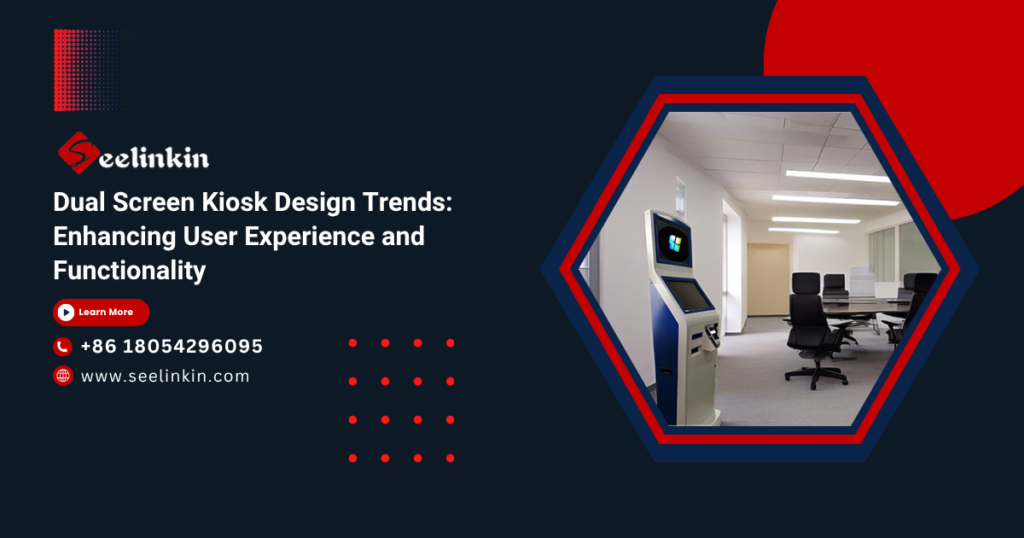
In today’s digital era, self-service technologies have revolutionized how businesses engage with their customers. Among these technologies, the dual screen kiosk has emerged as a standout solution, combining interactive capabilities with dynamic display options to transform user interactions. Without a doubt, dual screen kiosks are setting new standards for efficiency, engagement, and adaptability across retail, hospitality, healthcare, and public service sectors.
At Shenzhen Seelinkin Intelligent Technology Co., Ltd., we recognize the critical role that innovative kiosk design plays in driving superior user experience and expanding functionality. Our focus is not just on developing hardware but also on pioneering design strategies that fully leverage the potential of dual screen kiosks. This involves optimizing user interfaces, ergonomic considerations, display technologies, and smart software integrations.
In this comprehensive guide, we will explore the prevailing dual screen kiosk design trends that are enhancing both user experience and operational functionality. Transitioning from conventional single-screen models to dual-screen configurations offers a host of unique advantages, from increased interactivity to improved customer communication. Understanding these trends will enable businesses and technology integrators to make informed decisions that maximize kiosk impact.
The Rise of Dual Screen Kiosks: Why Two Screens Matter
Traditionally, kiosks used a single display to interact with users. While effective, the dual screen kiosk concept expands the interactive surfaces, offering a second display facing the customer or operator, thereby augmenting communication possibilities.
This dual-screen configuration enables:
Personalized Customer Interaction: One screen can display tailored content, advertisements, or menu options, while the other allows for touch-based user input.
Improved Customer Privacy: Separate screens help maintain transaction confidentiality, especially in financial or healthcare kiosks.
Enhanced Engagement: Multiple screens create immersive experiences with multimedia content and interactive elements.
Bi-directional Communication: Operators or service agents can use the second screen for real-time interaction with users, increasing service quality.
Transitioning now to the core focus: the design elements that are shaping the dual screen kiosk today.
1. Sleek and Ergonomic Form Factors
Modern kiosks emphasize slim profiles and adjustable angles to accommodate diverse user heights and accessibility needs. Materials and finishes focus on durability and aesthetics, ensuring the kiosk fits seamlessly into various environments from malls to airports.
2. High-Resolution and Multi-Touch Displays
Advances in display technologies such as IPS panels and OLED screens provide vibrant colors and wide viewing angles. Multi-touch capability enhances user input accuracy and fluidity, supporting gestures like pinch, scroll, and swipe for intuitive navigation.
3. Integrated Cameras and Sensors
To complement the dual screens, embedded cameras enable facial recognition, gesture control, and user analytics. Proximity and ambient light sensors adjust screen brightness and activate displays only when users approach, enhancing energy efficiency.
4. Modular and Scalable Architecture
Modular designs support customization, allowing businesses to add payment modules, printers, or NFC readers according to need. Scalability ensures the dual screen kiosk can evolve alongside business growth and technology advancements.
5. Software Personalization and AI Integration
With the rise of AI, kiosk software adapts dynamically—offering personalized recommendations, natural language interactions via voice assistants, and adaptive interfaces that learn from user behavior.
Functional Enhancements That Elevate Business Use Cases
The latest dual screen kiosk designs don’t just look impressive; they significantly boost operational efficiency and user satisfaction:
Self-Checkout and Ordering in retail and food services accelerate transaction speed and reduce queue times.
Information and Ticketing kiosks streamline customer flow in transportation hubs and entertainment venues.
Healthcare Kiosks facilitate patient check-ins with interactive surveys on one screen and educational content on the other.
Banking and Financial Services offer secure two-way communication—screen for public access and screen for bank staff input.
Why Partner with Shenzhen Seelinkin Intelligent Technology Co., Ltd?
Our commitment at Shenzhen Seelinkin Intelligent Technology Co., Ltd. is to fuse innovation with reliability. Our dual screen kiosks incorporate cutting-edge hardware paired with flexible software solutions, designed and tested for maximum uptime in demanding environments.
We provide end-to-end support—from consultation and customization to deployment and after-sales service—helping your business harness the full potential of dual screen kiosk technology.
Conclusion
The evolution of dual screen kiosks represents a significant leap forward in self-service technology. By enhancing user experience and expanding functionality, these innovative devices address modern business challenges and customer expectations more effectively than ever before.
At Shenzhen Seelinkin Intelligent Technology Co., Ltd., we are dedicated to pushing boundaries in kiosk technology, offering solutions designed for performance, versatility, and user engagement. Stay tuned as this comprehensive guide expands to cover detailed design considerations, deployment strategies, and case studies showcasing successful dual screen kiosk implementations around the world.
Frequently Asked Questions (FAQ)
Q1: What industries benefit most from dual screen kiosks? A1: Retail, hospitality, healthcare, finance, transportation, and government sectors leverage dual screen kiosks for enhanced customer service and operational efficiency.
Q2: How do dual screen kiosks improve user privacy compared to single screen models? A2: By separating the interactive user interface from the display facing others, sensitive information input by the user is protected.
Q3: Can the dual screens operate independently? A3: Yes, modern dual screen kiosks allow independent control of each screen to display tailored content and interaction options.
Q4: Are dual screen kiosks accessible for people with disabilities? A4: Design trends include ADA-compliance features such as adjustable height, tactile buttons, and voice guidance to ensure accessibility.
Q5: What maintenance challenges do dual screen kiosks present? A5: While more complex than single-screen models, modular designs from trusted manufacturers simplify repairs and updates.
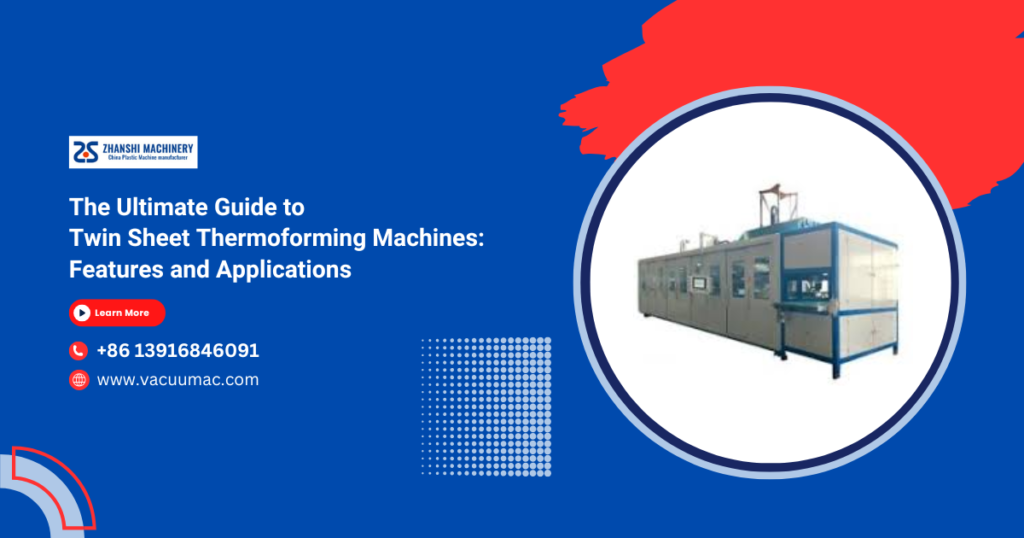
In the constantly evolving world of manufacturing, the demand for advanced, efficient, and versatile thermoforming solutions continues to grow. Among these, the twin sheet thermoforming machine stands out as a revolutionary technology that offers unmatched capabilities for producing high-strength, lightweight, and complex plastic parts. Whether you are in automotive, aerospace, packaging, or consumer goods, understanding the features and applications of twin sheet thermoforming machines is essential for optimizing your production processes.
At Shanghai Zhanshi Mechanical Equipment Co., Ltd., we specialize in delivering cutting-edge thermoforming machinery designed to meet diverse industry needs. This comprehensive guide aims to provide you with an in-depth understanding of what a twin sheet thermoforming machine is, its key features, operational advantages, and broad-ranging applications — helping you make informed decisions to enhance your manufacturing capabilities.
What is a Twin Sheet Thermoforming Machine?
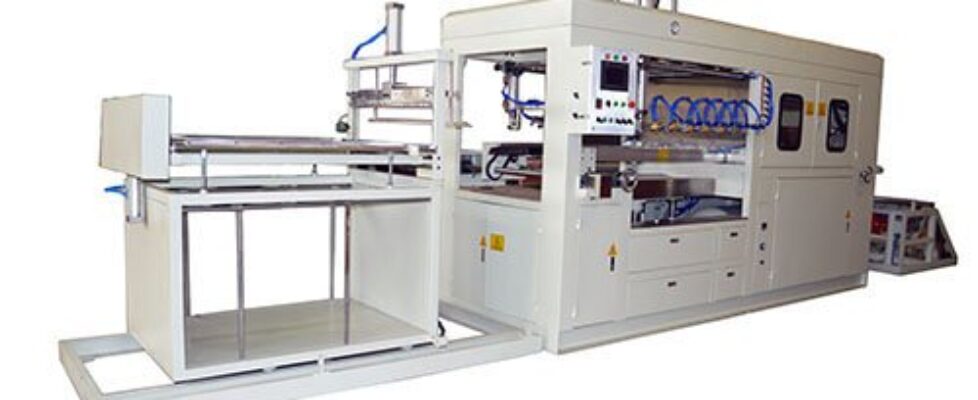
To begin with, a twin sheet thermoforming machine is a thermoforming system that simultaneously heats and forms two sheets of thermoplastic material. These two sheets are then fused under pressure, producing hollow or double-walled parts with enhanced structural integrity and rigidity compared to single-sheet thermoformed components.
This process differs significantly from traditional single-sheet thermoforming, offering manufacturers advantages such as improved mechanical properties, design flexibility, and material efficiency, all while enabling the creation of functional parts in one seamless operation.
Key Features of Twin Sheet Thermoforming Machines
Understanding the core features of the twin sheet thermoforming machine helps reveal why it is considered a game-changer within the plastic forming industry.
1. Dual Heating and Forming Chambers
Twin sheet machines incorporate two independent heating stations, each evenly heating a plastic sheet to its optimal forming temperature. This enables precise control and quality consistency for both sheets.
2. Synchronous Forming and Clamping System
Following heating, both sheets are simultaneously formed in matched molds and pressed together by a powerful clamping mechanism. This synchronization ensures accurate sheet alignment and strong weld lines.
3. Adjustable Welding and Cooling Controls
The machine regulates clamping force and cooling times to tailor the weld strength and cycle efficiency based on material and part geometry, ensuring superior part performance.
4. Flexible Mold Compatibility
Our twin sheet thermoforming machine supports a wide range of mold designs—from intricate aerospace parts to large automotive panels—offering unmatched versatility.
5. Automated Material Handling and Integration
Integrated feeders, robotic part removal, and real-time process monitoring optimize production flow and reduce manual intervention.
Advantages Over Traditional Thermoforming Methods
Transitioning into the benefits, the twin sheet thermoforming machine combines the economy and speed of thermoforming with mechanical properties previously reserved for injection molding or blow molding.
Superior Part Strength and Rigidity: Double-wall construction increases load-bearing capacity without significantly increasing weight.
Material Savings: Using thin sheets and fusing them reduces material wastage.
Design and Functional Complexity: Enables manufacturing of parts with complex internal features and integrated ribs, channels, or cavities.
Lower Tooling Costs: Compared to other molding methods, thermoforming tooling costs and lead times are often substantially reduced.
Industry Applications of Twin Sheet Thermoforming Machines
What makes the twin sheet technology so compelling is how widely applicable it is across sectors.
Automotive and Transportation
Because lightweight yet strong materials improve fuel efficiency and safety, twin sheet thermoformed parts such as dashboards, door panels, and storage compartments are widely adopted.
Aerospace and Defense
Specialized twin sheet components help produce durable, shock-resistant parts critical for aircraft interiors and rugged defense applications.
Consumer Goods and Appliances
The ability to form ergonomically complex shapes with internal structuring benefits household appliance housings, furniture, and sporting equipment.
Packaging
Large-capacity, insulated, or protective packaging containers rely on twin sheet thermoforming to combine sturdiness with reduced plastic use.
Medical Devices
Sterile, complex-shaped containers and cases that require precise molding are efficiently produced via twin sheet technology.
As a leader in thermoforming machinery, Shanghai Zhanshi Mechanical Equipment Co., Ltd. delivers twin sheet thermoforming machine tailor for quality, performance, and reliability. Our machines incorporate the latest automation, control systems, and engineering innovations designed to maximize your productivity and product quality.
With comprehensive pre-sale consultation, customizable machine configurations, and dedicated after-sales support, we ensure our clients gain a competitive edge in their markets.
What This Guide Covers
Detailed explanation of twin sheet thermoforming technology and its benefits
Overview of key machine components and operational workflow
Case studies illustrating successful industry applications
Guidelines for selecting the right twin sheet thermoforming machine
Troubleshooting and optimization tips
A thorough FAQ to answer common questions
By the end of this guide, you will have the expertise to harness the full potential of twin sheet thermoforming machines for your manufacturing needs.
Conclusion
The twin sheet thermoforming machine represents a fusion of innovation, precision, and efficiency that is transforming manufacturing landscapes across numerous industries. Its ability to produce lightweight, durable, and complex parts with cost-effectiveness makes it a strategic investment for businesses looking to stay competitive.
At Shanghai Zhanshi Mechanical Equipment Co., Ltd., we are proud to offer tailored twin sheet thermoforming solutions engineered to meet your exact requirements and help you capitalize on the vast possibilities this technology presents.
Frequently Asked Questions (FAQ)
Q1: What materials can be used with twin sheet thermoforming machines? Common materials include ABS, polypropylene, polycarbonate, PETG, and specially formulated bioplastics designed to meet application-specific requirements.
Q2: How does the cycle time of twin sheet thermoforming compare to other molding methods? Cycle times are generally faster than injection molding and blow molding, with some variations depending on part complexity and size.
Q3: Can twin sheet thermoforming machines produce multi-colored or textured parts? Yes, various finishing techniques, in-mold painting, and texture molds can be employed to achieve diverse aesthetics.
Q4: What are typical part sizes achievable with twin sheet thermoforming? Machines can be configured to produce parts ranging from small medical trays to large automotive panels measuring several meters.
Q5: How does maintenance differ from standard thermoforming machines? Twin sheet systems require additional calibration and maintenance for synchronized heating and clamping mechanisms but are otherwise similar in upkeep.
Q6: How customizable are the machines for different industry needs? Highly customizable, including mold design, automation level, heating type, and integration with Industry 4.0 systems.
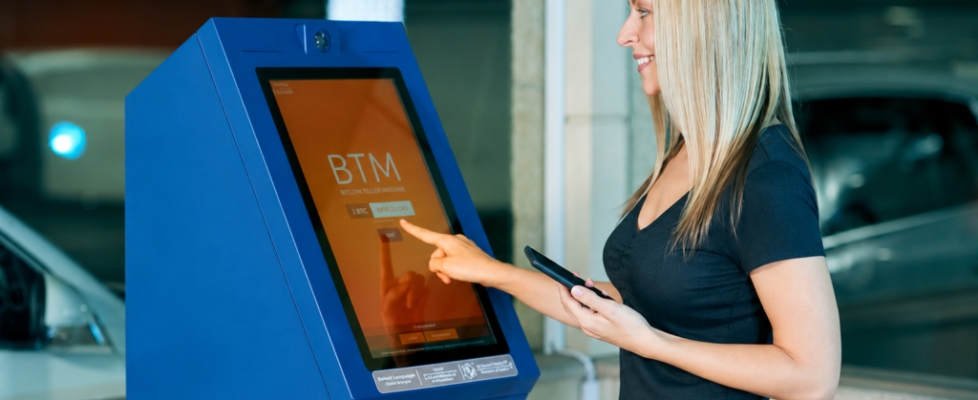
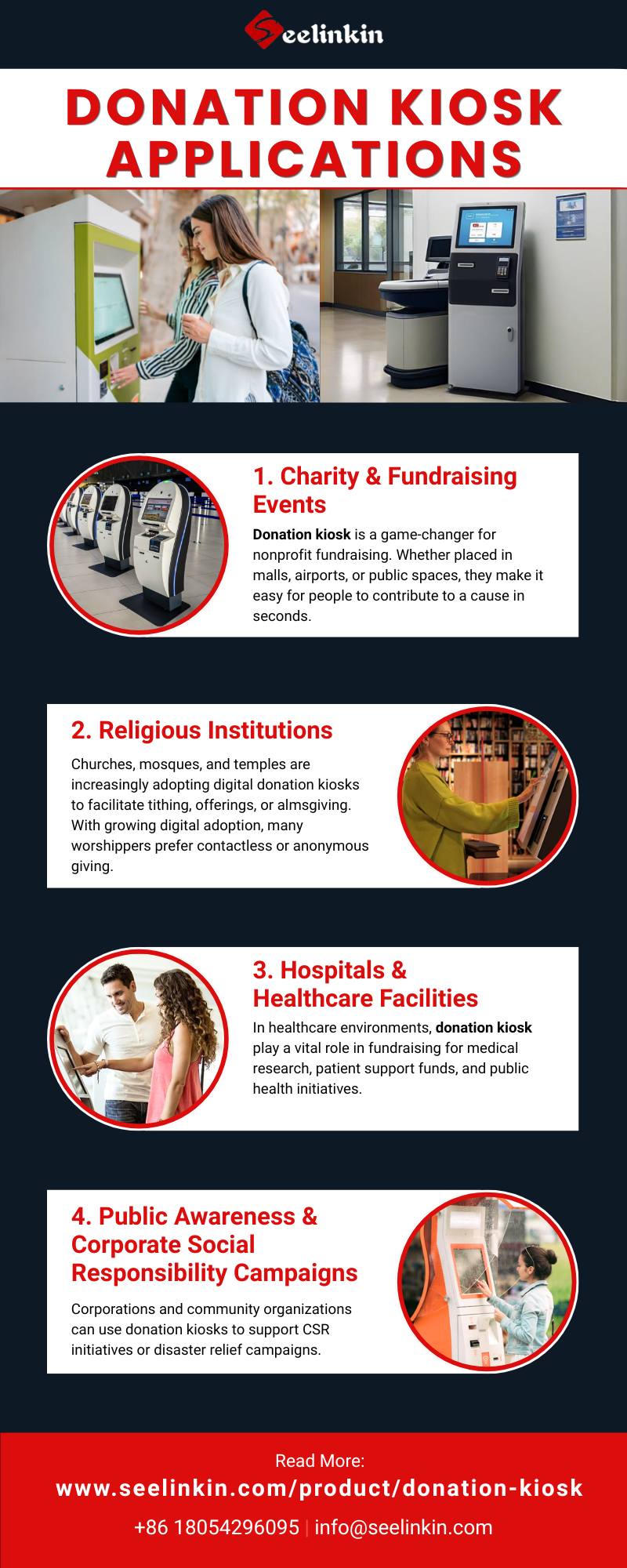
A Donation Kiosk is a modern self-service fundraising solution designed to help organizations collect donations quickly, securely, and efficiently. As digital payments become increasingly popular, donation kiosks are widely used by charities, nonprofits, religious institutions, hospitals, museums, and educational organizations to improve donor engagement and simplify fundraising activities.
One of the primary applications of a donation kiosk is in nonprofit and charity organizations. These kiosks can be installed in shopping centers, public events, community halls, and fundraising campaigns to encourage instant donations through cashless payment methods such as credit cards, debit cards, QR codes, and mobile wallets. The convenient touchscreen interface allows donors to complete transactions within seconds.
Religious organizations such as churches, temples, and mosques also benefit from donation kiosks by offering secure and contactless options for tithes, offerings, and charity contributions. In museums and cultural centers, donation kiosks help collect visitor support for exhibitions, restoration projects, and educational programs.
Hospitals and healthcare foundations use donation kiosks to raise funds for medical research, patient care programs, and emergency support services. Educational institutions also install donation kiosks during alumni events, graduation ceremonies, and scholarship fundraising campaigns to improve donation participation.
Modern donation kiosks feature secure payment systems, cloud management, multilingual interfaces, receipt printing, and customizable branding. These advanced functions make donation kiosks a reliable and efficient solution for organizations seeking modern fundraising technology.
A Twin Sheet Thermoforming Machine is a highly efficient manufacturing solution used to produce strong, lightweight, and hollow plastic products for various industries. This advanced thermoforming technology shapes two heated plastic sheets separately and then bonds them together to create durable double-wall structures. Industries such as automotive, transportation, agriculture, packaging, and medical equipment manufacturing widely rely on twin sheet thermoforming for producing high-performance plastic components.
The process begins with loading two thermoplastic sheets into the upper and lower clamping frames of the machine. Materials like ABS, HDPE, PP, and PVC are commonly selected because of their durability and excellent forming capabilities. The sheets are then heated evenly using advanced infrared heating systems until they become soft and flexible. Accurate temperature control is essential for achieving consistent wall thickness and precise product quality.
Once heated, both plastic sheets move to the forming station, where vacuum pressure and compressed air shape them against custom molds. After forming, the molds close together, and heat and pressure bond the two sheets into a single hollow structure. This unique process provides superior strength, insulation, and impact resistance compared to standard single-sheet thermoforming methods.
After bonding, the product enters the cooling stage to stabilize its structure and maintain dimensional accuracy. Excess material is trimmed, creating a clean and finished product ready for industrial applications. A Twin Sheet Thermoforming Machine offers lower tooling costs, faster production cycles, and excellent design flexibility, making it an ideal solution for modern plastic manufacturing industries.
For additional information about the Twin Sheet Thermoforming Machine, see this link: https://tinyurl.com/3mveawcx or give us a call at +86 13916846091 today!
Flooding can cause severe damage to homes, garages, basements, and valuable belongings. Installing high-quality Residential Flood Gates is one of the most effective ways to protect residential properties from rising water levels and extreme weather conditions. Designed for durability and reliability, these flood protection systems provide homeowners with peace of mind and long-term security.
Newflag Technology Co., Ltd. offers advanced flood defense solutions engineered to deliver strong and dependable performance for residential applications. Modern residential flood gates are designed with several important features that ensure maximum protection and easy operation.
Key Features of High-Quality Residential Flood Gates
1. Strong and Durable Materials
Premium residential flood gates are typically manufactured from high-strength aluminum or stainless steel. These corrosion-resistant materials provide long-lasting durability and maintain excellent performance even in harsh weather environments.
2. Excellent Watertight Sealing
A reliable sealing system is one of the most important features of effective Residential Flood Gates. High-quality rubber gaskets and precision engineering help create a watertight barrier that prevents floodwater from entering homes, garages, and doorways.
3. Easy Installation and Operation
Modern flood gates are designed for quick installation and convenient use. Many systems feature removable or lightweight panels that homeowners can easily deploy before a flood event and store afterward.
4. Customizable Sizes and Designs
Every property has unique protection requirements. High-quality residential flood gates are available in custom sizes and configurations to fit doors, driveways, patios, garages, and other vulnerable entry points.
Durable construction and corrosion-resistant coatings reduce maintenance needs and ensure long-term reliability. Regular cleaning and simple inspections are usually enough to keep the system functioning effectively.
6. Enhanced Safety and Property Protection
Residential flood gates help reduce costly flood damage to furniture, flooring, electrical systems, and structural components. They also improve overall home safety during severe storms and heavy rainfall.
By investing in dependable Residential Flood Gates, homeowners can better protect their properties from unpredictable flooding while improving long-term resilience and security.