The Ultimate Guide to Twin Sheet Thermoforming Machines: Features and Applications
In the constantly evolving world of manufacturing, the demand for advanced, efficient, and versatile thermoforming solutions continues to grow. Among these, the twin sheet thermoforming machine stands out as a revolutionary technology that offers unmatched capabilities for producing high-strength, lightweight, and complex plastic parts. Whether you are in automotive, aerospace, packaging, or consumer goods, understanding the features and applications of twin sheet thermoforming machines is essential for optimizing your production processes.
At Shanghai Zhanshi Mechanical Equipment Co., Ltd., we specialize in delivering cutting-edge thermoforming machinery designed to meet diverse industry needs. This comprehensive guide aims to provide you with an in-depth understanding of what a twin sheet thermoforming machine is, its key features, operational advantages, and broad-ranging applications — helping you make informed decisions to enhance your manufacturing capabilities.
What is a Twin Sheet Thermoforming Machine?
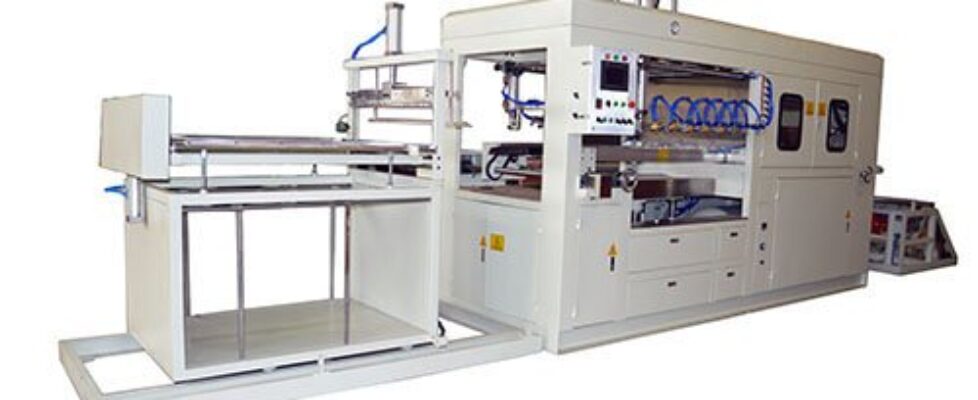
To begin with, a twin sheet thermoforming machine is a thermoforming system that simultaneously heats and forms two sheets of thermoplastic material. These two sheets are then fused under pressure, producing hollow or double-walled parts with enhanced structural integrity and rigidity compared to single-sheet thermoformed components.
This process differs significantly from traditional single-sheet thermoforming, offering manufacturers advantages such as improved mechanical properties, design flexibility, and material efficiency, all while enabling the creation of functional parts in one seamless operation.
Key Features of Twin Sheet Thermoforming Machines
Understanding the core features of the twin sheet thermoforming machine helps reveal why it is considered a game-changer within the plastic forming industry.
1. Dual Heating and Forming Chambers
Twin sheet machines incorporate two independent heating stations, each evenly heating a plastic sheet to its optimal forming temperature. This enables precise control and quality consistency for both sheets.
2. Synchronous Forming and Clamping System
Following heating, both sheets are simultaneously formed in matched molds and pressed together by a powerful clamping mechanism. This synchronization ensures accurate sheet alignment and strong weld lines.
3. Adjustable Welding and Cooling Controls
The machine regulates clamping force and cooling times to tailor the weld strength and cycle efficiency based on material and part geometry, ensuring superior part performance.
4. Flexible Mold Compatibility
Our twin sheet thermoforming machine supports a wide range of mold designs—from intricate aerospace parts to large automotive panels—offering unmatched versatility.
5. Automated Material Handling and Integration
Integrated feeders, robotic part removal, and real-time process monitoring optimize production flow and reduce manual intervention.
Advantages Over Traditional Thermoforming Methods
Transitioning into the benefits, the twin sheet thermoforming machine combines the economy and speed of thermoforming with mechanical properties previously reserved for injection molding or blow molding.
- Superior Part Strength and Rigidity: Double-wall construction increases load-bearing capacity without significantly increasing weight.
- Material Savings: Using thin sheets and fusing them reduces material wastage.
- Design and Functional Complexity: Enables manufacturing of parts with complex internal features and integrated ribs, channels, or cavities.
- Lower Tooling Costs: Compared to other molding methods, thermoforming tooling costs and lead times are often substantially reduced.
Industry Applications of Twin Sheet Thermoforming Machines
What makes the twin sheet technology so compelling is how widely applicable it is across sectors.
Automotive and Transportation
Because lightweight yet strong materials improve fuel efficiency and safety, twin sheet thermoformed parts such as dashboards, door panels, and storage compartments are widely adopted.
Aerospace and Defense
Specialized twin sheet components help produce durable, shock-resistant parts critical for aircraft interiors and rugged defense applications.
Consumer Goods and Appliances
The ability to form ergonomically complex shapes with internal structuring benefits household appliance housings, furniture, and sporting equipment.
Packaging
Large-capacity, insulated, or protective packaging containers rely on twin sheet thermoforming to combine sturdiness with reduced plastic use.
Medical Devices
Sterile, complex-shaped containers and cases that require precise molding are efficiently produced via twin sheet technology.
Why Choose Shanghai Zhanshi Mechanical Equipment Co., Ltd.?
As a leader in thermoforming machinery, Shanghai Zhanshi Mechanical Equipment Co., Ltd. delivers twin sheet thermoforming machine tailor for quality, performance, and reliability. Our machines incorporate the latest automation, control systems, and engineering innovations designed to maximize your productivity and product quality.
With comprehensive pre-sale consultation, customizable machine configurations, and dedicated after-sales support, we ensure our clients gain a competitive edge in their markets.
What This Guide Covers
- Detailed explanation of twin sheet thermoforming technology and its benefits
- Overview of key machine components and operational workflow
- Case studies illustrating successful industry applications
- Guidelines for selecting the right twin sheet thermoforming machine
- Troubleshooting and optimization tips
- A thorough FAQ to answer common questions
By the end of this guide, you will have the expertise to harness the full potential of twin sheet thermoforming machines for your manufacturing needs.
Conclusion
The twin sheet thermoforming machine represents a fusion of innovation, precision, and efficiency that is transforming manufacturing landscapes across numerous industries. Its ability to produce lightweight, durable, and complex parts with cost-effectiveness makes it a strategic investment for businesses looking to stay competitive.
At Shanghai Zhanshi Mechanical Equipment Co., Ltd., we are proud to offer tailored twin sheet thermoforming solutions engineered to meet your exact requirements and help you capitalize on the vast possibilities this technology presents.
Frequently Asked Questions (FAQ)
Q1: What materials can be used with twin sheet thermoforming machines?
Common materials include ABS, polypropylene, polycarbonate, PETG, and specially formulated bioplastics designed to meet application-specific requirements.
Q2: How does the cycle time of twin sheet thermoforming compare to other molding methods?
Cycle times are generally faster than injection molding and blow molding, with some variations depending on part complexity and size.
Q3: Can twin sheet thermoforming machines produce multi-colored or textured parts?
Yes, various finishing techniques, in-mold painting, and texture molds can be employed to achieve diverse aesthetics.
Q4: What are typical part sizes achievable with twin sheet thermoforming?
Machines can be configured to produce parts ranging from small medical trays to large automotive panels measuring several meters.
Q5: How does maintenance differ from standard thermoforming machines?
Twin sheet systems require additional calibration and maintenance for synchronized heating and clamping mechanisms but are otherwise similar in upkeep.
Q6: How customizable are the machines for different industry needs?
Highly customizable, including mold design, automation level, heating type, and integration with Industry 4.0 systems.