Temporary Flood Barrier Solutions: Fast Protection When Every Minute Counts!
Flooding is among nature’s most sudden and destructive forces—one moment, it’s business as usual, and the next, raging waters threaten everything you value. For homeowners, business owners, and city planners alike, being unprepared is no longer an option. The urgent reality is that when water starts to rise, every minute truly counts. Fortunately, advancements in flood protection now offer rapid, effective defenses designed for quick deployment and robust performance. Chief among these innovations is the Temporary Flood Barrier—a modern solution that keeps people, property, and disruption at bay, even in the most unpredictable conditions.
Understanding the Temporary Flood Barrier
What is a Temporary Flood Barrier?
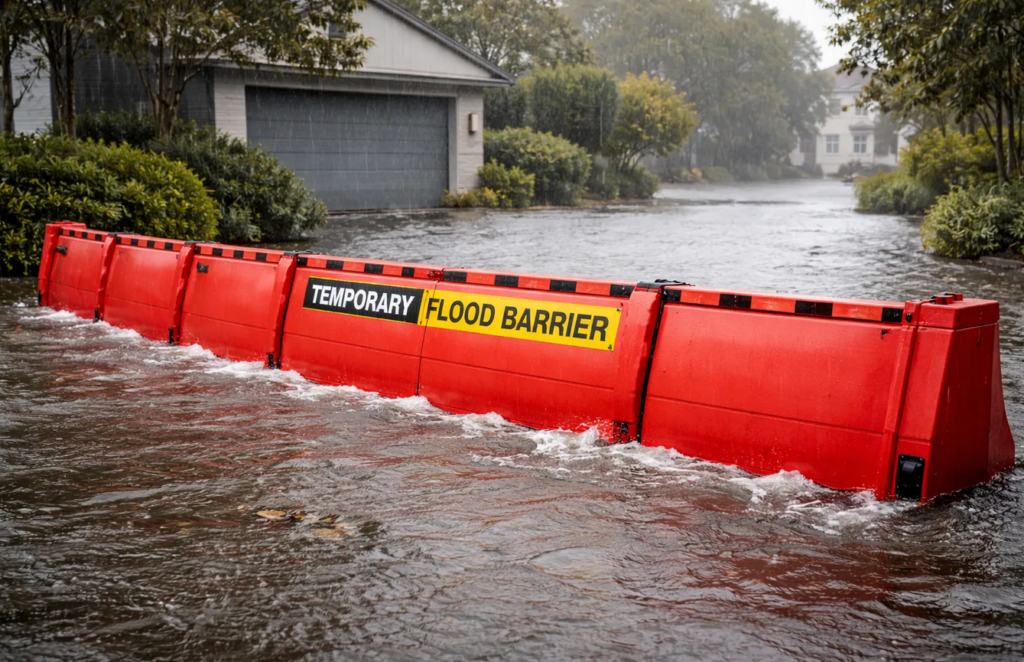
A Temporary Flood Barrier is a portable, rapidly deployable system designed to hold back and redirect floodwaters before serious damage can occur. Unlike permanent structures such as levees or flood walls, these barriers are kept in storage and set up only when needed—making them cost-effective, flexible, and perfect for emergencies or fast-changing environments.
Temporary Flood Barriers are constructed from robust, water-resistant materials and are engineered for quick assembly, often without heavy machinery or extensive labor. They can be fitted across doors, driveways, streets, and even around buildings or urban blocks. Once the threat has passed, these barriers are removed and stored for future use—a sustainable and efficient approach for areas with intermittent flood risk.
How Temporary Flood Barriers Work
Temporary Flood Barriers come in several forms, but the core principle is the same: when a flood risk emerges, the barrier is rapidly placed between your property and the incoming water, creating a reliable shield. Some Temporary Flood Barrier types include:

- Interlocking Panels: Modular units form watertight walls along windows, doors, or entire perimeters.
- Self-Filling Water Dams: Tubes or booms that fill with oncoming water or hose supply, anchoring themselves in place.
- Inflatable Barriers: Air or water-inflated systems that rise quickly to form tall, sturdy defenses.
- Demountable Barrier Systems: Heavy-duty boards or planks slotted into posts, ideal for larger or critical sites.
Each solution is tailored to its application, but all share core priorities: speed, ease-of-use, and reliability under pressure.
The Need for Speed: When Every Minute Counts
The Science of Flash Floods and Urban Inundation
Flood emergencies come with little or no warning. Sudden heavy rainfall can overwhelm drainage systems in minutes. Riverbanks may burst unexpectedly. Storm surges can breach low-lying coastal zones far faster than permanent defences allow for a response.
Temporary Flood Barrier solutions thrive in these scenarios:
- Rapid assembly keeps damage minimal, even in “act now” situations.
- Portable storage means barriers are readily on hand, not locked behind complex installations.
- Flexible layouts allow fast scaling, whether you’re defending a single door or a parking lot.
Traditional Methods vs. Modern Solutions
Sandbags have been the historic standard for emergency flood defense. However, they are slow to fill, exhausting to carry, prone to leaks, and leave behind a soggy mess. Comparatively, Temporary Flood Barriers are:
- Lighter and faster to deploy
- Cleaner (no contaminated or rotting materials post-flood)
- Stronger, using engineered seals and robust construction
- Reusable, making them more cost-effective over time
Types of Temporary Flood Barriers and Their Applications
1. Panel and Frame Barriers
Best For:
Homes, commercial properties, and low-rise access points
These consist of panel units (aluminium or composite) that slot into vertical side posts anchored at entrances or window wells. In dry times, only anchors are visible. When needed, panels are quickly installed by one or two people—providing instant protection from shallow to severe flooding.
2. Water-Filled Barriers

Best For:
Roadways, perimeter defense, critical infrastructure
Long tubes, booms, or sausage-shaped barriers are deployed in place and filled with water—either floodwater or from a hose supply. The weight of the water holds the barrier down, creating a dam effect. These are perfect for irregular ground or when there’s no fixed structure to attach barriers to.
3. Inflatable Flood Barriers
Best For:
Flat surfaces, paved lots, sports fields, or event venues
Inflatable barriers can be rolled out and inflated within minutes, offering a tall wall against approaching water. After use, they are easily deflated and packed down for storage.
4. Demountable Flood Walls
Best For:
Urban infrastructure, power plants, substations, or locations with repeated risk
These are engineered, modular walls that store offsite or in nearby depots, ready for quick assembly. Posts are positioned in advance, and heavy-duty boards are slotted in when flooding is anticipated. They can stretch for hundreds of meters or more, making them critical for cities or large complexes.
Choosing the Right Temporary Flood Barrier
Selecting the best product depends on several factors:
- The speed of the expected flood rise
- The size and vulnerability of your property or area
- Accessibility and manpower available for setup
- Whether a solution has permanent fixings or is fully portable
- Budget and frequency of anticipated floods
Newflag Technology Co., Ltd. offers a comprehensive consultation and risk analysis to help you determine the most appropriate Temporary Flood Barrier configuration for your needs.
Benefits Unique to the Modern Temporary Flood Barrier
1. Speed of Response
Most temporary systems can be deployed in just minutes. Interlocking panels or inflatable booms mean you’re ready to defend as soon as the forecast darkens.
2. Reusability and Lower Long-Term Costs
Unlike sandbags, Temporary Flood Barriers are designed for years of service. Simply clean, inspect, and store after each use. This presents major savings for businesses and municipalities facing repeat events.
3. Minimal Storage Footprint
Modern barriers pack down into compact storage racks or bins. A full house or shop’s worth of protection requires little more space than a closet.
4. Adaptable Protection
Barriers can be lengthened or heightened as each threat demands. Many systems are modular and can be extended quickly.
5. Environmental Responsibility
No contaminated sand or disposal headaches. Materials are durable, non-toxic, and recyclable at end-of-life.
6. Enhanced Reliability
Positive pressure seals, robust engineering, and quality control mean less risk of underperformance, leaks, or failure when you need them most.
Real-World Success: Temporary Flood Barrier Case Studies
Urban Business District, Central Europe
A downtown district flooded three years in a row, with shop basements and subway entrances experiencing regular damage. After installing Newflag’s modular panel Temporary Flood Barrier systems at key locations, incidents of basement flooding dropped by 80%. Storage and deployment were managed by city crews, requiring only minimal training.
Suburban Homeowner, United Kingdom
A family in a flood-prone rural area adopted water-filled Temporary Flood Barriers for driveway and patio protection. In a recent storm, the barriers were deployed in under 10 minutes by two people, keeping living areas completely dry. After the waters receded, the barriers were drained, hosed off, and packed away—no residual mess, no environmental waste.
Power Substation, Southeast Asia
A regional utility needed to secure vital equipment but did not want expensive, permanent flood walls. Newflag supplied heavy-duty, demountable Temporary Flood Barriers, which crews keep in storage containers on-site. When the river began to rise, workers fitted the barriers in under an hour, protecting valuable infrastructure from catastrophic water damage.
Deployment: Step-by-Step Quick Guide
Step 1: Risk Assessment
Define what areas are most vulnerable. Decide entry points, window wells, ramps, or critical zone perimeters.
Step 2: Pre-Planning and Preparation
- Store barriers where they are rapidly accessible, ideally near at-risk points
- Ensure clear instructions and labels for fast assembly
Step 3: Rapid Deployment
When a flood is forecasted:
- Move Temporary Flood Barriers to the needed locations
- Secure per manufacturer guidance (slotting panels together, filling booms, or inflating tubes)
- Check seals and connections
- Monitor progress as the water rises
Step 4: Pack Down and Clean-Up
Once the threat has passed:
- Disassemble or drain barriers
- Clean and dry thoroughly
- Inspect for any wear or damage
- Store ready for next use
Maintenance for Lasting Defense
A temporary flood barrier is only as good as its readiness. Regular checks and smart routine maintenance are simple but essential:
- Inspect annually: Check for cracks, corrosion, punctures, or connection wear.
- Clean after use: Rinse and dry materials to avoid mold or rot.
- Lubricate moving parts (if required).
- Replace damaged seals or parts as needed.
- Store in accessible, dry, and labeled containers.
Newflag Technology Co., Ltd. provides maintenance plans, training, and spare parts for all our Temporary Flood Barrier systems.
Fast, Flexible, and Reliable—The Temporary Flood Barrier Advantage
Flood events don’t wait, and neither can your protection plan. Having a Temporary Flood Barrier solution from Newflag Technology Co., Ltd. means you’ll never be caught off-guard or forced to scramble with sandbags and hope. Whether you are shielding your home, your business, or your entire community, these barriers offer rapid, reliable protection when every minute and every centimeter of water can make a difference.
The urgency of modern flood risk demands a modern solution. Invest in security that adapts to your needs, saves you time and money, and helps safeguard what matters most—long before the water starts to rise.
Why Choose Newflag Technology Co., Ltd. for Your Temporary Flood Barrier Solution?

Expertise and Guidance
Our team brings decades of experience in the field, working with homeowners, businesses, and governments worldwide. From assessment to aftercare, Newflag stands behind every product and project.
State-of-the-Art Engineering
All our Temporary Flood Barriers are developed using the latest materials, design standards, and field testing. You get the performance you need—when you need it most.
Personalized Solutions
Flood risk isn’t one-size-fits-all. We’ll recommend the temporary solution that’s best for your site, environment, and budget.
End-to-End Service
We provide full support—including delivery, training, 24/7 support, spare parts, and ongoing consultation—to ensure you are always prepared.
Frequently Asked Questions (FAQ)
Q1: How long does it take to deploy a Temporary Flood Barrier?
A: Most Temporary Flood Barriers can be set up within minutes to an hour, depending on the solution and number of people involved. For example, two people can fit panel barriers on an average home in under 15 minutes.
Q2: Are these barriers reusable?
A: Absolutely. Our Temporary Flood Barriers are engineered for repeated use, often lasting many years with basic care. This drastically reduces waste and long-term costs, compared with sandbags.
Q3: What happens if the floodwater is higher than the barrier?
A: It’s important to select the correct height based on your local risk analysis. Temporary systems are modular, so Newflag can provide extension kits or additional panels/sections to meet evolving needs.
Q4: Are water-filled or inflatable barriers safe on uneven ground?
A: Yes; water-filled and inflatable Temporary Flood Barriers are specifically designed to adapt to curbs, irregular surfaces, and gentle slopes. For sharp steps or major gaps, additional accessories (like foam pads) may be included.
Q5: Can Temporary Flood Barriers be used for both homes and large commercial buildings?
A: Yes, the flexibility of these barriers makes them suitable for residential, commercial, industrial, and municipal use. Newflag offers products scaled for every application.
Q6: Will barriers damage property during use?
A: No. Properly installed Temporary Flood Barriers require little or no modification to structures. Panel-style solutions may use small, permanent anchoring points; all barriers are designed to avoid harm during setup and removal.
Q7: How are barriers stored when not in use?
A: Most systems are designed for compact, clean storage. Racks, bins, or carry cases keep the barriers organized and ready for rapid response.
Q8: How can I train my staff or family to use them?
A: Newflag Technology Co., Ltd. provides comprehensive training, instructional materials, and support so anyone can deploy these barriers efficiently in an emergency.
Q9: Are there government incentives or insurance benefits for using Temporary Flood Barriers?
A: In many regions, insurers may reduce premiums or deductibles for properties with certified flood protection measures. Some governments offer grants or incentives for disaster preparedness investments. We’re happy to provide documentation for risk-reduction installations.
Q10: How do I determine the right Temporary Flood Barrier for my property?
A: Start with a professional risk assessment and consult with our Newflag experts. We evaluate your unique needs, propose tailored solutions, and guide you through installation and use.