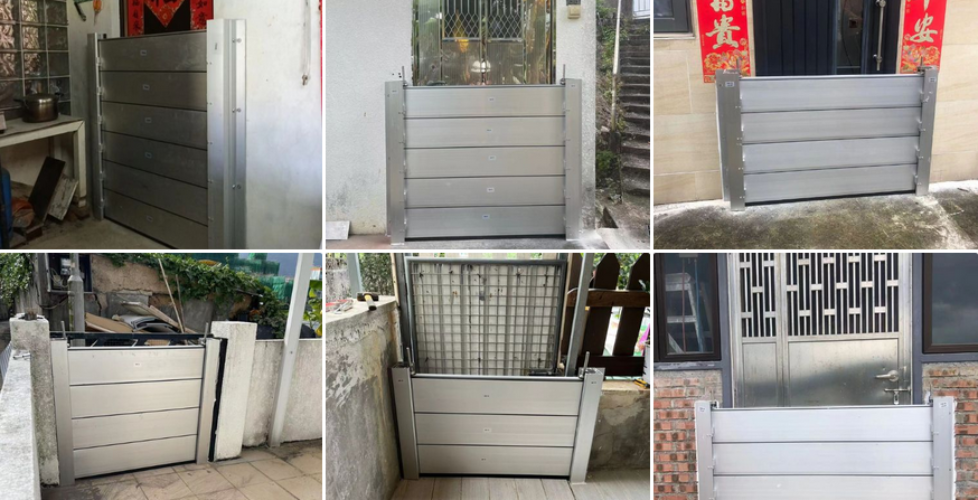
Residential Flood Gates: The Essential Home Upgrade for Flood Protection!
Flooding is one of the most devastating natural disasters that can strike a home, often with little warning and catastrophic consequences. As climate change accelerates and extreme weather events become more frequent, homeowners are increasingly seeking effective solutions to safeguard their properties. While sandbags and temporary barriers have long been the go-to options, modern technology now offers a far more reliable and permanent answer: Residential Flood Gates.
At Newflag Technology Co., Ltd., we understand that your home is more than just a building—it’s a sanctuary for your family, your memories, and your future. Protecting it from the unpredictable forces of nature is not just a matter of convenience, but a necessity. Residential Flood Gates are rapidly emerging as the essential home upgrade for flood protection, providing peace of mind and robust defense against rising waters.
Understanding Residential Flood Gates
What Are Residential Flood Gates?
Residential Flood Gates are engineered barriers designed to prevent floodwaters from entering homes through vulnerable entry points such as doors, garages, driveways, and windows. Unlike temporary solutions, these gates are built for rapid deployment and long-term use, offering a permanent or semi-permanent line of defense against water intrusion.
Flood gates can be custom-fitted to a variety of openings and are constructed from durable materials such as steel, aluminum, or reinforced composites. Many models feature easy-to-operate mechanisms, allowing homeowners to quickly secure their property when a flood threat arises.
How Do Residential Flood Gates Work?
The primary function of Residential Flood Gates is to create a watertight seal at entry points, blocking the path of floodwaters. Depending on the design, these gates may be:
- Manual: Installed and removed by the homeowner as needed.
- Automatic: Activated by rising water levels or remote control.
- Permanent: Fixed in place and always ready to deploy.
Some advanced systems integrate with smart home technology, providing alerts and remote operation for added convenience and safety.
Why Flood Protection Is More Important Than Ever
-The Rising Threat of Flooding
Flooding is no longer a rare occurrence. According to global climate data, the frequency and severity of floods have increased dramatically over the past decade. Urban development, aging infrastructure, and unpredictable weather patterns have left many homes vulnerable—even those outside traditional flood zones.
-The Cost of Flood Damage
The financial impact of flooding can be staggering. Water damage can destroy foundations, electrical systems, furniture, and personal belongings. Insurance may not always cover the full extent of the loss, and the emotional toll of displacement and recovery can be overwhelming.
-The Limitations of Traditional Flood Barriers
While sandbags and temporary barriers offer some protection, they are labor-intensive, time-consuming to deploy, and often fail to provide a complete seal. Once floodwaters breach these defenses, the damage is often unavoidable.
The Benefits of Residential Flood Gates
Superior Protection
Residential Flood Gates are engineered to withstand significant water pressure and provide a watertight seal. Unlike makeshift barriers, they are tested to meet rigorous standards and can be relied upon in the most challenging conditions.
Rapid Deployment
Many flood gates can be deployed in minutes, either manually or automatically. This speed is crucial when time is of the essence, and floodwaters are rising.
Custom Fit and Versatility
Flood gates can be tailored to fit any entry point, including doors, garages, windows, and even entire driveways. This versatility ensures comprehensive protection for your entire home.
Durability and Longevity
Constructed from high-quality materials, Residential Flood Gates are designed for long-term use. They resist corrosion, UV damage, and wear, providing years of reliable service.
Aesthetic Integration
Modern flood gates are designed to blend seamlessly with your home’s architecture. They can be color-matched and styled to complement your property, maintaining curb appeal while enhancing safety.
Low Maintenance
Once installed, Residential Flood Gates require minimal upkeep. Routine inspections and occasional cleaning are usually sufficient to keep them in optimal condition.
Increased Property Value
Homes equipped with advanced flood protection systems are more attractive to buyers and may command higher resale values, especially in flood-prone regions.
Types of Residential Flood Gates
- Swing Gates: These gates operate like traditional doors, swinging open or closed to block water entry. They are ideal for driveways and wide entrances.
- Drop-In Barriers: Drop-in barriers are panels that can be quickly slotted into place across doorways or windows. They are lightweight, easy to store, and effective for smaller openings.
- Sliding Gates: Sliding flood gates move horizontally to cover large openings, such as garage doors or commercial entrances. They offer robust protection and can be automated for convenience.
- Permanent Flood Barriers: These are fixed installations that provide continuous protection. They are often used in areas with frequent flooding or where rapid deployment is critical.
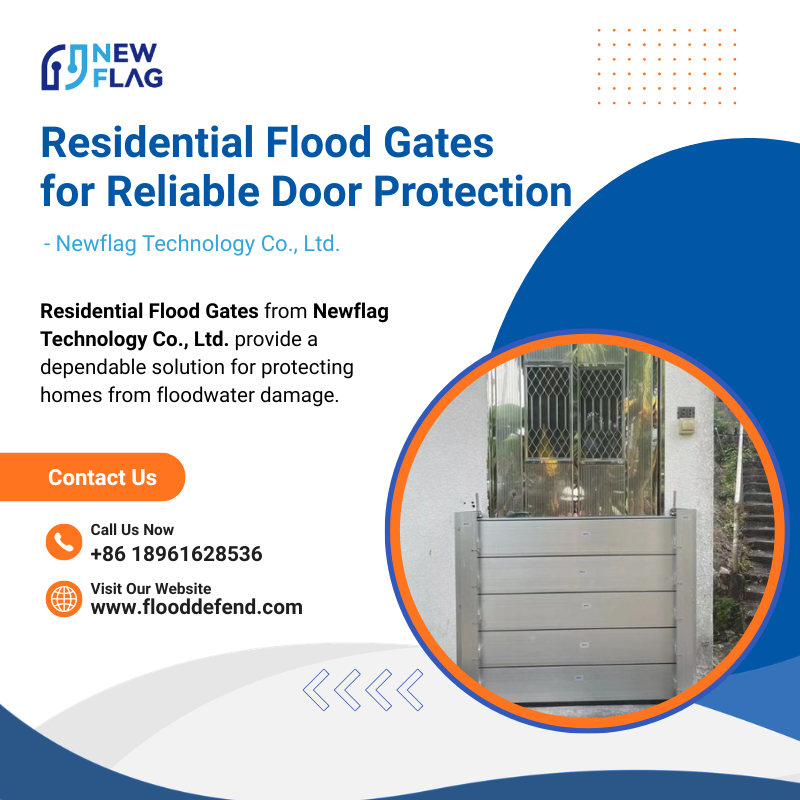
Also Read: Residential Flood Gates for Reliable Door Protection – Newflag Technology Co., Ltd.
Installation Considerations
- Site Assessment: A professional site assessment is essential to identify all potential water entry points and determine the most effective flood gate solutions for your property.
- Customization: Every home is unique. Residential Flood Gates can be custom-fabricated to fit non-standard openings, ensuring a perfect seal and maximum protection.
- Professional Installation: While some flood gates are designed for DIY installation, professional fitting is recommended for optimal performance, especially for large or complex systems.
- Integration with Existing Structures: Flood gates should be integrated with your home’s existing doors, windows, and landscaping to ensure both functionality and aesthetics.
Why Choose Newflag Technology Co., Ltd. for Residential Flood Gates?
At Newflag Technology Co., Ltd., we are committed to providing homeowners with the most advanced and reliable flood protection solutions on the market. Our Residential Flood Gates are engineered to the highest standards, combining cutting-edge technology with robust materials and expert craftsmanship.

We offer:
-Comprehensive Product Range: From manual drop-in barriers to fully automated sliding gates.
-Customization: Tailored solutions for any home, regardless of size or layout.
-Expert Consultation: Professional site assessments and personalized recommendations.
-Quality Assurance: Rigorous testing and certification for all products.
-After-Sales Support: Ongoing maintenance, support, and warranty services.
As the threat of flooding continues to rise, proactive protection is no longer optional—it’s essential. Residential Flood Gates represent the next generation of home flood defense, offering unmatched reliability, convenience, and peace of mind. By investing in this essential home upgrade, you are not only safeguarding your property and possessions but also ensuring the safety and well-being of your loved ones.
Frequently Asked Questions (FAQ)
- What are Residential Flood Gates made of?
Most Residential Flood Gates are constructed from high-strength materials such as galvanized steel, aluminum, or reinforced composites. These materials are chosen for their durability, corrosion resistance, and ability to withstand high water pressure.
- How long does it take to install Residential Flood Gates?
Installation time varies depending on the type and number of gates required. Simple drop-in barriers can be installed in a few hours, while more complex systems may take a day or two. Professional installation ensures a perfect fit and optimal performance.
- Can Residential Flood Gates be used for all types of homes?
Yes, flood gates can be customized to fit any home, including single-family houses, townhouses, and even apartment buildings. They can be adapted to various entry points and architectural styles.
- Are Residential Flood Gates easy to operate?
Most modern flood gates are designed for ease of use. Manual gates can be deployed quickly without special tools, and automated systems can be activated with the push of a button or even remotely via smart home integration.
- How do I maintain my Residential Flood Gates?
Routine maintenance typically involves inspecting seals, cleaning surfaces, and checking for any signs of wear or damage. Annual professional inspections are recommended for permanent or complex systems.
- Will installing flood gates affect my home’s appearance?
No. Today’s Residential Flood Gates are designed to blend with your home’s exterior. Custom colors and finishes are available to match your property’s style.
- Do Residential Flood Gates require power to operate?
Manual gates do not require power. Automated systems may use electricity or battery backup to ensure operation during power outages.
- Are Residential Flood Gates expensive?
The cost depends on the type, size, and number of gates required. While the initial investment may be higher than temporary barriers, the long-term protection and potential savings on flood damage make them a cost-effective solution.
- Can flood gates be used in combination with other flood protection measures?
Absolutely. Flood gates can be part of a comprehensive flood defense system, including sump pumps, landscaping, and drainage improvements.
- Where can I purchase Residential Flood Gates?
You can purchase high-quality Residential Flood Gates directly from Newflag Technology Co., Ltd. Our team will guide you through the selection, customization, and installation process.