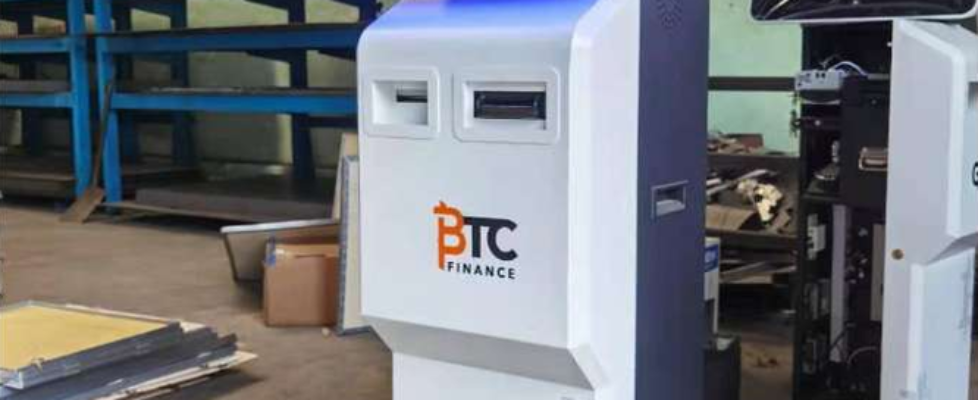
The Redemption Kiosk from Shenzhen Seelinkin Intelligent Technology Co., Ltd. is a reliable self-service solution designed for casinos, skill game centers, and entertainment venues. It simplifies ticket redemption by allowing players to scan winning tickets and receive payouts quickly through an intuitive touchscreen interface. Equipped with advanced barcode and QR code scanning, secure cash dispensing, and receipt printing, the kiosk enhances customer convenience while reducing operational costs
Its robust steel construction, anti-tamper design, and customizable hardware ensure long-lasting performance in high-traffic environments. The Redemption Kiosk seamlessly integrates with casino management systems to enable secure, accurate, real-time transaction processing. Whether upgrading an existing gaming floor or launching a new venue, Shenzhen Seelinkin delivers dependable, customizable kiosk solutions that improve efficiency, minimize waiting times, and provide a superior redemption experience for both operators and players. Learn more at: https://tinyurl.com/mur3dar4and call now Summer Guo, at +86 18054296095 or email us at info@seelinkin.com today!
As digital payments continue to replace cash transactions, the Top Up Kiosk has become an essential self-service solution for businesses and service providers. These intelligent kiosks allow users to conveniently recharge mobile phones, top up prepaid cards, pay utility bills, purchase digital vouchers, and complete other cashless transactions without assistance. Their fast, secure, and user-friendly design makes them ideal for high-traffic locations such as shopping malls, convenience stores, transportation hubs, airports, and financial institutions.
Shenzhen Seelinkin Intelligent Technology Co., Ltd. manufactures advanced Top Up Kiosk solutions designed to enhance customer convenience while improving business efficiency. Equipped with high-resolution touchscreens, secure payment systems, barcode and QR code scanners, receipt printers, NFC readers, and customizable software, Seelinkin kiosks provide a seamless self-service experience. Their flexible hardware configurations allow businesses to integrate various payment methods and value-added services based on operational requirements.
The applications of a Top Up Kiosk extend across multiple industries. Telecom operators use them for mobile recharge services, retailers offer gift cards and prepaid card top-ups, banks enable bill payments and account services, while transportation providers support transit card recharges. These kiosks reduce waiting times, minimize operational costs, and provide customers with 24/7 access to essential services.
By investing in a reliable Top Up Kiosk, businesses can improve customer satisfaction, increase service efficiency, and support the growing demand for digital and contactless payments. To learn more about innovative self-service kiosk solutions, visit https://tinyurl.com/3wfjfrpc and call now at +86 18054296095 or email us at info@seelinkin.comtodiscover how Shenzhen Seelinkin Intelligent Technology Co., Ltd. can help transform your payment services.
In today’s age of high-speed manufacturing, global competition, and relentless technological advances, the demands on engineers, procurement teams, and production managers are unprecedented. Success in modern engineering is no longer just about high-quality components—it’s about how quickly and cost-effectively those components can be made available, assembled, and put to use in real-world machinery.
Nowhere is this truer than in the realm of hydraulic and pneumatic systems. As one of the essential building blocks in fluid power applications, the quality and availability of cylinder tubes can determine not only the reliability but also the speed of product development and maintenance cycles. Consequently, a paradigm shift is underway: more and more manufacturers are embracing the Ready to Honed Tube as a shortcut to efficiency, quality, and business agility.
What is Ready to Honed Tube?
To appreciate the impact of Ready to Honed Tube, we first need to understand its definition and origin. In the traditional manufacture of hydraulic and pneumatic cylinders, the process begins with raw or cold-drawn seamless tubes. These tubes must undergo several machining and surface treatment operations—most notably boring and honing—before they can be used as cylinder barrels.
The Ready to Honed Tube flips this model on its head. Rather than starting with a rough, unfinished tube, the manufacturer supplies a tube that has already been processed to a near-final internal diameter, roundness, and straightness. All that is left for the customer (if anything) is a light final honing—sometimes, not even that.
In practical terms, a high-quality Ready to Honed Tube is:
Cold drawn or hot finished seamless tube,
Delivered with a precise internal diameter,
Finished with exceptional straightness and roundness,
With inner surface roughness and tolerance optimized for honing or, in some cases, direct use in cylinder manufacturing.
This drastically cuts down the time and resources needed from the manufacturer or repair shop, shifting the heavy lifting of precision machining upstream to experts such as Shandong Baokun Metal Material Co., Ltd.
The Traditional Cylinder Tube Challenge
Traditionally, cylinder tube production has followed labor-intensive, multi-stage processes:
Procurement of raw tube stock
Rough boring
Honing to the final size and finish
Cleaning, inspection, and machining
Final assembly
Each of these stages brings with it potential hazards: injecting extra cost, delays, potential surface defects, and human factors. For small manufacturers or maintenance teams, investments in precision honing machines, skilled operators, and rigorous inspection can be prohibitive.
Time and production bottlenecks frequently resulted from:
Waiting on semi-finished tube deliveries,
Variability in tube quality,
Need for significant in-house machining,
Equipment downtime and quality rejections.
Fortunately, modern sourcing approaches offer a solution: the Ready to Honed Tube.
How Ready to Honed Tube Streamlines and Accelerates Production?
The manufacturing landscape is changing, and Ready to Honed Tube is a key driver. Let’s outline exactly how Ready to Honed Tube accelerates production and adds value to modern engineering.
1. Elimination of Labor-Intensive Pre-Processing By receiving a tube that is already straightened, dimensioned, and nearly finished internally, fabricators skip a major chunk of internal machining and boring. This frees skilled labor for higher-value activities, reduces the need for capital investment in specialized machinery, and clears shop floors for more productive work.
2. Reduction of Lead Times and Inventory Investment Because Ready to Honed Tubes are delivered near ready for final honing (or even assembly in certain designs), production and maintenance schedules are much shorter. Companies avoid holding costly raw tube inventories, enabling:
Lean Manufacturing practices
Just-In-Time (JIT) workflows
Fast turnaround on repairs and new builds
3. Consistent Quality and Tolerances A reputable Ready to Honed Tube supplier like Shandong Baokun Metal Material Co., Ltd. employs advanced manufacturing and quality control practices:
Precision cold drawing or hot finishing
Dimensional control on ID, OD, roundness, and straightness
Optimized surface roughness for honing
This consistency ensures that every batch of tube meets strict industry standards—eliminating variability and minimizing rework.
4. Reduced Scrap and Rejection Rates When starting from high-quality Ready to Honed Tube, the likelihood of encountering defects (e.g., pits, cracks, excessive out-of-roundness) is minimized. This results in fewer scrap cylinders, less waste, and higher yields—a direct boost to the bottom line.
5. Flexibility for Custom Applications Ready-to-Honed Tubes are available in a broad array of:
Diameters and wall thicknesses
Material grades (including ST52/E355, ST37, alloy and stainless steels)
Lengths (custom-cut as needed)
This flexibility means that even custom or non-standard cylinders can scale up rapidly, with less waiting, machining, or material customization needed in-house.
6. Fewer Quality Control Headaches When raw tube preparation is done by a specialist, manufacturers and repair operations spend less time on error-prone measurements, defect analysis, and quality documentation. Instead, they can rely on supplier-supplied certifications and batch test reports—another time and cost saving.
7. Seamless Integration Into Automated Production Lines Modern cylinder manufacturing increasingly involves CNC machining, robotics, and automated assembly. The high dimensional accuracy and surface quality of Ready to Honed Tube mesh seamlessly with such systems, reducing the need for time-consuming manual interventions.
Core Technical Advantages Delivered by Ready to Honed Tube
The impact of Ready to Honed Tube is rooted in its technical characteristics:
Accurate Internal Diameter: Typically within H8-H9 tolerances, ideal for hydraulic sealing and piston fit.
Superior Roundness and Straightness: Enables smooth piston travel, reduces wear, and supports high cycling rates.
Optimized Surface Roughness: Starting Ra values suitable for efficient, final honing—some tubes offer finishes good enough for direct cylinder use, especially if secondary rollers or burnishers are used.
Material Cleanliness: High-grade steel with minimal internal defects, decarburization, or inclusions.
Cost-Efficiency: Reduced labor, power, and machining costs per cylinder produced.
Why Modern Engineering Relies on Ready to Honed Tube?
1. OEM Cylinder Production For OEMs manufacturing hundreds or thousands of hydraulic cylinders for excavators, cranes, presses, and agricultural machinery, every efficiency counts. Ready to Honed Tube allows shorter production cycles, repeatable quality, and faster new product introductions.
2. Maintenance & Repair Services (MRO) Downtime is costly for end-users. MRO providers can restore a failed hydraulic cylinder in hours—not days—by welding, assembling, and finish-honing with Ready to Honed Tubes already in inventory. Rapid service means happier customers and recurring business.
3. Custom and Small-Batch Manufacturing Even specialist cylinder makers and prototyping workshops benefit. With less investment in boring and honing machinery, and with pre-selected tube sizes, a small team can offer high-quality, bespoke solutions rapidly.
4. Technology and Automated Industries Robotic, mechatronic, and high-precision applications demand tight tolerances and low-friction movement from day one. Ready to Honed Tubes support the integration of these products into complex, automated lines with minimal manual tuning.
Shandong Baokun Metal Material Co., Ltd: Your Global Ready to Honed Tube Partner
Decades of expertise, advanced production technology, and a commitment to quality make Shandong Baokun Metal Material Co., Ltd a global leader in supplying Ready to Honed Tube for modern engineering.
Our Advantages:
Broad Product Range: From diameters 32mm to 800mm, wall thickness 3mm to 50mm
Multiple Material Grades: ST52/E355, ST37, stainless, and custom alloys
Stringent Quality Control: Adhering to DIN 2391, EN 10305-1, ASTM A519
Custom Lengths and Machining: Precisely cut and delivered as per customer requirements
Surface Preparation: ID roughness commonly to Ra 0.3-0.8μm, optimizing final honing effort
Global Shipping: Ensuring on-time, safe delivery worldwide
Technical Support: Dedicated team helping customers choose the best Ready to Honed Tube solutions for their needs
Implementation: Using Ready to Honed Tube in Your Workflow
Step 1: Define Your Application Needs
Cylinder size, working pressure, and application specifics.
Regulatory and quality standard requirements.
Step 2: Consult with Shandong UPSCHEM Co., Ltd.
Provide target dimensions (ID, OD, wall thickness, length).
Specify material and roughness requirements.
Discuss batch size, delivery schedules, and any special processing.
Step 3: Ordering and Logistics
Place orders for required sizes and grades.
Schedule deliveries in sync with production plans.
Step 4: Processing and Assembly
If needed, conduct final light honing, grooving, or port machining.
Proceed directly to welding, assembly, and testing without major internal machining.
Step 5: Quality Control
Use supplier-provided inspection certificates.
Verify ID, finish, and straightness as per application.
Step 6: Production or Maintenance Delivery
Assemble and ship products faster.
Achieve consistent, high-quality output.
Transform Your Production with Ready to Honed Tube
In the relentless race of modern engineering, where every hour and every micron counts, the old way of producing hydraulic or pneumatic cylinder tubes is no longer enough. The Ready to Honed Tube presents a smarter, leaner, and more competitive path for manufacturers and MRO organizations worldwide. With this approach, quality goes up, production time and cost go down, and the capacity to respond swiftly to market needs is dramatically improved.
Frequently Asked Questions (FAQ) About Ready to Honed Tube
1. What dimensions and tolerances are available for Ready to Honed Tube?
At Shandong Baokun Metal Material Co., Ltd, Ready to Honed Tubes range from 32mm to 800mm internal diameter, wall thicknesses from 3mm to 50mm, and lengths up to 12 meters or more. We routinely hold H8-H9 tolerance on ID and out-of-roundness <0.03mm.
2. Is final honing still required when using Ready to Honed Tube?
Usually, only minimal or final honing is needed to achieve the absolute best finish for sealing, though some applications can use the tubes without further processing depending on surface roughness and tolerances needed.
3. What materials are commonly supplied as Ready to Honed Tube?
Most popular is ST52/E355 for high-strength hydraulic cylinders. We also offer ST37/E235, high alloy, and stainless steels for specialist requirements.
4. How do Ready to Honed Tubes ensure quality and performance?
Our Ready to Honed Tubes undergo straightness, roundness, surface roughness, mechanical strength, and internal defect testing. All come with full batch certification.
5. Can you cut Ready to Honed Tubes to custom lengths or pre-machine special features?
Definitely. Tubes can be supplied cut-to-length and can be pre-machined for ports, threads, or grooving to streamline your production chain.
6. What surface roughness can be expected on delivery?
Delivery Ra typically ranges from 0.3 to 0.8μm, ideal for quick final honing down to Ra 0.2 or even Ra 0.1μm for precision cylinder sealing.
7. Are Ready to Honed Tubes suitable for high-pressure or high-temperature cylinder applications?
Yes—when matched with the correct grade (like ST52/E355 or specific alloys) and thickness, our Ready to Honed Tubes easily handle standard and extreme performance environments.
8. What are the packaging and delivery options?
Tubes are oiled, plastic-capped, and packed in robust export-standard wooden cases or steel-banded bundles to avoid damage in transit.
9. How quickly can I receive Ready to Honed Tube orders?
Standard sizes may ship from stock within days. Custom dimensions and batches usually ship within 1-3 weeks, with expedited options available internationally.
10. Why select Shandong Baokun Metal Material Co., Ltd. for Ready to Honed Tube?
We couple advanced production with global logistics and in-depth technical support, ensuring clients always have the right solution—in the right size—on time and on budget.
In today’s rapidly advancing industrial landscape, the demand for robust, custom, and efficient heavy-duty plastic products is shaping the future of manufacturing. From automotive body panels and truck bed liners to industrial bins, medical beds, and architectural elements, end-users are looking for solutions that combine strength, flexibility, and cost-effectiveness. And at the core of this production evolution is the thick gauge thermoforming machine—the game-changing technology making it all possible.
Unlike traditional thin gauge packaging systems, a thick gauge thermoforming machine is engineered to heat and form plastic sheets with thicknesses ranging typically from 3mm up to 20mm, allowing manufacturers to create large, structurally sound, and complex parts without the need for costly and less flexible molding techniques. These machines bring together the best of design freedom, rapid prototyping, competitive cost structure, and sustainable manufacturing, redefining what’s possible for industries ranging from agriculture and automotive to medical, logistics, and infrastructure.
Thick Gauge Thermoforming: An Overview
What is Thick Gauge Thermoforming?
Thermoforming is the process of heating a thermoplastic sheet until soft, then shaping it over a mold—using vacuum, pressure, or both—before cooling and trimming to form the desired part. When referring to “thick gauge,” we mean sheets significantly thicker than those used in standard packaging—often from 3mm up to 20mm or more. These thicker sheets open the door to manufacturing heavy-duty, durable, and functional parts on scales and speeds unimaginable with legacy fabrication methods.
Benefits Over Other Methods
Compared to Injection Molding:
Faster and less expensive tool/mold creation
Shorter lead times for both prototypes and production
Viable for lower- to medium-production quantities
Allows design changes and modifications between runs
Compared to Composites and Metal Fabrication:
Lightweight yet tough components
No corrosion, rot, or metal fatigue
Streamlined one-piece forms that require less finishing
Anatomy of a Modern Thick Gauge Thermoforming Machine
Not all thermoforming machines are created equal—especially when forming heavy-gauge materials. So, what makes a thick gauge thermoforming machine different?
Key Machine Components
High-Powered Ovens: Multi-zone IR or quartz heaters capable of evenly heating thick materials with precise temperature control.
Robust Clamping Frames: Designed to handle the weight and stiffness of heavy plastic sheets, preventing warping or “sheet sag” during heating.
Deep-Draw Forming Tables: Powerful platforms with advanced lifting and lowering mechanisms allow for reinforced molds and deep, complex part geometries.
Vacuum and Assist Pressure Systems: High-flow vacuum pumps, with optional plug assists or pressure domes, for intricate shapes and uniform material distribution.
Automated Sheet Loaders/Unloaders: Minimize manual handling and help support higher production rates.
Integrated Cutting & Trimming Systems
Post-formed parts are often trimmed using CNC routers or robotic cutters directly adjacent to the forming station, ensuring fast, precise finishing and reducing labor needs.
Controls and Automation
PLC (Programmable Logic Controller)/HMI (Human-Machine Interface): Enables operators to set, monitor, and adjust every stage of the process.
Recipe Storage: Store and instantly recall process parameters for different jobs, reducing setup time for repeat orders.
Sensors and Data Logging: Monitor temperatures, pressures, cycle times, and output data for quality assurance and traceability.
Production Advantages with Thick Gauge Thermoforming
Speed and Flexibility
Gone are the days when manufacturing a large, tough plastic part meant waiting weeks or months for an expensive, complex metal mold. With a thick gauge thermoforming machine:
Tooling lead times are typically measured in days or weeks—not months.
Tooling costs are often a fraction of those seen in injection molding or composite tooling.
Design changes can be implemented quickly and affordably, enabling true product innovation.
Scalability for Any Batch Size
Whether you’re making ten custom enclosures or ten thousand vehicle panels, thick gauge thermoforming offers a production approach that scales cost-effectively.
Reduced Waste
Forming sheet plastic cuts material scrap compared to subtractive methods. Many manufacturers recycle off-cuts and trimmings, grinding and reusing them for environmental and cost benefits.
Lower Unit Costs and Lean Manufacturing
Automated forming, handling, and trimming, along with less manual labor and simplified logistics, bring both CAPEX and OPEX benefits.
Heavy-Duty Plastics: Material Options and Part Design
Commonly-Used Thick Gauge Materials
ABS (Acrylonitrile Butadiene Styrene): Excellent toughness and heat resistance for automotive and equipment enclosures
Polycarbonate (PC): High impact resistance and optical clarity
High-Density Polyethylene (HDPE): Chemical and moisture resistant, ideal for tanks and transport
HIPS (High Impact Polystyrene): Good for low-cost, rigid items
TPO (Thermoplastic Polyolefins): Used for bumpers and exterior panels thanks to flexibility and UV stability
Acrylic, PVC, or Multi-Layered/Sandwich Sheets: For specialty projects
Design Guidelines
Allow for draft angles for easy part removal
Consider wall thickness variation in deep-draw parts
Integrate ribs, textures, or molded-in features to increase rigidity without excess weight
Mate designs to available trimming and secondary process capabilities
CNC routers and robotic cutters produce complex, finished parts straight from the machine—no hand finishing required.
Automated demolding, stacking, or conveying systems improve throughput and reduce injuries.
b) Energy Management
Multi-zone oven controls save energy by precisely heating only the required sheet area.
Insulation and fast-cooling systems reduce cycle time and overall plant energy usage.
c) Digital Controls & Quality Assurance
Smart PLC/HMI systems manage hundreds of variables and display diagnostics, process alerts, and production data.
“Recipe” management supports quick changeovers and facilitates compliance with QMS or ISO requirements.
d) Remote Monitoring, Training, and Support
Many new machines feature remote support via the internet, enabling diagnostics, software upgrades, and troubleshooting from anywhere.
Shanghai Zhanshi Mechanical Equipment Co., Ltd. provides training programs to help staff reach proficiency and avoid operational pitfalls.
Real-World Applications
a) Automotive
Dashboards, door panels, armrests, running boards, bumpers, and truck bed liners take advantage of the strength and finish of thick gauge forming.
Rapid prototyping allows automotive designers to iterate fast.
b) Agriculture and Heavy Equipment
Equipment hoods, guards, tank covers, and housings are made tough enough for field duty but much lighter than steel.
Resistant to the harshest weather and chemicals.
c) Material Handling and Logistics
Pallets, bins, crates, shipping containers—created in standard or custom sizes for efficiency in supply chain and warehousing.
Easily cleaned and endlessly reusable.
d) Construction and Infrastructure
Wall claddings, utility boxes, architectural features, playground panels, and even public transit seating.
Vandal-resistant, weatherproof, and easy to maintain.
e) Custom and OEM Products
Medical beds, spa enclosures, kiosks, industrial consoles, and more.
Complex geometries achieved with one-piece, seamless designs.
Case Study
A global logistics company partnered with Shanghai Zhanshi for the production of custom thick gauge HDPE transport pallets. Through advanced machine controls, cycle times were cut by 40%, tooling costs were minimized, and the durability of the pallets exceeded steel alternatives—while reducing weight for shipping.
Implementing and Maintaining a Thick Gauge Thermoforming Machine
Installation & Factory Preparation
Ensure proper floor space, ventilation, and access for large sheet handling
Electrical service and compressed air/vacuum lines must support high-powered equipment
Workforce Training
Operators must understand PLC controls, sheet loading, and safe mold handling
Ongoing training ensures consistent output and fewer operator errors
Preventive Maintenance
Routine cleaning of ovens, changing filters, inspecting seals/gaskets
Scheduled checks of vacuum and pressure lines, heating elements, and motion drives
Documentation of downtime and repairs for continuous improvement
Upgrading and Retrofitting
Many machines can be upgraded with advanced HMIs, new heaters, or CNC trimmers for evolving production needs
Remote support and upgrades are available through Shanghai Zhanshi
The thick gauge thermoforming machine stands at the heart of today’s heavy-duty plastic production revolution. Its potent blend of design freedom, rapid prototyping, cost-effective tooling, and scalable manufacturing is unlocking unprecedented value for a host of industries. Whether your business produces rugged automotive parts, high-impact material handling systems, long-lasting construction elements, or innovative custom products, thick gauge thermoforming machines from Shanghai Zhanshi Mechanical Equipment Co., Ltd. deliver the strength, precision, and reliability you demand—along with the flexibility to adapt for tomorrow’s markets.
Frequently Asked Questions (FAQ)
Q1: What thickness and size plastic sheets can a thick gauge thermoforming machine handle?
A1: Most machines handle 3mm–20mm thick sheets, with maximum sheet sizes depending on the model—some up to several meters for automotive or large panels.
Q2: What tooling costs can I expect, and how does this compare to injection molding?
A2: Thermoforming tools (molds) cost a fraction of injection molds, with prices depending on part size and complexity. Tooling can often be made of aluminum, wood, or composite materials, reducing cost and lead time.
Q3: Are finished parts recyclable or sustainable?
A3: Virtually all thick gauge thermoformed parts are made from recyclable thermoplastics. Many companies reclaim trimmed scrap and off-cuts for reuse.
Q4: How long does it take to changeover tooling?
A4: With modular quick-change systems, experienced operators can transition molds in as little as 30 minutes, enhancing responsiveness for varied production orders.
Q5: What is the cycle time for a thick gauge thermoforming machine?
A5: It varies by part complexity and material, but most large parts are formed and loaded in 3–10 minutes—much faster than alternative methods for such sizes and thicknesses.
Q6: Can these machines be integrated with downstream automation?
A6: Yes, Shanghai Zhanshi machines support integration with robots, CNC trimmers, conveyors, and part stackers for full-process automation.
Q7: What kind of support is available after purchase?
A7: Shanghai Zhanshi offers installation, commissioning, training, online and phone support, remote diagnostics, spare parts supply, and upgrade paths for ongoing productivity.
A gap between teeth or slightly crooked teeth can affect the way you feel about your smile. Many people want a straighter, more balanced appearance, but may not be interested in orthodontic treatment. One option that is often discussed is dental veneers. Veneers are thin, custom-made shells that are placed on the front surface of teeth to improve their appearance.
If you have minor spacing issues, uneven teeth, or small alignment concerns, veneers may help create a more uniform smile. Patients visiting a dentist in Midtown Toronto often ask whether veneers can replace braces or Invisalign. The answer depends on the severity of the issue and your overall oral health.
This article explains how veneers work, when they can help with gaps or crooked teeth, and what factors should be considered before choosing treatment.
What Are Dental Veneers?
Dental veneers are thin coverings usually made from porcelain or composite resin. They are bonded to the front of the teeth to improve shape, size, color, and overall appearance.
Veneers are commonly used to address:
Small gaps between teeth
Mildly crooked teeth
Chipped or worn teeth
Discolored teeth
Uneven tooth shapes
Minor cosmetic imperfections
Because veneers cover the visible surface of the tooth, they can create the appearance of a straighter and more symmetrical smile.
Can Veneers Fix Gaps Between Teeth?
Yes, veneers can often improve the appearance of small to moderate gaps between teeth. By slightly increasing the width of one or more teeth, veneers can close spaces and create a more balanced look.
This approach may be suitable when:
The gap is relatively small
Your bite is healthy and stable
The surrounding teeth are in good condition
You are looking for a cosmetic solution
For larger gaps, orthodontic treatment may be recommended before considering veneers. Every case is different, so a professional evaluation is important.
Benefits of Using Veneers for Gaps
Immediate cosmetic improvement
Natural-looking results
Customized shape and size
Can address multiple cosmetic concerns at once
Can Veneers Correct Crooked Teeth?
Veneers can improve the appearance of mildly crooked teeth, but they do not physically move teeth into a different position. Instead, they create the visual effect of straighter teeth by reshaping the visible surfaces.
This option may work for:
Slightly rotated teeth
Minor crowding
Teeth that appear uneven
Small alignment concerns
However, veneers are not typically recommended for significant orthodontic problems. If teeth are severely crowded, rotated, or affecting your bite, orthodontic treatment may provide a better long-term solution.
When Are Veneers a Good Alternative to Braces?
Some patients prefer veneers because they can achieve cosmetic improvements more quickly than orthodontic treatment. In certain situations, veneers may provide excellent results without months or years of tooth movement.
Veneers may be considered when:
The alignment issue is mild
The concern is mainly cosmetic
You also want to improve tooth color or shape
Your bite does not require correction
It is important to remember that veneers and orthodontics serve different purposes. Braces and clear aligners move teeth into healthier positions, while veneers primarily improve appearance.
Who Is a Good Candidate for Veneers?
The best candidates for veneers generally have healthy teeth and gums with cosmetic concerns that can be addressed through reshaping and coverage.
You may be a good candidate if you have:
Healthy gum tissue
Strong tooth enamel
Minor spacing or alignment issues
Realistic expectations about treatment
Good oral hygiene habits
A dental examination can help determine whether veneers are appropriate or whether another treatment option would provide better results.
Advantages of Veneers for Smile Enhancement
Many patients choose veneers because they can improve several aspects of a smile at the same time.
Common advantages include:
Natural appearance
Custom-designed treatment
Stain-resistant porcelain options
Improved tooth symmetry
Long-lasting results with proper care
For individuals considering dental veneers in Midtown Toronto, understanding both the benefits and limitations can help set realistic expectations.
Things to Consider Before Choosing Veneers
Although veneers can provide beautiful cosmetic results, they are not suitable for every situation.
Factors to discuss with your dentist include:
The severity of spacing or alignment concerns
The condition of your teeth and gums
Your bite and jaw alignment
Long-term maintenance requirements
Alternative treatment options
Since some enamel is usually removed during preparation, veneers are considered a long-term commitment. Careful planning helps ensure the best outcome.
How Long Do Veneers Last?
Porcelain veneers can often last 10 to 15 years or longer with proper care. Composite veneers generally have a shorter lifespan but may still provide many years of service.
To help maintain veneers:
Brush and floss daily
Attend regular dental checkups
Avoid biting hard objects
Wear a nightguard if recommended
Address dental issues promptly
Good oral hygiene and routine professional care play an important role in protecting your investment.
Creating a Smile That Looks Natural and Balanced
Whether you have a small gap, minor crowding, or teeth that appear uneven, veneers may provide an effective cosmetic solution. The key is choosing the treatment that matches your specific needs and long-term goals. At Dr. Maryam Adibfar Dentistry, patients receive personalized guidance to determine whether veneers, orthodontic treatment, or another option is the best choice for achieving a healthy and confident smile. If you would like to learn more about your options, request an appointment to discuss your smile goals and receive a professional evaluation.
Frequently Asked Questions
Can veneers completely close a gap between teeth?
Yes, veneers can often close small to moderate gaps by slightly increasing the width of the affected teeth. The suitability of this option depends on the size of the gap, your bite, and your overall oral health.
Are veneers better than braces for crooked teeth?
Not necessarily. Veneers improve the appearance of mildly crooked teeth, while braces and aligners physically move teeth into better positions. The best option depends on the severity of the alignment issue and your treatment goals.
Do veneers look natural?
Modern veneers are designed to match the shape, color, and proportions of your natural teeth. When properly planned and placed, they can blend seamlessly with your smile and create a very natural appearance.
How many veneers are needed to fix gaps or crooked teeth?
The number varies from person to person. Some patients may need only one or two veneers, while others may choose several veneers to achieve a more balanced and symmetrical smile.
Can veneers stain over time?
Porcelain veneers are highly resistant to staining from coffee, tea, and other common foods and beverages. Composite veneers may be more prone to discoloration and may require maintenance over time.
Is getting veneers painful?
Most patients experience little discomfort during the veneer process. Local anesthesia may be used when needed, and any temporary sensitivity after treatment is usually mild and short-lived.
How do I know if veneers are right for me?
A comprehensive dental examination is the best way to determine whether veneers are suitable. Your dentist will assess your teeth, gums, bite, and cosmetic goals before recommending the most appropriate treatment plan.
In the digitized world of Industry 4.0, the humble factory floor has transformed into a sophisticated, interconnected network of machines and people. At the heart of this transformation lies the industrial panel PC—an essential user interface between operators and machines, facilitating the ever-accelerating move toward automation, data-driven decision-making, and smarter manufacturing. Behind every reliable panel PC is a group of specialized industrial panel PC manufacturers whose role in the ecosystem is more crucial than ever.
However, with dozens of industrial panel PC manufacturers vying for attention, navigating the crowded marketplace can be daunting. The stakes are high: the wrong choice could leave your business vulnerable to equipment failures, integration delays, cybersecurity risks, or costly downtime. The right manufacturer, by contrast, becomes a strategic partner—delivering not just equipment, but complete solutions that support your evolving operational demands.
Why Choosing the Right Industrial Panel PC Manufacturer Matters?
Every manufacturing operation, whether it’s a high-speed automotive plant or a precision pharmaceutical facility, faces unique challenges—from environmental hazards and strict regulations to rapid order cycles and growing cyber threats. Industrial panel PCs are the “face” of your machinery and data systems, critical for process control, monitoring, and production reporting.
But not every panel PC is created equally. Partnering with the right industrial panel PC manufacturers influences:
Operational Uptime: Rugged reliability and high-quality components mean fewer interruptions or unscheduled downtime.
System Integration: Manufacturers who understand the intricacies of industrial protocols, SCADA, MES, and PLCs accelerate deployment and avoid costly compatibility headaches.
Lifecycle Support: Long-term availability of parts, software updates, and service mean you’re not left unsupported when standards or technologies evolve.
Customization: The best industrial panel PC manufacturers can adapt their designs—screen size, mounting, I/O, OS, and features—to your unique application.
Compliance: Ensuring the equipment meets industry certifications (e.g., CE, FCC, UL, ATEX) for your region and sector.
Future-Readiness: Leading vendors invest in R&D for the latest tech—AI, edge computing, IIoT—so your investment is never obsolete.
Key Criteria for Evaluating Industrial Panel PC Manufacturers
1. Proven Industry Experience It’s not just about how long a manufacturer has been in business. Look for industrial panel PC manufacturers with a track record in your specific industry—be it food and beverage, automotive, electronics, energy, logistics, or pharmaceuticals. Experienced suppliers understand compliance, integration requirements, and typical operational pain points.
2. Product Quality and Ruggedness Not all panel PCs survive the rigors of harsh environments—high temperatures, dust, chemicals, vibration, or electrical noise. Top manufacturers design for durability, often achieving IP65/IP66 ratings (for dust and water), MIL-STD-810 shock and vibration standards, and using high-grade materials like reinforced glass and corrosion-resistant housings.
3. Customization Capabilities Every facility is different. Look for industrial panel PC manufacturers who offer flexible I/O (serial, USB, CAN Bus, digital), a range of screen sizes (7”–24” and beyond), touch technologies (resistive, capacitive), and modular add-ons (barcode/RFID readers, Wi-Fi, cameras). Software customization support for Windows, Linux, Android, or proprietary systems is a plus.
4. Certifications and Compliance Make sure your supplier’s equipment meets all relevant certifications. This includes international and local standards for electrical safety, electromagnetic compatibility, and sector-specific needs (ATEX, Class I Division 2 for hazardous zones, GMP for pharma, etc.).
5. Supply Chain Security & Lifecycle Support Choose manufacturers who can guarantee long-term part availability (5–10 years is ideal), clear end-of-life (EOL) announcements, and who support legacy hardware with updated drivers and security patches.
6. Integration and Support Services Top industrial panel PC manufacturers offer more than just hardware: they provide pre-sales engineering, system integration, on-site installation, remote monitoring, and prompt technical support—even globally.
7. Innovation and Future Readiness Select partners who invest in R&D for edge processing, AI, IIoT gateways, cybersecurity, and next-gen display tech. Your industrial panel PC is not just a touchscreen—it’s a gateway for future analytics, remote operations, and smart automation.
Key Features to Look for in Industrial Panel PCs
A reputable manufacturer should offer (or customize):
Wide Operating Temperature Range: –20°C to +60°C or more
Sealed, Fanless Design: Reduces maintenance and increases lifespan
IP65/IP66 Rating at the Front Panel: Dust/water resistance
Bright, High-Resolution Displays: Sunlight readable for outdoor use
Touch Technology: Glove-friendly, multi-touch, even under wet conditions
Rich I/O: Multiple Ethernet, serial, USB, and expansion slots
Working with Industrial Panel PC Manufacturers: Step-by-Step Process
1. Define Your Application Start with detailed requirements—industry, environmental conditions, physical space, connectivity, software needs, compliance and user workflow.
2. Shortlist Qualified Manufacturers Research reviews, client testimonials, and cross-check certifications. Request references for companies in your industry.
3. Request and Test Samples Never skip field testing. High-quality industrial panel PC manufacturers provide demo units for in-situ testing—verify performance, compatibility, and user acceptance.
4. Customize as Needed Discuss display size, touch technology, I/O, and other modular options. Top manufacturers collaborate closely with your engineering/IT teams.
5. Confirm Lifecycle Support Ask about part availability for legacy models, warranty terms, future product roadmap, and upgrade/migration options.
6. Plan Deployment and Training Seek vendors who can assist with pilot rollouts, IT integration, user training, and provide on-site setup/commissioning if needed.
7. Maintain a Long-Term Relationship Choose a manufacturer focused on partnership, not just sales. Ongoing communication ensures your panel PCs evolve with your operation’s needs.
Common Pitfalls to Avoid When Selecting Industrial Panel PC Manufacturers
Focusing only on lowest price (instead of value and TCO)
Neglecting environmental and compliance testing
Choosing consumer-grade hardware
Ignoring support and warranty terms
Failing to future-proof through scalable designs
Overlooking software and cyber security
ValanoIPC: Your Trusted Industrial Panel PC Manufacturer
With decades of experience, global reach, and an unwavering commitment to quality, ValanoIPC has earned its reputation as a world-class industrial panel PC manufacturer. Here’s what sets us apart:
Industry Expertise: Trusted by top players in automotive, food, pharma, and logistics for robust, turnkey HMI and automation solutions.
Custom Engineering: Flexible configurations, branding, and user experience.
Longevity: Supply continuity, EOL management, and backward compatibility.
Innovation: Rapid adoption of AI, edge computing, and IIoT standards.
Global Support: Multilingual teams, global logistics, and 24/7 technical response.
Commitment to Results: From concept to deployment to lifecycle management, ValanoIPC is a partner in your digital transformation journey.
Industrial Panel PC Selection in Action: Real-World Examples
Automotive Assembly Line A leading auto manufacturer needed sunlight-readable, glove-friendly HMIs for robot cell control, with rapid deployment across multiple continents. ValanoIPC’s modular panel PC lineup met strict IP65 and vibration specs, while our global supply chain and multi-language support delivered seamless implementation.
Food Processing A dairy processing facility required corrosion-proof, regularly sanitized touchscreens. ValanoIPC developed custom stainless-steel panel PCs, hot-swappable with backup units, slashing downtime and meeting FDA hygiene standards.
Oil & Gas For hazardous refinery zones, rugged, explosion-proof panel PCs from ValanoIPC ensured safe, continuous operation with advanced cybersecurity and redundancy.
Smart Warehousing A major logistics firm deployed ValanoIPC’s compact panel PCs with integrated barcode and RFID readers, cutting picking errors by 22% and boosting operator throughput.
Future-Proofing Your Operations: Trends to Watch
Smart factories are evolving fast:
Edge AI: Panel PCs with AI chips for on-location analytics, defect detection, and process optimization.
IIoT Connectivity: Seamless integration with wireless sensors, gateways, and unified cloud dashboards.
Ultra-Wide and 4K Panels: For complex, graphics-rich control environments.
Universal Mounting and Mobility: Hybrid units that convert between fixed and mobile use.
Remote Management: Automated firmware, diagnostics, and device health reporting—supporting the next generation of “lights out” factories.
Make Your Next Industrial Panel PC Manufacturer a Strategic Partner
Selecting the best industrial panel PC manufacturers is a decision that touches every part of your operation—reliability, compliance, flexibility, and ultimately, profitability. The right partner delivers peace of mind, sustainable value, and continuous innovation. With ValanoIPC, you gain more than a product—you gain a partner for the full journey of your smart manufacturing future.
Frequently Asked Questions (FAQ) About Industrial Panel PC Manufacturers
1. Why should I choose an industrial panel PC instead of a standard touch monitor or consumer device?
Industrial panel PCs are engineered for harsh, 24/7 production environments, with advanced sealing, shock resistance, and lifecycle support. Consumer hardware simply will not survive—or meet compliance—in industrial operations.
2. How do I know a manufacturer is reliable?
Look for years of experience, industry certifications, robust reference projects, and transparent lifecycle policies. ValanoIPC, for example, provides case studies, references, and open communication throughout your journey.
3. Can industrial panel PC manufacturers customize products for my application?
Top manufacturers, including ValanoIPC, routinely offer customizable I/O, mounting, display sizes, and OS/software builds—contact their engineering team to discuss your needs.
4. Do panel PC manufacturers offer integration and aftersales support?
Yes! Leading vendors provide pre-sales consulting, integration services, deployment support, and long-term maintenance across the product life cycle.
5. What should I expect in terms of warranty and support?
Expect three to five years of standard warranty, with optional extensions. Ask about global support coverage, rapid replacement, and advance RMA services.
6. How do industrial panel PC manufacturers address cyber security?
ValanoIPC and other innovators offer TPM hardware security, BIOS/firmware management, patching, and support for encrypted storage and secure boot to protect your data and operations.
7. Are legacy system integrations supported by modern panel PC vendors?
Yes, with the right mix of serial, CAN, and digital I/O, backed by experienced engineers, integration is straightforward—even with legacy PLCs and machinery.
8. How long do industrial panel PCs last?
With no moving parts (fanless design), robust housings, and high-quality components, expect lifespans of 7–10 years—dramatically longer than consumer or office-grade devices.
9. Do manufacturers offer environmentally rated options for hazardous, outdoor, or cleanroom locations?
Yes. ValanoIPC and other top manufacturers supply specially certified units (IP67, ATEX, explosion-proof, etc.) for any environment.
10. Can I rely on panel PC manufacturers for large-scale, multi-site deployments?
World-class manufacturers like ValanoIPC have a proven track record managing global rollouts with on-site setup, configuration, and ongoing local support.
A root canal is performed to remove infection and relieve dental pain, so it can be concerning when your tooth still hurts afterward. Many patients expect immediate relief, but some discomfort during the healing process is completely normal. If you recently had treatment and are experiencing pain, understanding the possible reasons can help you know what to expect and when to seek professional care.
If you are looking for a dentist in Calgary because your tooth continues to hurt after treatment, it is important to remember that healing times vary from person to person. In many cases, mild soreness improves within a few days, while more significant pain may require a follow-up evaluation.
During root canal treatment in Calgary, the infected tissue inside the tooth is removed, and the canals are cleaned and sealed. Although the source of infection is eliminated, the surrounding tissues may remain irritated for a short period. This temporary inflammation can cause tenderness, especially when biting or chewing.
Is Pain After a Root Canal Normal?
Yes, some discomfort after a root canal is usually normal. The procedure involves cleaning deep inside the tooth and the surrounding root system, which can temporarily irritate nearby tissues.
Common symptoms during recovery may include:
Mild aching around the treated tooth
Sensitivity when chewing
Tenderness in the surrounding gums
Minor swelling near the treatment area
Temporary jaw soreness from keeping the mouth open during treatment
Most of these symptoms gradually improve within several days to a couple of weeks.
Common Reasons Your Tooth Hurts After a Root Canal
Inflammation Around the Root Tip
Even after the infected pulp is removed, the tissues surrounding the root may remain inflamed. The body’s healing response can cause soreness and pressure around the treated tooth. This is one of the most common causes of post-treatment discomfort.
The Tooth Was Severely Infected Before Treatment
If the infection was extensive before the procedure, the surrounding bone and tissues may need additional time to heal. In these cases, discomfort may last longer than expected but should gradually improve over time.
A High Filling or Crown
Sometimes the temporary or permanent restoration placed on the tooth may sit slightly higher than the surrounding teeth. When this happens, excessive pressure occurs during biting, leading to pain and sensitivity.
A simple adjustment by your dentist can often resolve this issue quickly.
Normal Healing Sensitivity
The tissues around the tooth contain nerves and ligaments that can become irritated during treatment. As these tissues recover, you may notice sensitivity when chewing or touching the area.
Cracks or Structural Damage
In some cases, a tooth may have an existing crack that was not causing symptoms before treatment. After the root canal, the crack may continue to cause discomfort, particularly when biting down.
How Long Should Pain Last After a Root Canal?
Recovery timelines vary depending on the condition of the tooth and the extent of the infection.
First 24–72 hours: Mild to moderate soreness is common.
One week: Most discomfort begins to improve.
Two weeks: Many patients feel significantly better.
Several weeks: Healing continues in deeper tissues around the root.
If pain worsens rather than improves, it may indicate that additional evaluation is needed.
When Should You Be Concerned?
While mild discomfort is expected, certain symptoms should not be ignored.
Contact a dental professional if you experience:
Severe pain that does not improve
Significant swelling in the face or gums
Pain that worsens after several days
Difficulty biting or chewing
Fever or signs of infection
A pimple-like bump on the gums
These symptoms may indicate persistent infection, a cracked tooth, or another issue that requires attention.
Can a Root Canal Fail?
Root canals have a high success rate, but no dental procedure is successful in every situation. Occasionally, bacteria may remain in hard-to-reach areas of the root canal system, or a new infection may develop later.
Potential reasons for ongoing pain include:
Missed canal anatomy
New decay affecting the treated tooth
A cracked root
Delayed placement of a permanent restoration
Reinfection due to a damaged filling or crown
Fortunately, many of these issues can be treated successfully when identified early.
What Can You Do to Relieve the Pain?
There are several ways to manage discomfort while your tooth heals.
Follow Your Dentist’s Instructions
Take any prescribed medications exactly as directed. Over-the-counter pain relievers may also help reduce inflammation and discomfort.
Avoid Hard Foods
Chewing hard or crunchy foods on the treated side can place extra pressure on the tooth and delay healing.
Maintain Good Oral Hygiene
Continue brushing and flossing carefully around the treatment area to prevent bacteria from accumulating.
Attend Follow-Up Appointments
Regular follow-up visits allow your dental team to monitor healing and address any concerns before they become more serious. If discomfort persists and you are searching for a dentist near you, scheduling an evaluation can help determine whether the pain is part of normal healing or a sign of an underlying issue.
Your Next Step Toward Relief
Most post-root canal discomfort is temporary and improves as the surrounding tissues heal. However, persistent or worsening pain should always be evaluated to ensure there are no complications affecting recovery. If you continue to experience discomfort after root canal treatment in Calgary, the team at Centre and 12th Dental can assess your situation, answer your questions, and recommend the most appropriate next steps. Request an Appointment to have your symptoms evaluated and receive personalized guidance for a comfortable recovery.
Frequently Asked Questions
Why does my tooth throb after a root canal?
Throbbing pain often occurs because the tissues surrounding the root are still inflamed after treatment. This inflammation is usually part of the healing process and gradually improves over several days. Persistent or worsening throbbing should be evaluated by a dental professional.
How many days of pain is normal after a root canal?
Mild discomfort can last anywhere from a few days to two weeks, depending on the severity of the original infection and individual healing factors. Most patients notice steady improvement during the first week following treatment.
Can a tooth still be infected after a root canal?
Although root canals are highly successful, infection can occasionally persist or return. This may happen if bacteria remain in complex canal structures or if the tooth develops new decay or damage after treatment.
Why does my root canal tooth hurt when I bite down?
Pain while biting may occur due to inflammation around the root, a high filling or crown, or pressure on healing tissues. In some situations, a crack in the tooth may also contribute to discomfort during chewing.
Should I take pain medication after a root canal?
Many patients benefit from over-the-counter pain relievers or medications recommended by their dentist. These can help reduce inflammation and manage temporary discomfort during the healing process. Always follow professional instructions regarding medication use.
When should I call my dentist after a root canal?
You should contact your dentist if you experience severe pain, significant swelling, fever, difficulty chewing, or symptoms that worsen instead of improving. Early evaluation can help identify and address potential complications before they become more serious.
Can I eat normally after a root canal?
It is generally best to wait until numbness wears off before eating. Soft foods are recommended initially, and patients should avoid chewing hard foods on the treated side until the tooth has healed and any permanent restoration has been completed.
As the global adoption of digital currencies continues to grow, the demand for reliable and secure Cryptocurrency ATM solutions is increasing rapidly. Shenzhen Seelinkin Intelligent Technology Co., Ltd. is a trusted Cryptocurrency ATM manufacturer in China, offering innovative self-service kiosks designed to simplify cryptocurrency transactions for businesses and consumers alike.
Seelinkin’s cryptocurrency ATMs provide a convenient platform for buying, selling, and exchanging digital assets through an intuitive touchscreen interface. Equipped with advanced security features, identity verification capabilities, and support for multiple payment methods, these machines ensure safe and efficient transactions. The kiosks can also be customized to meet specific branding and operational requirements.
Ideal for shopping centers, airports, retail stores, financial institutions, and commercial locations, Shenzhen Seelinkin Intelligent Technology Co., Ltd.’sCryptocurrency ATM solutions help businesses expand access to digital finance while enhancing customer convenience. With professional manufacturing expertise, high-quality hardware, and dependable technical support, Shenzhen Seelinkin delivers advanced cryptocurrency ATM systems for the evolving digital economy.
For additional details about our innovative Cryptocurrency ATM solutions, visit https://tinyurl.com/3v55jurf today. Our team is ready to assist with product information, customization options, and project requirements. Contact us at +86 18054296095 or email info@seelinkin.comto discuss your needs and receive professional support from Shenzhen Seelinkin Intelligent Technology Co., Ltd.
Hydraulic systems have become synonymous with modern industry, powering everything from earth-moving machinery to industrial presses and agricultural equipment. For these high-powered systems, reliability is non-negotiable. While the focus often lands on pumps, valves, and cylinders, seasoned engineers know that true reliability starts with one critical—but often overlooked—component: the hard chrome plated piston rod.
A failure of this core component halts equipment, jeopardizes safety, and drives up costly downtime. Conversely, a high-quality hard chrome plated piston rod can boost system efficiency, enhance safety, and dramatically reduce maintenance needs.
1. Understanding the Hard Chrome Plated Piston Rod
What Is a Hard Chrome Plated Piston Rod?
A hard chrome plated piston rod is a precision-machined steel shaft with a surface finished by a layer of hard chromium through electroplating. Its main function is to transfer force from the hydraulic piston to the machine mechanism, while extending and retracting within a cylinder. What sets the rod apart is its hard, smooth, corrosion-resistant surface, which navigates tight seals and endures constant, high-frequency mechanical motion.
Critical Role in Hydraulic Cylinder Function
Inside every hydraulic cylinder, the piston rod operates at the system’s front line. It must:
Withstand high pressure and bending forces
Slide smoothly through seals without damaging or being damaged by them
Resist environmental contaminants and corrosive fluids
Maintain straightness and surface integrity over millions of cycles
Without a quality hard chrome plated piston rod, even the best-designed hydraulic system is at risk for leaks, premature wear, and catastrophic breakdowns.
Where Are Hard Chrome Plated Piston Rods Used?
You’ll find these rods wherever high-performance motion and heavy-duty reliability are needed:
Construction equipment (excavators, loaders, cranes, bulldozers)
Heavy manufacturing (injection molding, stamping presses, automation)
Marine systems (winches, steering gear)
Truck and transport hydraulics (dump bodies, liftgates)
2. Material Science and Engineering Behind the Rod
a) Superior Steel Grades
Performance begins with the rod’s core material. At Shandong Baokun Metal Material Co. Ltd., hard chrome plated piston rods are manufactured from steels such as:
C45/1045: Excellent wear resistance and good machinability for most applications.
42CrMo4/4140: Higher toughness, used for high-load or impact-prone environments.
Customized Alloys: For unique or demanding applications, special steels are available.
b) The Straightness Factor
Hydraulic reliability demands straight rods, typically with a deviation of less than 0.2 mm per meter. Excessive bend can damage seals, generate vibrations, and reduce cylinder efficiency. Precision straightening machines are used at every stage to guarantee specification.
c) The Importance of Dimensional Accuracy
Diameter and tolerance matter. Too large, and the rod can wear seals; too small, and fluid leaks will occur. Standard tolerances typically fall within f7, while length can be customized for your application.
3. The Hard Chrome Plating Process
a) Precision Grinding
The raw steel rod is ground to an exact diameter before plating, giving a smooth surface that is a foundation for perfect chrome adhesion. This ensures the finished rod is dimensionally accurate.
b) Electroplating: The Heart of the Process
The cylinder rod is cleaned, then submerged in a chromium acid bath. An electrical current initiates deposition, binding a tightly controlled layer of hard chrome to the rod.
Typical technical features:
Thickness: 20-40 μm (can reach up to 60 μm for marine or corrosive conditions).
Hardness: Minimum 900 HV, up to 1200 HV.
Adhesion: No flaking, bubbles, or pits—critical to safety.
c) Mirror Polishing
After plating, the rod is polished to achieve an ultra-smooth finish (Ra ≤ 0.2 μm). This reduces friction, aids seal movement, and extends system life.
d) Comprehensive Quality Checks
Shandong Baokun Metal Material Co. Ltd. performs:
Thickness and hardness testing
Surface microscopy for defects
Straightness checks
Adhesion and corrosion resistance tests (such as salt spray tests)
Certification to DIN, ISO, ASTM international standards
4. Performance Advantages of a Hard Chrome Plated Piston Rod
a) Unmatched Wear Resistance Seals and rod surfaces meet with thousands of cycles per day. The hard chrome layer greatly outlasts untreated steel or soft coatings, fighting abrasive wear for years.
b) Supreme Corrosion Protection The combination of dense chrome plating and polished finish resists corrosion from water, hydraulic oils, and even harsh chemicals. In outdoor, marine, agricultural, and mining applications, this is vital.
c) Outstanding Load Capacity The best hard chrome plated piston rods withstand significant bending and tensile stresses—a must for heavy, fast, or shock-loaded equipment.
d) Lower Friction, Less Heat, More Efficiency Smooth rods mean less energy is lost to friction. Seals last longer, the hydraulic pump works less, and energy consumption drops.
e) Reduced Maintenance Costs Long-lived rods and seals mean fewer repairs, less unplanned downtime, and a lower total cost of ownership.
5. Selection Criteria for Your Hard Chrome Plated Piston Rod
When choosing the right rod, you must evaluate:
a) Diameter and Stroke Choose a diameter based on load, length, and critical buckling calculations; stroke length must match your cylinder’s mechanical requirements.
b) Core Material Standard or alloy? High-strength alloys are essential for shock- or impact-loaded environments.
c) Chrome Thickness Standard is 20–40 μm; for marine, offshore, or chemical industries, go thicker—up to 60 μm or even double-layered chrome/nickel for aggressive corrosion resistance.
d) Surface Finish A sub-micron surface (Ra ≤ 0.2 μm) is best for modern seals and minimizes friction and leakage.
e) Special Applications Do you need custom grooving, holes, or drilling for special applications? Do you require induction hardening or extra corrosion protection? Consult Shandong Baokun Metal Material Co. Ltd. for tailored solutions.
6. Proper Installation and Maintenance Tips
a) Installation Guidelines
Always protect rod surfaces from nicks and dents during handling and assembly.
Ensure correct alignment during cylinder assembly to avoid side loads on seals and rods.
Use only quality hydraulic fluid and seals, compatible with both chrome and the fluid medium.
b) In-Service Inspection
Routinely inspect rods for scratches, corrosion spots, or pitting.
Wipe rods clean before and after use in dirty or abrasive environments.
Check seals regularly; replace promptly if wear is visible.
c) Preventative Maintenance
Lubricate moving components and keep exposed rods protected from the elements (especially if idle for long periods).
In corrosive environments, additional rod covers or boots may be warranted.
7. Troubleshooting Common Piston Rod Issues
Surface Damage Scratches, dings, or pits can quickly wear seals and create leak points. Remedy: rods may be repaired by regrinding and rechroming if the core is in good condition.
Corrosion Rust indicates that the chrome layer has been breached—often by chemical exposure or deep mechanical wear. Remedy: replace or repair affected rods, check seal condition and inspect environment for corrosive agents.
Rod Bending or Fatigue Excessive side loads, shock loading, or improper mounting cause bending. Visibly bowed rods must be replaced, as straightening rarely restores original material properties.
Seal Wear or Failure Poor surface finish, contaminants, or using improper lubricants can cut seal life short. Remedy: Replace seals regularly, keep rods clean, and consult with your supplier about fluid compatibility.
Trust the Experts, Invest in Quality
The hard chrome plated piston rod is far more than a passive component—it is the backbone of hydraulic cylinder reliability. Its role is critical, as it bears the brunt of daily stress, sliding millions of times within demanding, abrasive, and corrosive environments. Selecting rods with the right material, surface hardness, thickness, and finish makes the difference between smooth, uninterrupted operation and ongoing headaches.
Frequently Asked Questions (FAQ)
1. What’s the typical chrome plating thickness for hydraulic applications?
Most rods use 20–40 μm. However, extremely harsh or corrosive environments (saltwater, chemical processing) may demand up to 60 μm or the addition of a nickel underlayer.
2. Can a damaged hard chrome plated piston rod be repaired?
Yes, often rods can be reground and rechromed—provided the core steel is undamaged. This process should always be performed by experienced professionals.
3. How do I identify a failing piston rod?
Look for visual cues: scoring, pitting, corrosion, or visible bending. Performance-wise, symptoms are increased oil leakage, erratic cylinder motion, or rapid seal failure.
4. Are there eco-friendly alternatives to traditional chromium plating?
Many manufacturers are moving toward trivalent chrome and alternative coatings such as hard nickel or ceramic-based layers, reducing environmental impact and satisfying strict international regulations.
5. How does Shandong Baokun Metal Material Co. Ltd. ensure rod quality?
Our company utilizes state-of-the-art production lines, strict quality control at every step (straightness, hardness, thickness, finish), and adheres to DIN/ISO/ASTM specifications. Every rod comes with certification and traceability.
6. How can I increase the service life of my piston rods?
Keep rods clean and lubricated, replace seals proactively, inspect regularly for damage, and work with a reputable supplier for quality and correct specification.
A toothache that starts in the middle of the night can be painful, stressful, and difficult to ignore. Whether it feels like a dull ache or a sharp, throbbing pain, dental discomfort often seems worse when you’re trying to sleep. While some toothaches may be caused by minor irritation, others can be a sign of an infection, a cracked tooth, or another dental problem that requires professional attention.
If you are dealing with a nighttime toothache, there are a few safe steps you can take to manage the discomfort until you can see a dentist in Burnaby. Understanding what causes tooth pain and knowing when to seek urgent care can help protect your oral health and prevent the problem from becoming more serious.
Why Do Toothaches Feel Worse at Night?
Many people notice that tooth pain becomes more intense after bedtime. There are a few reasons this can happen:
Lying down increases blood flow to the head and mouth.
There are fewer distractions at night, making pain more noticeable.
Inflammation and pressure around the affected tooth may feel stronger.
Food particles trapped around a damaged tooth can continue to irritate the area.
No matter the cause, persistent tooth pain should never be ignored.
Common Causes of a Nighttime Toothache
Tooth Decay
Cavities can expose the sensitive inner layers of a tooth. When bacteria reach deeper areas, pain often becomes more noticeable, especially at night.
Dental Infection
An infected tooth can cause throbbing pain, swelling, sensitivity, and sometimes fever. Dental infections require prompt treatment to prevent the spread of bacteria.
Cracked or Broken Tooth
A crack may not always be visible, but it can expose nerves and create significant discomfort when chewing or drinking.
Gum Problems
Inflamed or infected gums can cause soreness around the teeth and jaw, making it difficult to rest comfortably.
Teeth Grinding
Some people grind or clench their teeth during sleep, placing pressure on the teeth and jaw joints that may trigger pain overnight.
What Should You Do If You Have a Toothache at Night?
If you are experiencing a toothache at night in Burnaby, these steps may help reduce discomfort until you can receive professional care.
Rinse With Warm Salt Water
A saltwater rinse can help clean the mouth, reduce bacteria, and soothe irritated tissues. Mix a small amount of salt into a glass of warm water and gently rinse for several seconds.
Floss Carefully
Sometimes food debris becomes trapped between teeth and causes pressure or irritation. Gently flossing may provide relief if this is the source of discomfort.
Use a Cold Compress
Applying a cold pack to the outside of the cheek for 15 to 20 minutes at a time can help reduce swelling and numb the area temporarily.
Keep Your Head Elevated
Using an extra pillow while sleeping may reduce blood flow to the affected area and help lessen throbbing sensations.
Take Over-the-Counter Pain Relief
Non-prescription pain relievers may help reduce discomfort. Always follow the directions on the package and consult your healthcare provider if you have questions about medication use.
What Should You Avoid?
While waiting for dental treatment, avoid habits that could make the pain worse.
Do not place aspirin directly on the gums.
Avoid very hot or very cold foods if sensitivity is present.
Limit sugary snacks and drinks.
Do not ignore swelling or signs of infection.
Avoid chewing on the painful side of the mouth.
When Is a Toothache Considered an Emergency?
Some dental problems require immediate attention rather than waiting several days for an appointment.
These symptoms may indicate an infection or injury that needs prompt treatment.
Can a Toothache Go Away on Its Own?
In some cases, mild irritation may improve temporarily. However, pain that lasts more than a day or two usually indicates an underlying dental issue. Even if the discomfort decreases, the problem causing it may continue to worsen.
Ignoring a toothache can lead to larger cavities, infections, gum damage, or more complex dental procedures later. Seeking care early is often the best way to protect your oral health.
How a Dentist Can Help
A dental examination helps identify the exact cause of your pain. Depending on the diagnosis, treatment may include:
Dental fillings for cavities
Root canal therapy for infected teeth
Treatment for gum disease
Dental crowns for damaged teeth
Extraction when a tooth cannot be saved
Getting an accurate diagnosis allows the source of the pain to be treated rather than simply managing symptoms.
Getting the Right Care for Lasting Relief
If a nighttime toothache is keeping you awake, professional care can help identify the cause and provide appropriate treatment. The team at Matrotown Family Dentistry can assess your symptoms, recommend the right solution, and help restore your comfort. If your pain persists or worsens, don’t wait to seek help. Request an appointment to have your dental concern evaluated and treated before it develops into a more serious problem.
Frequently Asked Questions
Why does my tooth hurt more at night?
Tooth pain often feels worse at night because lying down increases blood flow to the head and mouth. With fewer distractions while trying to sleep, discomfort can also become more noticeable and difficult to ignore.
How can I stop a toothache from keeping me awake?
Rinsing with warm salt water, applying a cold compress, keeping your head elevated, and taking approved over-the-counter pain relief may help reduce discomfort temporarily until you can see a dental professional.
Should I go to the emergency room for a toothache?
A regular toothache is usually best treated by a dentist. However, if you have severe swelling, difficulty breathing, trouble swallowing, or a fever along with tooth pain, emergency medical attention may be necessary.
Can a dental infection spread if left untreated?
Yes. An untreated dental infection can spread to nearby tissues and, in serious cases, other parts of the body. Early treatment helps prevent complications and protects your overall health.
What foods should I avoid when I have a toothache?
It is generally best to avoid very hot, very cold, sugary, or hard foods. These items can increase sensitivity and place additional stress on an already painful tooth.
How long should I wait before seeing a dentist for tooth pain?
If tooth pain lasts more than one or two days, scheduling a dental appointment is recommended. Persistent pain often signals an underlying issue that requires professional evaluation and treatment.
How do I find a dentist near me when I have sudden tooth pain?
Look for a local dental clinic that offers urgent appointments and can evaluate your symptoms promptly. Seeking professional care as soon as possible helps identify the cause of pain and prevent further complications.