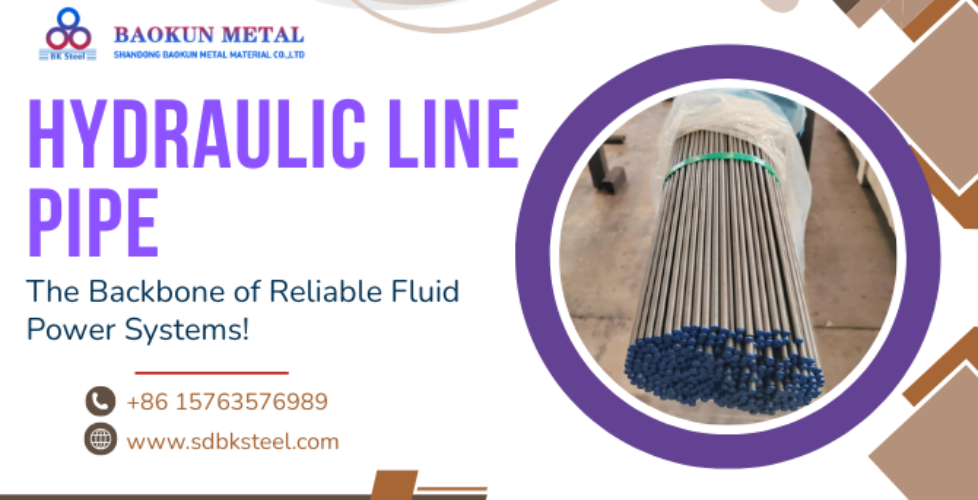
Hydraulic Line Pipe: The Backbone of Reliable Fluid Power Systems!
In the world of modern industry, fluid power systems are the driving force behind countless machines and processes. From heavy construction equipment and manufacturing lines to agricultural machinery and offshore platforms, hydraulic systems deliver the power, precision, and reliability that keep operations running smoothly. At the heart of these systems lies a critical yet often overlooked component: the hydraulic line pipe.
While pumps, valves, and actuators often take center stage in discussions about hydraulic performance, the hydraulic line pipe is the essential conduit that connects every part of the system. It is responsible for safely and efficiently transporting pressurized hydraulic fluid from one component to another, ensuring that power is delivered exactly where and when it is needed. Without high-quality hydraulic line pipe, even the most advanced hydraulic systems would be prone to leaks, pressure drops, and catastrophic failures.
What Is Hydraulic Line Pipe?
Definition and Core Function
A hydraulic line pipe is a specially designed steel pipe used to convey pressurized hydraulic fluid within a hydraulic system. Unlike standard piping, hydraulic line pipe is manufactured to withstand high pressures, resist corrosion, and maintain dimensional accuracy under demanding operating conditions.
Key Features
- High Pressure Resistance: Engineered to handle the extreme pressures found in hydraulic systems.
- Superior Surface Finish: Smooth internal surfaces minimize friction and prevent contamination.
- Corrosion Resistance: Treated or coated to withstand exposure to hydraulic fluids and harsh environments.
- Dimensional Precision: Manufactured to tight tolerances for diameter, wall thickness, and roundness.
- Compatibility: Designed to work seamlessly with hydraulic fittings, valves, and actuators.
The Role of Hydraulic Line Pipe in Fluid Power Systems
1. The Arteries of Hydraulic Power
Just as arteries carry blood throughout the human body, hydraulic line pipes transport fluid power throughout a hydraulic system. They connect pumps, valves, cylinders, and motors, ensuring that pressurized fluid reaches every component efficiently and reliably.
2. Applications Across Industries
- Construction Equipment: Excavators, loaders, cranes, and bulldozers rely on hydraulic line pipe for robust, leak-free fluid transfer.
- Manufacturing and Automation: Presses, injection molding machines, and robotic systems depend on precise hydraulic control.
- Agriculture: Tractors, harvesters, and sprayers use hydraulic line pipe to power implements and attachments.
- Marine and Offshore: Ships, oil rigs, and port equipment require corrosion-resistant hydraulic piping for safe operation.
- Mining and Drilling: Hydraulic line pipe is essential for powering drills, conveyors, and heavy machinery in harsh environments.
Construction and Manufacturing of Hydraulic Line Pipe
1. Material Selection
The choice of material is crucial for achieving the desired strength, durability, and corrosion resistance.
- Carbon Steel (e.g., ST52, E355): Offers a good balance of strength and cost for most applications.
- Alloy Steel: Provides higher strength and toughness for extreme pressure or temperature conditions.
- Stainless Steel: Ideal for corrosive environments or where hygiene is critical.
2. Manufacturing Processes
- Seamless Pipe: Produced by piercing a solid billet, resulting in a pipe with no welded seams. Seamless hydraulic line pipe offers superior strength and uniformity.
- Welded Pipe: Made by rolling and welding steel strips. While cost-effective, welded pipe may not be suitable for the highest pressure applications.
3. Surface Treatment
- Phosphating: Provides a protective layer against corrosion and improves paint adhesion.
- Galvanizing: Adds a zinc coating for enhanced corrosion resistance.
- Pickling and Oiling: Removes scale and rust, then applies a protective oil layer.
4. Dimensional Tolerances
Hydraulic line pipe is manufactured to strict tolerances for diameter, wall thickness, and roundness, ensuring compatibility with hydraulic fittings and minimizing the risk of leaks.
Key Performance Benefits of Hydraulic Line Pipe
1. High Pressure and Temperature Resistance
Hydraulic line pipe is engineered to withstand the extreme pressures and temperature fluctuations found in fluid power systems, ensuring safe and reliable operation.
2. Leak-Free Performance
Precision manufacturing and high-quality materials minimize the risk of leaks, which can lead to system inefficiency, environmental hazards, and costly downtime.
3. Corrosion Protection
Surface treatments and material selection protect the pipe from rust, pitting, and chemical attack, extending service life even in harsh environments.
4. Smooth Fluid Flow
A smooth internal surface reduces friction, prevents contamination, and ensures consistent fluid flow, which is critical for precise hydraulic control.
5. Easy Installation and Maintenance
Hydraulic line pipe is designed for compatibility with standard fittings and connectors, making installation and maintenance straightforward.
How Hydraulic Line Pipe Enhances System Efficiency and Reliability?
1. Improved System Performance
By providing a robust, leak-free conduit for hydraulic fluid, hydraulic line pipe ensures that every component receives the pressure and flow it needs to operate at peak efficiency.
2. Reduced Maintenance Costs
Durable, corrosion-resistant pipe reduces the frequency of repairs and replacements, saving time and money over the system’s lifespan.
3. Enhanced Safety
High-quality hydraulic line pipe minimizes the risk of catastrophic failures, protecting personnel, equipment, and the environment.
4. Energy Savings
Smooth, obstruction-free pipes reduce energy losses due to friction, making hydraulic systems more efficient and environmentally friendly.
Design Considerations for Selecting Hydraulic Line Pipe
1. Pressure Rating
Select a pipe with a pressure rating that exceeds the maximum operating pressure of your hydraulic system, including any potential pressure spikes.
2. Material Compatibility
Ensure that the pipe material is compatible with the hydraulic fluid and the operating environment (e.g., temperature, humidity, exposure to chemicals).
3. Pipe Size and Wall Thickness
Choose the appropriate diameter and wall thickness to handle the required flow rate and pressure without excessive weight or cost.
4. Surface Finish and Cleanliness
A smooth, clean internal surface is essential for preventing contamination and ensuring reliable fluid flow.
5. Standards and Certifications
At Shandong Baokun Metal Material Co. Ltd, our hydraulic line pipes comply with major international standards, including:
- DIN 2391
- EN 10305
- ASTM A106/A179/A519
Common Applications of Hydraulic Line Pipe
1. Mobile Equipment
Hydraulic line pipe is used extensively in mobile equipment such as excavators, cranes, and forklifts, where flexibility, strength, and leak-free performance are essential.
2. Industrial Automation
Automated manufacturing lines and robotic systems rely on hydraulic line pipe for precise, reliable fluid power delivery.
3. Marine and Offshore
Corrosion-resistant hydraulic line pipe is critical for safe, long-lasting operation in marine and offshore environments.
4. Mining and Drilling
Heavy-duty hydraulic line pipe withstands the abrasive, high-pressure conditions found in mining and drilling operations.
5. Agricultural Machinery
Hydraulic line pipe powers implements and attachments on tractors, harvesters, and other agricultural equipment.
Maintenance and Best Practices
1. Regular Inspection
Check pipes for signs of wear, corrosion, or damage. Early detection can prevent costly failures.
2. Proper Installation
Use compatible fittings and connectors, and follow recommended torque specifications to prevent leaks.
3. Cleanliness
Keep pipes clean and free from contaminants that can cause abrasion or blockages.
4. Pressure Testing
Regularly test the system to ensure that pipes are maintaining the required pressure without leaks.
5. Replacement
Replace pipes that show signs of significant wear, corrosion, or damage to maintain system integrity.
Why Choose Shandong Baokun Metal Material Co., Ltd. for Hydraulic Line Pipe?
- Premium Materials: Sourced from trusted suppliers, with full certification and traceability.
- Advanced Manufacturing: State-of-the-art seamless and welded pipe production facilities.
- Customization: Flexible solutions tailored to your needs, including custom diameters, lengths, and surface treatments.
- Rigorous Quality Control: Comprehensive inspection and testing at every stage.
- Technical Support: Expert guidance from specification to installation.
- Global Standards Compliance: Products meet DIN, EN, ASTM, and other international standards.
The hydraulic line pipe is the unsung hero of fluid power systems, providing the backbone for reliable, efficient, and safe hydraulic operation across countless industries. Its unique combination of strength, precision, and corrosion resistance makes it essential for any application where fluid power is critical.
Frequently Asked Questions (FAQ)
Q1: What is the main function of a hydraulic line pipe in a fluid power system?
A: Hydraulic line pipe transports pressurized hydraulic fluid between components, ensuring efficient and reliable power delivery throughout the system.
Q2: What materials are commonly used for hydraulic line pipe?
A: Common materials include carbon steel (ST52, E355), alloy steel, and stainless steel, chosen based on strength, toughness, and corrosion resistance requirements.
Q3: Why is seamless hydraulic line pipe preferred for high-pressure applications?
A: Seamless pipe has no welded seams, providing superior strength and uniformity, making it ideal for high-pressure environments.
Q4: How do I select the right size and wall thickness for hydraulic line pipe?
A: The size and wall thickness should be chosen based on the required flow rate, operating pressure, and safety factors. Our technical team can assist with sizing recommendations.
Q5: What surface treatments are available for hydraulic line pipe?
A: Common treatments include phosphating, galvanizing, and pickling with oiling, all of which enhance corrosion resistance.
Q6: How are hydraulic line pipes maintained?
A: Regular inspection, proper installation, cleanliness, and pressure testing are key to maximizing service life and preventing failures.
Q7: Are hydraulic line pipes compatible with all hydraulic fluids?
A: Most pipes are compatible with standard hydraulic fluids, but always check material compatibility for specialized fluids or extreme environments.
Q8: Can the hydraulic line pipe be customized?
A: Yes, at Shandong Baokun Metal Material Co., Ltd., we offer custom diameters, lengths, and surface treatments to meet specific application requirements.
Q9: What standards should hydraulic line pipe comply with?
A: Look for compliance with international standards such as DIN 2391, EN 10305, and ASTM A106/A179/A519.
Q10: Why choose Shandong Baokun Metal Material Co., Ltd. for hydraulic line pipe?
A: We provide high-quality, customizable pipes backed by advanced manufacturing, rigorous quality control, and expert technical support.