How a Thermoforming Machine Revolutionizes Packaging Production!
In today’s fast-paced industrial world, the packaging industry faces unprecedented demands for customization, speed, cost-effectiveness, and sustainability. As global commerce and e-commerce continue to accelerate, businesses require not only innovative materials but also advanced manufacturing processes that can keep up with dynamic market trends. Among the latest technological breakthroughs, the thermoforming machine has emerged as a game-changer—offering manufacturers and packaging companies the competitive edge they need to produce high-quality packaging solutions at scale.
Understanding Thermoforming Machines
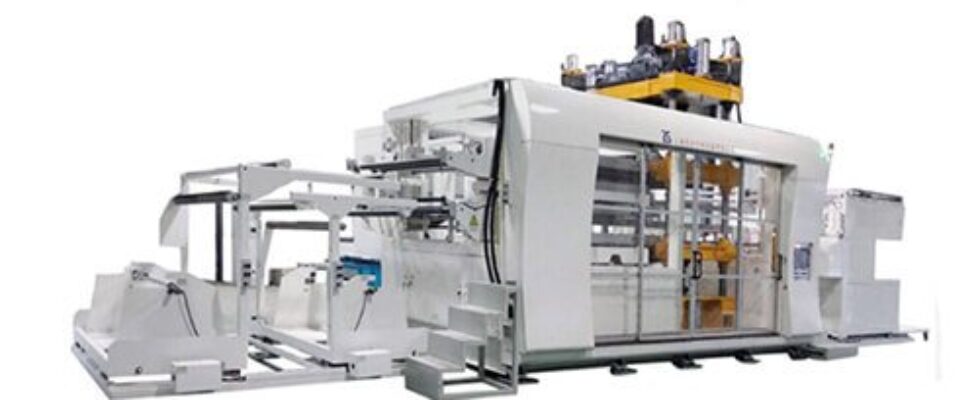
A thermoforming machine is a specialized piece of industrial equipment designed to heat plastic sheets to a pliable forming temperature. Once softened, the sheet is stretched over a mold and formed into a desired shape using vacuum, pressure, or mechanical force. After cooling, the newly-formed packaging item (such as containers, trays, or blister packs) is trimmed and prepared for distribution. This approach contrasts with other plastic shaping methods like injection molding or blow molding, each with its unique advantages and applications.
The key to thermoforming’s popularity lies in its versatility. Unlike rigid, one-size-fits-all systems, the thermoforming machine is adaptable to a wide range of materials—such as PET, PVC, PS, and PLA—as well as limitless shapes and sizes. With these capabilities, companies can swiftly respond to shifting consumer needs, seasonal promotions, branding changes, and emerging sustainability standards.
The Evolution of Packaging Production
Transitioning from traditional packaging solutions to advanced manufacturing systems has never been more critical. In the past, packaging production was labor-intensive, time-consuming, and often inflexible when it came to design alterations. Traditional processes relied heavily on manual labor and multiple steps, leading to increased error rates, greater waste, and higher production costs. Moreover, the ever-growing focus on sustainable packaging and stringent regulatory frameworks requires manufacturers to continually upgrade their operations.
This is where thermoforming machines have revolutionized the entire workflow. By automating the heating, forming, and trimming processes, these machines offer unmatched efficiency, precision, and reliability. The result? Significantly reduced lead times, lower operational costs, and a dramatic increase in both product quality and consistency.
Why the Thermoforming Machine Stands Out
It is important to understand that not all packaging equipment delivers the same results. Here at Shanghai Zhanshi Mechanical Equipment Co., Ltd., we have invested in state-of-the-art thermoforming machines that are engineered for peak performance. Whether producing food-grade packaging trays, electronic device blisters, or medical product enclosures, our machines provide several key advantages:
- Flexibility: Rapid changeovers enable manufacturers to shift between products with minimal downtime.
- Material Efficiency: Optimize material use to reduce scrap rates and promote sustainability.
- Customization: Cater to unique client specifications, regardless of the complexity or design.
- Capacity & Speed: Deliver high-volume production runs while maintaining stringent quality standards.
- Lower Costs: Reduce labor and material costs, providing better value for both manufacturers and end users.
Given these benefits, it is no surprise that leading industries—including food & beverage, consumer goods, electronics, and pharmaceuticals—are increasingly integrating thermoforming machines into their production lines.
The Thermoforming Machine: A Deep Dive Into Its Function and Advantages
To fully appreciate how a thermoforming machine can revolutionize packaging production, it is helpful to understand the process in detail.
How Does a Thermoforming Machine Work?
Essentially, the thermoforming process takes place through several core stages:
Heating
A flat plastic sheet (often coiled on a roll) is automatically fed into the machine and heated, typically using precisely controlled infrared heaters. The goal here is to soften the material uniformly without causing it to degrade or sag excessively.
Forming
Once the plastic reaches the proper temperature, it is quickly conveyed into the forming station. Here, the machine stretches the plastic sheet over a mold using one or more forming methods:
- Vacuum forming: A vacuum pulls the hot plastic down onto the mold.
- Pressure forming: Additional air pressure is applied to achieve greater detail or deeper draws.
- Mechanical forming: A plug or tool presses the material into the mold cavity.
Cooling
The formed plastic, now in the shape of the desired packaging product, is allowed to cool and solidify. Cooling may involve fans, water, or specialized temperature control systems.
Trimming and Finishing
Once cooled, the item is automatically trimmed to remove excess material—a step critical for precision and to avoid sharp edges or inconsistencies.
Stacking and Packing
The finished products are stacked and counted for easy packing before being delivered to the next production step.
Types of Thermoforming Machines
There are two main categories of thermoforming machines:
- Roll-fed Thermoforming Machines: Ideal for high-volume production, roll-fed models feed the plastic sheet from a continuous roll, maximizing efficiency.
- Sheet-fed Thermoforming Machines: Used for shorter runs and thicker materials, these machines load individual sheets for each cycle.
At Shanghai Zhanshi Mechanical Equipment Co., Ltd., our comprehensive offerings cover both types, ensuring solutions for every scale and application.
Benefits of Using Thermoforming Machines in Packaging
The thermoforming machine provides a multitude of advantages over traditional molding and forming technologies, including:
1. Unmatched Design Versatility
Thermoforming enables the creation of complex, innovative packaging designs that cater precisely to product specifications. Whether you require custom blister packs for delicate electronics or partitioned trays for food service, this technology can deliver.
2. Reduced Lead Times and Faster Prototyping
Tooling for thermoforming is typically faster and less costly than that of injection molding or stamping. This allows businesses to refine designs quickly, respond to market demands, and introduce new packaging formats with minimal delay.
3. Enhanced Sustainability
Thermoforming supports the use of recyclable and biodegradable plastics such as PLA (polylactic acid). Additionally, the precision of the process means less material waste, supporting both environmental initiatives and cost efficiency.
4. Improved Quality Control
Modern machines—like those from Shanghai Zhanshi Mechanical Equipment Co., Ltd.—are equipped with digital controls and sensors that monitor each stage of production. This ensures consistency, minimizes defects, and maintains high aesthetic and structural standards.
5. Lower Costs per Unit
With automation and optimized cycle times, thermoforming machines reduce both direct and indirect costs. In high-volume operations, these savings compound, allowing companies to stay competitive in price-sensitive markets.
Real-World Impact: Case Studies of Thermoforming Machine Adoption
Let’s look at how customers from diverse sectors have leveraged thermoforming machines for packaging success:
-Food & Beverage Industry
A leading snack manufacturer in Asia adopted a roll-fed thermoforming machine to produce multi-cavity trays for their new product line. The results included a 30% reduction in time-to-market, improved freshness through airtight packaging, and significant waste reduction.
-Electronics Packaging
A global electronics supplier needed to redesign its protective packaging for fragile components. By switching to custom blister packs from a thermoforming system, the company reduced shipping damages by 50% and simplified its logistics workflow.
-Medical Device Sterilization
Hospitals and suppliers require stringent sterile barriers for medical components. The Thermoforming machine produces consistent, high-quality medical trays that comply with strict regulatory guidelines.
Partnering with Shanghai Zhanshi Mechanical Equipment Co., Ltd. for Your Packaging Revolution
The thermoforming machine stands as a pillar of modern packaging production. Its unique blend of speed, flexibility, cost-effectiveness, and environmental stewardship makes it indispensable for any business seeking to thrive in a competitive marketplace. At Shanghai Zhanshi Mechanical Equipment Co., Ltd., we are committed to delivering cutting-edge thermoforming solutions tailored to your exact needs—backed by comprehensive support and decades of expertise.
Frequently Asked Questions (FAQ)
1. What is the difference between thermoforming and injection molding?
Thermoforming heats plastic sheets and forms them over a mold, ideal for lightweight, thin-walled packaging. Injection molding injects molten plastic into a closed mold for more complex, thicker-walled products. Thermoforming is typically faster and more economical for packaging applications.
2. Which materials are suitable for thermoforming machines?
Common materials include PET, PVC, PS, PP, and PLA. The choice depends on required properties such as clarity, durability, food safety, and biodegradability.
3. How fast can a thermoforming machine produce packaging?
Output varies depending on machine size, complexity of design, and material, with high-speed models reaching several thousand pieces per hour.
4. How does tooling work in thermoforming?
Tooling (molds) is designed based on product requirements. Tooling costs are generally lower compared to injection molding, and changes can be made quickly for new product launches.
5. Are thermoforming machines suitable for food packaging?
Absolutely! Thermoforming is widely used for food trays, meat packaging, dairy containers, etc., with machines meeting strict hygienic standards.
6. Is the process eco-friendly?
Yes, especially if using recyclable or bio-based plastics. Material optimization ensures minimal waste, and scrap is often reprocessed.
7. What maintenance does a thermoforming machine require?
Routine maintenance includes cleaning, replacing heating elements, lubricating moving parts, and periodic mold calibration.