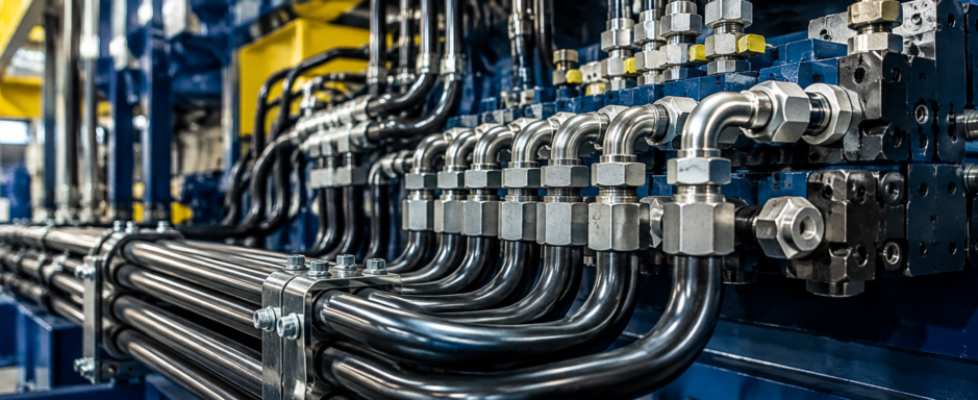
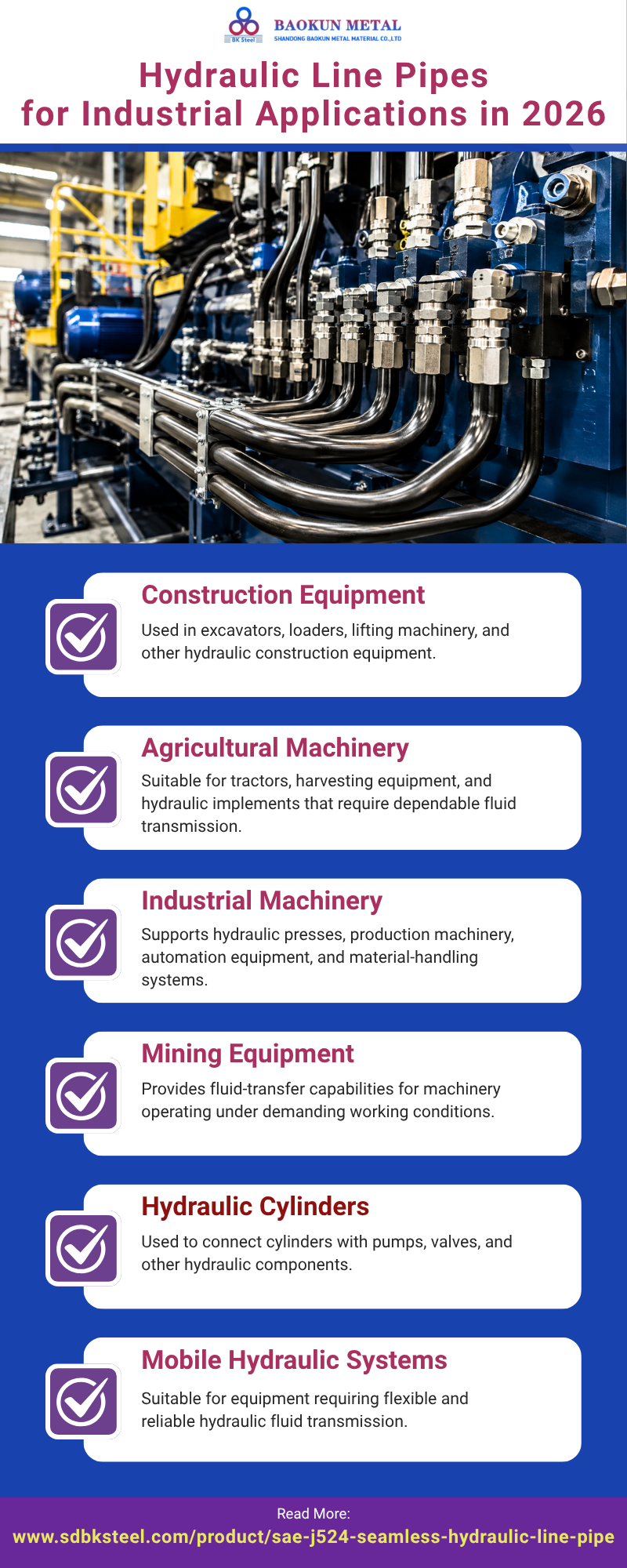
In 2026, modern hydraulic systems continue to require reliable piping solutions for efficient fluid transmission, stable pressure, and dependable equipment operation. A Hydraulic Line Pipeconnects essential components such as pumps, valves, cylinders, and actuators, making it an important part of industrial hydraulic systems. Seamless hydraulic pipes are particularly suitable for applications where consistent construction, dimensional accuracy, and pressure-handling capability are required.
Shandong Baokun Metal Material Co., Ltd supplies hydraulic steel products, including SAE J524 seamless hydraulic line pipes, for various industrial and fluid-power applications. Their seamless construction provides uniform pipe integrity, while accurate dimensions support reliable connections with compatible hydraulic fittings and components.
Hydraulic line pipes are widely used in construction machinery, agricultural equipment, mining systems, industrial production machinery, material-handling equipment, and hydraulic power units. When selecting a Hydraulic Line Pipe, users should consider working pressure, operating temperature, pipe dimensions, material properties, fluid compatibility, and installation conditions.
As industrial equipment develops toward greater efficiency and reliable continuous operation, properly specified hydraulic piping remains essential for maintaining effective fluid transfer. By selecting suitable hydraulic line pipes and compatible components, equipment manufacturers can support dependable hydraulic performance and long-term system operation in demanding industrial environments.
A high power solar street light is designed to provide bright, dependable illumination for roads, highways, parking areas, commercial spaces, and other outdoor environments. By combining advanced solar technology with efficient LED lighting, it can deliver strong performance while reducing dependence on grid electricity.
Key Features:
High-Efficiency LED: Provides powerful and consistent illumination with lower energy consumption.
Large-Capacity Battery: Stores solar energy during the day for reliable nighttime operation.
Efficient Solar Panel: Converts sunlight into usable energy to support continuous lighting performance.
Durable Construction: Weather-resistant materials help the light withstand rain, dust, and outdoor conditions.
Intelligent Control: Smart lighting management can optimize energy usage and operating time.
Easy Installation: Integrated designs can simplify installation and reduce maintenance requirements.
Shenzhen Sungreat Energy Technology Co., Ltd. provides solar lighting solutions for various outdoor applications. Choosing a suitable high power solar street light can enhance illumination, energy efficiency, and long-term lighting reliability.
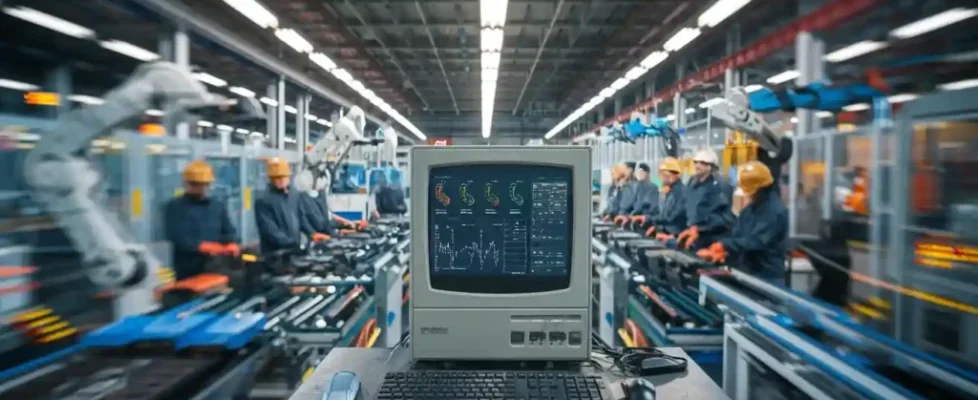
Manufacturing is undergoing a fundamental transformation, spurred by the relentless advancement of digital technologies. Traditional processes, once dependent on manual oversight and generic commercial computers, are now giving way to highly intelligent and automated systems. At the core of this metamorphosis lies one pivotal technology: Industrial Computers. Purpose-built for challenging environments and complex tasks, Industrial Computers are empowering manufacturers to move faster, smarter, and with unparalleled reliability.
What Are Industrial Computers?
Industrial Computers are specialized computing systems engineered for tasks in environments where standard consumer computers would risk failure. While commercial PCs are designed for offices and homes, Industrial Computers excel in factories, warehouses, fields, and transportation hubs—places routinely subject to dust, moisture, vibrations, and temperature extremes.
Heavy-duty hardware capable of withstanding harsh conditions
Extended operation cycles, supporting 24/7 uptime
Flexible configurations tailored for specific industrial applications
Robust I/O ports for legacy and modern equipment
Enhanced security and long lifecycle management
From operating production lines to running real-time control and monitoring applications, Industrial Computers are the nerve center of smart manufacturing.
Differences Between Industrial and Commercial Computers
Understanding the distinction between industrial and commercial computers is critical when planning for your manufacturing operation’s future.
Commercial Computers:
Built for general-purpose business or personal use
Often prioritize aesthetics, portability, and cost
Feature robust chassis (metal or specially coated to resist corrosion)
Extended operating temperature ranges (-40°C to +85°C possible)
Shock and vibration resistance per industry standards
Long lifecycle with component stability—often 7-10 years
Wide range of expansion, I/O, and mounting options
Certified for hazardous or hygienic locations (ATEX, IP65, etc.)
In manufacturing, where downtime costs can be monumental and reliable connectivity with legacy machines is vital, only purpose-built Industrial Computers can deliver the requisite performance and longevity.
Key Features of Industrial Computers
Let’s explore what sets Industrial Computers apart from their commercial counterparts and why these features matter for manufacturing.
1. Rugged Construction
Industrial Computers from ValanoIPC are encased in tough shells—often aluminum or stainless steel—making them impervious to impacts, shocks, or corrosive chemicals. Tight gasketing and solid-state drives (SSDs) further enhance durability, eliminating moving parts vulnerable to wear.
2. Environmental Resistance
In the real world, conditions are rarely perfect. ValanoIPC’s Industrial Computers function reliably in extreme heat or cold, high humidity, or even direct water jets, meeting ingress protection standards (like IP65/IP67). This stability opens the door for deployment anywhere—from outdoor refineries to cleanrooms.
3. Longevity and Lifecycle Support
Manufacturers typically operate equipment for a decade or more. Industrial Computers are developed with long-term longevity in mind, offering extended product availability, consistent firmware support, and guaranteed replacement parts—ensuring no disruptions to your production continuity.
4. Flexible I/O and Expandability
Connecting with existing infrastructure is critical. Industrial Computers support a vast array of ports: multiple Ethernet, legacy RS-232/RS-485 serial, CANbus, USB, GPIO, display ports, and PCIe or PCI slots for expansion. This facilitates seamless integration with sensors, PLCs, controllers, and operator interfaces.
5. Vibration and Shock Endurance
Industrial settings commonly feature heavy machinery generating significant vibrations and shocks. ValanoIPC designs its systems to survive MIL-STD-810G vibration and shock standards, ensuring stable operation even when mounted on moving equipment.
6. Passive Cooling and Fanless Operation
Many models use convection cooling (no fans), vastly reducing maintenance needs and failure points. Fanless Industrial Computers can be deployed in dusty or sterile environments where airflow is a liability.
7. Wide Power Input Range
With the potential for voltage fluctuations, especially in remote or mobile operations, industrial-grade systems are designed to handle a wide range of DC power inputs and include surge protection.
8. Industrial-Grade Components
All internal components, from processors to capacitors, are selected for endurance and performance under stress, outlasting consumer equivalents.
How Industrial Computers Enable Smart Manufacturing
Industry 4.0—the convergence of digital, physical, and cyber systems—places enormous demands on production infrastructure. Industrial Computers make this transformation possible through:
Real-Time Data Acquisition & Analytics : Data is the lifeblood of modern manufacturing. Industrial Computers gather vast truckloads of operational data—temperatures, vibrations, throughput, machine status—delivering insights in real time. They support high-speed sensors, industrial cameras, and data acquisition devices, enabling predictive analytics and process optimization.
Edge Computing : With the proliferation of IoT devices, sending all data to the cloud is inefficient and often impractical due to latency, bandwidth, or security. Industrial Computers serve as edge nodes: processing sensor and machine data locally, filtering and forwarding only what matters. This dramatically reduces delays, bandwidth, and decision-cycle times.
Seamless Integration : Industrial Computers bridge legacy machinery with the digital world. Supporting classic protocols like Modbus, CAN, and Profibus, along with modern OPC UA, MQTT, and Ethernet/IP, they enable manufacturers to interconnect entire factories, regardless of equipment age or origin.
Predictive Maintenance : Machine failure is the bane of factories everywhere. With AI and analytics running directly on Industrial Computers, manufacturers can predict when a motor, conveyor, or pump will fail, allowing for targeted preventive maintenance and vastly reducing unplanned downtime.
Human-Machine Interfaces (HMI) : Modern Industrial Panel PCs are the visual front-end for operators, displaying critical information, alarms, and controls. With touchscreens and rugged displays, they withstand daily interaction and harsh cleaning protocols, optimizing human oversight and interaction with automation systems.
Process Automation : Industrial Computers run real-time control software (such as SCADA, PLC control, or MES solutions), orchestrating everything from robotic arms to packaging lines, ensuring consistent, high-quality output.
Benefits of Using Industrial Computers in Manufacturing
The advantages are vast and tangible:
Dramatic Productivity Increases: With smart automation, manufacturers can boost output per worker, reduce defects, and accelerate cycle times. Real-time data and analytics mean processes can be optimized continuously—not just during planned audits.
Reduced Downtime and Maintenance Costs: Industrial Computers’ robustness minimizes failure rates. Coupled with predictive maintenance, they cut down on unscheduled stoppages, saving valuable hours and substantial costs.
Enhanced Quality Control: By integrating vision systems and sensors running on Industrial Computers, every product can be instantly checked for defect, size, color, or weight—ensuring only the highest-quality goods leave the facility.
Increased Worker Safety: With automatic monitoring and control of hazardous equipment, Industrial Computers keep operators out of harm’s way, instantly flagging any out-of-spec or unsafe conditions.
Improved Traceability and Compliance: Food, pharma, and automotive sectors must prove compliance with rigorous standards. Industrial Computers keep detailed logs, batch records, and sensor data, making regulatory reporting a breeze.
Energy Efficiency: Industrial Computers enable fine-tuned control of energy-intensive equipment, helping identify waste and automate shutdowns, resulting in considerable energy and cost savings.
Easy Upgradability and Scalability: Whether adding new production lines or migrating to the latest protocols, Industrial Computers’ modular designs make it straightforward to expand or update your infrastructure with minimal disruption.
Choosing the Right Industrial Computers: Key Considerations
Selecting the ideal Industrial Computer means thinking beyond simple processing power:
1. Assess Environmental Factors
Will the computer face dust, moisture, vibration, or temperature extremes?
Is ingress protection (IP65/67) or explosion protection required?
2. Review Required Performance
What are the demands of your control software? Do you need high-performance CPUs/GPU for vision tasks?
How much RAM and storage are needed for local analytics?
3. Examine I/O and Expansion Needs
Which legacy ports (RS232, CANbus, PCI) or modern interfaces (USB 3.0, HDMI, LAN) are essential for current and future devices?
4. Compatibility with Software Ecosystem
Will your chosen Industrial Computer run required OSes—Windows, Linux, RTOS?
Are software drivers and update support available long-term?
5. Vendor Support
Does the provider offer extended warranties, rapid service, or in-field support?
Can they customize systems to your unique needs (form factor, components, certifications)?
6. Total Cost of Ownership
Factor in expected operational life, maintenance, power draw, and downtime costs—not just the upfront purchase price.
ValanoIPC collaborates closely with manufacturers to ensure their Industrial Computers are a perfect operational fit, both now and as production needs scale.
The Future of Industrial Computers in Manufacturing
Manufacturing innovation is accelerating:
Artificial Intelligence at the Edge: Advanced Industrial Computers will soon run powerful AI algorithms on-device, enabling true autonomous production, complex defect recognition, and real-time decision making.
5G & Wireless Connectivity: As plants upgrade to private 5G networks or Wi-Fi 6, Industrial Computers will feature integrated wireless for ultra-low-latency device-to-device communication.
Cybersecurity as Priority: With networked factories, robust hardware encryption, secure boot, and remote management are now essential features in any new system.
Sustainability and Efficiency: Next-gen Industrial Computers will drive even greater gains in energy management, materials optimization, and green manufacturing initiatives.
By choosing a trusted partner such as ValanoIPC, manufacturers can future-proof their operations and confidently evolve at the pace of global technology.
The digital transformation sweeping the global manufacturing sector is impossible without the rock-solid foundation provided by Industrial Computers. With unmatched durability, expansive connectivity, and the ability to power sophisticated automation, they have become indispensable partners in every modern plant.
Manufacturers investing in Industrial Computers are future-proofing their businesses—gaining agility to embrace new technologies, greater resilience to handle operational disruptions, and the data-driven insights needed for world-class productivity.
Frequently Asked Questions (FAQ)
Q1: Why should I choose Industrial Computers for my manufacturing plant instead of standard PCs?
A1: Industrial Computers are designed for hostile environments, long lifespans, and specific industrial applications. They offer far greater reliability under dust, vibration, moisture, or extreme temperatures—significantly reducing downtime and maintenance versus standard PCs.
Q2: How long can I expect an Industrial Computer to last?
A2: Most well-manufactured Industrial Computers operate reliably for 7 to 10 years or longer, compared to just 3 to 5 years for typical consumer PCs.
Q3: Are Industrial Computers difficult to integrate with older machinery?
A3: Not at all. Industrial Computers typically provide a broad range of ports and support multiple industrial communication protocols, making them easy to connect to legacy equipment and software.
Q4: Can Industrial Computers support AI and machine learning at the edge?
A4: Yes. Many modern Industrial Computers feature powerful CPUs and GPUs, allowing them to run AI/ML workloads for tasks such as predictive maintenance, real-time quality control, and advanced robotics.
Q5: Is fanless operation possible with Industrial Computers?
A5: Absolutely! Many models—including those from ValanoIPC—offer fanless, sealed designs using passive cooling. This greatly reduces maintenance and makes the systems extremely durable.
Q6: How do Industrial Computers contribute to energy savings?
A6: By enabling precise, sensor-based control of machinery, they optimize run times, reduce waste, and automate shutdown of idle equipment—translating into significant energy reductions.
Q7: What industries use Industrial Computers?
A7: Virtually all, but especially: automotive, electronics, food & beverage, pharmaceutical, oil & gas, logistics, mining, and energy.
Q8: What certifications should I look for in Industrial Computers?
A8: Depending on your industry, look for relevant ingress protection (IP65/IP67), UL listing, CE, FCC, Class I Div 2 (hazardous), ATEX, and more.
Q9: Does ValanoIPC offer customization and technical support?
A9: Yes, ValanoIPC specializes in tailored solutions for unique applications, and provides comprehensive technical support, integration, and training.
Q10: Can I remotely manage and update my Industrial Computers?
A10: Certainly. Industrial Computers often feature advanced remote management tools for software updates, monitoring, and troubleshooting—minimizing the need for costly on-site service.
Shenzhen, China — September 23, 2026 — As global interest in sustainable, off-grid living surges, Shenzhen Sungreat Energy Technology Co., Ltd., a trusted leader in renewable energy technology, proudly announces the launch of its latest innovation: Foldable Solar Panels. Designed for outdoor enthusiasts, emergency responders, remote homeowners, and eco-conscious travelers, these foldable solar panels deliver reliable, clean power in a portable and user-friendly format—making energy independence easier and more accessible than ever before.
Speaking at the product launch, Adam Yu, Director of International Sales at Shenzhen Sungreat Energy Technology Co., Ltd., remarked, “The rise of remote work, eco-tourism, van living, and recreational travel has ushered in a new era for personal energy solutions. Our foldable solar panels empower anyone—anywhere—to generate their own electricity, regardless of grid access or environmental challenges. With this product, we combine cutting-edge solar efficiency with unmatched portability, setting a new standard for off-grid convenience and reliability.”
The Power of Foldable Solar Panels: Key Product Highlights
Ultra-Portable, Lightweight Design: Packs down small for easy transport; ideal for camping, hiking, overlanding, mobile workstations, and rapid disaster response.
High-Efficiency Monocrystalline Silicon Cells: Conversion rates up to 23.5%—outshining many rigid panels on the market.
Plug-and-Play Versatility: Integrated charge controllers, USB, DC outputs, and MC4 adapters support direct charging of power stations, batteries, laptops, and smartphones.
Expandable Power: Models available from 60W to 400W, with parallel connectors for high-demand scenarios.
Smart Technology Integration: Optional Bluetooth monitoring, voltage regulation, and overload protection.
Ready for All Seasons: Wide temperature tolerance, UV resistance, and performance optimization for varied sunlight conditions.
Why Foldable Solar Panels Are the Ultimate Solution for Off-Grid Living
1. True Energy Freedom for Modern Lifestyles
Whether you crave solitude in the wilderness or require mobile power on a cross-country adventure, foldable solar panels from Shenzhen Sungreat Energy Technology Co., Ltd. provide uninterrupted, sustainable energy—no power lines or fuel required.
2. Hassle-Free Setup and Storage
The foldable design means the panels can be set up in seconds—just unfold, orient toward the sun, and plug in. When not in use, they collapse into a compact, suitcase-style footprint for easy stowing in RVs, backpacks, or emergency kits.
3. Eco-Friendly and Cost-Effective
Drawing on solar energy reduces CO2 emissions and dependence on fossil fuels. Over time, a single set of foldable solar panels can save thousands in generator fuel or grid charges, all while supporting a cleaner planet.
Natural disasters, power outages, and emergencies call for rapid, reliable energy. Our panels offer peace of mind in blackout scenarios—keeping communication, refrigeration, and medical devices powered up.
5. Power for All Applications
From charging power stations and battery banks to running LED lights, water pumps, GPS, and USB gadgets, Sungreat’s foldable solar panels are engineered for both essential appliances and everyday electronics.
Technical Features and Models
Shenzhen Sungreat Energy Technology Co., Ltd. offers a full range of foldable solar panels:
60W / 100W Compact: Best for single-person camping, phone, or drone charging.
160W / 200W Premium: For family camping, RVs, and mobile workstations.
300W / 400W Pro: Supports large battery banks, tiny homes, and backup for cabins.
With smart charge control, several solar panels can be connected in parallel, making it possible to scale up for higher energy needs.
Material Innovation: Our panels use top-grade monocrystalline silicon and multi-layer lamination for maximum durability and output, with a foldable PET surface resistant to scratches, dust, and water.
Ease of Use: Universal MC4, Anderson, DC, and USB ports enable direct compatibility with most portable power stations (Goal Zero, Jackery, Bluetti, EcoFlow, Sungreat), as well as 12V/24V battery setups.
Bringing Off-Grid Living into the Mainstream
As global events and digital transformation reshape work and recreation patterns, off-grid living is no longer a niche lifestyle. Tech-enabled professionals, families looking to escape city life, and an increasing number of climate-resilient communities all require efficient, flexible energy solutions.
Adam Yu emphasized, “We’ve listened to the market and worked closely with real-world users. Our goal was to design foldable solar panels that perform in any scenario: during a forest adventure, at a remote construction site, or as backup at home during a storm. What sets us apart is not just the technology, but our dedication to user experience, comprehensive support, and responsible manufacturing.”
Partnership, Sustainability, and Social Impact
Shenzhen Sungreat Energy Technology Co., Ltd. not only aims to serve global customers, but actively partners with humanitarian and environmental organizations to bring clean power to remote, underserved communities. Bulk procurement and OEM opportunities are welcomed for NGOs, disaster relief agencies, and off-grid infrastructure providers.
As Adam Yu notes, “When we designed our foldable solar panels, we wanted a product as valuable in a national park as it was in a refugee camp or a rural clinic. We’re proud to enable energy equity and disaster resilience for communities everywhere.”
About Shenzhen Sungreat Energy Technology Co., Ltd.
Founded in 2010, Shenzhen Sungreat Energy Technology Co., Ltd. is an ISO-certified, vertically integrated manufacturer of solar panels, energy storage, and smart power solutions. With offices and logistics hubs in China, Europe, North America, and Africa, Sungreat leads the market in innovation, reliability, and user-centered renewable energy products.
The brand’s commitment to R&D, sustainability, and service is reflected in international quality certifications (TÜV, CE, RoHS), lifecycle analysis, and a growing social responsibility portfolio. Beyond foldable solar panels, the company offers rooftop PV modules, solar home kits, smart IoT-based batteries, and full project support.
Energy Freedom—Now Foldable, Reliable, and Sustainable
In a changing world, Shenzhen Sungreat Energy Technology Co., Ltd.’s foldable solar panels are empowering more people to take control of their energy, wherever life or work takes them. They represent the ultimate solution for off-grid living—combining innovation, environmental stewardship, and practical design. From the wildest mountains to the heart of disaster zones, from digital nomads to green households, the future of energy is in your hands—and it folds up to follow you anywhere.
For Media Inquiries, Distribution & Ordering
Contact: Company Name: Shenzhen Sungreat Energy Technology Co., Ltd. Contact Name: Adam Yu Contact Phone: +86 15776467829 Address: B21, Dongfang Yayuan, Baomin 2nd Road, Chentian Community, Xixiang Street, Baoan District, Shenzhen, China Email:adam@sungreatenergy.com Website:https://www.sungreatenergy.com/
Filtration is at the heart of modern industry, ensuring efficient processes, product quality, and regulatory compliance across sectors. Among various filtration components available today, screen cylinders stand out due to their versatility, robustness, and precision in separating solids from liquids and gases. Choosing the right screen cylinder, however, is a process that demands careful thought.
As highlighted previously, screen cylinders are crucial for industries such as water treatment, food and beverage, chemical production, mining, oil and gas, and pharmaceuticals. By retaining contaminants and enabling smoother process flow, they reduce downtime, cut maintenance expenses, and boost overall productivity.
Applications of Screen Cylinders
Screen cylinders are found wherever filtration, separation, or classification is essential. Let’s explore how different sectors leverage this vital technology:
1. Water and Wastewater Treatment
In municipal and industrial water treatment plants, screen cylinders act as primary or secondary screens for removing suspended solids, debris, and particles from influent. The robust structure and customizable aperture sizes allow for precise removal of unwanted materials at high flow rates, making routine maintenance straightforward.
2. Food and Beverage Processing
Cleanliness, product safety, and taste consistency are non-negotiable in food and beverage industries. Here, screen cylinders are used to filter out pulp, seeds, or solid residues during juice production, clarification in breweries, and the removal of unwanted solids from liquid ingredients.
3. Chemical and Petrochemical Industries
Aggressive chemicals, high temperatures, and variable pressures are common in chemical plants. Stainless steel screen cylinders excel in these environments, providing the necessary corrosion resistance while ensuring product purity throughout the process.
4. Mining and Mineral Processing
From dewatering slurries to sizing aggregates, screen cylinders withstand abrasive media and high throughput conditions. Their longevity and strength offer clear cost-advantages over conventional filtration methods.
5. Pharmaceutical and Biotechnology
Screen cylinders help maintain pharmaceutical grade filtration, separating particles while protecting the purity of intermediates and finished products. With options for ultra-fine filtration, they help meet stringent regulatory standards.
Case Study: Oil Extraction
In oil production, screen cylinders are integrated into sand control screens inside oil wells. They prevent sand intrusion that could damage pumps or block pipelines, ensuring uninterrupted and safe operation.
Screen Cylinder Manufacturing Techniques
Choosing the correct manufacturing technique for your screen cylinder is crucial. Different applications may require different construction types to balance filtration efficiency, flow rate, and mechanical strength.
1. Woven Wire Mesh Screen Cylinders
These are constructed from intricately woven metal wires into a mesh. They’re favored for their uniform aperture and exceptional precision, ideal for fine filtration. The weaving technique also provides flexibility in mesh patterns and wire diameters.
2. Welded Mesh Screen Cylinders
Instead of weaving, wires are welded at their intersections and formed into a cylindrical shape. Welded mesh screen cylinders offer enhanced strength, making them suitable for high-pressure applications.
3. Perforated Metal Screen Cylinders
These use a sheet of metal (commonly stainless steel or specialized alloys) punched with holes in specific patterns, then rolled and welded into a cylinder. The hole diameter and pattern density determine flow and filtration properties, making this a highly customizable solution.
4. Wedge Wire (Profile Wire) Screen Cylinders
Wedge wire screen cylinders are produced using V-shaped profile wires wrapped around longitudinal support rods, then welded at every intersection. This unique structure offers a large open area, superb mechanical strength, and precise slot openings, resulting in low pressure drop and anti-clogging characteristics.
Wedge wire screen cylinders—one of Anping County BT Wire Mesh Products Co., Ltd’s specializations—are widely used in applications that demand durability, easy cleaning, and optimal hydraulic performance.
Spotlight: Wedge Wire Screen Cylinder Benefits
recise and continuous slot openings
High open area, maximizing flow rate
Non-clogging (self-cleaning) properties due to V-shaped profile wire
Robustness under high mechanical/chemical stress
Easy backwashing and maintenance
Step-by-Step Screen Cylinder Selection Process
Selecting a screen cylinder is a strategic process that requires evaluating many critical factors:
Step 1: Define Your Filtration Goals
Clearly identify what needs to be filtered (particle size, type, and volume), process flow rates, pressure, and temperature ranges. For example, a brewery’s filtration goals are different from those of a mining facility.
Step 2: Analyze Chemical and Physical Environment
Will the screen cylinder face corrosive fluids? What about abrasive slurries or high temperatures? This assessment dictates your material and fabrication choices.
Step 3: Specify Material Requirements
Stainless steel: Excellent corrosion resistance, preferred for most industrial applications.
Duplex/super-duplex stainless steel: Improved resistance to pitting and stress corrosion cracking.
Titanium or high-nickel alloys: For highly aggressive environments.
Plastic (e.g., PVDF, polypropylene): Used in certain food & beverage and chemical sectors.
Step 4: Determine Slot or Aperture Size
Slot size controls the minimum particle size allowed to pass. Use technical data sheets and consult reference standards or your process engineers. For example, wedge wire screen cylinders can provide slot openings as fine as 20 microns.
Higher open area means better flow but may compromise mechanical strength if not engineered correctly. Work with your supplier to balance throughput, filtration precision, and durability.
Step 6: Evaluate Mechanical Design
Evaluate structural reinforcements: thicker support rods, backing mesh, or external rings may be needed for heavy-duty or high-pressure use. Avoid generic products if your application requires special reinforcement.
Step 7: Confirm compliance and documentation
Check for compliance with industry standards (e.g., ISO, ASTM), and ensure proper documentation for traceability, especially in regulated industries.
Step 8: Request Samples or Customization
Leading suppliers like Anping County BT Wire Mesh Products Co., Ltd offer sample testing and engineering support before bulk orders, helping you validate fit for purpose.
Installation and Maintenance Best Practices
Correct installation and maintenance are vital for continuous, optimal screen cylinder performance.
Installation Tips
Clean screen cylinders and all mating parts prior to installation.
Always install in the flow direction recommended by the manufacturer.
Use compatible gaskets/seals to prevent leaks.
Avoid overtightening or improper clamping that can deform or damage cylinders.
Ensure all fixing brackets or mounting accessories are secure and free from vibration.
Verify that the screen cylinder is correctly oriented if it has directional slots or profiles (like wedge wire designs).
Maintenance Regimes
Routine cleaning: Regularly remove accumulated solids using recommended cleaning methods (backwashing, ultrasonic cleaning, or gentle brushing). Avoid harsh tools that can deform openings or scratch surfaces.
Inspection: Periodically check for signs of corrosion, metal fatigue, mechanical deformation, or abrasion.
Replacement: Plan for timely replacement based on process load, cleaning cycles, and any visible deterioration.
Signs Your Screen Cylinder Needs Attention
Noticeable reduction in flow rates
Increased system pressure differential
Visual damage (pitting, cracks, or open mesh)
Unusual process contamination or product quality problems
Troubleshooting Common Issues
Blinding (Clogged mesh): Implement backwash cycles, use self-cleaning wedge wire cylinders, or increase cleaning frequency.
Leaks: Inspect installation seals, O-rings, or welds.
Material breakdown: Reassess material compatibility if corrosion or chemical attack is apparent.
Economic and Environmental Impact
High-quality screen cylinders provide direct and indirect savings throughout their lifespan. Let’s examine the economic and ecological payoffs:
Cost Benefits
Extended operational life reduces frequency and cost of replacement.
Minimizes downtime by limiting unexpected failures and shutdowns.
Efficient filtration leads to higher product purity and yield, translating to higher revenues and customer trust.
Environmental Benefits
Lower energy consumption thanks to reduced pressure losses and efficient flow.
Minimized waste: Durable screen cylinders generate less disposable waste compared to frequently replaced filter elements.
Compliance with environmental standards due to reliable particulate removal.
Sustainability Tip: Choosing the right screen cylinder upfront means fewer replacements and repairs, aiding your facility’s sustainability goals.
Why Choose Anping County BT Wire Mesh Products Co., Ltd?
For decades, Anping County BT Wire Mesh Products Co., Ltd has provided premium screen cylinders and wire mesh products worldwide. Here’s why industry leaders trust us:
Global Quality Standards: Our products meet ISO and international quality benchmarks.
Customization: We tailor screen cylinders to your unique needs, including dimensions, slot sizes, materials, end fittings, and finish treatments.
Expert Engineering Support: Our engineers provide guidance from specification to installation and maintenance.
Wide Product Range: Diverse options including woven, welded, perforated, and wedge wire screen cylinders.
After-sales Service: Our support doesn’t end at delivery—we’re here for after-sales consultation, troubleshooting, and replenishment.
Whether you need ten units for pilot testing or thousands for multination industrial operations, our capacity and expertise guarantee your requirements are met on time and on budget.
Your Path to Optimal Performance
The efficiency of your filtration process depends on intelligent choices. By thoroughly understanding your application’s unique requirements, selecting the appropriate materials and designs, and partnering with an expert manufacturer like Anping County BT Wire Mesh Products Co., Ltd, you lay the foundation for lasting performance and peace of mind.
Frequently Asked Questions (FAQ)
1. What is a screen cylinder and how is it used?
A screen cylinder is a cylindrical filtration component made from wire mesh, perforated metal, or wedge wire, designed to separate solids from liquids/gases. It’s inserted in pipelines, tanks, or process systems to trap unwanted particles.
2. How do I select the right material for my screen cylinder?
Choose material based on your process fluids, temperature, and pressure conditions. For severe corrosion or chemical attack, opt for advanced stainless steels or exotic alloys. For food-grade or non-reactive applications, select certified stainless steel or suitable plastics.
3. What is the difference between wedge wire and woven mesh screen cylinders?
Wedge wire screen cylinders excel in anti-clogging and strength, particularly for continuous or high throughput operations. Woven mesh offers fine precision but is best for less abrasive environments.
4. Can screen cylinders be customized for unique applications?
Absolutely! At Anping County BT Wire Mesh Products Co., Ltd, we customize everything from aperture size and cylinder length to special fittings, coatings, and non-standard dimensions.
5. How often should I clean or replace my screen cylinder?
The frequency depends on your process. As a rule, clean routinely and replace only when you observe notable performance drop-off, physical damage, or loss of filtration integrity.
6. What are the benefits of high open area design in screen cylinders?
Higher open area allows greater flow rates with minimal pressure loss, better efficiency, and often lower operational costs.
7. Where can I source replacement screen cylinders or get expert advice?
Contact Anping County BT Wire Mesh Products Co., Ltd for reliable support, custom solutions, and prompt delivery worldwide.
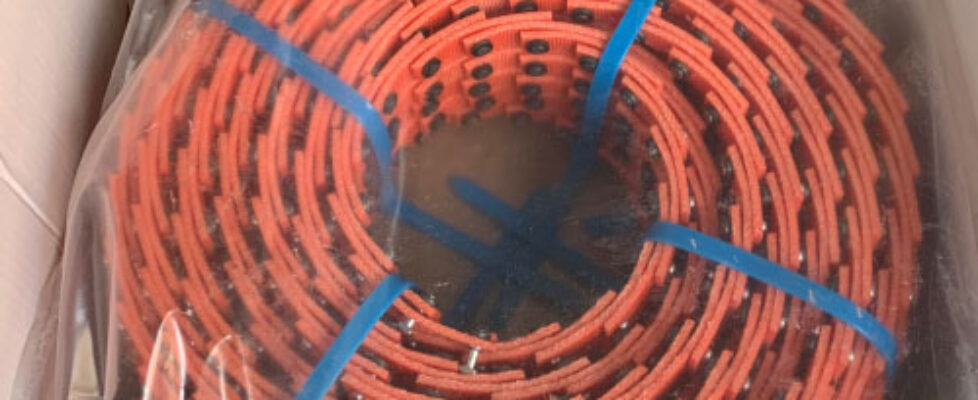
The Link V Belt from Shanghai Puteken Transmission System Co., Ltd. provides a flexible and convenient solution for industrial power transmission applications. Unlike conventional endless belts, its linked construction allows the belt length to be adjusted by adding or removing individual links, making it suitable for different drive requirements. This design also supports quick installation and replacement, particularly in machinery where access is limited or complete drive disassembly is inconvenient.
The Link V Belt offers reliable power transmission, smooth operation, and flexibility across various industrial systems. It can be used in pumps, fans, conveyors, ventilation equipment, agricultural machinery, and general industrial drives. Its adaptable structure helps accommodate different center distances while simplifying maintenance and belt replacement.
Shanghai Puteken Transmission System Co., Ltd. supplies quality Link V Belt solutions designed for efficient installation, dependable operation, and versatile industrial use. With adjustable sizing and practical maintenance advantages, these belts are suitable for applications requiring flexible and reliable power transmission.
Click this link to learn more about the Link V Belt: https://tinyurl.com/f4f39uwc, or give us a call at +86 18201785896.
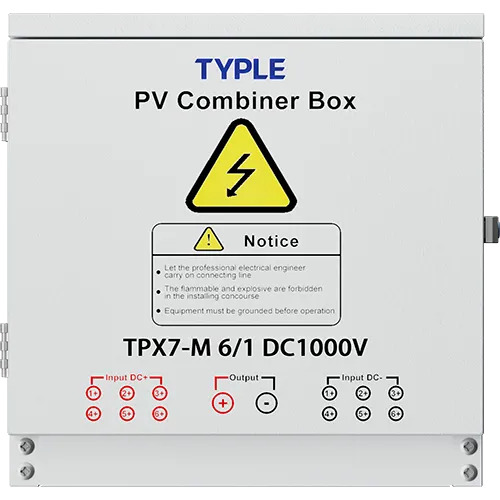
Wenzhou Typle New Energy Technology Co., Ltd., a leading innovator in the renewable energy sector, announced today the global launch of its latest breakthrough product—the PV Combiner Box. Poised to dramatically enhance solar system performance across residential, commercial, and utility projects, this next-generation solution is set to become the industry standard for efficient, safe, and easily maintainable photovoltaic (PV) installations.
At a press event in Wenzhou this morning, company spokesperson Chris addressed an audience of energy professionals, media, and stakeholders, emphasizing the pivotal role the PV Combiner Box will play in the future of solar infrastructure. “The PV Combiner Box is much more than a wiring hub; it’s the secret to unlocking greater efficiency, safety, and scalability in every solar project. We designed it based on deep market research, listening to the needs of installers, EPCs, and system owners worldwide. It’s robust, intelligent, and engineered for the real challenges of the field,” Chris remarked.
PV Combiner Box: The Heart of a Streamlined Solar Power System
A Crucial Step Toward Smarter Solar
Now, more than ever, as solar arrays grow larger and more complex, the need for centralization and protection within their wiring architecture becomes a mission-critical concern. The PV Combiner Box launched by Wenzhou Typle New Energy Technology Co., Ltd. is designed to meet this challenge head-on.
At its core, the product functions as a critical consolidation point where the direct current (DC) outputs of multiple solar strings are brought together—‘combined’—before being routed to the inverter. This not only cuts down on cable runs but also enables essential protection and monitoring, dramatically reducing risk and boosting energy delivery.
The Industry Challenge: Complexity, Safety, and Maintenance
Modern solar systems can range from a few kilowatts on a home rooftop to gigawatt-scale solar farms spanning deserts. Regardless of size, one common hurdle is managing the multitude of DC circuits safely and efficiently.
String connections quickly multiply, leading to a maze of wires that can become difficult to maintain, troubleshoot, or upgrade.
Without proper consolidation, every wire becomes a potential point of risk—overheating, fire, or power loss.
Industry standards now demand centralized, protected wiring architectures, especially in utility- and commercial-scale projects.
The PV Combiner Box responds to these demands, offering a solution that is as elegant in its simplicity as it is effective in its function.
Leading Features of the PV Combiner Box by Wenzhou Typle
Chris explained the signature features of this newly launched product, stressing the combination of safety, performance, and future-ready design:
Multiple String Inputs: Easily accommodates the consolidation of 2-24 (or more) solar strings, with custom expansion options.
Integrated DC Protection: Factory-installed high-speed fuses or dedicated DC circuit breakers for each input string, protecting your array from short circuits and overcurrents.
Advanced Surge Protection Device (SPD): Guards your sensitive downstream equipment against voltage spikes due to lightning or grid disturbances—a must for reliability.
Rugged Weatherproof Enclosure: Designed for harsh outdoor environments with global-grade IP65/IP66 ingress protection, UV resistance, and corrosion-proof stainless steel or high-impact plastic options.
Clear Internal Layout: User-friendly cable management and terminal blocks for quick installation and easy maintenance.
Integrated Monitoring Options: Upgrade to smart models featuring string-level current and voltage monitoring, LED fault indicators, and connectivity for remote diagnostics.
Rapid Shutdown Capability: Supports safety codes requiring “rapid shutdown” features—a growing requirement in developed markets.
Easy Expansion: Modular, future-proof design means new strings or solar modules can be added without major rewiring.
Innovation Backed by Rigorous Testing and Certification
At Wenzhou Typle New Energy Technology Co., Ltd., quality and reliability lead every step of the product journey. The PV Combiner Box is certified to IEC, UL, TUV, and CE standards—guaranteeing safety and compatibility across global markets.
Chris commented, “Our philosophy is simple: set the bar for quality and earn customer trust. Every PV Combiner Box undergoes rigorous in-house electrical, environmental, and mechanical testing. Installers who choose Typle save hours in deployment and gain peace of mind that their systems will run safely for years.”
Why Is the PV Combiner Box the Secret to a Seamless Solar Power System? The secret lies in the way the PV Combiner Box addresses the three central pain points facing solar professionals:
1. Complexity Management: By grouping numerous wires into organized, labeled terminals, maintenance and installation time is cut drastically. Expansions and troubleshooting become straightforward, reducing labor and human error.
2. Protection and Safety: With integrated DC disconnects, high-quality fusing, and lightning protection, the PV Combiner Box eliminates the risks of short circuits or damaging transients traveling further into your system.
3. Performance Optimization: By minimizing voltage drop—thanks to reduced cable runs—the box ensures that maximum power makes it from the panels to your inverter, enhancing the overall efficiency and ROI of your investment.
The Growing Need for PV Combiner Boxes
Industry analysts note that as solar arrays become larger, and as installations move into more challenging locations, the need for reliable, code-compliant wiring and protection solutions has never been greater. In 2025 alone, over 100 GW of new solar PV capacity was added worldwide, and the majority of these deployments now require string-level protection and consolidation.
“Many system owners underestimate how a poorly organized or under-protected wiring setup can jeopardize an entire project,” Chris said. “We designed the PV Combiner Box to remove this pain point—it is now a must-have for developers who want their systems to last and pass all necessary inspections.”
Customer-Centric Design for Every Project
From small rooftop systems to sprawling utility farms, the PV Combiner Boxcomes in a range of models and can be customized to fit any project specification—including string count, voltage, mounting options, and monitoring requirements.
Chris added, “Installers will appreciate how this product makes jobs faster and reduces post-installation service calls. Homeowners and commercial customers get a safer, more reliable, and constantly monitored system. It’s truly a win-win for every stakeholder in the solar value chain.”
Pilot projects have already reported measurable benefits:
Installation times reduced by up to 30%.
Troubleshooting and maintenance calls dropped significantly, thanks to intuitive internal layouts and monitoring.
Zero fault propagation in test events—shorts and surges were contained at the combiner box, preventing costly inverter or wiring damage.
Compliance checks and third-party inspections passed with flying colors.
Global Availability and Unmatched Support
Wenzhou Typle New Energy Technology Co., Ltd. is rolling out the PV Combiner Box to global markets effective immediately. Through an international logistics and support network, Typle ensures that customers everywhere—from Africa to Europe, North America to Australia—can receive and install their combiner boxes with local standards guidance.
The company offers technical consulting, custom box design, detailed installation guides, and 24/7 after-sales support. This guarantees smooth deployments and long-term operational assurance, which are often lacking with cheaper, non-branded alternatives.
About Wenzhou Typle New Energy Technology Co., Ltd.
Founded with a vision of clean energy innovation, Wenzhou Typle New Energy Technology Co., Ltd. is a technology-driven manufacturer specializing in solar electrical components—including DC circuit breakers, surge protection, combiner boxes, and custom solutions for PV, wind, and storage. With an unwavering commitment to quality, safety, and sustainability, Typle serves customers in over 50 countries, transforming how the world powers its future.
Setting the New Standard in Solar Protection and Performance
As solar technology matures and projects evolve in scope, investing in a robust, fully featured PV Combiner Box is more than a technical choice—it’s a foundation for long, reliable, and high-yield solar energy production.
“Wenzhou Typle New Energy Technology Co., Ltd. is proud to set a new standard with the PV Combiner Box,” Chris concluded. “We’re delivering peace of mind, improved efficiency, and code-ready compliance for every installer and system owner. We invite the global solar community to experience the Typle difference.”
Media Contact: Company Name: Wenzhou Typle New Energy Technology Co., Ltd. Contact Name: Chris Contact Phone: +86 180 7206 5770 Address: 5th Floor, No.28 Xinguang Avenue, Xinguang Industrial Zone,Liushi Town, Yueqing City, Wenzhou City, Zhejiang Province, China Email:inquiry@typle-electric.com Website:https://www.typle-electric.com/
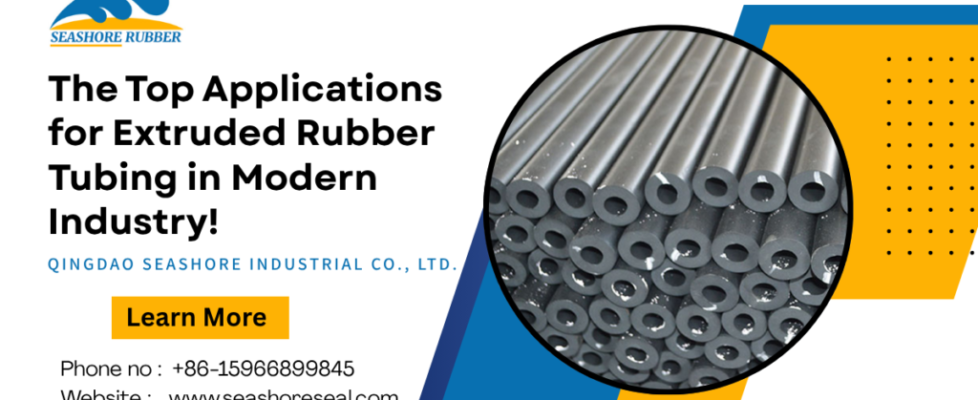
Qingdao Seashore Industrial Co., Ltd. is proud to announce the launch of its latest innovation: extruded rubber tubing—a versatile, high-performance solution engineered for a wide range of applications in today’s most demanding industries. Spearheading the announcement, company spokesperson William highlighted the product’s potential impact: “Modern manufacturing and engineering require materials that are not only reliable and durable but also adaptable for myriad specialized tasks. Our new extruded rubber tubing is designed to exceed these expectations and set a new standard for industrial tubing performance.”
Extruded rubber tubing is an indispensable element in countless assemblies and finished products. It bridges the gap between simple function and mission-critical performance—delivering essential roles such as conveying fluids, sealing environments, absorbing vibration, protecting wires, and so much more.
Qingdao Seashore Industrial Co., Ltd. has invested heavily in advanced extrusion technology, material research, and quality control, ensuring that every meter ofextruded rubber tubing coming off the production line meets rigorous global standards. This press release explores the most important modern uses, benefits, and technical factors that make extruded rubber tubing a foundation of progress in industrial, commercial, and technological spheres.
Understanding Extruded Rubber Tubing: What Is It and Why Is It So Important?
Extruded rubber tubing is a cylindrical, hollow profile produced by forcing uncured rubber compounds through a die to achieve a specific cross-section and wall thickness. After extrusion, the tubing is vulcanized to permanently lock in its shape and desirable properties.
But beyond the manufacturing process, extruded rubber tubing stands out for its huge range of benefits:
Flexibility and Elasticity: Adapts to curved routes, dynamic loads, and vibration without cracking or deforming.
Chemical and Environmental Resistance: Withstands exposure to oils, water, solvents, acids, ozone, sunlight, and wide temperature ranges.
Custom Formulations: Tailored materials (EPDM, Nitrile, Silicone, Neoprene, Viton, and more) are matched to each application’s needs.
Precision Tolerances: Consistently manufactured diameter, wall thickness, and roundness for demanding fit requirements.
Ease of Installation and Maintenance: Lightweight, cut-to-length, and easy to handle on-site or in assembly.
“We have engineered our new extruded rubber tubing product line to deliver both off-the-shelf reliability and fully customized solutions,” notes William. “This flexibility empowers our clients to specify exactly what they need—right down to the material, color, size, and special performance features.”
Top Applications for Extruded Rubber Tubing in Modern Industry
The unique characteristics of extruded rubber tubing have made it a vital solution in a remarkable diversity of sectors. Qingdao Seashore Industrial Co., Ltd. supplies tubing to clients ranging from automotive OEMs to global healthcare firms, electronics manufacturers, food processing operations, and engineers building the next generation of green technology.
Here are the leading application areas where extruded rubber tubing excels:
1. Automotive and Transportation
Fluid Handling: Used for transferring brake fluids, fuel, coolants, and vacuum lines.
Cable Protection: Shields wires and harnesses from abrasion and environmental exposure.
Emissions Control: Plays critical roles as part of venting, fuel vapor, and PCV (positive crankcase ventilation) systems.
Sealing and Damping: Forms weather seals for doors, windows, trunk sections and provides vibration isolation for components.
Leading carmakers and aftermarket suppliers rely on the temperature and chemical resistance of extruded rubber tubing—whether in passenger vehicles, commercial trucks, or motorcycles.
2. Electronics and Electrical
Wire and Cable Insulation: Serves as an insulating sheath to prevent electrical shorts and protect against moisture.
Gasketing and Sealing: Lines enclosures, panels, and connectors for dust, water, and EMI (electromagnetic interference) protection.
Thermal Management: Designed silicone or fluorocarbon tubes can direct cooling air or liquids precisely.
The demand for miniaturization and high-density packaging continues to grow, making the adaptability of custom-diameter extruded rubber tubing even more valuable.
3. Medical and Pharmaceutical
Medical Device Tubing: Biocompatible grades (such as medical silicone) facilitate the delivery of gases, liquids, intravenous fluids, or suction.
Surgical and Hospital Use: Flexible, kink-resistant tubing is used in wound drainage, oxygen delivery, catheters, and more.
Lab Equipment: Provides safe, chemical-resistant conduits in diagnostic and research instrumentation.
Qingdao Seashore Industrial Co., Ltd. complies with medical regulations and produces tubing free from harmful substances, guaranteeing the safety and consistency demanded by health professionals worldwide.
4. Food and Beverage
Beverage Dispensing: Food-grade rubber tubing ensures taste-neutral, safe conveyance in commercial drink systems, breweries, and restaurants.
Processing Equipment: Used in dairies, bottling plants, and food factories for moving hot liquids, cleaning solutions, and handling steam or air.
Sanitary Gaskets and Spacers: Extruded rubber profiles are also used in food-contact gaskets and machinery spacers.
With global standards for food safety higher than ever, Qingdao Seashore’s extruded rubber tubing strictly complies with FDA, EU, and related food contact regulations.
5. Construction and Building Services
HVAC Systems: Rubber tubing carries refrigerant, acts as thermal insulation, and connects ductwork with vibration-damping performance.
Window and Door Weather Seals: Used within glazing, curtain wall, and architectural details to exclude water, dust, and drafts.
Plumbing & Drainage: Provides flexibility and corrosion resistance for water supply and drainage systems.
Extruded rubber tubing is engineered to endure exposure to sunlight, freeze-thaw cycles, and mechanical abuse that are common in construction environments.
Pneumatic and Hydraulic Lines: Conveys air and inert gases under pressure, supporting actuators and automated controls.
Protective Sleeving: Prevents abrasion and contamination on moving parts and robot arms.
Chemical Processing: Tubing can be formulated to resist strong acids, solvents, hydrocarbons, or high temperatures in rigorous manufacturing environments.
7. Marine and Offshore
Bilge and Drainage Tubing: Offers saltwater resistance for pumps and through-hull fittings.
Wire and Cable Protection: Shields electronics and power cables from harsh marine environments.
Fender and Dockside Bumpers: Heavy-wall extruded tubing provides protection and energy absorption for vessels and docks.
8. Renewable Energy
Solar Panel Systems: Protects wiring and offers weatherproofing in rooftop and outdoor settings.
Wind Turbine Maintenance: Handles lubricants and air in challenging climates.
9. Aerospace and Defense
Fuel/Lubrication Systems: Lightweight and high-strength tubing is important for aircraft and defense vehicles.
Sealing and Environmental Barriers: Used throughout interiors and exteriors for safety and reliability.
Compound Preparation: Raw materials are mixed, milled, and blended to exact recipe specifications for the best property balance.
Precision Die Design: Custom dies mean your tubing will fit and perform reliably in its final application.
In-Line Curing and Quality Checks: Ensures the product retains its shape, strength, and elasticity permanently.
Cutting and Post-Processing: Tubing can be cut to length, coiled, spooled, or supplied as continuous runs.
Packaging and Logistics: Solutions are engineered to arrive ready-for-use wherever required.
“Custom design is at the heart of our philosophy,” William adds. “We welcome collaboration with customers from the first sketch to the finished product.”
How to Specify the Right Extruded Rubber Tubing for Your Application
Selecting the correct tubing requires careful consideration of several parameters:
Material Choice: Depending on temperature, chemicals, UV exposure, and regulatory needs.
Inner/Outer Diameter and Wall Thickness: Matched to pressure, flow, and mechanical strength requirements.
Operating Pressure and Vacuum: Some applications demand reinforced structures.
Transparency or Color Coding: Needed for visual inspection or to differentiate service lines.
Certifications: Food, medical, or flame-retardant standards as necessary.
Our technical team at Qingdao Seashore works closely with design and purchasing departments to identify these requirements, ensuring a perfect solution every time.
The Future of Extruded Rubber Tubing: Innovation and Sustainability
Qingdao Seashore Industrial Co., Ltd. isn’t just responding to today’s needs—we’re anticipating tomorrow’s. As industries adopt higher sustainability standards, our R&D focuses on:
Recyclable and Bio-Based Materials: Reducing environmental impact without sacrificing performance.
Energy-Efficient Manufacturing: Lowering carbon footprint in every production phase.
Lifecycle Testing and Documentation: Helping clients meet global standards and maintenance targets.
About Qingdao Seashore Industrial Co., Ltd.
Qingdao Seashore Industrial Co., Ltd. is a world-class manufacturer with decades of expertise in rubber extrusion, molding, and custom component solutions. Our focus on innovation, quality, and customer partnership drives our reputation as a trusted supplier to global industry leaders. Every product is backed by certified quality, rapid delivery, and personalized support.
Discover the Difference: Contact Us Today
From automotive breakthroughs and hospital devices to energy, food, and advanced manufacturing, extruded rubber tubing is the backbone of safer, cleaner, and more efficient products. With the launch of our new product line, Qingdao Seashore Industrial Co., Ltd. invites businesses everywhere to explore reliable, innovative tubing that meets today’s and tomorrow’s industry challenges.
For inquiries, product samples, custom order discussions, or technical consultations, please contact:
Company Name: Qingdao Seashore Industrial Co., Ltd. Contact Name: William Contact Phone: +86-15966899845 Address: East end of Shunda Road, East Industrial Zone, Lancun Town, Jimo District, Qingdao,Shandong,China Email: sales@seashoreseal.com Website: https://www.seashoreseal.com/
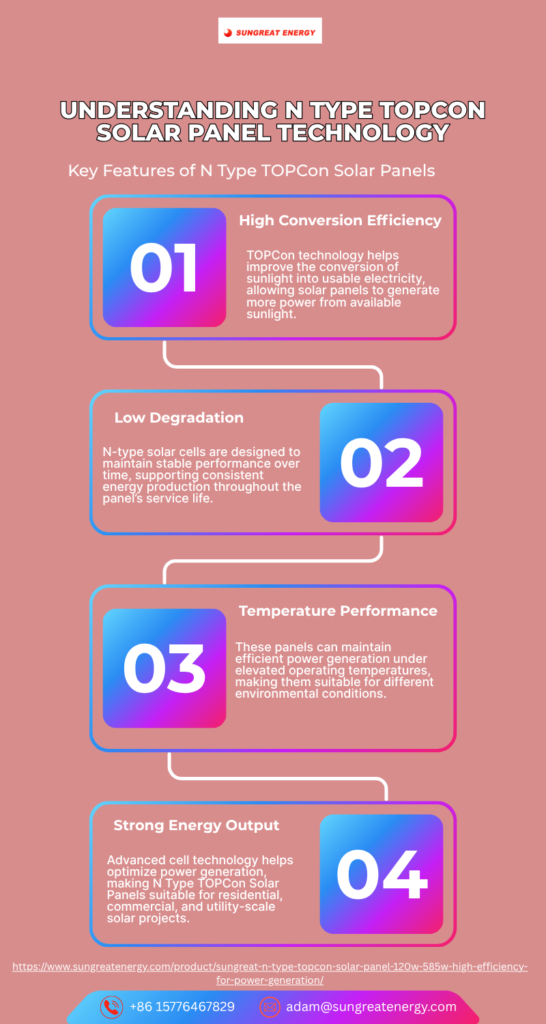
N Type TOPCon Solar Panels represent an advanced approach to photovoltaic power generation, combining modern cell technology with efficient energy conversion. For residential, commercial, and utility-scale applications, this technology can help maximize solar output while supporting long-term system performance. Shenzhen Sungreat Energy Technology Co., Ltd. provides high-efficiency solar panel solutions for diverse renewable energy projects.
Key Benefits of N Type TOPCon Solar Panels
High Efficiency: Advanced TOPCon cell technology helps convert more available sunlight into usable electrical energy.
Lower Degradation: N-type cells can offer stable performance over time, helping maintain energy production throughout the panel’s service life.
Better Temperature Performance: The technology is designed to support reliable power generation under varying operating temperatures.
High Power Output: Efficient cell architecture can deliver strong energy generation from a given installation area.
Long-Term Reliability: Durable construction and advanced photovoltaic technology make these panels suitable for demanding outdoor applications.
By combining efficiency, stability, and modern cell technology, N Type TOPCon Solar Panels provide a practical option for developing efficient and sustainable solar power systems.
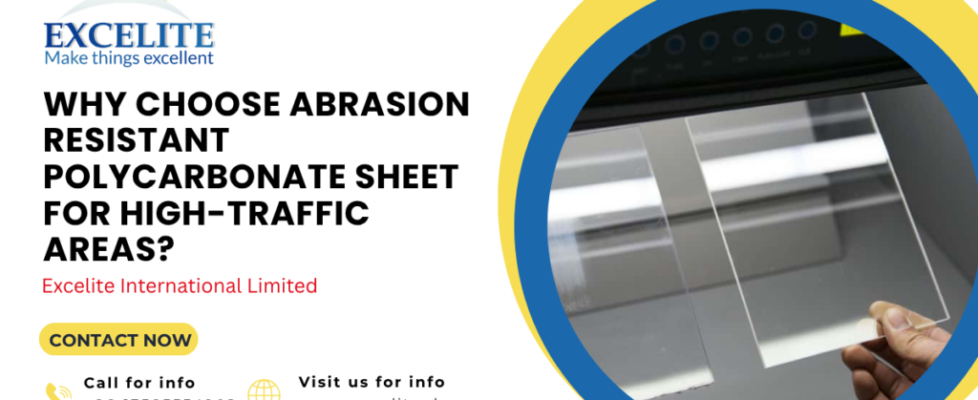
As public spaces, commercial facilities, and industrial environments experience unprecedented levels of foot traffic and ongoing demand for hygiene and durability, Excelite International Limited has announced the official launch of its newest innovation: the Abrasion Resistant Polycarbonate Sheet. This advanced material is engineered to deliver unmatched clarity, safety, and resilience—even in the world’s busiest, most challenging areas.
According to company spokesperson Angela Yang, “This launch is a testament to Excelite’s drive to solve real-world problems faced by today’s architects, builders, and facility managers. Our Abrasion Resistant Polycarbonate Sheetcombines industry-leading impact strength with superior scratch and chemical resistance. Designed specifically for high-traffic areas, this product redefines performance, lifecycle savings, and environmental responsibility.”
Why Choose Abrasion Resistant Polycarbonate Sheet for High-Traffic Areas?
Meeting Modern Demands for Safety and Durability High-traffic environments are the backbone of modern society, spanning transportation hubs, hospitals, shopping centers, universities, manufacturing plants, and more. These locations share several key challenges:
Constant exposure to physical impacts
Repetitive handling, moving carts and luggage
Rigorous, frequent cleaning routines using harsh chemicals
The need for maximum visibility, hygiene, and user safety
Traditional solutions—including glass, acrylic, or standard polycarbonate—can quickly falter under these demands. They may crack, shatter, scratch, or lose transparency, all leading to increased maintenance costs, safety concerns, and rapid degradation of appearance.
Angela Yang clarifies, “Our customers repeatedly told us that, while standard polycarbonate is renowned for its toughness, surface scratching remained a significant issue—especially in locations cleaned several times every day. That’s why we developed our Abrasion Resistant Polycarbonate Sheet. It bridges the gap between unbreakable performance and enduring optical clarity, even under constant use and frequent sanitization.”
The Science Behind the Solution
What sets Abrasion Resistant Polycarbonate Sheet apart is its pioneering manufacturing process. After extruding high-grade polycarbonate, Excelite applies a proprietary hardcoat layer—bonded at the molecular level to the base sheet. This produces a surface that withstands not just accidental impacts, but also repetitive cleaning, abrasions from shoes and bags, and the effects of public use.
“Think of it as a ‘shield for your shield,’” remarks Angela Yang. “The base polycarbonate is naturally resilient. Our hardcoat technology adds a virtually invisible armor against scratches, graffiti, and chemical attack, maintaining a pristine appearance year after year.”
Key Features of Abrasion Resistant Polycarbonate Sheet
1. Unbreakable Impact Resistance
With more than 200 times the strength of glass, this material will not shatter, making it ideal for situations where breakage would constitute a safety risk or operational headache.
2. True Abrasion Resistance
The specialized hardcoat resists scratches from cleaning brushes, accidental contact, and even vandalism. Its durability is independently tested to exceed most standards for high-traffic public areas.
3. Superior Chemical Resistance
Tailored for today’s strict sanitation needs, Excelite’s product resists clouding and surface damage from alcohol, peroxide, ammonia, and bleach—essential for hospitals, transport, and retail.
4. Maximum Light Transmission
Remaining beautifully clear, with up to 89% light transmission, the sheet is perfect for glazing, partitions, view panels, and places where both visibility and safety matter.
5. Lightweight and Easy to Install
At roughly half the weight of glass, installation is simpler, faster, and safer—reducing labor costs and risk of injury during handling.
6. UV and Weather Resistant
An integrated UV-protective formulation ensures outdoor installations will not yellow, haze, or deteriorate, even in full sunlight or severe weather.
Real-World Applications: Where Excellence Matters Most
Airport security barriers, check-in counter shields, bus depot and subway glazing require surfaces that handle continual impacts and non-stop cleaning.
Medical and Healthcare
Sneeze guards, ICU door panes, observation windows, and staff barriers must withstand daily disinfecting and resist scratching for long-term clear viewing.
Retail & Commercial Spaces
Mall directories, store window glazing, counter shields, ATM screens—all endure constant public interaction and must look immaculate.
Educational Institutions
Gym partitions, lab guards, entrance glazing, computer terminals—must combine strength with a surface that can survive students, sports, and staff.
Manufacturing & Warehousing
Machine guards, protective screens, process sight windows survive both chemical splashes and direct hits from tools, trolleys, or equipment.
A Sustainable Choice for Today’s World
Not only does the new Abrasion Resistant Polycarbonate Sheet excel in performance and safety, it is also a sustainable choice:
Longer Life Means Less Waste: Reduced frequency of replacement saves raw material, energy, and landfill space.
Lightweight for Greener Logistics: Lower weight translates to reduced transportation emissions and easier on-site handling.
Fully Recyclable: After end-of-use, material can be collected and reprocessed, fueling a circular economy.
Lower Chemical Use: Since dirt and graffiti are more easily removed, less harsh cleaning chemicals are required—good for people and the planet.
Angela Yang adds, “Durability is sustainability—longer usage, less replacement, and lower maintenance all mean a smaller environmental footprint. Responsible design is at the core of every Excelite product.”
The Excelite Difference
Why trust Excelite International Limited?
Unmatched Technical Expertise: Over 20 years’ experience in high-performance plastic sheet technology.
Rigorous Quality Control: Every sheet undergoes strict inspection for optical clarity, surface uniformity, and abrasion resistance.
Customization: Sheets available in a range of thicknesses, sizes, and coatings—tailored for single- or double-sided protection, anti-graffiti, or UV-specific needs.
Global Reach, Local Support: Projects worldwide, with customer service and technical advice available before, during, and after installation.
Installation and Maintenance Best Practices
To help customers achieve the maximum return on investment, Excelite recommends:
Handle with care; avoid dragging sheets on hard or dirty surfaces.
Install with appropriate seals, allowing for thermal expansion.
Clean using only approved soft cloths and mild detergents; abrasive pads and strong solvents are not necessary.
Inspect regularly, especially in exposed or heavily used installations, for any damage.
Angela Yang highlights, “Maintenance routines are where the superior performance of our Abrasion Resistant Polycarbonate Sheet really stands out—you get years of consistent clarity with minimal upkeep.”
About Excelite International Limited
Excelite International Limitedis a premier manufacturer and innovator in plastic sheet solutions, serving markets across architecture, transportation, healthcare, retail, and industry worldwide. Famed for quality, technical expertise, and sustainability leadership, Excelite’s products help customers achieve new benchmarks in strength, clarity, and long-term value.
Why Now? The Importance of Advanced Glazing in a Changing World
With today’s heightened awareness of hygiene, public health, and facility ROI, the value of superior surface protection has never been clearer. As Angela Yang summarizes:
“In places where people gather, safety and appearance cannot be compromised. Our Abrasion Resistant Polycarbonate Sheet equips public and private facilities to withstand the future—combining toughness, optical quality, and sustainable design. It is our answer to the real needs of high-traffic spaces everywhere.”
Contact Info :
Company Name: Excelite International Limited Contact Name: Angela Yang Contact Phone: +86-13585554902 Address: Block 1 RuiSu Building, 2 KeCheng Road, Suzhou, Jiangsu, China Email: sales@exceliteplas.com Website: https://exceliteplas.com/