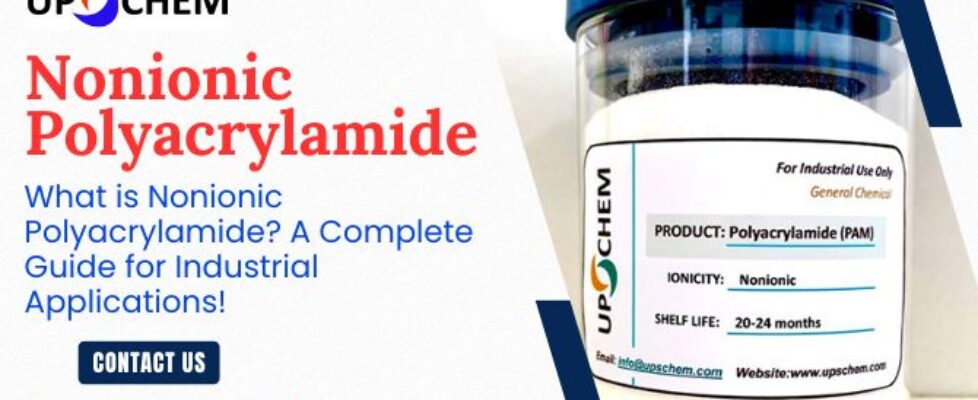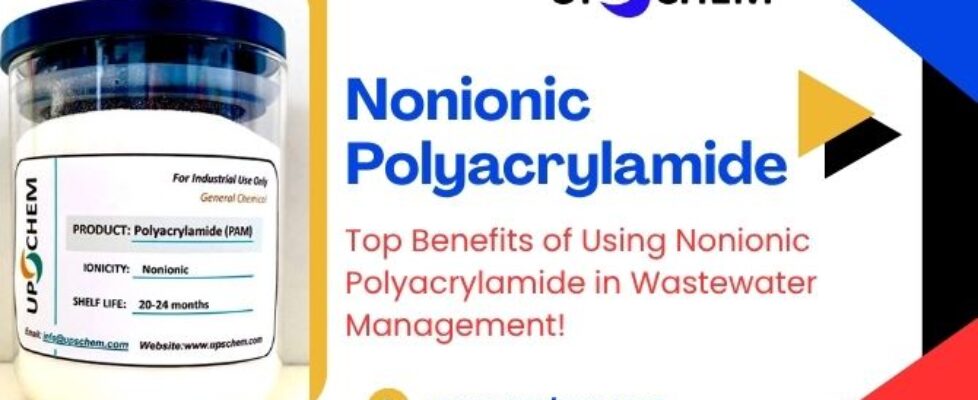
Top Benefits of Using Nonionic Polyacrylamide in Wastewater Management!
As communities, industries, and regulators globally raise the bar for environmental protection, effective wastewater management has become a defining challenge—and opportunity—of our era. Achieving safe, efficient, and affordable treatment of wastewater streams is no longer optional; it is vital for regulatory compliance, operational resilience, community health, and corporate sustainability. Yet as water treatment professionals know, not all contaminants and process challenges are created equal. They demand nuanced, adaptable solutions—especially when conventional approaches fall short.
Enter Nonionic Polyacrylamide: an advanced water-soluble polymer that is quietly transforming wastewater management across industries. Unlike its anionic and cationic counterparts, nonionic polyacrylamide offers remarkable versatility in a wide range of water chemistries, especially those with low ion content or high organic loads. Whether tackling suspended solids in municipal plants, organic-rich effluents in food and beverage factories, or the complex makeup of industrial process waters, nonionic polyacrylamide excels where many traditional coagulants and flocculants struggle.
The Basics: What is Nonionic Polyacrylamide?
To fully appreciate the advantages of Nonionic Polyacrylamide, it’s important to first understand its chemical nature and unique properties.
Nonionic Polyacrylamide (NPAM) is a type of water-soluble, high-molecular-weight polymer. Unlike its anionic or cationic counterparts, NPAM has very few charged groups along its polymer chain. Instead, its molecular structure is predominantly neutral. This seemingly simple difference has a profound impact: nonionic polyacrylamide interacts with suspended particles, colloids, and organic matter through mechanisms distinct from charge-driven flocculation.
Key Properties
- Nonionic Character: The polymer carries minimal electrical charge, enabling it to work well in environments where either high salinity or high concentrations of other ions might impede charged polymers.
- High Molecular Weight: This allows for efficient bridging between particles, even when electrostatic attractions are minimal.
- Excellent Water Solubility: Despite its size, NPAM dissolves readily, forming clear solutions that integrate easily with other treatment chemicals or biological processes.
How is NPAM Manufactured?
Top producers like Shandong UPS Chemical Co., Ltd. design nonionic polyacrylamide using strict quality controls and advanced polymerization techniques. Adjusting molecular weight, purity, and molecular structure during production allows NPAM to be fine-tuned for specialized applications in various wastewater contexts.
When is NPAM Preferred Over Other Types?
While cationic or anionic polyacrylamides are ideal for water streams with strongly negative or positive contaminants, nonionic polyacrylamide shines in waters with low ionic content, high organic or natural suspended solids, or applications where electrostatic neutralization must be avoided. Its gentle, “bridging” mode of action means it doesn’t disrupt delicate biological processes, nor does it risk unwanted reactions with other treatment chemicals.
How Nonionic Polyacrylamide Works in Wastewater Management?
The unique utility of Nonionic Polyacrylamide becomes clear when we examine how it operates in real-world treatment systems.
The Process
In addition to Wastewater:
NPAM is typically added as a dilute aqueous solution to the influent stream or during secondary clarification. Its dosage is selected based on jar testing and plant-specific needs.
Particle Bridging:
NPAM molecules extend into the water, seeking out suspended solids, colloids, and high-molecular-weight organic materials. They “bridge” these particles together, forming aggregates—or “flocs”—by intermolecular attraction and entanglement, rather than strong electrical forces.
Floc Growth and Settling:
As more NPAM and particulates interact, flocs become larger and heavier, settling rapidly or filtering more efficiently from the water. This process dramatically improves water clarity and reduces the load on downstream treatment stages.
Minimal Interference:
Because it’s nonionic, NPAM rarely interacts adversarially with other chemicals—making it compatible with a wide array of coagulants, biocides, or disinfectants already in use.
Gentle Yet Effective
This “gentle” flocculation is particularly advantageous when treating:
- Acidic or alkaline solutions
- High-organic, low-salt wastewaters
- Mixed industrial and municipal streams with variable or unknown composition
- Water destined for biological processes or sensitive downstream use
NPAM’s nonionic characteristic can mean fewer risks of overdosage, no residual electrical disruption, and more predictable treatment outcomes.
Core Benefits of Nonionic Polyacrylamide
1. Superior Flocculation in Low-Ionic Waters
Many wastewater streams—such as those from electronics manufacturing, high-purity process plants, or snowmelt-influenced municipal systems—feature low ion content, making traditional charged flocculants less effective. Here, nonionic polyacrylamide’s bridging action is highly efficient, yielding clear, fast-settling water.
2. Minimized Chemical Addition, Lower Dosing Needs
Because NPAM works through physical adsorption and bridging, only low concentrations are needed for powerful flocculation. Reduced dosing translates to operational savings and a lower risk of residual polymer issues.
3. Compatibility with Other Water Treatment Agents
NPAM does not undergo unwanted reactions with metal salts, disinfectants, or organic coagulants. It can either be used alone or in concert with charged flocculants to address particularly complex or variable influents.
4. Gentle, Non-Corrosive Action—Protecting Equipment
Unlike acidic or strongly alkaline coagulants, nonionic polyacrylamide is neutral and does not corrode or clog pumps, mixers, or pipes. This preserves equipment life and minimizes maintenance interruptions.
5. Supports Advanced Treatment and Water Reuse
NPAM is favored in advanced water reuse schemes and high-purity applications. Its low toxicity, high removal rates for fine organics, and lack of interference with downstream membranes or biological stages make it ideal for plants targeting potable reuse or resource recovery.
Key Industry Applications for Nonionic Polyacrylamide
While the chemistry of Nonionic Polyacrylamide offers universal appeal, its real-world power emerges in diverse, often complex, sectors of wastewater management. By exploring key applications, we see why NPAM is trusted by engineers, operators, and environmental managers around the world.
1. Municipal Wastewater Treatment
In municipal plants, influent quality varies according to daily operations, seasonal events, and industrial activity within the catchment. Here, Nonionic Polyacrylamide is invaluable for:
- Improving primary and secondary sedimentation tank performance
- Aiding in the removal of fine organic and colloidal particles that often escape conventional treatments
- Reducing turbidity to meet ever-stricter water reclamation and discharge requirements
Additionally, NPAM’s lack of charge prevents interference with nutrient removal bacteria, which is vital for plants focused on biological phosphorus or nitrogen removal.
2. Industrial Effluent Treatment
Industries such as food and beverage, textile, chemical processing, and pharmaceuticals frequently encounter high-organic, low-salinity wastewaters, where:
- Strongly charged polymers may destabilize processes or react unpredictably with dissolved organics
- NPAM’s neutral bridging action ensures smooth, reliable flocculation, even as influent chemistry fluctuates
- Lower doses and high selectivity help manage costs and minimize by-product generation
3. Mining and Mineral Processing
Tailings waters and wash process streams in mining often contain fine silt, clay, and organics from ore bodies. NPAM accelerates sedimentation, reducing the time and energy required to clarify large water volumes and supporting water recycling for processing use.
4. Pulp and Paper Mills
Waste streams from pulp, paper, and cardboard production are typically loaded with high-molecular-weight organics and suspended fibers. Nonionic polyacrylamide:
- Enhances retention of fillers, fines, and fiber in the papermaking process
- Improves drainage rate, reducing energy requirements for drying and pressing
5. Oil & Gas Industry
Produced water and sludges often contain a mixture of oil, fine solids, and dissolved organic waste. NPAM can:
- Enable the formation of larger, more manageable flocs
- Reduce the chemical burden for downstream biological or mechanical treatment steps
6. Synthetic Resin, Dye, and Specialty Chemical Plants
Here, where effluent is sensitive to the introduction of new chemical charges or pH swings, nonionic polyacrylamide provides gentle, non-disruptive clarification of water for reuse, treatment, or safe environmental discharge.
Shandong UPS Chemical Co., Ltd.: Expertise in Nonionic Polyacrylamide Solutions
Pioneering Custom Solutions
Not all nonionic polyacrylamide products are created equal. Shandong UPS Chemical Co., Ltd. leverages deep R&D experience, modern production technology, and strict quality control to ensure clients receive products tailored to their unique water treatment needs.
Laboratory-Driven Product Development
In-house scientists and engineers regularly analyze samples from client sites to select or modify NPAM formulations for optimal performance, considering:
- Wastewater pH and temperature
- Suspended solids composition and particle size
- Existing coagulant or disinfectant regimes
Wide Product Portfolio
Shandong UPS Chemical offers:
- NPAM in powder, granular, and emulsion forms for different dosing setups
- Multiple molecular weights and levels of residual monomer control for sensitive applications
- Custom bulk solutions for large-scale utilities or specialized secondary treatments
Unmatched Technical Support
Clients benefit from:
- On-site jar testing and performance monitoring
- Ongoing support from application engineers and after-sales experts
- Training for plant staff to maximize safety, efficiency, and compliance
Reliable Supply and Sustainability
- Robust supply chain ensures consistency and timeliness even for large or emergency orders
- Manufacturing prioritizes minimal environmental impact and compliance with global safety standards
With every order, Shandong UPS Chemical Co., Ltd. delivers peace of mind—and measurable results.
Sustainability, Compliance, and Future Trends
Sustainability is more than a buzzword: It’s a competitive and operational necessity. Nonionic Polyacrylamide aligns with sustainability trends and evolving regulations in several ways:
Enhanced Resource Recovery
As more plants pursue water reclamation or zero-liquid discharge, NPAM’s clean separation of solids and organics allows for:
- Higher water recycling rates
- Easier recovery of valuable resources (fiber, protein, minerals) from sludge
- Cleaner sludge for waste-to-energy or agricultural use
Lower Chemical Footprint
Achieving the same or better treatment with reduced polymer dosage means:
- Less chemical contamination risk for treated water
- Fewer by-products, residuals, or neutralization needs downstream
Regulatory Readiness
NPAM’s high effectiveness and low dosing help industries meet or exceed stringent effluent standards for suspended solids, COD/BOD, and toxicity, whether local or international.
Future Innovations
With growing value on circular economy and integrated resource management, expect further advances in:
- Biodegradable or bio-based nonionic polyacrylamides
- Smart flocculants tailored to plant-specific challenges
- Integration with IoT-driven water management systems for precise dosing and monitoring
In the evolving landscape of wastewater management, competitive advantage comes not just from meeting regulatory standards, but from doing so reliably, economically, and with future-proof versatility. Nonionic Polyacrylamide, especially when supplied and supported by innovators like Shandong UPS Chemical Co., Ltd., delivers exactly these benefits.
From superior clarification in low-ion or high-organic wastewaters to reduced maintenance and chemical savings, NPAM is redefining what’s possible in municipal, industrial, and advanced treatment plants. Its compatibility with other processes, gentle action, and minimal environmental footprint make it ideal for sustainability-focused operations and those aiming to recycle or reuse water safely.
Frequently Asked Questions (FAQ)
1. What is Nonionic Polyacrylamide, and how does it work in wastewater treatment?
Nonionic Polyacrylamide (NPAM) is a high-molecular-weight polymer with minimal electrical charge on its chain. In wastewater treatment, it works primarily through bridging—physically connecting suspended solids, organic particles, and colloids to form larger flocs. These flocs settle out quickly or are easily removed through filtration, resulting in clearer water and easier sludge management.
2. What types of wastewater are best suited to treatment with Nonionic Polyacrylamide?
NPAM is especially effective for:
- Low-ionic strength waters (low salt/content)
- Streams high in organics or natural solids (like food, beverage, municipal, and pulp/paper wastewaters)
- Applications where charged chemicals (anionic/cationic) underperform or risk unwanted reactions
- Situations where compatibility with biological processes is critical
3. How does NPAM compare with anionic and cationic polyacrylamide?
While anionic/cationic types are ideal for wastewaters dominated by opposite charges, NPAM shines in neutral or varied streams—offering enhanced flexibility, reduced interference, and minimized risk of over-charging or system shock. It is often combined with other flocculants for complex applications.
4. Is Nonionic Polyacrylamide safe for the environment and workers?
Yes, when properly manufactured and applied. NPAM from reputable producers like Shandong UPS Chemical Co., Ltd. features low residual monomer content and is non-toxic at prescribed dosages. Its use often reduces secondary pollution by achieving efficient treatment with fewer chemicals.
5. What is the best dosing strategy for NPAM in my plant?
Optimal dosage depends on your specific waste stream’s contamination level, pH, temperature, and solids content. Shandong UPS Chemical Co., Ltd. provides jar testing, pilot trials, and technical consultancy to determine the most effective, cost-efficient application rate for your needs.
6. How does NPAM improve equipment lifespan and plant maintenance?
Because it is nonionic and neutral, NPAM does not corrode, foul, or clog pumps, lines, or sensors. Lower sludge volumes and cleaner water downstream also reduce maintenance needs throughout the whole plant.
7. Can the use of Nonionic Polyacrylamide help with regulatory compliance?
Definitely. NPAM’s efficiency in clarifying water and reducing solid/organic load ensures plants can consistently meet regulatory targets for discharge, reused water, and other critical parameters—sometimes even improving biosolids quality for beneficial reuse.
8. What formats are available, and how do I choose the right one?
Shandong UPS Chemical Co., Ltd. offers NPAM in powder, granule, and emulsion forms. The choice depends on your feeding equipment, process setup, and operational preferences. Their specialists help match the right format and grade to your facility.
9. Is nonionic polyacrylamide compatible with biological treatment systems?
Yes! NPAM’s neutral character means it does not harm microorganism populations or disrupt biological nutrient removal—making it ideal for processes integrating biological and chemical treatment.
10. How quickly can I implement NPAM in my plant with Shandong UPS Chemical Co., Ltd.?
With rapid lab testing, streamlined logistics, and full engineering support, most plants can integrate NPAM within weeks from consultation to delivery—ensuring no gap in compliance or plant efficiency.