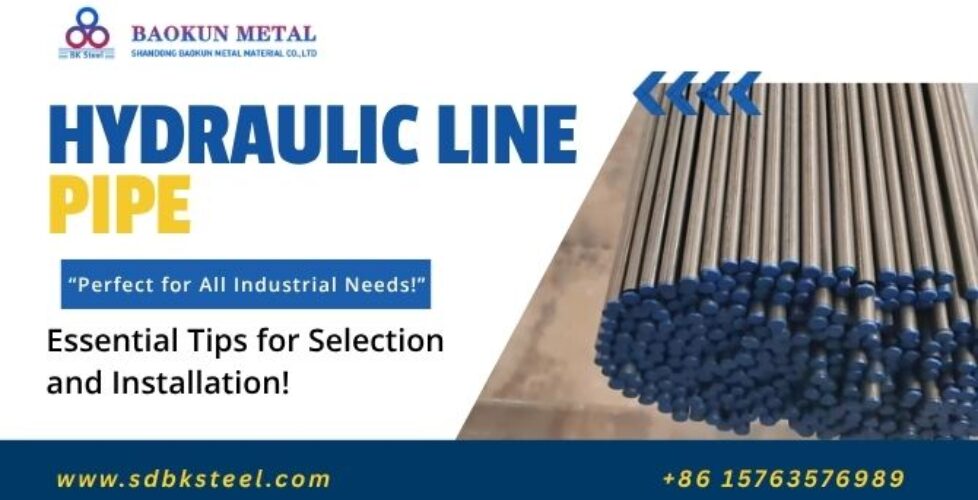
Hydraulic Line Pipe: Essential Tips for Selection and Installation!
In the world of hydraulic systems, every component plays a crucial role in ensuring efficiency, safety, and reliability. Among these, the Hydraulic Line Pipe stands out as a fundamental element that directly impacts the performance and longevity of the entire system. Whether you are designing a new hydraulic circuit, upgrading existing equipment, or troubleshooting operational issues, understanding how to select and install the right hydraulic line pipe is essential for achieving optimal results.
At Shandong Baokun Metal Material Co. Ltd, we recognize that the success of any hydraulic application depends not only on the quality of the components but also on the knowledge and expertise applied during selection and installation. With decades of experience in manufacturing and supplying high-quality hydraulic line pipes, we are committed to helping our customers make informed decisions that lead to safer, more efficient, and longer-lasting hydraulic systems.
The Role of Hydraulic Line Pipe in Hydraulic Systems
A Hydraulic Line Pipe serves as the conduit through which hydraulic fluid flows between various components such as pumps, valves, actuators, and reservoirs. The pipe must withstand high pressures, resist corrosion, and maintain structural integrity under demanding operating conditions. Any failure in the hydraulic line pipe can lead to leaks, pressure drops, contamination, or even catastrophic system failure.
Key Functions of Hydraulic Line Pipe:
- Fluid Transmission: Ensures efficient and leak-free transfer of hydraulic fluid.
- Pressure Containment: Withstands the high pressures generated within the system.
- Structural Support: Maintains alignment and stability of hydraulic components.
- Contamination Prevention: Protects the fluid from external contaminants.
Given these critical functions, selecting the right hydraulic line pipe is not just a matter of preference—it is a necessity for safe and reliable operation.
Essential Tips for Selecting Hydraulic Line Pipe
Choosing the appropriate Hydraulic Line Pipe involves evaluating several key factors. Making the right choice will enhance system performance, reduce maintenance costs, and extend the lifespan of your equipment.
1. Material Selection
The material of the hydraulic line pipe determines its strength, corrosion resistance, and compatibility with hydraulic fluids. Common materials include:
- Carbon Steel: Widely used for its strength and cost-effectiveness. Suitable for most industrial applications.
- Stainless Steel: Offers superior corrosion resistance, ideal for marine, chemical, or food processing environments.
- Alloy Steel: Provides enhanced strength for high-pressure applications.
- Copper and Brass: Used in low-pressure or specialty applications due to their corrosion resistance and ease of fabrication.
Tip: Always consider the operating environment and fluid compatibility when selecting the pipe material.
2. Pressure Rating
Hydraulic systems operate under varying pressures, often reaching several thousand psi. The hydraulic line pipe must be rated to handle the maximum system pressure, including any potential pressure spikes.
- Working Pressure: The maximum continuous pressure the pipe can safely handle.
- Burst Pressure: The pressure at which the pipe will fail. Always select a pipe with a burst pressure at least four times the working pressure for safety.
Tip: Consult manufacturer specifications and industry standards (such as SAE, DIN, or ISO) to ensure proper pressure ratings.
3. Pipe Size and Wall Thickness
The internal diameter and wall thickness of the hydraulic line pipe affect fluid flow, pressure drop, and mechanical strength.
- Flow Rate: Ensure the pipe size supports the required flow rate without excessive velocity, which can cause noise, vibration, and erosion.
- Wall Thickness: Thicker walls provide higher pressure ratings but may increase weight and cost.
Tip: Use hydraulic flow calculators or consult with experts to determine the optimal pipe size for your application.
4. Surface Finish and Cleanliness
A smooth internal surface minimizes friction and reduces the risk of contamination. Cleanliness is critical, as even small particles can damage sensitive hydraulic components.
- Surface Finish: Look for pipes with a polished or honed internal surface.
- Cleanliness Standards: Pipes should be cleaned and capped before installation to prevent contamination.
Tip: Specify cleanliness requirements when ordering hydraulic line pipes, especially for high-precision or sensitive systems.
5. Corrosion Protection
Corrosion can lead to leaks, blockages, and premature failure. Protective coatings such as zinc plating, epoxy, or special paints can extend the life of the hydraulic line pipe.
Tip: For outdoor or corrosive environments, consider stainless steel or pipes with advanced corrosion-resistant coatings.
6. Compatibility with Fittings and Connections
Ensure that the hydraulic line pipe is compatible with the fittings, connectors, and adapters used in your system. Mismatched components can lead to leaks and assembly difficulties.
Tip: Standardize on a specific fitting type (e.g., NPT, BSP, JIC) and ensure all pipes and connectors are compatible.
Best Practices for Hydraulic Line Pipe Installation
Proper installation is just as important as selecting the right hydraulic line pipe. Even the best pipe can fail if installed incorrectly. Follow these best practices to ensure a safe and reliable hydraulic system:
1. Plan the Routing Carefully
- Minimize Bends and Length: Shorter, straighter runs reduce pressure drop and potential leak points.
- Avoid Sharp Bends: Use gradual bends or elbows to prevent kinking and flow restrictions.
- Allow for Expansion: Account for thermal expansion and contraction to prevent stress on the pipe.
2. Support and Secure the Pipe
- Use Proper Clamps: Secure the pipe at regular intervals to prevent vibration and movement.
- Avoid Rubbing: Ensure the pipe does not rub against other components, which can cause wear and leaks.
3. Prevent Contamination
- Clean Before Installation: Flush the pipe with clean hydraulic fluid or an approved solvent to remove debris.
- Cap Ends: Keep pipe ends capped until installation to prevent dirt ingress.
4. Check for Proper Alignment
- Align with Fittings: Misalignment can cause stress and leaks at connection points.
- Use Flexible Hoses Where Needed: In areas subject to movement or vibration, use flexible hoses to absorb motion.
5. Torque Fittings Correctly
- Follow Manufacturer Guidelines: Over-tightening or under-tightening can cause leaks or damage.
- Use Proper Tools: Avoid using pipe wrenches on fittings, as this can deform the pipe.
6. Pressure Test the System
- Test Before Operation: Pressurize the system and check for leaks before putting it into service.
- Monitor for Leaks: Inspect all joints and connections during the initial operation.
Common Mistakes to Avoid
Even experienced technicians can make mistakes during hydraulic line pipe selection and installation. Avoid these common pitfalls:
- Using the Wrong Material: Selecting a pipe material that is incompatible with the fluid or environment can lead to premature failure.
- Ignoring Pressure Ratings: Underestimating system pressure can result in dangerous pipe bursts.
- Improper Sizing: Using pipes that are too small or too large can cause flow issues and inefficiency.
- Neglecting Cleanliness: Failing to clean pipes before installation can introduce contaminants that damage the system.
- Poor Routing: Excessive bends, long runs, or unsupported pipes increase the risk of leaks and failures.
Why Choose Shandong Baokun Metal Material Co. Ltd for Hydraulic Line Pipe?
At Shandong Baokun Metal Material Co. Ltd., we are dedicated to providing high-quality Hydraulic Line Pipe solutions tailored to your specific needs. Our advantages include:
- Premium Materials: We use only the highest-grade steel and alloys for superior strength and durability.
- Precision Manufacturing: Advanced processes ensure tight tolerances, smooth finishes, and consistent quality.
- Comprehensive Range: We offer a wide variety of sizes, wall thicknesses, and coatings to suit any application.
- Technical Support: Our experienced engineers provide expert advice on selection, installation, and troubleshooting.
- Global Delivery: With a robust logistics network, we deliver hydraulic line pipes to customers worldwide.
Real-World Example: Hydraulic Line Pipe Success Story
A leading mining company faced frequent hydraulic system failures due to pipe corrosion and improper installation. By partnering with Shandong Baokun Metal Material Co. Ltd, they upgraded to corrosion-resistant hydraulic line pipes and implemented best installation practices. As a result, system reliability improved, maintenance costs dropped by 30%, and equipment uptime increased significantly.
Selecting and installing the right Hydraulic Line Pipe is essential for the safety, efficiency, and longevity of your hydraulic systems. By considering material, pressure rating, size, cleanliness, and installation best practices, you can avoid common pitfalls and ensure reliable operation.
Frequently Asked Questions (FAQ)
1. What is the difference between hydraulic line pipe and hydraulic hose?
Hydraulic line pipes are rigid tubes used for fixed routing of hydraulic fluid, while hydraulic hoses are flexible and used where movement or vibration is present.
2. How do I determine the correct size for my hydraulic line pipe?
Consider the required flow rate, system pressure, and allowable pressure drop. Use hydraulic calculators or consult with our technical team for guidance.
3. Can I use regular steel pipe for hydraulic applications?
No, only pipes rated for hydraulic use should be used. Regular steel pipes may not withstand the pressure or have the required cleanliness and surface finish.
4. How do I prevent corrosion in hydraulic line pipes?
Choose corrosion-resistant materials or coatings, and ensure the system is properly maintained and protected from harsh environments.
5. What is the typical lifespan of a hydraulic line pipe?
With proper selection, installation, and maintenance, hydraulic line pipes can last many years, even in demanding applications.
6. How should I clean hydraulic line pipes before installation?
Flush with clean hydraulic fluid or an approved solvent, and ensure all debris is removed before capping the ends.
7. Are your hydraulic line pipes compatible with all types of hydraulic fluids?
We offer pipes compatible with a wide range of hydraulic fluids. Please specify your fluid type when ordering.
8. Can I order custom sizes or coatings?
Yes, Shandong Baokun Metal Material Co., Ltd. offers customization to meet your specific requirements.
9. What standards do your hydraulic line pipes meet?
Our pipes comply with international standards such as SAE, DIN, and ISO, ensuring quality and compatibility.
10. How do I get technical support for selection and installation?
Contact our technical team for expert advice and support throughout your project.