Exploring the Benefits of Thick Polycarbonate Sheet in Industrial Settings!
In today’s rapidly evolving industrial landscape, selecting the right materials is crucial for ensuring durability, safety, and efficiency. Among the most versatile and valuable materials available, thick polycarbonate sheet has emerged as a leading choice for numerous industrial applications. Whether it is used for protective barriers, machinery guards, or structural panels, this robust material offers unique properties that traditional alternatives often lack.
At Excelite International Limited, we understand the importance of high-quality materials tailored to industrial needs. In this comprehensive article, we will delve into the many benefits of thick polycarbonate sheet, explaining why it is increasingly favored in manufacturing, construction, and other demanding industrial environments. From impact resistance and transparency to weatherability and thermal performance, this post will provide you with an in-depth understanding of how thick polycarbonate sheets can enhance performance, reduce costs, and improve workplace safety.
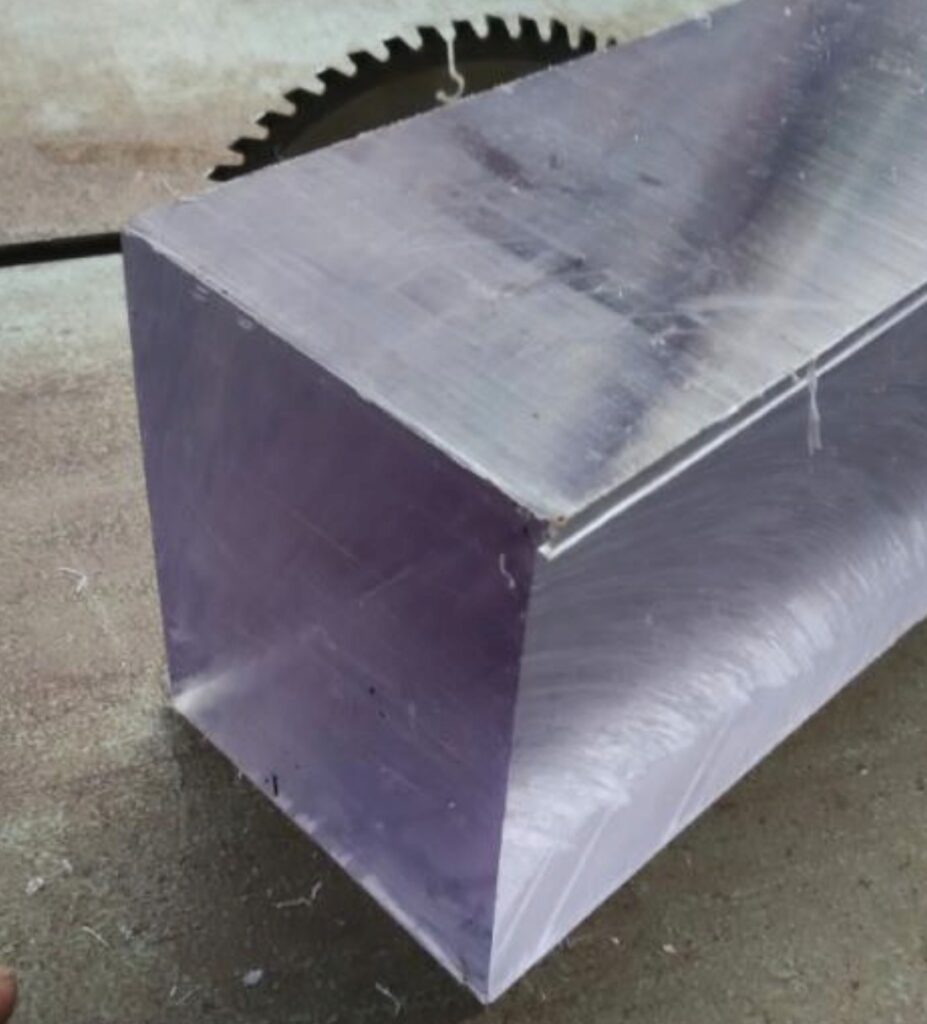
Thick Polycarbonate Sheet
Polycarbonate is a thermoplastic polymer defined by its exceptional strength and clarity. When manufactured in thick sheets, it becomes a durable solution that withstands harsh industrial conditions while maintaining key functional attributes. Unlike glass or acrylic, thick polycarbonate sheet combines superior impact resistance and lightweight properties with excellent optical clarity, making it an ideal component in environments where safety and visibility are paramount.
Moreover, thick polycarbonate sheet is versatile and easy to fabricate, allowing industries to customize solutions that suit specific operational demands. Transitioning from traditional materials like glass or metal, many manufacturers and engineers now prefer polycarbonate for its adaptability and longevity.
Why Thick Polycarbonate Sheet Stands Out in Industrial Use
1. Superior Impact Resistance:
One of the most significant advantages of thick polycarbonate sheet is its outstanding impact resistance. It can absorb and withstand forces that would typically shatter glass or crack acrylic. This makes it particularly useful for safety shields, machine guards, and protective barriers in high-risk environments.
2. Lightweight Yet Strong:
Despite its toughness, polycarbonate is lightweight. Compared to glass of the same thickness, it weighs roughly half as much, facilitating easier installation and reducing structural load without sacrificing durability.
3. Exceptional Clarity:
Thick polycarbonate sheets offer up to 90% light transmission, providing crystal-clear visibility for applications requiring transparency. This is essential when monitoring processes or maintaining visual safety lines in factories or warehouses.
4. Weather and Chemical Resistance:
Polycarbonate resists ultraviolet (UV) rays and can withstand varying weather conditions better than many plastics. Additionally, it resists common industrial chemicals, enabling it to maintain integrity in harsh chemical or outdoor environments.
5. Thermal Stability:
Thick polycarbonate sheets maintain dimensional stability under temperature fluctuations. This thermal resilience ensures reliable performance even in environments with extreme temperature changes.
6. Ease of Fabrication and Installation:
Polycarbonate sheets are easy to cut, drill, and shape, making them highly adaptable for customized industrial solutions. This flexibility permits rapid prototyping and modifications without needing heavy machinery.
Common Industrial Applications of Thick Polycarbonate Sheet
Given these attributes, thick polycarbonate sheets have found broad application across diverse industrial sectors. Here are a few notable examples:
- Machine Guards and Safety Shields: Industrial machinery often requires transparent yet strong barriers to protect operators from moving parts and flying debris. Polycarbonate excels here due to its strength and clarity.
- Protective Enclosures and Panels: Equipment housings that demand durability and visibility benefit from thick polycarbonate’s combination of toughness and transparency, especially in harsh or corrosive environments.
- Skylights and Glazing: Industrial buildings often install polycarbonate sheets in roofing and window panels for durable, light-permitting solutions resistant to weather and impact.
- Cleanroom and Laboratory Applications: The chemical resistance and clarity of thick polycarbonate sheets make them popular for constructing walls, windows, and partitions in sterile or controlled environments.
- Signage and Display Cases: Polycarbonate’s surface hardness and clarity support outdoor and indoor signage exposed to impacts, scratches, or vandalism.
Transitioning to Thick Polycarbonate Sheet — Cost and Long-Term Savings
While thick polycarbonate sheet may have a higher upfront cost compared to cheaper plastics or glass, their durability and longevity translate into substantial cost savings over time. Reduced maintenance, less frequent replacement, and prevention of workplace injuries all contribute to a significant return on investment.
Furthermore, because polycarbonate is lighter and easier to install, labor costs and logistical challenges are minimized, speeding up industrial projects and reducing downtime.
Sustainability and Environmental Impact
In addition to operational benefits, polycarbonate’s long lifespan and recyclability contribute positively to sustainability goals. At Excelite International Limited, we emphasize responsible sourcing and encourage clients to consider polycarbonate’s role in reducing material waste and boosting sustainability efforts within industrial projects.
Detailed Properties of Thick Polycarbonate Sheet That Boost Industrial Performance
To fully appreciate the advantages of thick polycarbonate sheet in industrial settings, it is useful to examine its intrinsic material properties in more detail:
1. High Impact Strength:
Polycarbonate’s molecular structure enables it to absorb and distribute impact energy rather than shatter. This makes thick polycarbonate sheets the preferred choice for environments where safety glass replacement is needed or where equipment protection is mandatory.
Furthermore, the toughness reduces downtime and costs associated with material replacement and injury prevention.
2. Optical Clarity and Light Diffusion:
The ability to transmit visible light up to 90% makes thick polycarbonate sheet useful in applications where natural lighting is desired without compromising safety. Unlike frosted or opaque materials, polycarbonate allows operators clear visibility while maintaining impact resistance. Also, it can be treated to provide diffused light, reducing glare in sensitive work environments.
3. Thermal and Dimensional Stability:
Industrial environments often experience varying temperature ranges—from sub-zero to high-heat areas near machinery. Thick polycarbonate sheets can sustain these changes without warping or losing structural integrity. Its low thermal conductivity also enables better insulation compared to glass, reducing energy consumption in climate-controlled spaces.
4. Flame Retardancy:
Many industrial areas require materials that comply with stringent fire safety regulations. Polycarbonate materials inherently exhibit flame retardant properties, and can meet or exceed international fire safety standards when properly manufactured. This reduces the risk of fire propagation, making thick polycarbonate an apt choice for enclosures and partitions in factories.
5. Chemical Resistance:
While no plastic is impervious to all chemicals, thick polycarbonate shows good resistance against many acids, alkalis, oils, and greases commonly found in industrial settings. This resistance helps maintain the sheet’s appearance, strength, and functionality even in aggressive environments such as chemical plants or automotive manufacturing.
Fabrication and Customization of Thick Polycarbonate Sheet for Industry
One key factor driving the popularity of thick polycarbonate sheets is how easily they can be fabricated to meet specific design and functional requirements.
Custom Cutting and Machining:
Polycarbonate sheets are compatible with various industrial cutting techniques, including CNC routing, laser cutting, water jet cutting, and sawing. This flexibility means manufacturers can produce intricate shapes with fine-tuned tolerances for precise machinery guards or bespoke safety shields.
Thermoforming and Bending:
When heated to the correct temperature, thick polycarbonate sheet become highly pliable. This enables the creation of curved or shaped components without cracking, expanding design possibilities for industrial architects and engineers.
Drilling and Joining:
Drilling holes for fasteners is straightforward with the right tools, and polycarbonate tolerates threading and riveting effectively. Moreover, polycarbonate panels can be joined or laminated using adhesives, solvent welding, or mechanical fasteners, supporting complex assembly configurations.
Surface Treatments:
To further customize thick polycarbonate applications, various surface treatments enhance scratch resistance, UV stability, anti-fogging, or anti-glare properties. These coatings ensure panels maintain durability and functionality in demanding conditions.
By combining versatile fabrication technologies with advanced coatings, thick polycarbonate sheets can be adapted to nearly every industrial requirement, ensuring that no two applications need compromise on material performance.
Safety Enhancements Using Thick Polycarbonate Sheet
Safety considerations are paramount in industrial environments. Thick polycarbonate sheets not only protect personnel and equipment but also contribute to a safer workspace by improving overall operational visibility.
Machine Guards and Enclosures:
Regulatory bodies like OSHA (Occupational Safety and Health Administration) often require physical barriers around dangerous machinery. Thick polycarbonate sheet comply with these regulations by providing transparent, shatterproof guards that maintain visibility while isolating hazardous zones.
Blast and Impact Protection:
In industries such as mining, military manufacturing, or heavy engineering, thick polycarbonate sheets serve as blast shields or impact-absorbing panels. Because polycarbonate flexes rather than fracturing, it dissipates energy that could otherwise cause fatal injuries or equipment damage.
Control Room Windows and Partitions:
Clear lines of sight help operators monitor production lines, promptly detect malfunctions, and maintain communication between departments. Thick polycarbonate safeguards control rooms while preserving this visual connectivity.
Anti-Vandalism and Theft Deterrence:
Warehouses and storage facilities often face threats from vandalism or break-ins. Thick polycarbonate sheets are used for security glazing that is difficult to break compared to traditional glass, protecting valuable inventory and equipment.

Environmental and Sustainability Considerations
As industries globally prioritize sustainability, the environmental footprint of materials plays an increasingly important role in decision-making. Thick polycarbonate sheets align well with green manufacturing principles:
Durability Reduces Waste:
Long service life means fewer replacements and less material disposal or recycling needed over time.
Recyclability:
Polycarbonate is recyclable, and with proper industrial recycling programs, sheets can be reprocessed into new products, lowering reliance on virgin raw materials.
Energy Savings:
Due to their thermal insulation capabilities and light transmission, polycarbonate sheets help reduce energy consumption for climate control and artificial lighting within industrial buildings.
Lower Transportation Impact:
Weighing less than glass, polycarbonate reduces transportation energy and carbon footprint during delivery and installation.
Excelite International Limited remains committed to supplying materials that not only satisfy industrial requirements but do so with an eye on sustainability for future generations.
Maintenance and Cleaning Guidelines for Thick Polycarbonate Sheets
Maintaining thick polycarbonate sheets properly ensures their longevity and preservation of their key characteristics:
- Cleaning: Use a soft cloth or sponge with mild soap or detergent and lukewarm water. Avoid abrasive cleaners or solvents such as ammonia or acetone, which can cause surface damage.
- Scratch Prevention: Although polycarbonate is tough, surface scratches can occur. Protective films or coatings are recommended in high-abrasion scenarios.
- UV Protection: If installed outdoors, ensure polycarbonate sheets have UV coatings to prevent yellowing and brittleness from prolonged sun exposure.
- Inspection: Regular inspection for cracks or lines of stress can prevent catastrophic failure in critical safety applications.
By following manufacturer recommendations, industrial users can maximize the lifespan and functionality of their polycarbonate installations.
Why Excelite International Limited Is Your Trusted Partner for Thick Polycarbonate Sheet
Selecting the right supplier for thick polycarbonate sheet is vital to ensure quality, consistency, and expert support. Excelite International Limited offers:
- Access to premium-grade polycarbonate sheets available in a range of thicknesses tailored for industrial applications.
- Technical consultation for material choice, custom fabrication, and compliance with industry standards.
- Reliable delivery schedules backed by logistics expertise.
- Commitment to quality assurance and sustainability principles.
Thick polycarbonate sheet represents a powerhouse material for multiple industrial needs, combining impact resistance, clarity, and adaptability with cost-effectiveness over time. As industries demand stronger, lighter, and more transparent materials, thick polycarbonate sheets prove to be an ideal solution across applications—from equipment guarding to structural glazing.
At Excelite International Limited, we provide expert guidance and high-quality thick polycarbonate sheet selections tailored to your specific industrial requirements. By choosing premium materials, you not only improve safety and productivity but also invest in the future resilience of your operations.
As industries progress toward safer, more resilient, and environmentally-conscious operations, the decision to adopt thick polycarbonate sheet offers undeniable advantages. From unparalleled durability and clarity to fabrication flexibility and sustainability, polycarbonate consistently outperforms alternatives in rigorous industrial settings.
Frequently Asked Questions (FAQs)
Q1: What thickness ranges are available for polycarbonate sheets?
A: Thick polycarbonate sheets typically range from 3mm up to 25mm or more, allowing customization depending on the level of impact resistance and rigidity required.
Q2: How does thick polycarbonate compare to glass in terms of safety?
A: Polycarbonate is up to 250 times more impact resistant than glass, significantly reducing the risk of shattering and injury in industrial applications.
Q3: Can thick polycarbonate sheets be used outdoors for long periods?
A: Yes, polycarbonate sheets often come with UV coatings or treatments that enhance weather resistance and prevent yellowing for extended outdoor use.
Q4: Is thick polycarbonate sheet resistant to chemicals?
A: Polycarbonate has good resistance to many chemicals common in industrial settings, though it is important to verify compatibility with specific substances.
Q5: How easy is it to fabricate thick polycarbonate sheets?
A: One of polycarbonate’s advantages is that it can be cut, drilled, and thermoformed with standard industrial tools, speeding up custom fabrication and installation.
Q6: Does polycarbonate sheet require maintenance?
A: Polycarbonate sheets require minimal maintenance. Regular cleaning with mild detergents and avoiding abrasive materials keeps the surface clear and intact.
Q7: Can thick polycarbonate sheet withstand sustained outdoor exposure without degrade?
A: Yes, especially when coated with UV inhibitors. The coating prevents discoloration and maintains mechanical properties under sun exposure for many years.
Q8: How does thick polycarbonate behave under fire conditions?
A: Polycarbonate is self-extinguishing, meaning it will resist burning once the ignition source is removed. Fire retardant grades can also be supplied to meet strict regulatory codes.
Q9: Is thick polycarbonate sheet recyclable?
A: Absolutely. Polycarbonate can be melted down and reused, supporting circular material economies in industrial settings.
Q10: What are the common thicknesses used in industrial safety applications?
A: Typically, industrial safety guards range between 6mm to 12mm, but thicker sheets (up to 25mm or more) are chosen for high-impact zones or blast resistance.
Q11: How does thick polycarbonate compare to acrylic?
A: Polycarbonate offers much higher impact and thermal resistance than acrylic, making it the superior choice for rugged industrial environments, although acrylic might be chosen where scratch resistance or cost is prioritized.
Q12: What is the typical lead time for orders of thick polycarbonate sheets?
A: Lead times vary depending on size, thickness, and coatings, but Excelite International Limited aims to fulfill orders efficiently within industry-standard timelines, often within 2-4 weeks.