
Why Wedge Wire Screen Panel Solutions Are Revolutionizing Modern Processing Plants!
As processing plants worldwide strive to meet new standards for efficiency, durability, and output quality, innovative filtration and separation technologies have come to the forefront of plant operations. Among these advancements, the Wedge Wire Screen Panel stands out as a true game-changer. While often working quietly behind the scenes, these precision-engineered panels outperform traditional filtration methods, providing superior strength, longevity, and performance for a wide range of industrial applications.
At Anping County BT Wire Mesh Products Co., Ltd., we have witnessed firsthand how the adoption of Wedge Wire Screen Panel solutions has transformed processing plants—from food and beverage and water treatment facilities to mining, petrochemical, and pulp & paper operations. As industries demand higher throughput, lower maintenance, and more reliable separation performance, the importance of the Wedge Wire Screen Panel continues to grow.
What is a Wedge Wire Screen Panel?
To truly appreciate the revolutionary impact of the Wedge Wire Screen Panel, it’s essential to understand what sets it apart from conventional screening and filtration mediums.
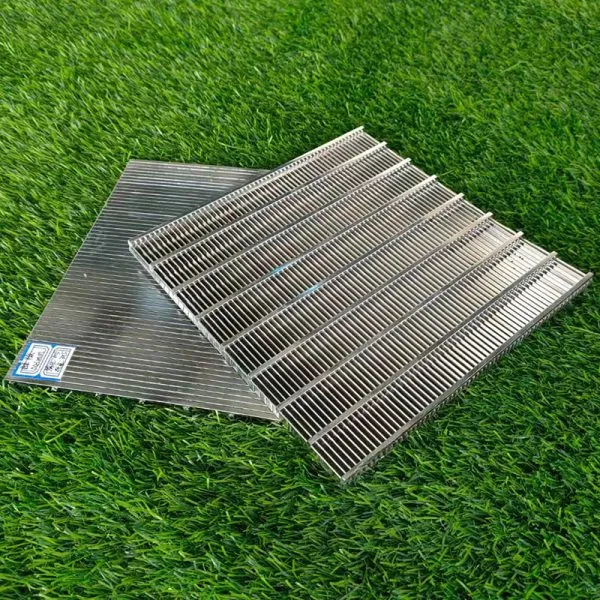
A Wedge Wire Screen Panel is a type of industrial screen made from precisely profiled (V-shaped) wires that are resistance welded onto support rods. This design forms a continuous slot or aperture, enabling highly efficient separation of solids from liquids or gases. Unlike woven mesh or perforated metal sheets, the slot size in a Wedge Wire Screen Panel is precisely controlled and consistent along the entire panel, allowing for exceptional filtration accuracy and throughput.
Key Features at a Glance:
- V-shaped wire profile ensures precise slot size and optimal particle retention.
- Strong, welded construction delivers superior mechanical strength and resistance to clogging.
- Customizable dimensions and slot widths enable tailored solutions for almost any application.
- Corrosion-resistant (often manufactured in stainless steel or superalloys)
- Easy to clean and maintain, with high open area for improved flow rates.
The Engineering Behind Wedge Wire Screen Panel Excellence
The secret to the effectiveness of the Wedge Wire Screen Panel lies in the engineering and material science behind its design.
1. V-Shaped Profile (Wedge Wire)
The signature V-shape profile of the screening wire not only allows for superior particle capture and consistent slot sizing, but also ensures that larger particles are prevented from passing through while smaller particles are efficiently filtered. This unique geometry also minimizes surface blinding and makes the panel largely “self-cleaning”—as particles tend to slide past rather than clogging the slots.
2. Resistance Welded Construction
Unlike woven mesh, a Wedge Wire Screen Panel is constructed by fusing wires onto support rods at each contact point. This robust welding technique results in an extremely strong, durable panel that handles high loads, vibration, and pressure, making it ideal for continuous-duty industrial operations.
3. High Open Area and Flow Capacity
The spacing of slots can be customized (commonly from 0.02 mm up to several millimeters), allowing for fine filtration or high-volume flow as required. This flexibility leads to increased throughput and reduced pressure drop compared to traditional screens or filters.
4. Material Options
Wedge Wire Screen Panels are typically manufactured from premium-grade stainless steel (such as SS304 or SS316L) or special alloys for highly corrosive or abrasive environments. This offers excellent resistance to wear, chemical attack, and extreme temperatures.
Why Are Wedge Wire Screen Panels Revolutionizing Modern Processing Plants?
1. Superior Filtration Efficiency
The precision slot control and self-cleaning design of the Wedge Wire Screen Panel enable highly accurate separation of solids from liquids or gases. This efficiency enhances process yields while reducing the risk of product contamination.
2. Low Maintenance Requirements
Thanks to the V-shaped profile and welded construction, these panels resist clogging, blinding, and abrasion far better than woven wire mesh or perforated plate. This translates to fewer shutdowns for maintenance, simple cleaning procedures, and longer operational cycles—boosting plant productivity.
3. Long Service Life
Wedge Wire Screen Panels are designed to be an investment for the long term. Their robust construction resists mechanical stress, impact, and corrosion, significantly extending their lifespan even in harsh industrial environments.
4. Customizable Solutions for Industry-Specific Needs
No two processing systems are exactly alike. As such, each Wedge Wire Screen Panel can be tailor-engineered to provide the perfect combination of slot width, panel size, and support structure. This flexibility is key for industries with unique requirements, such as food processing, wastewater treatment, or mineral recovery.
5. Enhanced Safety and Cleanliness
Panels made from food-grade stainless steel or corrosion-resistant alloys help to maintain sanitary conditions, comply with strict regulatory standards, and minimize the risk of contamination or process interruptions.
6. Reduced Operating Costs
The durability, efficiency, and easy maintenance of Wedge Wire Screen Panels dramatically reduce total cost of ownership. Fewer replacements, lower downtime, decreased cleaning requirements, and higher yields provide excellent ROI for processing plants.
Also Read – Wedge Wire Screen Panel : The Key to Efficient Water Treatment Systems!
Application Highlights: Wedge Wire Screen Panels Across Key Industries
Food & Beverage Industry
- Sugar, Juice, and Brewing: Wedge Wire Screen Panels are used for filtering juice, separating solids suspended in liquids, and clarifying raw ingredients. Their precision and easy-to-clean design make them ideal for food-grade operations.
- Dairy Processing: The panels effectively separate curds and whey, support milk drying, and maintain cleanliness for strict hygiene standards.
Water Treatment & Environmental
- Municipal & Industrial Wastewater: Used in rotary drum screens, inlet works, and tertiary treatment to remove particulates, reduce organic load, and protect downstream equipment.
- Drinking Water Plants: Panels ensure reliable particle removal while resisting chemicals and maintaining strict purity requirements.
Mining & Aggregate Processing
- Mineral Screening: Handling abrasive slurries and ore separation, Wedge Wire Screen Panels withstand harsh abrasion and heavy loads, far outlasting traditional mesh.
- Coal Washing: Ensure efficient dewatering and particle sizing for coal and mineral slurries.
Oil & Gas, Petrochemical
- Sand Control and Well Screens: Prevent sand ingress while maximizing flow rates in extraction wells, reducing equipment wear and maintenance.
- Process Filters: Used in hydrocarbon processing, catalyst recovery, and solids removal from process streams.
Pulp & Paper
Pulp and Fiber Separation: Panels serve in pressure screens and fiber recovery units, balancing high-capacity flow with exact sizing for various pulp grades.
Key Steps for Choosing the Right Wedge Wire Screen Panel
- Define Process Goals: What specific separation or filtration performance do you require?
- Determine Flow Rate & Material: Analyze the liquid or gas stream, particle size distribution, and throughput.
- Specify Slot Width and Open Area: Based on the retention requirement, select the optimal slot opening and percent open area.
- Material Selection: Choose the right alloy or stainless steel grade to maximize corrosion and abrasion resistance.
- Panel Size and Geometry: Ensure custom fit and integration with your existing plant equipment.
- Regulatory Compliance: Verify material and construction compatibility with sanitary, safety, or environmental standards.
- Supplier Expertise: Partner with a proven manufacturer like Anping County BT Wire Mesh Products Co., Ltd., who can guide you through technical specification, custom design, and aftersales support.
Maintenance and Best Practices with Wedge Wire Screen Panels
- Routine Inspection: Regularly check for mechanical damage, fouling, or deposit build-up.
- Cleaning: Panels can be easily backwashed, pressure cleaned, or brushed, reducing process downtime.
- Replacement Planning: Thanks to long lifespan, replacements are rare, but keeping spares can further minimize downtime.
- Record Keeping: Track installation dates and cleaning cycles to predict future maintenance needs.
The demands of modern processing plants are only getting tougher. As facilities push for greater efficiency, cleaner outputs, and lower costs, the advantages of the Wedge Wire Screen Panel become impossible to ignore. Its precise engineering, robust durability, and unparalleled filtration performance are transforming how industries approach separation and screening—delivering reliability where it counts most.

Frequently Asked Questions (FAQ) About Wedge Wire Screen Panels
Q1: What is the typical lifespan of a Wedge Wire Screen Panel?
A1: With proper specification and maintenance, panels can last 5–10 years or more—far exceeding traditional mesh or perforated sheet media, particularly in abrasive or corrosive environments.
Q2: Can I customize the slot size and panel dimensions?
A2: Absolutely! One of the greatest advantages of Wedge Wire Screen Panels is their full customizability. Slot widths from as small as 0.02 mm up to several mm are possible, with panel size and shape to fit any application.
Q3: Are Wedge Wire Screen Panels safe for food and beverage use?
A3: Yes, when manufactured from food-grade stainless steel and to hygiene-compliant standards, they are ideal for food and beverage filtration.
Q4: How do Wedge Wire Screen Panels resist clogging?
A4: The V-shaped profile encourages particles to move away from the slot edge, combined with a smooth surface that resists accumulation—key reasons why panels require less frequent cleaning than woven screens.
Q5: What materials are available for Wedge Wire Screen Panels?
A5: Standard materials include SS304, SS316, and SS316L stainless steel. For highly corrosive or high-temperature environments, superalloys such as Hastelloy® or duplex stainless may be used.
Q6: Can Wedge Wire Screen Panels be retrofitted into existing plants?
A6: Yes, panels can be custom-fabricated to replace or upgrade current screening and filtration equipment, enhancing performance without major system redesigns.
Q7: What is the typical lead time for a custom Wedge Wire Screen Panel order?
A7: Standard lead times range from 2–4 weeks depending on order complexity, but Anping County BT Wire Mesh Products Co., Ltd. offers rapid-response production and shipping for urgent requirements.
Q8: How do Wedge Wire Screen Panels compare in cost to traditional mesh screens?
A8: While the initial investment may be higher, the long-term savings in maintenance, downtime, and replacements make them significantly more cost-effective over time.
Q9: How do I install and maintain my Wedge Wire Screen Panel?
A9: Installation manuals and support are provided for both new installations and retrofits. Regular inspection and cleaning as recommended by the manufacturer will ensure continued peak performance.
Q10: Who can I contact for expert guidance on Wedge Wire Screen Panels?
A10: The experienced engineering and sales team at Anping County BT Wire Mesh Products Co., Ltd is ready to assist with application advice, technical drawings, samples, and aftersales service worldwide.