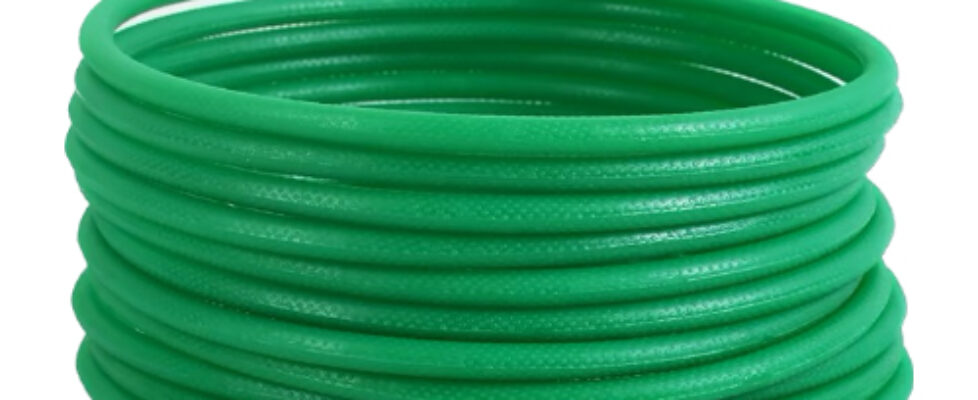
Why Urethane Round Belt is the Go-To Solution for Modern Manufacturing!
The world of modern manufacturing is evolving at an unprecedented pace. From the rise of smart factories and advanced automation to the continuous pursuit of higher efficiency and reliability, manufacturers must choose their equipment components carefully to maintain a competitive edge. In this climate, one unsung hero has emerged as the go-to choice for conveying, drive, and motion systems across hundreds of industries—the Urethane Round Belt.
While often overlooked, the Urethane Round Belt plays a crucial role in power transmission, material handling, and product conveyance. Unlike conventional belt materials such as rubber or PVC, the urethane version stands out for its outstanding combination of durability, flexibility, resistance to abrasion, and chemical stability. Companies like Shanghai Puteken Transmission System Co., Ltd. have invested years of research and engineering expertise to develop and supply Urethane Round Belts that set new standards for performance and reliability.
1. Urethane Round Belt: The Basics and Key Features
A Urethane Round Belt is a circular cross-section belt made from high-performance polyurethane elastomer (often referred to as urethane). It is commonly used for driving or conveying applications in all types of industrial equipment. The urethane material provides excellent resilience, allowing the belt to stretch, flex, and recover without permanent deformation. Unlike flat or V-belts, round belts are specifically designed for light-to-medium load and precision applications.
Key features of a Urethane Round Belt include:
- Superior Abrasion Resistance: Urethane can withstand repeated friction and mechanical wear, resulting in much longer belt life.
- High Tensile Strength: Despite being lightweight, these belts can transmit significant power without stretching or snapping.
- Chemical and Oil Resistance: Urethane remains stable in the presence of greases, oils, solvents, and many aggressive chemicals—making these belts ideal for harsh industrial environments.
- Wide Operational Temperature Range: They maintain flexibility and performance from sub-zero to high-heat conditions (typically -35°C to +80°C, with specialty compounds available for even wider ranges).
- Consistent Grip and Flexibility: These belts can easily transmit motion without slipping, even in wet or oily conditions.
- Easy to Install, Weld, and Replace: Belts can be cut and fused on-site, minimizing downtime and inventory needs.
2. Performance Advantages Over Conventional Belts
The choice between Urethane Round Belts and other types of belts (rubber, PVC, cotton, etc.) ultimately comes down to performance, lifespan, and cost-effectiveness. Here’s how urethane pulls ahead:
a) Longevity and Durability
Traditional rubber and PVC belts degrade over time, especially in high-friction or chemically active environments. Urethane’s superior abrasion resistance means fewer replacements and less downtime.
b) Chemical and Environmental Resistance
Urethane’s inert chemical nature makes it immune to many substances that would cause swelling, cracking, embrittlement, or stretching in rival materials.
c) Consistent Tension and Power Transmission
The Urethane Round Belt offers reliable tension retention, minimizing re-tensioning or slippage under load. That means precision for timing, positioning, and consistent throughput.
d) Reduced Maintenance
On-site welding (jointing) allows belts to be installed or replaced rapidly, without dismantling machinery. This is a game-changer for packaging lines, conveyors, and automated handling equipment.
e) Cleanliness and Hygienic Properties
Because urethane belts do not crack or harbor bacteria like porous materials, they meet strict food-grade and pharmaceutical standards.
f) Design Versatility
Available in multiple diameters, lengths, colors, and hardnesses—plus anti-static or reinforced options—Urethane Round Belts are engineered for universal, custom, and niche applications alike.
3. Application Highlights: Where Urethane Round Belts Excel
The unique material properties of the Urethane Round Belt enable its use in a wide range of industries. Typical application areas include:
a) Food Processing and Packaging:
Conveyor systems require belts that won’t contaminate food, resist frequent washing, and maintain grip. Urethane fits all these criteria and is available in food-grade certified compounds.
b) Logistics and Distribution:
Parcel sorters, singulators, and diverters in warehouses operate at high speed and under heavy load. Urethane Round Belts withstand continuous use, resist groove wear, and can be changed with minimal downtime.
c) Electronics Manufacturing:
Electrostatic-sensitive and cleanroom environments benefit from urethane’s dust-free, non-marking, anti-static variants.
d) Textile Machinery:
From winding to spinning, precise and smooth motion is delivered by round belts, reducing product damage and maximizing equipment uptime.
e) Automated Assembly Lines:
Robotics and pick-and-place systems rely on belts for accurate, repeatable movement at a range of speeds without slippage.
f) Printing and Paper Industry:
Mail sorters, binders, copiers, and paper feeders all need high-friction, low-maintenance driving or conveying solutions—another area where Urethane Round Belt shines.
4. Innovations in Urethane Round Belt Design and Manufacturing
The Urethane Round Belt of today is a testament to materials science and continuous innovation. Some game-changing advancements include:
- Reinforced Belts: Embedded aramid or polyester cords provide zero-stretch performance for higher-load, higher-speed drives.
- Anti-Static and Conductive Belts: Special formulations protect electronic components from static build-up, crucial in electronics and microchip industries.
- Precision Extrusion and Tolerance Controls: New manufacturing techniques allow almost perfect roundness, delivering balance and uniform power transmission, even in demanding high-speed applications.
- Color and Hardness Customization: Color-coded belts aid in line management and HACCP compliance; hardness (durometer) adjustments further tune the belt for grip, flexibility, or load requirements.
- On-Site Weldability: Innovations in urethane chemistry mean joints are almost as strong as the belt itself, ensuring a seamless, reliable connection even after multiple reconnections.
Shanghai Puteken Transmission System Co., Ltd. leads the field with state-of-the-art equipment, an expert engineering team, and rigorous quality standards. Our belts meet or exceed global benchmarks, and innovations developed in partnership with our customers keep us ahead in delivering next-generation solutions.
5. Environmental and Cost Benefits
Switching to Urethane Round Belt technology isn’t just about performance—it can deliver significant ecological and economic benefits:
- Longer Belt Life = Less Waste: Durable belts reduce the volume of discarded materials and contribute to company environmental targets.
- Minimal Lubrication and Less Frequent Replacement: Less maintenance means fewer consumables (oils, cleaners) and reduced industrial waste.
- Lower Energy Use: Urethane belts often require lower drive tension, decreasing strain and energy draw in drive motors.
- Inventory and Storage Savings: On-site weldable bulk rolls reduce the need to stock belts in multiple pre-set lengths, minimizing capital tied up in spares.
- Material Recyclability: Many urethane belts can be repurposed or recycled at end-of-life, supporting circular economy initiatives.
6. Selection Guide: Tips for Choosing the Right Urethane Round Belt
A successful switch to Urethane Round Belt solutions depends on proper specification. Here’s a practical checklist:
a) Define Application Requirements:
- Load Type/Weight: Is power transmission or simple conveying required?
- Speed: High-speed operations require tighter manufacturing tolerances.
- Environment: What about temperature, humidity, chemical exposure, or washdowns?
- Certification Needs: Food-, pharma- or cleanroom-grade required?
- CONVEYOR Configuration: Pulley size, center distance, wrap angle, and working conditions.
b) Choose the Right Belt:
- Diameter: Select for load, flexibility, and groove compatibility.
- Material Grade: Standard vs. reinforced; specialty anti-static, food-grade, etc.
- Hardness: Measure in Shore A; softer for grip, harder for reduced friction.
- Color: For process management, hygiene systems, or safety.
c) Consult with Manufacturers
Shanghai Puteken Transmission System Co., Ltd. offers technical support, sample testing, and rapid prototyping to ensure ideal fit and performance before full-scale deployment.
7. Installation, Tensioning, and Maintenance Best Practices
Proper installation and care maximize the life and value of any Urethane Round Belt:
- Clean Components: Ensure pulleys and guides are free from debris or oil.
- Correct Tension: Follow recommended tension guidelines—avoiding both over- and under-tightening.
- Joint Quality: Use appropriate welding tools or connectors; allow sufficient cooling and set time.
- Regular Inspection: Look for signs of excessive wear, fraying, chemical swelling, or cracks.
- Immediate Replacement of Damaged Belts: Prevent accidents and secondary equipment damage.
- Store Properly: Keep belts away from direct sunlight, ozone sources, and extreme temperatures.
Shanghai Puteken can provide step-by-step installation guides, staff training, and troubleshooting support.
8. Meeting Industry Standards and Regulations
Urethane Round Belts from Shanghai Puteken Transmission System Co., Ltd. are available in versions certified for:
- FDA and EU Food Compliance: For direct food contact applications.
- RoHS and REACH: Ensuring safety and environmental responsibility in electronics and export markets.
- ISO and CE: For consistent quality and conformity with international standards.
- Anti-Static and Flame-Resistant Approvals: When required for electronics, explosive, or sensitive settings.
Always specify regulatory needs at the start of your belt selection process!
The Future of Urethane Round Belts in Manufacturing
As manufacturing gets smarter, faster, and more demanding, every component in the production chain must perform—especially those as integral as the humble drive and conveyor belt. The Urethane Round Belt is not just a replacement for traditional options; it’s a strategic upgrade that improves efficiency, uptime, cleanliness, and cost-effectiveness.
Frequently Asked Questions (FAQ)
Q1: What is the main difference between a Urethane Round Belt and traditional rubber belts?
A: Urethane Round Belts offer superior abrasion resistance, chemical stability, tension retention, and lifespan. They are easier to install and provide better performance in demanding environments.
Q2: Can Urethane Round Belts be used for both conveying and power transmission?
A: Yes. Depending on the thickness and reinforcement, they suit both transporting goods and light-to-medium power transmission tasks.
Q3: How are Urethane Round Belts joined or installed on-site?
A: They are most commonly welded with a hot-tool, creating a seamless joint nearly as strong as the belt itself. Mechanical connectors are an option for temporary repairs.
Q4: Are food-grade options available?
A: Absolutely. Food- and pharma-grade Urethane Round Belts conform to FDA or EU standards, ensuring safety and hygiene.
Q5: What is the typical lifespan of a Urethane Round Belt?
A: With proper installation and care, these belts can last many times longer than rubber or PVC alternatives—often years in less abrasive environments.
Q6: Do Urethane Round Belts need regular maintenance?
A: Minimal maintenance is required—primarily visual inspection and cleaning. Occasional tension checks are recommended for precision systems.
Q7: Can I get customized belts for specific equipment or applications?
A: Yes! Shanghai Puteken supplies custom diameters, colors, hardness, and reinforcements on request.
Q8: What should I do if a belt fails prematurely?
A: First, check for misalignment, incorrect tension, or abrasive contamination. Our engineering team can assist with diagnosing the root cause and recommend an optimized solution.
Q9: Are anti-static or flame-retardant Urethane Round Belts available?
A: Yes. Specialized formulations meet the needs of electronics, hazardous, or flammable environments.
Q10: How quickly can orders be filled?
A: Shanghai Puteken offers rapid response, with bulk stock and expedited production for standard and custom belts to keep your operation running smoothly.