U Shaped Rubber Seal: Installation Tips for a Perfect Fit Every Time!

Ensuring optimal protection, safety, and longevity in industrial and marine environments often comes down to one key detail: the quality of the seals used. Among the various profiles and styles, the u shaped rubber seal stands out as one of the most versatile and reliable solutions for sealing gaps, protecting edges, and dampening vibrations. Yet, achieving a perfect fit every time requires not only the right product but also the right knowledge of installation techniques and care.
At Qingdao Seashore Industrial Co., Ltd., we understand that even the highest-quality u shaped rubber seal will underperform if improper installation methods are used. Incorrect fit can lead to water ingress, air leakage, energy loss, dust accumulation, and ultimately, premature failure of both the seal and the structures it’s designed to protect.
A: Understanding the U Shaped Rubber Seal
What is a U Shaped Rubber Seal?
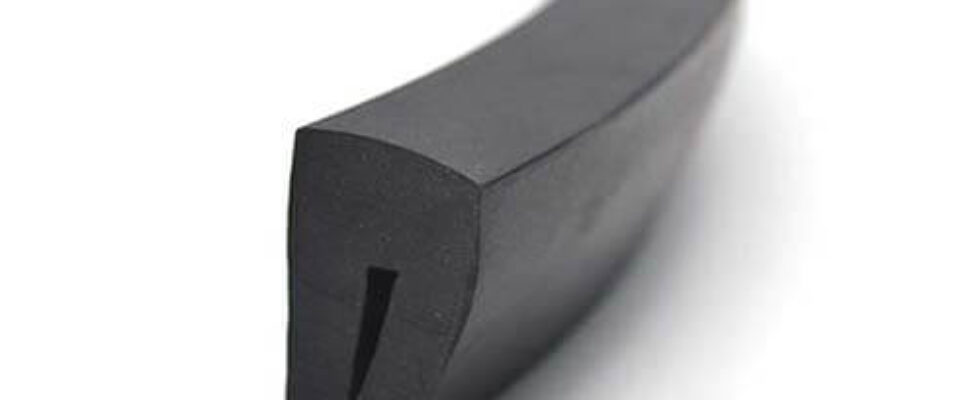
A u shaped rubber seal is an extruded profile that forms a “U” when viewed in cross-section. This simple geometry belies its wide-reaching utility. By straddling the edge of a panel, door, or window, this seal acts as a:
- Weatherstrip, keeping out water, air, and dust
- Edge protector, preventing chipping or injury from sharp surfaces
- Noise and vibration dampener, improving comfort and equipment life
- Decorative trim, creating a finished look
The u shaped rubber seal is engineered from a range of elastomer materials, each selected for unique operating environments. For example, EPDM is favored for UV and ozone resistance, while silicone excels in extreme temperature settings.
Why Choose a U Shaped Rubber Seal?
- Versatility: Fits a variety of edge thicknesses and geometries
- Ease of installation: Push-on, no fasteners required for most designs
- Customizable: Can be ordered with internal steel reinforcement, color coding, or adhesive backings
- Cost-effective: Significantly extends the service life of panels and doors
B: Preparation – The Foundation for Success
Even before you handle the first length of a u shaped rubber seal, planning and preparation set the stage for perfect results.
1. Measure Twice, Cut Once
Accurate measurement is the cornerstone of good sealing. Measure the thickness of the edge you wish to cover, as well as the total length required. Use a flexible tape for curves and a caliper for edge thickness if precision is critical.
Tip: Always allow for a small overlap at the corners or joints for a seamless look and added protection.
2. Choose the Right Profile and Material
Qingdao Seashore Industrial Co., Ltd. offers an array of u shaped rubber seal profiles and materials:
- Material: Select EPDM for outdoor/UV, neoprene for oil resistance, silicone for high/low temp, etc.
- Hardness: Softer rubber offers pliability for tight curves, while harder compounds can better resist compression set.
- Steel Reinforcement (“Grip seal”): For higher holding force, select seals with co-extruded metal spines.
If in doubt, consult with our engineering team for guidance.
3. Surface Preparation
Cleanliness is non-negotiable. The edge to receive the u shaped rubber seal must be free of dust, oils, rust, and debris for the best grip. Wipe down surfaces using an appropriate solvent (e.g., isopropanol for painted or polished metals) and allow to fully dry.
C: The Installation Process – Step by Step
A flawless install maximizes the seal’s utility and lifespan. Follow these steps for consistent, professional results.
1. Dry Fit First
Before removing any adhesive backing or trimming to length, test-fit the seal along the panel to identify:
- Tight radii or corners needing relief cuts
- Sections that require additional retention (e.g., fasteners)
- Visual alignment and length needs
2. Mark and Cut
Use a permanent marker to denote the final install position and required cut length. When possible, cut the u shaped rubber seal using a sharp utility knife or heavy-duty shears for a clean, square end.
Pro Tip: For high-precision or high-volume projects, use a mitre box or industrial guillotine for consistent angles.
3. Form and Seat the Seal
For straight edges, begin at one end and gently press the seal onto the edge, working along the length while applying even pressure. For corners and curves:
- Inside corners: Some seals require small “relief cuts” on the inside to prevent buckling.
- Outside corners: The rubber may need to be gently stretched or warmed (using a heat gun at low setting) for flexibility.
4. Address Joints and Splices
If a continuous seal isn’t possible (e.g., due to very long runs), butt joints can be created by abutting two cut ends. For superior water seal, consider a small bead of weatherproof adhesive at joints.
For mitred corners (e.g., at 90°, around a door), cut each end at 45° using a mitre box to ensure a tight join.
5. Secure the Seal (Optional)
While many u shaped rubber seals hold purely by friction or internal spine, harsh environments or heavy use may require extra retention:
- Adhesive backed: Peel the liner and firmly press the seal for instant stick.
- Liquid adhesives: Apply a bead of compatible adhesive inside the “U” prior to seating.
- Fasteners: Clips, screws, or rivets can be used at intervals for mechanically demanding uses (e.g., large vehicle doors).
6. Final Inspection
Once installed, check for:
- Even seating along the entire edge
- No visible gaps, bubbles, or twists
- Full engagement over the panel, particularly at corners
If adjustments are required, gently lift and reposition the seal.
D: Advanced Tips for Challenging Installations
Some projects present unique challenges, especially in marine or industrial settings. Here’s how to handle them:
Curved Surfaces
For tight curves (e.g., hatches, automotive windshields), select a u shaped rubber seal of lower durometer and, if needed, warm the rubber very slightly to improve pliability. Make small relief cuts on the inside of the curve for the most compact radii.
Extreme Temperatures
In cold environments, store seals indoors prior to installation to prevent stiffening. In hot settings, avoid stretching the seal during installation, as it will shrink on cooling.
Oily or Glossy Edges
Where surfaces are painted, powder coated, or oily, always use an adhesive system recommended for those materials. Confirm compatibility to avoid seal slippage or chemical damage.
Long Continuous Runs
For long seals (e.g., warehouse doors, ship hatches), support the seal at intervals during installation to avoid sag or twist. Use mild tension only to keep the application smooth; over-stretching during install will result in later shrinkage and gaps.
Retrofitting Old Seals
Remove all remnants of the old u shaped rubber seal, clean thoroughly, and inspect for corrosion or damage prior to new install.
E: Maintenance and Inspection
A well-installed u shaped rubber seal will last years, but regular checks and minor care increase longevity:
- Routine cleaning: Wipe with a mild detergent and water. Avoid solvents that might degrade the rubber.
- Inspect for wear: Look for flattening, cracking, or hardening—signs that replacement is required.
- Check for compression set: If the seal stays “flat” even after the door or window opens, it’s no longer sealing effectively.
- Re-adhesion: If the adhesive bond lets go, clean the area and reapply a suitable adhesive.
Prompt maintenance avoids energy loss, water damage, and unexpected failures.
F: Common Uses and Industry Examples
Let’s explore where the u shaped rubber seal truly shines:
Marine
- Deck hatches: Prevent water ingress and corrosion.
- Windows and portholes: Offer both sealing and vibration damping against rough seas.
- Bulkhead doors: Keep out weather while preventing metal-to-metal contact.
Automotive
- Door edges: Stop water and dust entry; protect from chips.
- Trunk and hood seals: Ensure weatherproof storage and reduce vibration.
- Sunroofs: Prevent wind noise and water leaks.
Construction
- Architectural glass: Provide weatherproof seals on handrails and façade panels.
- Metal buildings: Block air, water, and sound infiltration on doors.
- HVAC enclosures: Form tight barriers for energy efficiency.
Industrial
- Equipment housings: Protect internal electronics from dust and moisture.
- Machinery guards: Reduce vibration, noise, and accidental injury.
Railways, Aerospace, and More
- Used anywhere a reliable, long-lasting edge seal or trim is required.
Why Choose Qingdao Seashore Industrial Co., Ltd. for U Shaped Rubber Seals?
When it comes to sourcing a quality u shaped rubber seal, Qingdao Seashore Industrial Co., Ltd. sets itself apart:
- Customized profiles: Any size or hardness, with options for metal reinforcement, color, or special materials.
- Quality assurance: All products rigorously tested for compression, weather, and chemical resistance.
- Full support: Engineering assistance for the perfect specification and installation guidance.
- International reach: Fast delivery, global logistics, and compliance with ISO and other certifications.
- Proven solutions: Decades serving marine, industrial, automotive, and construction sectors with tailored extrusions.
Our products are designed to solve real-world challenges—efficiently and reliably.
Attaining a reliable, long-lasting, and beautiful fit with a u shaped rubber seal doesn’t have to be complicated—but it does require attention to detail, careful preparation, and a willingness to learn a few tricks from the professionals. Whether you are a shipyard installer, automotive technician, or construction contractor, investing in proper installation techniques makes all the difference in performance and longevity.
Frequently Asked Questions (FAQ)
Q1: How do I choose the correct size of u shaped rubber seal?
Measure the thickness of the edge you intend to cover using a caliper. Select a seal that matches this measurement; using a seal that is too loose or tight can lead to failure or difficult installation.
Q2: Can I cut the seals to length myself?
Yes! Use a sharp utility knife or shears for straight cuts. For high-volume work, a mitre box or cutting jig ensures consistent angles and quality.
Q3: Should I use an adhesive, or will the seal stay on by itself?
While many u shaped rubber seals remain securely in place due to compression and any steel inserts, adhesive can provide extra security—particularly in high-vibration or outdoor settings. Consult with Qingdao Seashore Industrial Co., Ltd. for recommendations.
Q4: How do I ensure watertight corners and joints?
Mitre the ends at a 45° angle for corners and join using a compatible adhesive or sealant. For butt joints in long runs, a thin bead of weatherproof adhesive suffices.
Q5: What is the typical lifespan of a u shaped rubber seal?
It depends on material, environment, and application—but with proper installation and care, EPDM or silicone seals can last 5-10 years or more.
Q6: Can u shaped rubber seals be installed outdoors?
Absolutely. Seals made from UV and ozone resistant compounds like EPDM are especially well-suited for prolonged exposure to sun, rain, and wind.
Q7: How can I remove an old seal without damaging the surface?
Use a plastic scraper and mild solvent. Clean all residue before installing the new seal.
Q8: Is there a temperature limit for installing or using these seals?
Each material has a range; for example, EPDM is reliable from -40°C to +120°C. For extreme environments, opt for silicone or consult us directly.
Q9: Can I order seals in custom colors or with my logo?
Yes. Qingdao Seashore Industrial Co., Ltd. can provide custom colors, co-extruded stripes for safety, or even embossed logos for branding.
Q10: Do you ship internationally?
Yes, we have a robust global logistics network and can fulfill orders to almost any country.