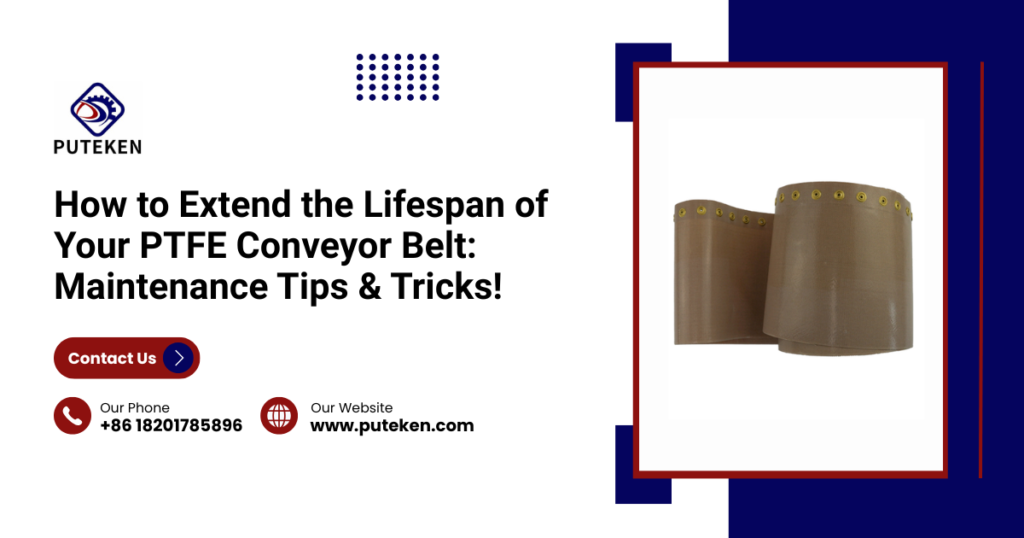
How to Extend the Lifespan of Your PTFE Conveyor Belt: Maintenance Tips & Tricks!
In today’s fast-paced industrial environments, conveyor belts play an essential role in ensuring efficient and reliable material handling. Among the various types available, the PTFE Conveyor Belt stands out for its impressive resistance to high temperatures, chemicals, and wear. This makes it the preferred choice in industries ranging from food processing to packaging, textile, electronics, and printing. However, like any industrial equipment, even a high-quality PTFE Conveyor Belt requires regular care to perform at its optimal level throughout its service life.
At Shanghai Puteken Transmission System Co., Ltd., we understand the significant investment that a PTFE Conveyor Belt represents. Therefore, maximizing its lifespan through deliberate and well-informed maintenance is not only a practical necessity but also a cost-saving measure for your operations. By employing proper maintenance techniques, you not only safeguard your investment but also reduce the risk of unplanned downtime, enhance workplace safety, and improve overall productivity.
Understanding the PTFE Conveyor Belt
What is PTFE?
PTFE, or polytetrafluoroethylene, is a synthetic fluoropolymer of tetrafluoroethylene. Known under the brand name Teflon™ (by Chemours), PTFE is renowned for its remarkable properties: non-stick surface, chemical inertness, heat resistance, and low friction. The PTFE Conveyor Belt utilizes these characteristics by featuring a PTFE-coated fiberglass or Kevlar mesh, which delivers excellent performance in challenging conditions.
Key Advantages of PTFE Conveyor Belts
- Heat Resistance: Ideal for baking, drying, or curing applications; these belts can withstand temperatures up to 260°C (500°F).
- Non-stick Surface: Prevents material build-up, reducing cleaning frequency and risk of contamination.
- Chemical Inertness: Withstands exposure to acids, bases, and solvents, making it suitable for harsh processing environments.
- Durability: Resistant to wear, moisture, and microbe growth, thus extending its effective life.
- Flexibility: Available in a range of configurations including open mesh and solid styles to meet various application requirements.
Common Applications
The PTFE Conveyor Belt is widely used across industries such as:
- Food drying and baking lines
- Textile printing and drying
- UV curing processes
- Packaging machinery
- Electronics assembly lines
Common Causes of PTFE Conveyor Belt Wear and Failure
While PTFE conveyor belts are designed to last, several factors can reduce their useful lifespan. Being proactive in identifying these factors is the first step to effective maintenance. Here are the main culprits:
1. Mechanical Damage
- Edge fraying or tearing caused by misaligned rollers or sharp conveyor guides.
- Abrasion from continuous contact with rough materials.
2. Thermal Shock
- Rapid, extreme temperature changes that stress the belt fibers and PTFE coating.
3. Chemical Exposure
- Unanticipated chemical attacks from process byproducts or cleaning agents beyond PTFE’s resistance range.
4. Improper Tensioning
- Either too tight (resulting in excessive strain on the belt) or too loose (causing slippage and uneven tracking).
5. Lack of Cleaning
- Product residues can carbonize or cause adhesion, increasing friction and leading to premature wear.
6. Contaminant Build-Up
- Dust, grease, or product build-up can create tracking issues, leading to side movement and edge damage.
Essential Maintenance Tips to Maximize PTFE Conveyor Belt Lifespan
Proper maintenance is a blend of routine inspections, timely cleaning, and immediate corrective actions. By following these maintenance tips and tricks, you can substantially extend the working life and maintain the performance of your PTFE Conveyor Belt.
1. Perform Regular Inspections
Schedule thorough inspections at set intervals depending on your production intensity. Look for:
- Cuts, tears, or edge fraying
- Signs of delamination or bubbling of the PTFE layer
- Misalignment or tracking issues
- Uneven surface wear
- Debris build-up on the belt or pulleys
Use a checklist specific to PTFE conveyor belts, and assign responsible staff for documentation and follow-up actions.
Pro Tip: Log each inspection to track patterns of wear and preempt repeated damage.
2. Maintain Proper Belt Tension
Proper belt tension is critical to efficient operation and longevity. Both overtension and undertension accelerate wear.
- For New Belts: Re-tension after 8-12 hours of running, as the belt may stretch during initial operation.
- Measure Tension: Use a tension gauge or manufacturer-specified deflection test to achieve the right tension.
- Avoid Overtightening: Excessive tension can cause fiber stretching and PTFE surface cracking.
- Check Springs and Adjusters: Ensure that the tensioning mechanism operates smoothly and is free from corrosion.
3. Ensure Precise Tracking
A PTFE Conveyor Belt must track accurately over rollers and pulleys to prevent edge damage and uneven wear.
- Install Adjustable Tracking Guides: These help in fine-tuning and correcting belt misalignment.
- Monitor Side Movement: Excessive lateral movement can fray edges and cause tracking loss.
- Train Staff on how to adjust tracking as part of routine checks.
4. Clean Regularly—But Gently
Although PTFE’s non-stick surface minimizes build-up, some debris or sticky residues may occur.
- Use Soft Brushes or Cloths: Avoid metal scrapers or abrasive pads.
- Choose Suitable Cleaning Agents: Use mild detergents or isopropyl alcohol solutions compatible with PTFE.
- Remove Debris Promptly: Especially after sticky product runs or during scheduled shutdowns.
Warning: Some chemicals—even common cleaning agents—may degrade the PTFE layer. Always check your belt supplier’s recommendations.
5. Control Environmental Factors
Minimize environmental contributors that can shorten belt lifespan.
- Temperature Fluctuations: Avoid rapid thermal cycling; provide consistent heat in processing areas.
- Humidity Control: Excessive moisture can affect fiberglass or Kevlar reinforcement within the belt.
- Protect from Direct UV Exposure: Unless rated for UV, prolonged exposure can degrade PTFE over time.
6. Monitor for Chemical Compatibility
Even though PTFE is chemically resistant, ancillary materials in the belt (reinforcements, seams) may not be.
- Check Before Using Chemicals: Consult with Shanghai Puteken Transmission System Co., Ltd. for compatibility.
- Rinse After Cleaning: Remove all cleaning agent residues before resuming operations.
7. Replace Worn or Damaged Parts Promptly
- Don’t Delay: Small tears or worn edges can rapidly escalate into major failures.
- Spare Belts: Keep one or two spare PTFE conveyor belts on hand for critical production lines.
8. Consult Manufacturer Guidelines
Always refer to Shanghai Puteken Transmission System Co., Ltd. maintenance recommendations for your specific PTFE Conveyor Belt model. Manufacturer-specific guidance will address:
- Optimal tension
- Belt speed limits
- Suitable cleaning methods
- Recommended spare part numbers
Best Practices: Tips from Industry Experts
In addition to standard maintenance routines, industry experts suggest these advanced tips for maximizing PTFE Conveyor Belt performance:
- Install Belt Skirts or Edge Protectors: Prevents material from falling under the belt and causing surface or edge damage.
- Upgrade to Reinforced Belts: For highly abrasive or high-load applications, use belts with Kevlar or other reinforcement.
- Automate Monitoring: Some lines use sensors or IoT devices to track belt temperature, tension, and speed in real-time—alerting maintenance staff before failures occur.
- Educate Operators: Train your staff regularly on the do’s and don’ts of PTFE conveyor belt operation.
Shanghai Puteken Transmission System Co., Ltd.: Your Trusted PTFE Conveyor Belt Partner
At Shanghai Puteken Transmission System Co., Ltd., we have helped hundreds of businesses integrate and maintain PTFE Conveyor Belts in their workflows for over a decade. Our expertise in material selection, custom design, and after-sales support means you can always count on reliable, cost-effective, and long-lasting conveyor solutions.
We don’t just supply conveyor belts—we help you get the most out of them. Our team provides:
- Installation and tracking support
- Emergency replacement services
- Tailored maintenance schedules
- Training for your maintenance and production staff
If you are ready to get the best performance and longest lifespan out of your PTFE Conveyor Belt, connect with us today for expert guidance and industry-leading products.
A properly maintained PTFE Conveyor Belt will repay your investment with many years of reliable, efficient performance. By adopting a disciplined maintenance routine, monitoring for common issues, and applying the expert tips outlined above, you’ll reduce downtime, achieve superior product quality, and lower your total cost of ownership.
Frequently Asked Questions (FAQ)
1. How often should I inspect my PTFE Conveyor Belt?
It is best to conduct a visual inspection at least once a week for moderate-use belts. For high-speed or high-temperature applications, inspect daily. Always increase inspection frequency after product changes or maintenance activities.
2. What is the average lifespan of a PTFE Conveyor Belt?
With proper care and maintenance, a PTFE Conveyor Belt from Shanghai Puteken Transmission System Co., Ltd. can last anywhere from 1 to 5 years, depending on the application and intensity of use.
3. Can I repair a small tear in my PTFE conveyor belt?
Small surface scratches may not require immediate action, but tears and edge fraying can rapidly worsen. Some minor repairs can be made using PTFE adhesive patches, but we recommend consulting the manufacturer for best practices.
4. Are PTFE conveyor belts safe for food contact?
Yes, PTFE conveyor belts are widely used in food processing thanks to their non-stick surface and chemical inertia. Always use belts certified for food-grade use, supplied by reputable manufacturers like Shanghai Puteken Transmission System Co., Ltd.
5. How do I clean my PTFE Conveyor Belt after heavy product build-up?
Remove as much debris as possible using soft-bristled brushes or a damp, lint-free cloth. For persistent deposits, use a mild cleaning agent recommended by your belt supplier, rinse thoroughly, and allow the belt to dry completely before resuming operation.
6. Why does my PTFE conveyor belt keep running off-track?
Off-tracking can result from misaligned pulleys, uneven loading, or worn belt edges. Inspect and align all rollers, verify even belt loading, and consider adding tracking guides or edge sensors.
7. Can I use any cleaning chemical on PTFE conveyor belts?
No. Although PTFE is highly resistant to many chemicals, some cleaning agents may damage supporting materials or the PTFE coating itself. Always use belt-supplier-approved cleaning products.
8. What should I do if my PTFE conveyor belt is slipping?
Check for proper belt tension, ensure pulleys and rollers are clean and undamaged, and verify the belt is not excessively worn or stretched. Adjust tension as recommended by the manufacturer, and replace the belt if slippage continues.