
Power Transmission Belt: The Backbone of Industrial Efficiency!
When it comes to the smooth functioning of modern industry, few components are as vital—or as overlooked—as the Power Transmission Belt. Hidden inside machines but working tirelessly around the clock, these belts bridge the gap between motors and driven equipment, driving productivity and powering the processes that keep the world’s goods moving. At Shanghai Puteken Transmission System Co., Ltd., we understand the crucial role that the right power transmission solution plays in ensuring industrial operations run seamlessly, efficiently, and profitably.
In a world where every second of downtime can affect the bottom line, the reliability and performance of a power transmission belt can be the deciding factor between operational excellence and costly interruptions. Over decades, industries have undergone significant advancements in automation, material handling, and manufacturing. Through all these transformations, one thing remains constant—the need for effective, robust, and adaptable means of transmitting power.

The Core Role of the Power Transmission Belt
To appreciate the importance of the power transmission belt, it is vital to understand its primary job—transferring mechanical power from one point to another. In its simplest form, a power transmission belt connects the driver, usually a motor or engine, to one or more driven components such as conveyor rollers, pumps, fans, or compressors.
This transfer isn’t as straightforward as it sounds. The process must account for speed differentials, tension requirements, shock absorption, and, in many cases, the ability to handle varying environmental factors. A well-chosen belt ensures smooth power delivery, reduces noise and vibration, and absorbs operational shocks, all while maintaining longevity and reliability.
How Does a Power Transmission Belt Work?
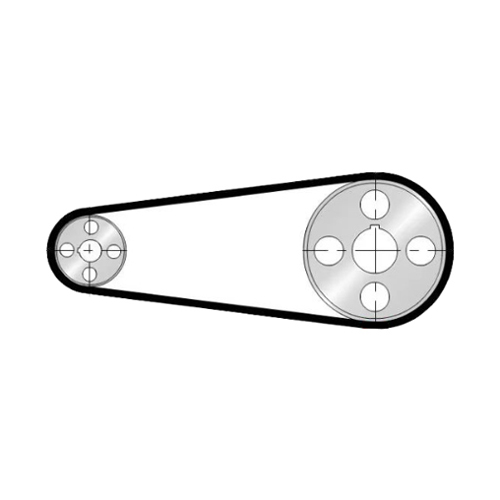
At its core, the working principle of a power transmission belt is based on friction and tension. The belt fits tightly over pulleys, enabling efficient energy transfer. As the driver pulley (connected to the energy source) turns, friction causes the belt to rotate the driven pulley. This setup offers several advantages:
- Quiet operation compared to gear drives
- Simplified maintenance and lower cost
- Shock absorption and vibration reduction
- Versatility in accommodating changes in direction and distance
Additionally, the power transmission belt is designed to slip in the event of overload, protecting the rest of the machinery from severe damage.
Types of Power Transmission Belts and Their Applications
Not all power transmission belts are created equal. Different applications require different approaches to belt materials, profiles, and construction. At Shanghai Puteken Transmission System Co., Ltd., we offer a wide selection to match each industry’s special requirements:
Also Read: What Is Transmission Belt? Discover Types and Materials
1. V-Belts
The most common type, V-belts feature a trapezoidal cross-section that ensures efficient grip and power transfer. They are suitable for high-speed and moderate-load applications, such as HVAC systems and agricultural equipment.
2. Timing Belts
Timing belts, also known as synchronous belts, feature teeth that mesh with corresponding grooves on pulleys. This design prevents slippage and ensures precise timing, making them the top choice for automotive engines, packaging machines, and robotics.
3. Flat Belts
Flat belts are ideal for high-speed and low-torque applications, offering flexibility and a high coefficient of friction. They are commonly found in textile mills and paper processing plants.
4. Poly V-Belts (Multi-Ribbed Belts)
Offering a blend of flexibility and high power transmission capacity, Poly V-belts have multiple longitudinal ribs for increased surface contact with pulleys, making them perfect for compact drives in light automotive and industrial processes.
5. Round Belts
Used for light-duty conveyors or small appliance drives, round belts (also called O-ring belts) excel in applications that demand flexibility and small pulley diameters.
6. Specialty Belts
Shanghai Puteken Transmission System Co., Ltd. can also manufacture specialty belts using materials like polyurethane, rubber composites, or PTFE for demanding custom applications, such as in food processing, high-temperature workspaces, or environments with aggressive chemicals.
How Power Transmission Belts Enhance Industrial Efficiency
Industrial efficiency relies on quick, consistent, and cost-effective operations. Power Transmission Belts contribute in several ways:
Also Read: Power Transmission Belt Maintenance: Tips for Maximum Longevity!
1. Reduction of Downtime
High-quality belts, like those supplied by Shanghai Puteken, are built to last. They withstand continuous running, resist wear and tear, and reduce the frequency of belt replacements. This directly translates to fewer stoppages and lower maintenance costs.
2. Energy Savings
Modern belts minimize energy loss through optimized friction and enhanced materials. Lower energy consumption means reduced operational costs—an essential factor for environmentally conscious businesses.
3. Precise Control
Especially with timing belts, you get exact speed and position control. This is crucial for synchronized machinery, ensuring that every automated process works as intended and product quality remains high.
4. Adaptability
Power transmission belts are remarkably versatile. They can be used to transmit power over varied distances, around corners, or even to multiple shafts simultaneously, giving engineers the flexibility to design space-efficient layouts.
5. Safety Features
Belts will often slip rather than snap when overloaded, helping prevent catastrophic machinery failures. Their smooth operation also reduces noise pollution and the risk of sudden mechanical failure.
Innovations in Power Transmission Belt Technology
The last decade has seen major advancements in belt materials and manufacturing processes. Here are a few of the latest innovations:
Enhanced Polyurethane Belts
Polyurethane power transmission belt has rapidly gained popularity for their superior chemical resistance, abrasion resistance, and ability to handle tricky environments that would degrade standard rubber belts. They also allow for precise profiling and custom lengths.
High-Strength Cords
Modern belts are often reinforced with aramid, fiberglass, or steel cords. This dramatically increases load capacity and suppresses stretch, ensuring belts keep their form under even extreme loads.
Anti-Static and Food-Grade Options
To meet safety and regulatory requirements, manufacturers now produce belts that dissipate static electricity and resist microbial growth—critical for electronics assembly lines and food processing plants.
Modular and Link Belt Design
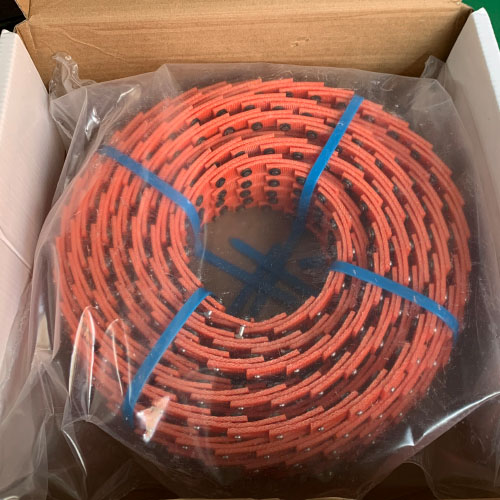
Link V belts and modular belts offer end users the flexibility to adjust belt length on site, reducing spare inventory and boosting uptime.
Also Read: The Future of Power Transmission: Innovations in Link V Belt Technology!
Smart Belts
Emerging technologies are incorporating sensors and RFID tags into belts. These ‘smart’ belts deliver real-time data on performance and predictive maintenance needs, revolutionizing industrial asset management.
Choosing the Right Power Transmission Belt for Your Application
With so many options available, selecting the right power transmission belt is essential to maximize efficiency, reliability, and service life. Consider the following factors:
1. Load and Speed Requirements
Heavy machinery demands belts engineered for high loads, while high-speed applications require belts with minimal stretch and slippage.
2. Environmental Conditions
Exposure to temperature extremes, moisture, oils, or abrasive chemicals influences material choice. Polyurethane belts perform better in aggressive environments, whereas rubber belts may suffice in milder settings.
3. Pulley Design
The width, diameter, and material composition of pulleys impact belt compatibility. Ensure pulleys align with the selected belt profile.
4. Space Constraints
For confined spaces, multi-ribbed or flat belts may offer better performance due to their thinner profiles.
5. Regulatory and Safety Standards
Applications in food processing, pharmaceuticals, or electronics require belts certified for hygiene or anti-static properties.
Working closely with experts at Shanghai Puteken Transmission System Co., Ltd. can help you specify the perfect belt for your needs, saving time and resources.
Shanghai Puteken Transmission System Co., Ltd.: Your Partner in Reliable Power Transmission
At Shanghai Puteken Transmission System Co., Ltd., we don’t just manufacture belts—we deliver total power transmission solutions. With a commitment to innovation and a dedication to quality, our products support countless industries around the world with unrivaled performance and dependability.

What Sets Us Apart?
- Comprehensive Product Range: From standard V-belts to advanced polyurethane timing belts and custom-designed solutions.
- Technical Expertise: Our engineering team offers consultations, installation guidance, and after-sales support to ensure optimal performance.
- Quality Control: Every belt undergoes rigorous testing to meet global standards and exceed customer expectations.
- Customization: Whether you need a non-standard profile, special reinforcement, or compliance with industry-specific regulations, we can deliver a tailored solution.
Maintenance Best Practices for Power Transmission Belts
Proactive maintenance is the key to maximizing your belt investment and minimizing disruption. Follow these best practices:
1. Regular Inspections:
Look for wear, cracks, or misalignment. Early detection of issues can prevent unexpected failures.
2. Proper Tensioning:
Incorrect tension is a common cause of belt failure. Use a tension meter and follow manufacturer guidelines.
3. Alignment Checks:
Ensure pulleys are aligned to avoid sidewear and premature belt degradation.
4. Cleanliness:
Keep belts and pulleys free from debris, oil, or chemicals that might shorten lifespan.
5. Use Approved Spare Parts:
Always choose genuine replacement belts and approved accessories to guarantee compatibility and safety.
The Power Transmission Belt is truly the backbone of industrial efficiency, silently supporting the world’s most demanding applications day after day. Its ability to transfer power reliably, minimize downtime, and adapt to a broad range of environments makes it an essential component in every industrial operation.
Frequently Asked Questions (FAQ)
Q1: What is a Power Transmission Belt, and why is it so important?
A Power Transmission Belt is a flexible loop that connects rotating shafts and transfers mechanical power. It is critical for synchronizing machinery, reducing noise, absorbing shocks, and contributing greatly to the efficiency and reliability of industrial equipment.
Q2: What are the common types of Power Transmission Belt?
The most common types include V-belts, timing belts, flat belts, poly V-belts, and specialty belts like polyurethane or anti-static belts.
Q3: How do I select the most suitable Power Transmission Belt?
Consider factors such as load, speed, environmental conditions, pulleys, space limitations, and any industry-specific safety requirements. Shanghai Puteken Transmission System Co., Ltd. offers expert consultation to ensure optimal selection.
Q4: What advantages do polyurethane Power Transmission Belts offer?
Polyurethane belts offer outstanding chemical resistance, durability, flexibility, and customizability, making them ideal for demanding or specialized environments.
Q5: How often should Power Transmission Belts be replaced?
Replacement frequency depends on usage conditions, but proactive inspection and maintenance can extend belt life. Consult with Shanghai Puteken Transmission System Co., Ltd. for guidance on your specific application.
Q6: Can Power Transmission Belts be repaired?
In some cases, modular or link belts can be adjusted or repaired on-site. However, for most traditional belts, timely replacement is the safest and most effective option.
Q7: Are your belts suitable for food processing or cleanroom environments?
Yes. We supply belts made from food-grade materials and those that meet stringent hygiene and anti-static standards. Please specify your industry requirements during consultation.
Q8: How can I maximize the life of my Power Transmission Belt?
Proper installation, regular tension and alignment checks, routine inspection, and using recommended cleaning agents are the keys to maximizing belt lifespan.