
Modular Contactor Explained: The Key to Safe and Efficient Electrical Control!
In today’s rapidly advancing industrial and domestic electrical landscape, safety, efficiency, and reliability are non-negotiable. Whether you’re involved in the installation, maintenance, or operation of electrical systems, the right choice of components can make all the difference. Among these crucial components, the modular contactor stands as a silent guardian, ensuring seamless control and protection within countless applications.
What is a Modular Contactor?
Simply put, a modular contactor is an electrically controlled switch designed for remote switching of electrical circuits, particularly where frequent switching is necessary. Unlike conventional manual switches, modular contactors operate electromagnetically, allowing automated and remote control in complex systems. Their modular design means they fit seamlessly into standard DIN rail-mounted distribution boards, offering adaptability and scalability for different application sizes.
Moreover, modular contactors come in various current ratings and configurations, making them suitable for managing lighting, heating, motor loads, and even emerging new energy solutions such as solar PV and battery systems. The modular contactor’s compact size, versatility, and safety features have accelerated its adoption across industries and homes alike.
Why Modular Contactors Are Essential
Transitioning to more sustainable and smart energy infrastructures requires sophisticated control and protection devices. Modular contactor answer this need, efficiently managing power distribution, load switching, and circuit isolation with minimal manual intervention. This reduces not only the risk of human error but also the operational costs associated with energy management.
Additionally, as demands for energy efficiency and smart automation grow, modular contactors have evolved to support auxiliary functions such as remote monitoring, integration with IoT (Internet of Things) devices, and compatibility with intelligent building management systems. By acting as a customizable interface between high-voltage power and delicate control systems, they ensure that safety remains uncompromised without sacrificing performance.
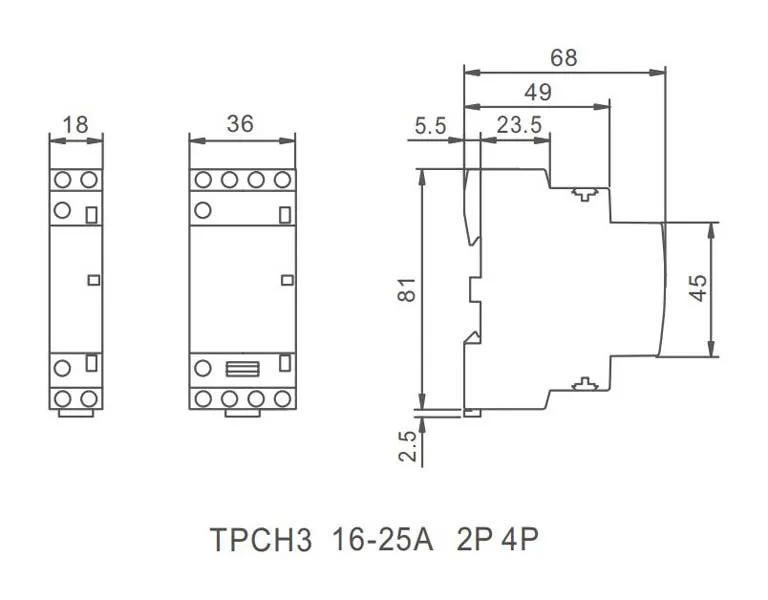
The Modular Contactor: Inside the Mechanism
The engineering behind a modular contactor demonstrates how modern electrical components can balance simplicity, reliability, and functionality. Each device contains an electromagnet coil, a set of fixed and moving contacts, and an enclosure that provides insulation and protection. When an electrical impulse energizes the coil, a magnetic field pulls the moving contacts into connection with the fixed contacts, completing the circuit and allowing current to flow. Once the impulse ceases, the contacts revert to their original position, breaking the circuit.
Furthermore, modular contactors can be equipped with auxiliary contacts or add-ons for advanced control features such as status indication, timed delay, or overload protection. Their modular nature means you can easily upgrade, expand, or maintain the system without extensive rewiring or downtime.
Applications of Modular Contactors
From powering industrial equipment to orchestrating complex home automation scenarios, modular contactors provide a safe and efficient method for controlling electrical loads. In commercial settings, they are essential for lighting automation, HVAC control, and managing heavy-duty motors or compressors. In residential buildings, they facilitate remotely controlled lighting, heating, and load shedding, especially in line with energy-saving programs.
Notably, the rise of renewable energy and distributed energy resources has further underlined the importance of modular contactors. Solar power installations, battery storage systems, and electric vehicle charging infrastructure all rely on modular contactors for safe isolation, automatic switching, and load management. This integration is pivotal for bridging the gap between legacy electrical infrastructure and modern digital solutions.
Advantages of Modular Contactors in Modern Electrical Installations
The use of a modular contactor brings numerous benefits, including:
- Safety: Reliable isolation and quick disconnection reduce fire hazards and prevent electrical accidents.
- Efficiency: Enables automated operation and time-based switching for energy savings.
- Flexibility: Easily integrates with expansion modules and other DIN-rail devices.
- Scalability: Adapts to systems of varying sizes, from single circuits to whole buildings.
- Longevity: Durable construction resists wear, even under frequent switching conditions.
- Compatibility: Works with smart controls and IoT devices for future-proof installations.
At Wenzhou Typle New Energy Technology Co., Ltd., our modular contactors meet stringent international standards, ensuring dependability and peace of mind for every project.

The Science of Switching: How Modular Contactors Work
A well-designed electrical system isn’t just about providing power; it’s about controlling it so that it’s available when needed, safely distributed, and protected against faults. The modular contactor is the linchpin in this chain of command, serving as both a gatekeeper and an enabler. Let’s explore how a modular contactor operates at the heart of an electrical management system.
Core Components and Operation
1. Coil:
The coil is the control input, energized by an external voltage (AC or DC depending on the model). When the coil receives power, it creates a magnetic field, which draws the moving armature towards the fixed contacts.
2. Contacts:
These are the primary switching elements. Modular contactors will typically have main contacts (for the load circuit) and may have auxiliary contacts (for signaling or secondary control actions).
3. Enclosure:
The housing provides electrical insulation and mechanical protection. The modular form factor allows multiple devices to snap into standard distribution boards.
4. Spring Mechanism:
A return spring ensures that when the coil is de-energized, the contacts return to their open (or rest) position, breaking the circuit and ceasing the power flow.
This simple yet effective design allows for control from remote switches, timers, sensors, building management systems, or smart home controllers.
Modular vs. Traditional Contactors
Modular contactors differ fundamentally from their traditional, bulkier counterparts. Traditional contactors are usually tailored for heavy-duty industrial applications, often requiring more space and specific mounting arrangements. In contrast, modular contactors are designed to be compact, fit seamlessly on DIN rails, and integrate with multiple other modular devices such as circuit breakers, relays, and surge protectors.
This modularity not only simplifies installation but enhances safety by ensuring that each component in your control system conforms to uniform specifications and safety standards.
Practical Scenarios: Where Modular Contactors Make a Difference
To fully appreciate the utility of a modular contactor, let’s review some real-world applications across residential, commercial, and industrial installations:
1. Smart Home Automation
Imagine a home where lighting, heating, and even the irrigation system are managed automatically according to occupancy, time of day, or energy prices. Modular contactors make this a reality by providing remote control of circuits via smart switches, sensors, or integrated building management systems.
2. Commercial Lighting and HVAC Control
In offices, hotels, and shopping centres, lighting loads and HVAC systems are substantial. Modular contactors enable scheduled or sensor-based switching, reducing energy waste and prolonging equipment life. Emergency lighting and ventilators can be safely managed, too, further boosting safety.
3. Industrial Equipment Management
Heavy machinery, conveyor belts, and pumps often require frequent on/off cycles. Modular contactors provide reliable operation under high-load conditions and allow for manual or automated emergency shut-off during faults or maintenance.
4. Renewable Energy Integration
Solar inverters, battery storage units, and electric vehicle chargers all benefit from the safe and efficient load control enabled by a modular contactor. Switchovers between grid and backup sources, automated load management, and remote isolation become seamless, fueling the shift to green energy.
5. Energy Management Systems
Power demand varies throughout the day and across application areas. Modular contactors, paired with energy meters and control software, allow for dynamic load shedding or prioritization, keeping systems online and energy costs down.

Choosing the Right Modular Contactor: What Matters?
When selecting a modular contactor for your project, several key factors should be considered:
- Current Rating:
Choose a contactor with a current rating suitable for your maximum load. - Number of Poles:
Two-, three-, or four-pole configurations are available depending on the application. - Control Voltage:
Ensure compatibility with your control circuit (e.g. 230V AC, 24V DC, etc.). - Auxiliary Contacts:
These allow for additional functions such as signaling, interlocking, or remote indication. - Certification & Standards:
Look for products meeting international safety standards such as CE, CB, or IEC. Wenzhou Typle’s modular contactors conform to rigorous global requirements. - Size and Mounting:
The modular contactor should fit within your existing distribution box and be easily mountable on standard DIN rails. - Brand and Warranty:
Quality matters. Choosing a reputable manufacturer like Wenzhou Typle New Energy Technology Co., Ltd. ensures long-term reliability and support.
Powering the Future with Confidence
As electrical systems leap forward in complexity and capability, the need for secure, efficient, and flexible control devices like the modular contactor is clearer than ever. No longer just a switch, the modern modular contactor becomes a cornerstone of smart, sustainable, and resilient infrastructure. Whether you’re designing tomorrow’s homes, commercial buildings, or green energy facilities, Wenzhou Typle New Energy Technology Co., Ltd. stands ready to equip you for the challenges and opportunities ahead.
Frequently Asked Questions (FAQ) about Modular Contactors
Q1: What is the main purpose of a modular contactor?
A modular contactor serves as an automated or remotely operated switch, allowing safe and efficient control of electrical loads such as lighting, heating, or motors. It provides system isolation, load management, and the capability to integrate with smart control systems.
Q2: Where are modular contactors commonly used?
Modular contactors are used in residential, commercial, and industrial settings. Applications include home automation, lighting control, HVAC management, renewable energy systems, and industrial equipment control.
Q3: What are the benefits of using a modular contactor over a manual switch?
Modular contactors enable remote and automated control, reduce human error, increase safety, support energy-saving programs, and can easily be integrated with centralized control systems.
Q4: How do I choose the right modular contactor for my needs?
Consider your system’s current and voltage requirements, number of poles, DIN rail compatibility, auxiliary features, and certifications for safety.
Q5: Can modular contactors be used with smart home devices?
Absolutely. Many modular contactors can interface with smart home platforms via relays, IoT controllers, or building management systems.
Q6: What maintenance do modular contactors require?
Routine inspection is recommended, particularly checking for signs of overheating, dust accumulation, or contact wear. However, modular contactors are designed for longevity and frequent operation with minimal service needs.
Q7: Are modular contactors safe?
Yes. When installed and operated according to manufacturer guidelines (like those from Wenzhou Typle), modular contactors provide excellent safety, electrical isolation, and protection against overloads.
Q8: Can modular contactors handle inductive loads like motors?
Yes, as long as the contactor is appropriately rated for the inductive load’s starting and running currents.
Q9: What is the lifespan of a modular contactor?
Quality modular contactors are engineered for tens of thousands to hundreds of thousands of switching cycles, ensuring years of dependable service.
Q10: Why choose Wenzhou Typle New Energy Technology Co., Ltd. for modular contactors?
We deliver leading-edge electrical products backed by innovation, safety, and rigorous testing. Our modular contactors reflect our commitment to quality, future-ready solutions, and customer support.