
Lacquer Kitchen Cabinet Ideas for a Sleek, Modern Makeover!
Kitchen cabinets have a major influence on a room’s style, storage, and everyday convenience. A Lacquer Kitchen Cabinet design can suit a modern makeover because lacquer finishes are available in a range of colors and sheens, from reflective gloss to understated matte. Used thoughtfully, they can help create a kitchen that feels polished, coordinated, and personal.
However, the finish is only one part of the decision. The cabinet’s underlying material, construction, hardware, layout, lighting, and care requirements also matter. In addition, lacquer products can differ between manufacturers, so it is important to check what a particular cabinet includes rather than judging it by appearance alone.
What Is a Lacquer Kitchen Cabinet?
“Lacquer” describes a finish applied to a cabinet surface; it does not necessarily describe the material inside the cabinet door or box. Depending on the product, lacquer may be applied to an engineered panel, wood, or another suitable substrate. The exact materials and application process can vary, so ask the lacquer kitchen cabinet manufacturer to specify what is used for the doors, cabinet boxes, edges, and visible panels.
Lacquer finishes are available in different sheens. A high-gloss surface reflects more light, while satin or matte options have a softer appearance. Color choices may range from white and cream to bold tones and deep neutrals. Some products may also offer textured effects, so check physical samples and product details when exploring the options.
The look and care requirements depend on the full finish system, not only the word “lacquer.” Therefore, ask which surface you are considering, how it is made, and what cleaning instructions apply. A sample can help you assess the color and feel, but the manufacturer can provide details about the specific product and its recommended use.
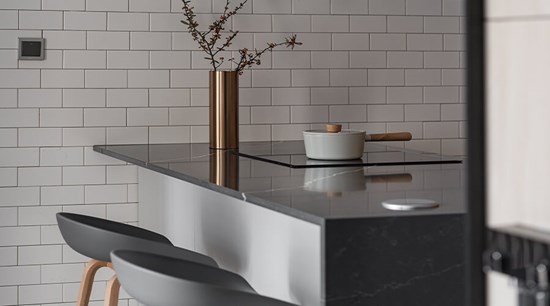
Why Consider Lacquer for a Modern Kitchen?
A lacquer finish can create a smooth, cohesive appearance that works well with simple cabinet profiles and clean-lined interiors. It can also provide flexibility when choosing a color scheme. For example, one kitchen might use light, low-contrast cabinetry for a calm look, while another uses a saturated color as a focal point.
The variety of sheens offers another design choice. Gloss can add reflection, whereas matte finishes can keep the look more subdued. In either case, the result depends on the room’s lighting and the materials around the cabinets. A glossy surface may reflect windows, lights, and nearby colors; therefore, consider what it will reflect before committing to a large area.
Lacquer should not be treated as a universal solution or as a guarantee of performance. Surface durability and maintenance depend on the product, construction, installation, and use. Compare specifications, review care guidance, and consider the daily demands of your household before selecting a finish.
Lacquer Kitchen Cabinet Ideas for a Modern Makeover
1. Choose crisp white for a bright, simple look
White lacquer cabinetry can create a clean backdrop for countertops, flooring, and decorative details. A gloss finish reflects light, while a matte or satin option gives the cabinets a quieter appearance. Either can work in a contemporary kitchen, depending on the atmosphere you want.
To keep an all-white scheme from feeling flat, vary the materials around it. For instance, warm wood accents, textured tile, or a contrasting countertop can add depth. Alternatively, use different shades of white or cream in the cabinets and walls to create subtle distinction.
2. Use a bold color as a focal point
Deep blue, forest green, burgundy, or another strong tone can give a kitchen character. Rather than applying a bold shade everywhere, consider using it on an island, pantry wall, or lower cabinets. This approach can provide visual interest while allowing the rest of the room to remain relatively restrained.
Before choosing a strong color, review a sample in the actual kitchen. Natural and artificial lighting can change how a color appears throughout the day. In addition, look at the sample beside the countertop, backsplash, and flooring to check whether the undertones work together.
3. Try warm neutrals for a softer modern style
A modern kitchen does not need to be stark or high-contrast. Warm gray, taupe, beige, or soft cream can create a more relaxed atmosphere while retaining a simple, contemporary look. These shades can coordinate with wood, stone, metal, and many types of flooring.
For a balanced result, choose finishes with compatible undertones. A cool gray beside a warm beige, for example, may look less harmonious than expected. Thus, compare samples side by side instead of relying on separate product images.
4. Combine two finishes
Two-tone cabinetry can add contrast without introducing too many visual elements. One common approach is to use a lighter finish on upper cabinets and a deeper shade below. Another is to give the island a distinct color while keeping the perimeter cabinets more neutral.
To make the combination feel intentional, repeat one of the colors elsewhere in the room. Hardware, stools, shelving, or a small accessory can tie the palette together. Also consider the amount of each finish in view: a strong contrast can feel striking, but a smaller room may benefit from a more limited color range.
5. Make the island the center of attention
An island provides an opportunity to use a different color, sheen, or material. For example, a dark lacquer island can contrast with light perimeter cabinets, or a muted color can add interest to an otherwise neutral kitchen.
Think about how the island will be used before choosing its design. It may need space for seating, food preparation, drawers, or storage for cookware. Check circulation around it as well, since cabinet doors, appliances, and seating can affect how comfortably people move through the room.
6. Pair lacquer with natural-looking materials
Lacquer can be combined with wood accents, stone surfaces, tile, or metal details to create contrast in texture. A smooth cabinet finish may balance a visually patterned countertop, while a wood accent can add warmth to a sleek palette.
However, using many competing materials may make the design feel crowded. Choose a small group of finishes and decide which one will be the main feature. Then use the others to support it. For instance, if the cabinets have a strong color, simpler countertops and hardware may help maintain visual balance.
7. Use simple doors and carefully chosen hardware
Flat-front or minimally detailed cabinet doors can emphasize the color and sheen of a lacquer finish. Hardware can then provide a subtle accent or a contrasting detail. Slim pulls, small knobs, and handleless systems each create a different appearance.
Function should guide the hardware choice, too. Consider how comfortable handles are to grip and how easy they will be to clean. If you are considering a handleless design, ask how the opening system works and what clearances it needs. Confirm whether the selected hardware is included in the cabinet quote.
8. Consider a glossy finish in a compact kitchen
A high-gloss Lacquer Kitchen Cabinet finish can reflect light and surrounding details, which may help a compact room feel brighter. Still, reflective surfaces do not physically increase the room’s size, and their visual effect depends on the layout, lighting, and surrounding colors.
To use gloss effectively, avoid placing it where it creates distracting reflections from strong light sources. A sample can help you see how it responds to the kitchen’s windows and lighting. If a full glossy scheme feels too reflective, consider limiting gloss to a smaller area or comparing it with a matte option.
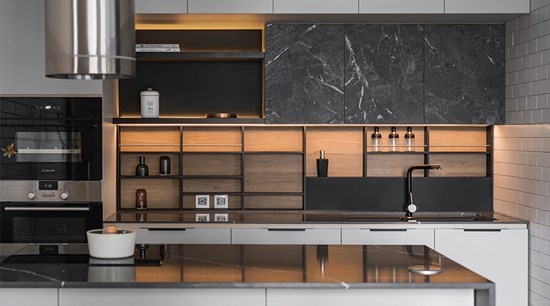
Plan the Layout Before Selecting Finishes
An appealing finish cannot compensate for a layout that makes the kitchen difficult to use. Before confirming cabinet styles, consider how you move between the sink, cooking area, refrigerator, and preparation surfaces. A practical plan should provide enough counter space and allow people to open doors and drawers without blocking key paths.
Begin with accurate measurements. Record the dimensions of the walls, windows, doors, and ceiling, as well as the location of plumbing, outlets, switches, and appliances. Confirm the specifications for the exact appliance models where possible. Refrigerator doors, dishwasher panels, and range clearances can all affect cabinet placement.
Next, plan storage around your routine. Deep drawers may work well for cookware, while dividers can organize baking trays and cutting boards. Pantry shelves or pull-out storage may be helpful for food supplies, but the best choice depends on what you need to store. Make a list of your everyday items before selecting interior accessories.
Finally, consider how color and sheen relate to the layout. A large bank of dark cabinets may have a different effect from a single dark island. Similarly, gloss may reflect more light near a window than in a shaded area. Therefore, review finish samples in the places where they will actually be installed.
What to Check Before Choosing a Manufacturer
Comparing manufacturers involves more than reviewing photographs. Ask for clear information about the cabinet materials, finish, hardware, construction, and services included. The word “lacquer” alone may not explain the full product specification.
Before placing an order, review the drawings and written quote. Confirm cabinet sizes, quantities, finish selections, door styles, panels, hardware, and storage features. Also clarify who is responsible for measuring, design support, delivery, and installation. These responsibilities can differ by project and supplier.
Ask about lead times, payment terms, warranty information, and the process for handling damage or missing items. If the cabinets will be delivered across borders, confirm which party handles freight arrangements, import documentation, duties, and local delivery. When something is not clear, request an answer in writing.
When speaking with Allure Cabinetry (Foshan) Co., Ltd. about a project, it can be helpful to bring room measurements, appliance specifications, reference images, and a list of storage priorities. This information gives the discussion a practical starting point and can help you ask focused questions about suitable options.
Care and Maintenance
Follow the cleaning instructions provided for the specific lacquer finish. In general, a soft cloth and a suitable mild cleaner are preferable to abrasive pads or harsh products, unless the manufacturer’s guidance says otherwise. Avoid assumptions about what a surface can withstand; the recommended method may differ by finish.
Wipe spills promptly, especially near sinks, dishwashers, and cabinet seams. Avoid leaving water around edges or on the surface for extended periods. Also use care around hot cookware, sharp objects, and cleaning tools that could mark the finish.
Over time, hinges and drawer hardware may need adjustment. Consult the product documentation or contact the supplier for guidance rather than forcing a component. Keep the care instructions, warranty details, and approved cabinet specifications in a safe place for reference.
Create a Look That Works for Your Home
A Lacquer Kitchen Cabinet design can support many modern styles, from bright and minimal to warm, colorful, or high-contrast. The most successful plans consider more than appearance: they balance finish choices with storage, lighting, room dimensions, hardware, and everyday habits.
As you plan a makeover, compare samples in your own space, confirm the materials and specifications, and review the responsibilities included in each proposal. With clear information and careful planning, you can choose a cabinet design that suits both the look of your kitchen and the way you use it.

Frequently Asked Questions
What is a Lacquer Kitchen Cabinet?
It is a cabinet with a lacquer finish applied to its surface. The underlying material can vary, so ask the Modern Kitchen Cabinet Manufacturer what the doors, boxes, and other components are made from.
Is lacquer suitable for a modern kitchen?
It can suit modern designs because it is available in different colors and sheens, and it works with clean-lined cabinet styles. The right choice depends on the kitchen’s layout, lighting, desired appearance, and care requirements.
Should I choose glossy or matte lacquer?
Gloss reflects more light and creates a more reflective appearance. Matte or satin finishes have a softer look. Review samples in your kitchen and consider how each finish responds to your lighting before deciding.
Do lacquer cabinets scratch easily?
Scratch resistance varies by product and finish. Ask the manufacturer for product-specific information and care guidance. Regardless of finish, use reasonable care with sharp tools and abrasive cleaning materials.
How do I clean lacquer cabinets?
Follow the supplier’s instructions for your specific product. A soft cloth and an approved mild cleaner may be suitable, while abrasive pads and harsh chemicals may damage some finishes. Dry surfaces after cleaning, especially near edges and seams.
Are lacquer cabinets a good choice for a small kitchen?
They can work in a small kitchen. A light or reflective finish may help the room feel brighter, but the result depends on lighting, layout, and surrounding materials. Consider testing samples and planning storage carefully.
Can lacquer cabinets be combined with wood finishes?
Yes. Wood accents can balance a smooth lacquer surface and add warmth. To keep the design cohesive, choose a limited palette and check how samples look together under the kitchen’s lighting.
What should I ask a cabinet manufacturer before ordering?
Ask about the substrate, finish, construction, hardware, drawings, measuring responsibilities, quote inclusions, lead time, delivery, installation, warranty, and care instructions. Request key specifications in writing so you can review the details before approval.