Glass tableware manufacturing involves high-temperature processes that require conveyor belts with excellent heat resistance, strength, and durability. A Kevlar Conveyor Belt is a reliable solution for transporting hot glass products through demanding production stages. Reinforced with high-strength Kevlar fibers, these belts are designed to provide stable performance under challenging operating conditions.
Why Choose a Kevlar Conveyor Belt?
High Temperature Resistance: A Kevlar Conveyor Belt can withstand elevated temperatures, making it suitable for conveying hot glass tableware after forming, heating, or heat-treatment processes.
Excellent Tensile Strength: Kevlar reinforcement provides outstanding strength while maintaining a lightweight and flexible belt structure. This helps the belt handle continuous production demands effectively.
Superior Wear Resistance: Glass manufacturing environments can expose conveyor belts to heat, friction, and repeated operation. Kevlar reinforcement helps improve resistance to wear and supports longer service life.
Reliable Conveying: The belt provides smooth and stable transportation, helping prevent production interruptions and maintain consistent material flow.
Industrial Versatility: Besides glass tableware, Kevlar Conveyor Belts can be used in other high-temperature conveying applications where strength and thermal performance are essential.
Shanghai Puteken Transmission System Co., Ltd. provides professional conveyor belt solutions for modern industrial applications. Its Kevlar Conveyor Belt combines high-temperature performance, durability, strength, and flexibility, making it an excellent choice for glass tableware production lines. By using a suitable high-temperature conveyor belt, manufacturers can improve conveying efficiency, reduce maintenance requirements, and support continuous production.
In the demanding world of industrial manufacturing and material handling, the need for robust, reliable, and high-performance conveyor solutions is more critical than ever. As industries continue to push the boundaries of efficiency and productivity, the materials used in conveyor systems must keep pace with these evolving requirements. Enter the Kevlar Conveyor Belt—a cutting-edge solution that combines exceptional strength, durability, and versatility to meet the most challenging operational demands.
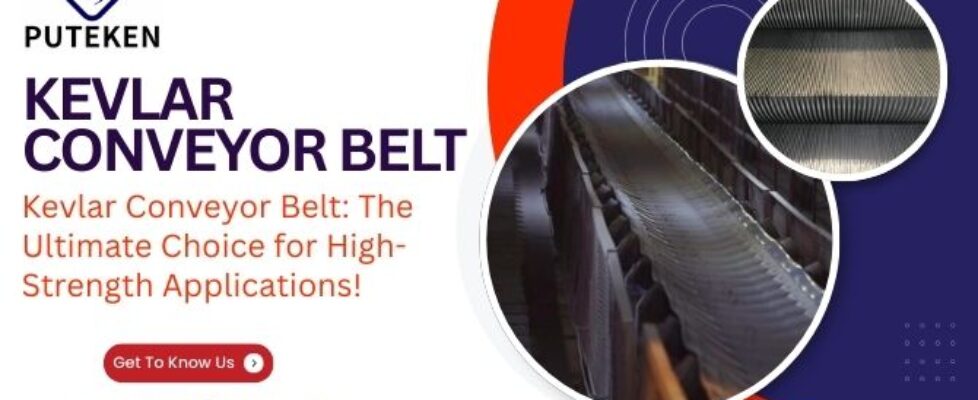
At Shanghai Puteken Transmission System Co., Ltd., we understand that the right conveyor belt can make all the difference in your production line’s performance and longevity. While traditional belts made from rubber, polyester, or steel cords have served industries well for decades, the introduction of Kevlar as a reinforcement material has revolutionized the field. Kevlar Conveyor Belts are engineered to withstand extreme loads, high temperatures, and abrasive environments, making them the ultimate choice for high-strength applications across a wide range of industries.
Understanding Kevlar and Its Role in Conveyor Belts
What is Kevlar?
Kevlar is a synthetic fiber developed by DuPont in the 1960s, renowned for its exceptional strength-to-weight ratio, heat resistance, and durability. It is an aramid fiber, meaning it is composed of long-chain synthetic polyamides. Kevlar is five times stronger than steel by weight, yet it is lightweight and flexible, making it an ideal reinforcement material for a variety of industrial applications.
How is Kevlar Used in Conveyor Belts?
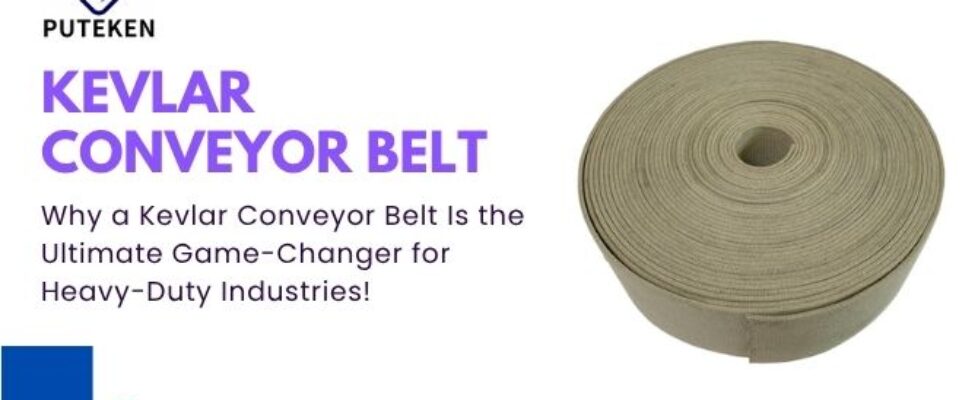
In a Kevlar Conveyor Belt, Kevlar fibers are woven or layered into the belt’s carcass, providing reinforcement that dramatically increases tensile strength, impact resistance, and thermal stability. The Kevlar layer is typically combined with other materials such as rubber or PVC to create a composite belt that offers both flexibility and toughness. This unique construction allows Kevlar Conveyor Belts to handle extreme loads, resist cuts and abrasions, and operate reliably in harsh environments.
Types of Kevlar Conveyor Belts
Flat Kevlar Conveyor Belts: Used for general material handling and high-strength applications.
Chevron or Patterned Kevlar Belts: Designed for inclined conveying or applications requiring extra grip.
Heat-Resistant Kevlar Belts: Engineered for use in high-temperature environments such as foundries or glass manufacturing.
Custom Kevlar Belts: Tailored to specific industry requirements, including food-grade, anti-static, or oil-resistant options.
Key Benefits of Kevlar Conveyor Belts
1. Unmatched Strength and Durability The primary advantage of a Kevlar Conveyor Belt is its extraordinary tensile strength. Kevlar fibers can withstand extreme loads without stretching or breaking, making these belts ideal for heavy-duty applications such as mining, quarrying, and bulk material transport.
2. Superior Heat and Flame Resistance Kevlar maintains its structural integrity at temperatures up to 450°C (842°F) and does not melt or degrade easily. This makes Kevlar Conveyor Belts suitable for environments where high heat or open flames are present, such as steel mills, foundries, and glass plants.
3. Excellent Cut and Abrasion Resistance Kevlar’s molecular structure provides exceptional resistance to cuts, tears, and abrasions. This is particularly valuable in industries where sharp or abrasive materials are conveyed, reducing the risk of belt failure and minimizing maintenance costs.
4. Lightweight and Flexible Despite its strength, Kevlar is remarkably lightweight. Kevlar Conveyor Belts are easier to handle, install, and maintain compared to steel-cord belts, without sacrificing performance.
5. Chemical and Corrosion Resistance Kevlar is resistant to most chemicals, oils, and solvents, making these belts suitable for use in chemically aggressive environments.
6. Extended Service Life The combination of strength, heat resistance, and durability means that Kevlar Conveyor Belts typically outlast conventional belts, resulting in lower total cost of ownership and reduced downtime.
Applications of Kevlar Conveyor Belts in Industry
Kevlar Conveyor Belts are used in a wide range of industries where high strength, durability, and reliability are essential. Some of the most common applications include:
Mining and Quarrying Bulk Material Transport: Moving heavy loads of ore, coal, or aggregates over long distances. Underground Conveyors: Withstanding harsh conditions and abrasive materials.
Steel and Metal Processing Hot Material Handling: Transporting steel billets, slabs, or scrap at high temperatures. Furnace Feed Belts: Operating reliably in extreme heat and under heavy loads.
Cement and Building Materials Clinker Conveying: Handling hot, abrasive clinker in cement plants. Aggregate Transport: Moving sand, gravel, and other building materials.
Recycling and Waste Management Shredding and Sorting Lines: Resisting cuts and tears from sharp metal or glass fragments. Heavy-Duty Sorting Belts: Withstanding the rigors of waste processing.
Logistics and Distribution High-Speed Sorting: Supporting fast, continuous operation in distribution centers. Heavy Package Handling: Moving large or heavy parcels with minimal wear.
Agriculture and Food Processing Grain and Seed Conveying: Providing strength and durability for bulk agricultural products. High-Temperature Food Processing: Withstanding heat in baking or roasting lines (with food-grade options).
Aerospace and Automotive Component Handling: Transporting heavy or sharp-edged parts during assembly. Paint and Coating Lines: Operating in environments with chemicals and high temperatures.
Factors to Consider When Choosing a Kevlar Conveyor Belt
Selecting the right Kevlar Conveyor Belt for your application involves several important considerations:
1. Load Capacity Assess the weight and size of the materials you need to transport. Kevlar belts are ideal for heavy loads, but the specific construction and thickness should match your operational requirements.
2. Temperature Resistance Consider the maximum and minimum temperatures your belt will encounter. Kevlar belts can handle high heat, but the overall belt construction (including covers and adhesives) must also be suitable for your environment.
3. Abrasion and Cut Resistance If your application involves sharp or abrasive materials, choose a belt with a thicker Kevlar layer or additional protective coatings.
4. Chemical Exposure For environments with exposure to oils, solvents, or corrosive chemicals, ensure the belt is designed with appropriate resistance.
5. Belt Width and Length Select the correct dimensions to fit your conveyor system and accommodate the size of the materials being transported.
6. Compliance and Certification For industries such as food processing or pharmaceuticals, ensure the Kevlar Conveyor Belt meets relevant safety and hygiene standards.
7. Customization Options Work with a reputable supplier like Shanghai Puteken Transmission System Co., Ltd. to customize your belt for specific needs, including special covers, edge reinforcements, or anti-static properties.
Installation and Maintenance Best Practices
Proper installation and maintenance are crucial for maximizing the performance and lifespan of your Kevlar Conveyor Belt.
Installation Guidelines
Ensure Proper Alignment: Misaligned pulleys or rollers can cause uneven wear and reduce belt life.
Set Correct Tension: Over-tensioning can damage the belt, while under-tensioning can cause slippage.
Clean Conveyor Components: Remove debris and contaminants before installation to prevent premature wear.
Use the Right Tools: Invest in proper installation tools and equipment.
Test Run: After installation, run the conveyor at low speed to check for proper tracking and tension.
Maintenance Best Practices
Regular Inspections: Check for signs of wear, fraying, or damage.
Clean Regularly: Remove dust, debris, and product residues to maintain hygiene and performance.
Monitor Belt Tension: Adjust as needed to prevent slippage or excessive strain.
Lubricate Moving Parts: Proper lubrication reduces friction and wear on conveyor components.
Replace When Necessary: Don’t wait for a belt to fail—replace it at the first sign of significant wear.
Why Choose Shanghai Puteken Transmission System Co., Ltd.?
Expertise and Experience With years of experience in conveyor belt manufacturing, we understand the unique challenges faced by different industries. Our team of experts can help you select the ideal Kevlar Conveyor Belt for your specific application.
High-Quality Materials We use only the finest Kevlar fibers and advanced manufacturing techniques to produce belts that are strong, durable, and reliable.
Customization and Flexibility Every business is unique, and so are its material handling needs. We offer a wide range of customization options to ensure your Kevlar Conveyor Belt meets your exact specifications.
Comprehensive Support From initial consultation to after-sales service, we provide comprehensive support to ensure your conveyor system operates smoothly and efficiently.
As industries continue to demand more from their conveyor systems, the need for high-strength, durable, and reliable solutions has never been greater. The Kevlar Conveyor Belt stands out as the ultimate choice for high-strength applications, offering unmatched performance in the most challenging environments. From mining and steel production to logistics and recycling, Kevlar Conveyor Belts deliver the strength, heat resistance, and longevity that modern operations require.
Frequently Asked Questions (FAQ)
Q1: How long does a Kevlar Conveyor Belt last?
A: The lifespan of a Kevlar Conveyor Belt depends on factors such as load, operating environment, and maintenance practices. With proper care, these belts can last significantly longer than conventional belts, often several years in demanding applications.
Q2: Are Kevlar Conveyor Belts suitable for high-temperature environments?
A: Yes, Kevlar Conveyor Belts are designed to withstand high temperatures, making them ideal for applications such as steel mills, foundries, and glass manufacturing.
Q3: Can Kevlar Conveyor Belts handle sharp or abrasive materials?
A: Absolutely. Kevlar’s exceptional cut and abrasion resistance make these belts perfect for conveying sharp, heavy, or abrasive materials.
Q4: How do I clean a Kevlar Conveyor Belt?
A: Use a soft brush or cloth and mild, non-abrasive cleaners. Avoid harsh chemicals that could damage the belt material. For food-grade applications, follow industry-specific cleaning protocols.
Q5: Are Kevlar Conveyor Belts more expensive than traditional belts?
A: While the initial cost may be higher, the extended service life and reduced maintenance requirements often make Kevlar Conveyor Belts more cost-effective in the long run.
Q6: Can I customize the size and properties of my Kevlar Conveyor Belt?
A: Absolutely. Shanghai Puteken Transmission System Co., Ltd. offers a wide range of customization options to meet your specific needs.
Q7: What industries benefit most from Kevlar Conveyor Belts?
A: Industries such as mining, steel, cement, recycling, logistics, agriculture, and automotive benefit greatly from the unique properties of Kevlar Conveyor Belts.
Q8: How do I know if a Kevlar Conveyor Belt is right for my application?
A: Consider factors such as product weight, temperature, abrasion, and industry regulations. Our experts can help you assess your needs and recommend the best solution.
Q9: Are Kevlar Conveyor Belts resistant to chemicals?
A: Yes, Kevlar is resistant to most chemicals, oils, and solvents, making these belts suitable for chemically aggressive environments.
Q10: How can I order a Kevlar Conveyor Belt from Shanghai Puteken Transmission System Co., Ltd.?
A: Simply contact our sales team with your requirements, and we will guide you through the selection and ordering process.
In the fast-evolving world of industrial manufacturing, efficiency, durability, and safety are more than just buzzwords — they are critical components to long-term success. Heavy-duty industries, such as mining, automotive, construction, and recycling, continually seek ways to optimize operations while minimizing maintenance costs and reducing machine downtime. In such high-pressure environments, even something as seemingly simple as a conveyor belt can impact overall productivity in significant ways. This is where the Kevlar Conveyor Belt emerges as a powerful innovation.
At Shanghai Puteken Transmission System Co., Ltd., we understand how critical material handling systems are to the operational continuity of your business. Traditional conveyor belts, although widely used, often fall short when subjected to extreme conditions involving high abrasion, sharp materials, or high-temperature settings. When durability matters most, conventional materials just don’t make the cut. Thankfully, technological advancements and material innovation have transformed industrial components, offering reliable and long-lasting solutions for demanding applications.
A Revolutionary Material Meets Industrial Demands
Kevlar is not new to the world of high-performance materials. Originally developed by DuPont, Kevlar is widely known for its exceptional properties — namely, its tensile strength, lightness, cut resistance, and thermal stability. Commonly used in aerospace, body armor, and sports equipment, Kevlar’s strength-to-weight ratio is five times greater than that of steel. When this high-performance fiber is embedded into conveyor belts, it creates a versatile, wear-resistant, and heat-resistant product: the Kevlar Conveyor Belt.
Unlike standard belts made with nylon, polyester, or rubber only, Kevlar-reinforced belts provide unmatched durability and resilience under extreme industrial conditions. Whether you’re transporting crushed metals, glass shards, high-temperature materials, or abrasive ores, a Kevlar Conveyor Belt is designed to withstand the toughest challenges while maintaining consistent performance.
The Unique Needs of Heavy-Duty Industries
Heavy industries operate in some of the harshest environments imaginable — with impacts, sharp objects, intense heat, corrosive substances, and heavy loads being part of daily operations. In such conditions, conveyor systems are often prone to frequent wear and unexpected breakdowns. These incidents not only halt production but also result in costly repairs and extended downtime, disrupting the entire supply chain.
Recognizing these challenges, Shanghai Puteken Transmission System Co., Ltd. offers Kevlar Conveyor Belts specifically engineered to thrive in heavy-duty operations. With superior strength and wear resistance, these belts reduce the need for frequent replacements and maintenance, leading to lower operational costs and higher efficiency across the board.
Key Benefits of a Kevlar Conveyor Belt:
a. Exceptional Strength and Durability The primary advantage of Kevlar is its extraordinary tensile strength. Kevlar Conveyor Belts can handle high loads without stretching or tearing, even under intense mechanical stress.
b. High Temperature Resistance Kevlar can operate under continuous temperatures of up to 300°C (572°F) with peaks up to 450°C (842°F). For industries involving heat—like steel manufacturing or glass production—this is a breakthrough.
c. Abrasion and Tear Resistance In applications involving sharp or heavy materials, most belts fail due to puncture or tear. Kevlar’s tight weave and chemical composition offer exceptional resistance to such mechanical damage.
d. Lightweight and Energy Efficient Despite its strength, Kevlar is extremely lightweight. Kevlar Conveyor Belts thus reduce the overall weight of the conveyor system, decreasing energy consumption and prolonging equipment life.
e. Reduced Maintenance and Downtime Thanks to their resilience, Kevlar Conveyor Belts require less frequent repairs or replacements. This saves money and ensures your operations run without interruptions.
Industry Applications of Kevlar Conveyor Belts
From mining sites to cement plants, Kevlar Conveyor Belts are revolutionizing how industries transport materials. Some of the top application areas include:
Mining & Quarrying: For heavy and sharp materials like rocks and minerals.
Metal Recycling: Ideal for carrying shredded or molten metals.
Cement & Aggregates: Resistant to abrasion and high temperatures.
Paper & Pulp Industry: Where high friction and chemical exposure are common.
Food Processing (specific high-temp sections): FDA-grade Kevlar versions are available.
Choosing the Right Kevlar Conveyor Belt
Not all Kevlar Conveyor Belts are created equal. Factors to consider before purchase include:
Belt Width and Length
Load Type and Weight
Temperature Range
Pulley Diameter
Belt Speed
Surface Texture (smooth, cleated, perforated)
At Shanghai Puteken Transmission System Co., Ltd., our engineers work closely with clients to design custom Kevlar Conveyor Belt solutions that meet your exact requirements, ensuring both performance and longevity.
Maintenance Tips for Your Kevlar Conveyor Belt
Even though Kevlar Conveyor Belts are highly durable, adopting proper care will extend their service life.
Conduct Regular Inspections – Check for signs of wear, misalignment, or abnormal noise.
Schedule Belt Cleanings – Remove material buildup that may cause wear or affect grip.
Lubricate Pulleys Properly – Minimize mechanical wear and unnecessary stress on the belt.
Ensure Correct Tensioning – Avoid both over-tensioning and slack for optimal performance.
Replace Worn Rollers – Prevent further damage to the belt surface.
Invest in Long-Term Performance with Kevlar
When it comes to improving durability, reducing downtime, and maintaining high performance under extreme conditions, no solution matches the reliability of a Kevlar Conveyor Belt. For industries that regularly test the limits of their equipment, switching to Kevlar isn’t just a smart decision — it’s a game-changing one.
Frequently Asked Questions (FAQ)
Q1: What makes Kevlar Conveyor Belts better than others for heavy-duty applications?
A: Kevlar Conveyor Belts outperform traditional belts by offering higher tensile strength, better heat resistance, and greater durability under abrasive working conditions. They reduce maintenance needs and extend operational uptime.
Q2: Can Kevlar Conveyor Belts be custom-designed for unique machinery?
A: Yes, at Shanghai Puteken Transmission System Co., Ltd., we offer custom Kevlar Conveyor Belt designs tailored to specific operational or machine requirements.
Q3: Are Kevlar Conveyor Belts safe to use with food items?
A: While general Kevlar belts are not meant for food-grade environments, specialized variants with FDA compliance are available for high-temperature food processing zones.
Q4: Are Kevlar Conveyor Belts more expensive?
A: The upfront cost is slightly higher than standard belts, but due to reduced wear and longer service life, the total cost of ownership is much lower.
Q5: How long do Kevlar Conveyor Belts typically last?
A: This depends on application intensity, but on average, Kevlar Conveyor Belts last 2 to 3 times longer than traditional belts in the same conditions.