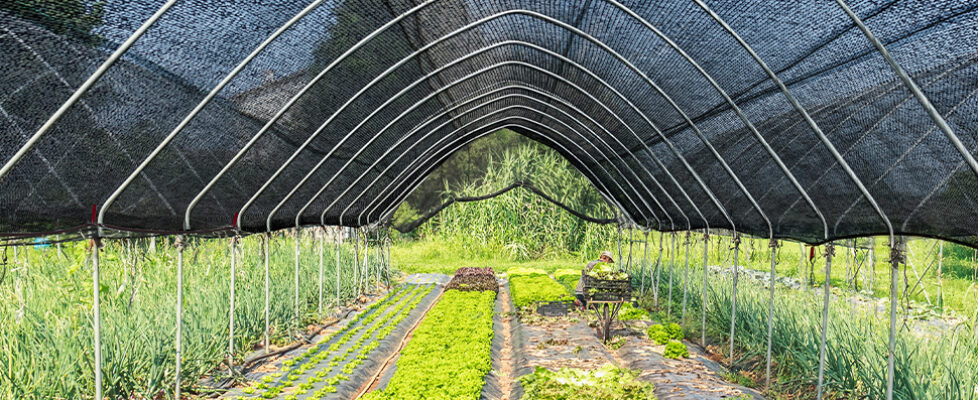
Greenhouse Shade Cloth: The Secret to Healthier, Happier Plants!
In the world of modern horticulture, the quest for healthier, more productive plants is never-ending. As growers strive to maximize yields and quality, they are constantly seeking innovative solutions to overcome environmental challenges. One such solution that has gained widespread recognition is the use of Greenhouse Shade Cloth. This simple yet highly effective tool has become a cornerstone of successful greenhouse management, offering a range of benefits that go far beyond basic sun protection.

At Qingdao Agrishade Mesh Co., Ltd., we understand that every plant has unique needs. While sunlight is essential for photosynthesis and growth, excessive exposure can be just as harmful as too little. Intense sunlight, high temperatures, and fluctuating humidity levels can stress plants, reduce yields, and even cause irreversible damage. This is where Greenhouse Shade Cloth comes into play. By providing a controlled environment, shade cloth helps regulate light, temperature, and moisture, creating optimal conditions for plant health and productivity.
Understanding Greenhouse Shade Cloth
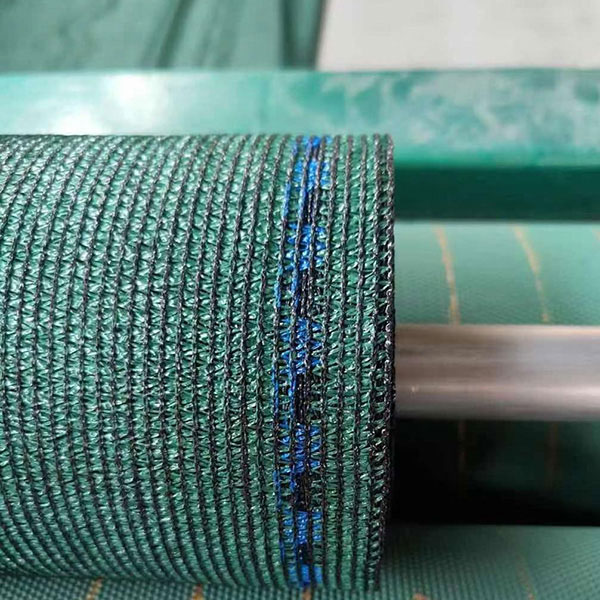
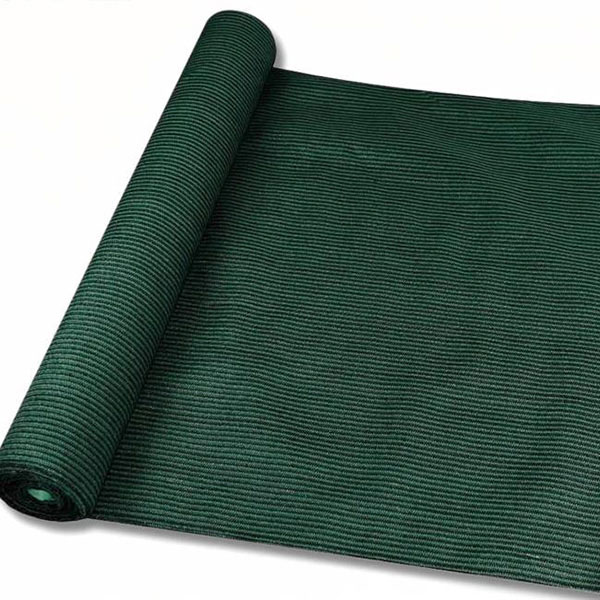
Greenhouse Shade Cloth is a specially designed fabric used to control the amount of sunlight that enters a greenhouse. Made from high-quality materials such as high-density polyethylene (HDPE), these cloths are UV-stabilized to withstand prolonged exposure to sunlight and harsh weather conditions. By filtering and diffusing sunlight, shade cloth helps create a balanced environment that supports healthy plant growth.
The use of shade cloth is not limited to commercial greenhouses. Home gardeners, nurseries, and even urban farmers are increasingly adopting this technology to protect their plants and improve growing outcomes. The versatility of Greenhouse Shade Cloth makes it suitable for a wide range of applications, from vegetable production to ornamental horticulture.
The Science Behind Shade Cloth
The effectiveness of Greenhouse Shade Cloth lies in its ability to modify the microclimate within the greenhouse. By partially blocking sunlight, shade cloth reduces the intensity of solar radiation, which in turn lowers the temperature and prevents heat stress in plants. This is particularly important during the hot summer months, when excessive heat can cause wilting, leaf burn, and reduced photosynthetic activity.
Additionally, shade cloth helps maintain consistent humidity levels by reducing evaporation. This creates a more stable environment, minimizing fluctuations that can stress plants and make them more susceptible to diseases. Some advanced shade cloths are also designed to repel insects or provide additional protection against wind and hail.
Research has shown that plants grown under shade cloth often exhibit improved physiological traits, such as higher chlorophyll content, better root development, and increased resistance to environmental stress. These benefits translate directly into healthier, more productive plants.
Key Benefits of Greenhouse Shade Cloth
-Light Regulation
One of the primary functions of Greenhouse Shade Cloth is to regulate the amount of light that reaches plants. While sunlight is essential for photosynthesis, too much can be detrimental. Shade cloth allows growers to fine-tune light levels, ensuring that plants receive the optimal amount for growth and development.
-Temperature Control
By blocking a portion of the sun’s rays, shade cloth helps maintain cooler temperatures inside the greenhouse. This is especially important for temperature-sensitive crops, which can suffer from heat stress and reduced yields if exposed to excessive heat.
-Moisture Management
Shade cloth reduces evaporation, helping to maintain consistent soil moisture levels. This not only conserves water but also reduces the frequency of irrigation, saving time and resources.
-Pest and Disease Reduction
Certain types of Greenhouse Shade Cloth can act as physical barriers to insects and other pests, reducing the need for chemical pesticides. By limiting pest access, shade cloth helps prevent the spread of diseases and minimizes crop losses.
-Improved Plant Quality and Yield
Plants grown under shade cloth often exhibit superior quality, including better color, size, and taste. The controlled environment reduces stress, leading to more uniform and marketable produce.
Types of Greenhouse Shade Cloth
-Material and Durability
Most Greenhouse Shade Cloth is made from HDPE, which offers excellent strength, flexibility, and resistance to UV degradation. Some cloths are reinforced with additional materials for extra durability, making them suitable for long-term use in harsh environments.
-Shade Percentage and Color
Shade cloth is available in various shade percentages, typically ranging from 30% to 90%. The choice depends on the crop’s light requirements and local climate conditions. For example, leafy greens may thrive under 50% shade, while fruiting crops might require only 30% shade.
Color also plays a role in cloth performance. Green and black are common, but other colors—such as white, red, and blue—can influence light quality and plant growth in specific ways.
-Customization Options
Leading manufacturers like Qingdao Agrishade Mesh Co., Ltd. offer customized shade cloth solutions tailored to the needs of individual growers. Customization options include cloth size, color, shading percentage, and additional features such as insect-proofing or anti-hail properties.
How to Choose the Right Greenhouse Shade Cloth
Selecting the right shade cloth involves considering several factors:
- Crop type: Different crops have unique light and temperature requirements.
- Climate: Local weather patterns influence the ideal shade percentage and cloth features.
- Greenhouse design: The size and shape of your greenhouse will determine cloth dimensions.
- Budget: While high-quality cloth may have a higher upfront cost, it offers better durability and long-term savings.
Consulting with experts at Qingdao Agrishade Mesh Co., Ltd. can help you make the best choice for your greenhouse.
Installation and Maintenance Tips
Proper installation is crucial for maximizing the benefits of Greenhouse Shade Cloth. Here are some tips:
- Secure anchoring: Use sturdy frames and fasteners to prevent wind damage.
- Tension adjustment: Ensure the cloth is taut but not overstretched.
- Regular inspection: Check for tears, sagging, or UV damage and repair as needed.
- Cleaning: Remove dust and debris periodically to maintain light transmission.
With proper care, high-quality shade cloth can last 5-10 years or more.
The Role of Qingdao Agrishade Mesh Co., Ltd.
As a trusted leader in the industry, Qingdao Agrishade Mesh Co., Ltd. is committed to supporting growers with innovative, reliable, and sustainable shade cloth solutions. Our products are rigorously tested for quality and performance, ensuring they meet the highest standards. We offer expert guidance, customization, and ongoing support to help growers achieve their goals.
Our dedication to research and development means we are always exploring new materials and technologies to enhance the effectiveness of Greenhouse Shade Cloth. By partnering with us, you gain access to the latest advancements in crop protection and yield enhancement.
In summary, Greenhouse Shade Cloth is a transformative technology for modern horticulture. By regulating light, temperature, and moisture, shade cloth creates the ideal environment for plant health and productivity. At Qingdao Agrishade Mesh Co., Ltd., we are proud to be at the forefront of this agricultural revolution, providing growers with the tools they need to thrive in a changing world.
Frequently Asked Questions
Q1: What crops benefit most from Greenhouse Shade Cloth?
A: Many crops benefit from shade cloth, including vegetables (tomatoes, peppers, cucumbers), fruits (berries, grapes), flowers, and nursery plants. The specific cloth type and shade percentage should be matched to the crop’s needs.
Q2: How long does Greenhouse Shade Cloth last?
A: High-quality shade cloth from Qingdao Agrishade Mesh Co., Ltd. typically lasts 5-10 years, depending on environmental conditions and maintenance.
Q3: Can shade cloth reduce the need for pesticides?
A: Yes, certain shade cloths can act as physical barriers to insects, reducing the need for chemical pesticides and promoting safer, more sustainable growing.
Q4: Is Greenhouse Shade Cloth environmentally friendly?
A: Yes, it helps conserve water, reduce chemical use, and minimize crop losses. Many cloths are also recyclable, further reducing environmental impact.
Q5: How do I choose the right shade percentage?
A: The ideal shade percentage depends on your crop and climate. Our experts can help you select the best option based on your specific requirements.