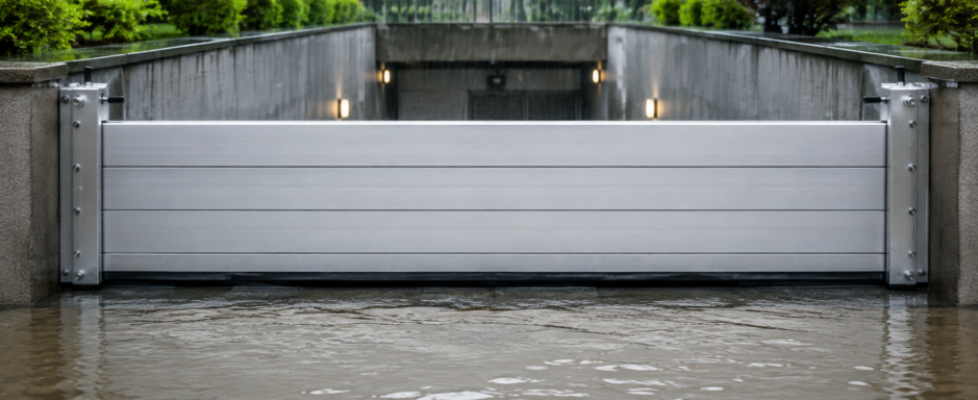
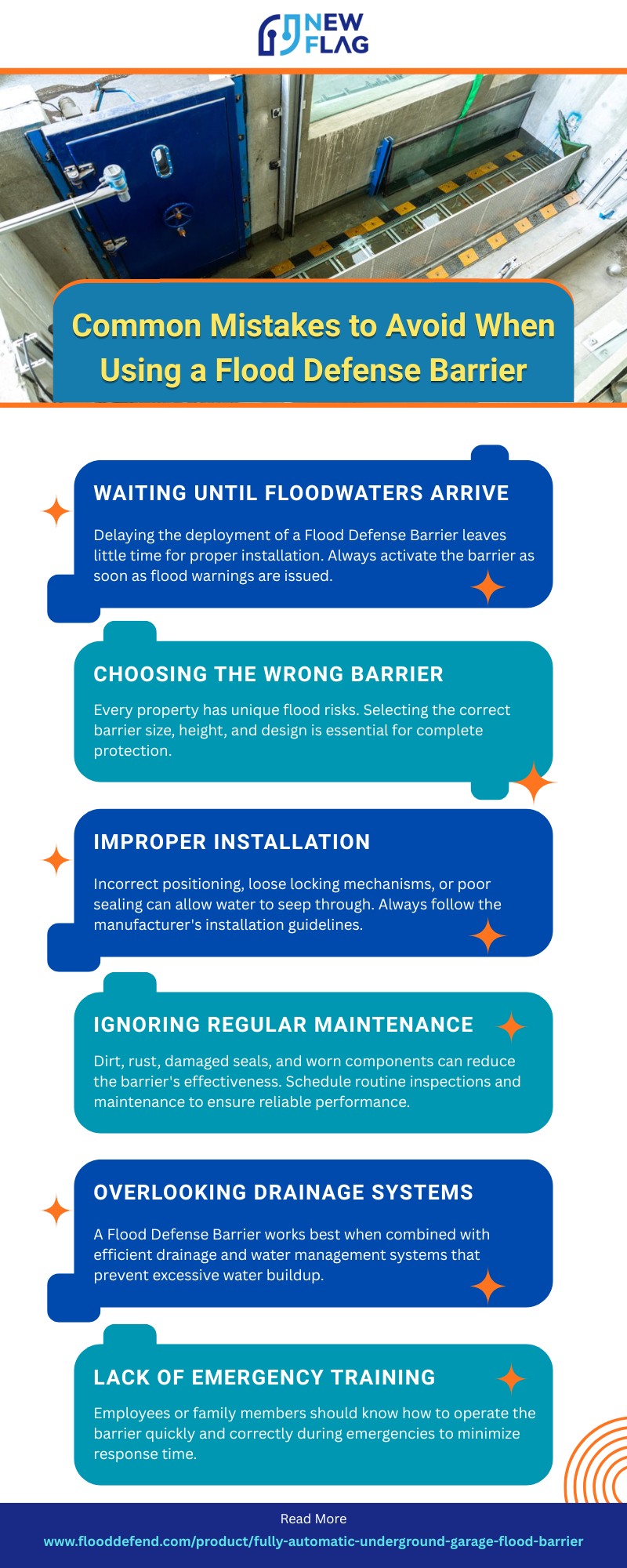
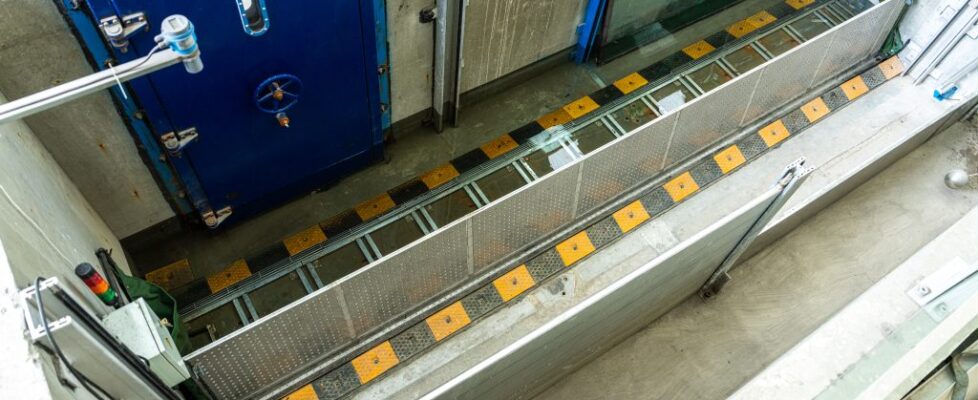
A Flood Defense Barrier is an essential solution for protecting homes, underground garages, commercial buildings, and industrial facilities from flood damage. However, its effectiveness depends on proper planning, installation, and maintenance. One of the biggest mistakes is delaying deployment until floodwaters are already rising, leaving little time to secure the barrier. Another common error is choosing the wrong barrier size or type, which can result in gaps and reduced protection. Improper installation, including incorrect sealing or unsecured locking mechanisms, may also allow water to penetrate vulnerable areas.
Regular maintenance is equally important. Ignoring inspections, damaged seals, or accumulated debris can compromise the performance of a Flood Defense Barrier during emergencies. Property owners should also ensure that staff or family members are trained to deploy the system quickly and correctly. Newflag Technology Co., Ltd. provides advanced, reliable flood protection systems engineered for long-lasting performance and easy operation. For more information on Flood Defense Barrier, go here: https://tinyurl.com/y9wh8s2c. You may also contact us via phone at +86 18961628536 or by email at lucy@newflagtech.comtoday!
Flooding is becoming an ever more frequent and damaging threat, affecting millions of homeowners worldwide each year. As the climate changes and urban sprawl increases, incidents of flooding—whether from rushing rivers, heavy rains, storm surges, or infrastructure failures—are on the rise, making a reliable Flood Defense Barrier an essential solution for protecting residential and commercial properties. According to recent data, the cost of repairs and recovery from a single home flood event can range from thousands to over a hundred thousand dollars. Beyond the financial toll, floods often leave families displaced and cherished possessions lost.
Amid such risks, flood defense barriers stand out as one of the best proactive measures a homeowner can take. The right flood defense barrier can be the decisive line between safety and disaster, property loss and peace of mind. However, with the many evolving technologies and choices available, selecting the most suitable flood defense barrier for your home isn’t always straightforward.
1. Understanding Flood Defense Barriers
What is a Flood Defense Barrier?
A flood defense barrier is a structure or system specifically engineered to keep floodwater away from buildings, land, or valuable infrastructure. Unlike sandbags—which are heavy, temporary, and labor-intensive—a modern flood defense barrier is reusable, reliable, and easy to deploy. These barriers can range from permanent installations protecting large perimeters to compact, portable systems for doors or garages.
Flood defense barriers can serve various functions:
Block direct entry of water into a property or low-level openings
Redirect floodwater around vulnerable areas
Create a temporary dam or containment area
Key characteristics of today’s flood defense barriers include water-tightness, durability, and rapid deployment—all crucial for timely and dependable flood protection.
How Do Flood Defense Barriers Work?
Flood defense barrier is act as physical shields, using solid engineering principles to resist water pressure and infiltration. Some barriers operate by simply standing in front of doorways or openings, held in place by their weight or a mechanical fix, while others “lock” into pre-installed tracks or frames to ensure a watertight seal.
Modern materials—such as reinforced polymers, galvanized steel, and especially aluminum—offer strength without excessive bulk, making barriers robust and manageable at the same time. Some portable flood defense barriers are even designed to self-inflate when in contact with water, ensuring instant protection with minimum effort.
Why Are Flood Defense Barriers Essential?
For many homeowners, a flood event is not a matter of “if”, but “when.” Even houses outside of high-risk flood zones are increasingly vulnerable due to shifting weather patterns and overburdened drainage systems. Standard home insurance seldom covers flood damage in full, and even partial claims can take months or years to resolve.
Installing a high-quality flood defense barrier helps:
Prevent costly and stressful water damage
Maintain property value and insurability
Comply with local building or community standards (where applicable)
Gain peace of mind during storms or when away from home
So, whether you live in a floodplain, near the coast, or in an urban area where surface water flooding is a threat, a flood defense barrier is a vital line of protection.
2. Types of Flood Defense Barriers
Navigating flood defense barrier options begins with understanding the main types available and how they fit specific needs.
Permanent Barriers
Permanent flood defense systems, such as flood walls, levees, or integrated floodgates, are built to provide ongoing protection. These installations are usually constructed from concrete, reinforced steel, or heavy-duty aluminum. Examples include:
Flood walls surrounding entire properties or neighborhoods
Demountable flood barriers with fixed side channels and removable panels
Retrofitted floodgates integrated into doorways or garages
These systems are best for homes in consistently high-risk flood zones, offering 24/7 protection but requiring professional installation and significant initial investment.
Temporary and Portable Barriers
For areas where floods are rare or unpredictable, temporary flood defense barriers are ideal. These may include:
Modular aluminum barriers that snap or clamp onto doorways when needed
Inflatable barriers that expand when exposed to water
Water-filled tubes or bladders that form a low wall as needed
Polymer-based stackable barricades for garden paths or driveways
TheTemporary flood barrier is lightweight, easy to store, and quick to install—sometimes by a single person in minutes—making them a top choice for emergency readiness.
Innovative Materials: Aluminum, Steel, and Polymers
Advancements in material science have revolutionized the flood defense barrier sector. Today’s most effective barriers leverage:
Aluminum: Light, strong, corrosion-resistant, and highly durable—making it a favorite for both temporary and permanent barriers.
Galvanized Steel: Provides extreme strength but can be heavier and may require additional corrosion protection.
High-Strength Polymers: Offer flexibility, ease of handling, and resilience—ideal for fast deployment and temporary use.
The choice of material often balances weight, cost, and expected lifespan.
Modern flood defense barriers come in several designs:
Free-standing barriers: Don’t require permanent mounting, can be deployed anywhere on flat ground
Track/Slot barriers: Fit into pre-installed frames for maximum watertightness
Stackable systems: Allow homeowners to add sections to increase height as needed
Inflatable systems: Provide the quickest setup, expanding with water contact
At Newflag Technology Co., Ltd., we offer a range of these options to suit every home and scenario.
3. Assessing Your Flood Risk
Transitioning from barrier options, let’s focus on the first step: knowing your risk.
Evaluating Property Vulnerabilities Start by asking:
Is your home in or near a known flood zone?
Is your area prone to tidal surges, heavy rainfall, or river overflow?
Are there entry points (doors, air bricks, garages, low windows) below the projected flood level?
Is your basement at risk?
If your home has been previously flooded or nearby properties have experienced flooding, your risk is significant.
Understanding Local Flood Zones
Most countries provide flood zone maps and risk assessments through government agencies or municipal offices. Visit your local flood authority’s website for details, or consult Newflag Technology experts for a risk consultation.
Using Flood Maps and Historical Data
Flood maps, satellite imagery, and historical records are invaluable resources. They reveal:
Historical flood extents
Water levels during past events
Areas subject to flash flooding or poor drainage
When to Consult an Expert
If you’re unsure about your risks or property vulnerabilities, seek a professional assessment. Newflag Technology Co., Ltd. offers site-specific consultations to accurately define threat levels and recommend the best flood defense barrier solutions.
4. Key Factors in Choosing the Right Flood Defense Barrier
Now that you know your risk, what should you consider when choosing a flood defense barrier?
Barrier Height and Length
Match the barrier’s height to the maximum expected flood level. A barrier too short will be overtopped, while one too high may be unnecessarily costly and difficult to handle. Calculate the total length required to seal all vulnerable points.
Material Strength and Durability
Choose materials suitable for your climate and frequency of use. Aluminum is often the best blend of strength, weight, and corrosion resistance, while high-quality polymers work well for lighter, more frequent deployments.
Ease of Installation and Removal
Some flood defense barriers require permanent fixtures, which involve initial set-up but are quickly deployed during emergencies. Portable barriers should be light enough for one person to manage, and offer tool-free or minimal-tool assembly.
Ask yourself:
Can I deploy this alone, or will I need help?
How quickly can the barrier be set up in an emergency?
Is storage straightforward?
Maintenance Requirements
Check manufacturer-recommended maintenance schedules. Simpler, low-maintenance barriers minimize long-term costs and ensure they function when needed.
Cost and Budget Considerations
Consider total cost, including:
Purchase price
Professional installation (if required)
Maintenance and replacement parts
Potential reduction in insurance premiums
A reliable, long-lasting flood defense barrier is worth the investment compared to the significant losses and trauma from flood damage.
Compatibility with Property Aesthetics
Especially if your home is part of a community association, or you wish to maintain curb appeal, barrier visibility and design may matter. Many modern barriers are low-profile, color-matched, or retractable for minimal visual impact.
5. The Installation Process
A crucial step is getting your barrier set up correctly. The right installation will ensure optimal performance when floods threaten.
Professional vs. DIY Installation
Professional Installation:
Essential for permanent, complex, or large-scale barriers
Guarantees proper fit, sealing, and durability
May include warranty or maintenance services
DIY Installation:
Feasible for many modular or portable barriers
Clear instructions and video guides simplify the process
Ensure you’re comfortable following directions, and practice once before you need it in an emergency!
Site Preparation
For both permanent and temporary installations:
Clean and clear the area where the barrier will sit
Remove debris, weeds, or obstacles to get the best seal
Install any necessary brackets or tracks in advance
Post-Installation Inspection and Testing
Once installed, test the barrier’s fit and seal by spraying water with a hose at pressure points. Look for leaks and correct them immediately—don’t wait for an actual flood to put your barrier to the test.
Barrier quality and reliability depend on regular care. Fortunately, modern systems are designed for low maintenance.
Routine Inspection Schedules
Inspect all barriers at least twice a year, especially ahead of flood season
Check for dents, deformation, or signs of corrosion/rust
Test moving parts (latches, seal strips, plugs)
Cleaning and Repair Tips
Wash the barrier after use to remove mud, silt, or chemicals that might degrade materials
Wipe down aluminum parts to preserve the protective oxide layer
Replace or repair any damaged seals, gaskets, or fittings
Storage Solutions for Portable Barriers
Store barriers in a dry, accessible location—away from direct sunlight and heat sources
Ensure all parts are accounted for and ready to deploy at a moment’s notice
Keep installation instructions handy
At Newflag Technology Co., Ltd., we’re happy to guide you through maintenance routines to maximize your barrier’s lifespan.
7. Case Studies: Flood Defense Barriers in Action
A practical look at real-world protection offers insights and encouragement.
Case Study 1:
A homeowner in a river-adjacent suburb faced repeated basement flooding during spring melts. Installing a modular aluminum flood defense barrier around her basement door reduced water ingress to zero during a recent heavy rain event, saving over $18,000 in damage and cleanup costs.
Case Study 2:
A community of townhouses collectively invested in stackable polymer barriers, coordinated through their association. When flash flooding hit, all units were protected, keeping residents safe and property values intact.
Case Study 3:
A coastal property used track-mount demountable barriers from Newflag Technology Co., Ltd., installed professionally as part of a landscape renovation. Despite record tidal surges the following year, the property stayed dry, and the homeowner later received a discount on their flood insurance from their carrier.
Lessons learned:
Planning is essential
Barrier practice and maintenance ensure they work under pressure
Professional advice makes a big difference in fit, aesthetics, and performance
Take Action with Newflag Technology Co., Ltd.
Floods may be unpredictable, but your response doesn’t have to be. By investing in the right flood defense barrier, you actively protect your family, your home, and your valuables. The right barrier not only guards against nature’s worst but also provides priceless peace of mind—whether you’re facing another rainy season, planning to travel, or simply wishing to future-proof your house.
Frequently Asked Questions
Q1: What is the most effective flood defense barrier for homes?
Answer: There is no single “best” barrier for all situations. The most suitable flood defense barrier matches your risk profile, property design, and budget. For most residential properties, modular aluminum barriers provide a superior combination of strength, lightness, and longevity.
Q2: How long do flood defense barriers last?
Answer: With proper care and maintenance, high-quality flood defense barriers—especially those made from aluminum or polymer composites—can last 20 years or more.
Q3: Are temporary flood barriers as reliable as permanent barriers?
Answer: For rapid response and short-term protection, temporary barriers are highly effective when installed correctly. Permanent barriers offer the best protection in high-risk, frequent-flood locations.
Q4: Do barriers require specialist installation?
Answer: Complex or permanent systems benefit from professional installation, which ensures the best seal and longevity. Many temporary or modular barriers are designed for confident home DIY installation.
Q5: How do I maintain my flood defense barrier?
Answer: Inspect before and after use, clean as recommended by the manufacturer, store in dry conditions, and replace worn seals or fittings as needed.
Q6: Can I customize my flood defense barrier?
Answer: Absolutely. Newflag Technology Co., Ltd. customizes barriers for openings of all shapes and sizes, with optional colors and finishes to match your property.
Q7: Does using a flood defense barrier lower insurance premiums?
Answer: Many insurers provide discounts for certified installations of approved barriers. Be sure to notify your insurance provider and provide documentation.
Q8: How fast can I set up a temporary barrier?
Answer: Many systems deploy in under 10 minutes—even faster with practice. Preparation is key; keep barriers accessible and installation instructions at hand.
Q9: What maintenance is required between floods?
Answer: Regular inspections, cleaning, and making sure all fixings and seals are intact. Store components dry and check operation of any latches or moving parts.
Flooding is one of the most destructive natural disasters, causing extensive damage to homes, commercial buildings, industrial facilities, and public infrastructure. As extreme weather events become more frequent, investing in a reliable Flood Defense Barrier is a smart way to protect your property and reduce financial losses. Newflag Technology Co., Ltd. offers advanced flood protection systems that combine innovative engineering, durable materials, and automatic operation to provide dependable flood defense when it matters most.
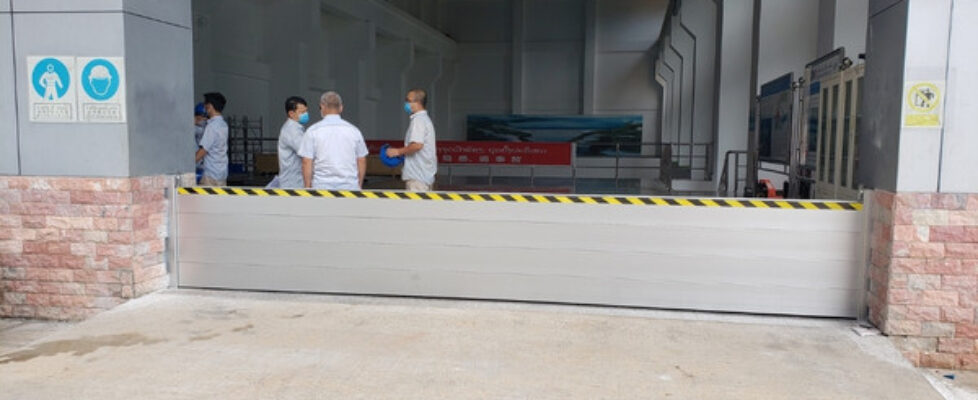
Whether you need to secure an underground garage, warehouse, factory, or commercial entrance, a professionally designed Flood Defense Barrier offers long-term protection while requiring minimal maintenance. These systems are engineered to respond quickly during emergencies, helping safeguard people, vehicles, and valuable assets from rising floodwaters.
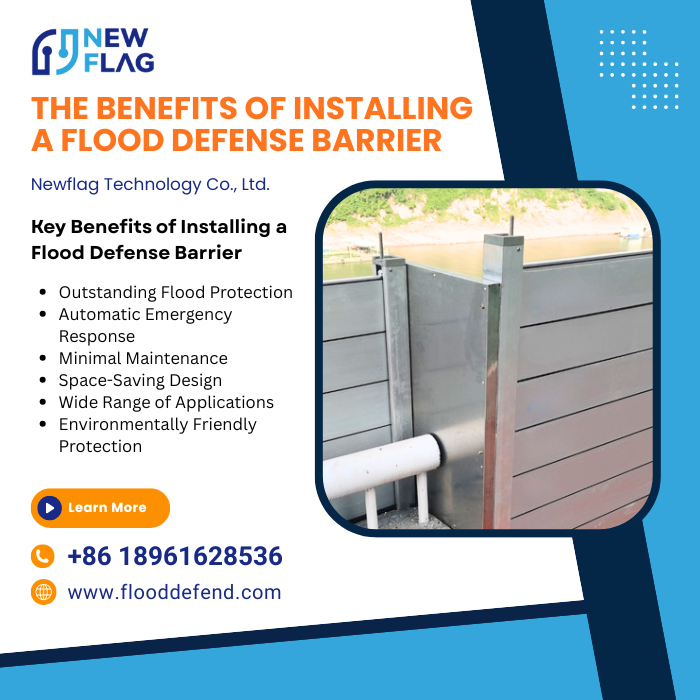
Key Benefits of Installing a Flood Defense Barrier
1. Outstanding Flood Protection
Effectively blocks floodwater from entering vulnerable areas.
Protects buildings, equipment, vehicles, and important inventory.
Reduces structural damage caused by sudden flooding.
2. Automatic Emergency Response
Activates automatically when floodwater reaches the designated level.
Eliminates the need for manual installation during emergencies.
Continues operating even during power outages.
3. Lower Repair and Recovery Costs
Prevents expensive flood-related repairs.
Reduces downtime for businesses after severe weather.
Helps protect valuable investments and property assets.
4. Durable and Weather-Resistant Construction
Manufactured using premium corrosion-resistant materials.
Designed to withstand repeated exposure to harsh weather conditions.
Provides reliable performance over many years.
5. Minimal Maintenance
Requires only routine inspections and simple cleaning.
Operates without continuous electricity consumption.
Reduces environmental impact compared to temporary flood control methods.
Supports sustainable flood management strategies.
Why Choose Newflag Technology Co., Ltd.?
Newflag Technology Co., Ltd. specializes in innovative flood protection technologies that deliver dependable performance in demanding environments. Their fully automatic underground garage flood barriers are engineered to activate using the force of rising water, providing immediate protection without manual intervention or external power sources. Each system is manufactured with strict quality standards, ensuring durability, reliability, and long-lasting performance.
With extensive industry experience, customized engineering solutions, and professional technical support, Newflag Technology Co., Ltd. helps customers safeguard residential, commercial, and industrial properties from costly flood damage. Investing in a high-quality Flood Defense Barrier not only enhances property safety but also provides lasting peace of mind during extreme weather events.