Why a Fanless Embedded PC Is the Ultimate Solution for Silent Computing!
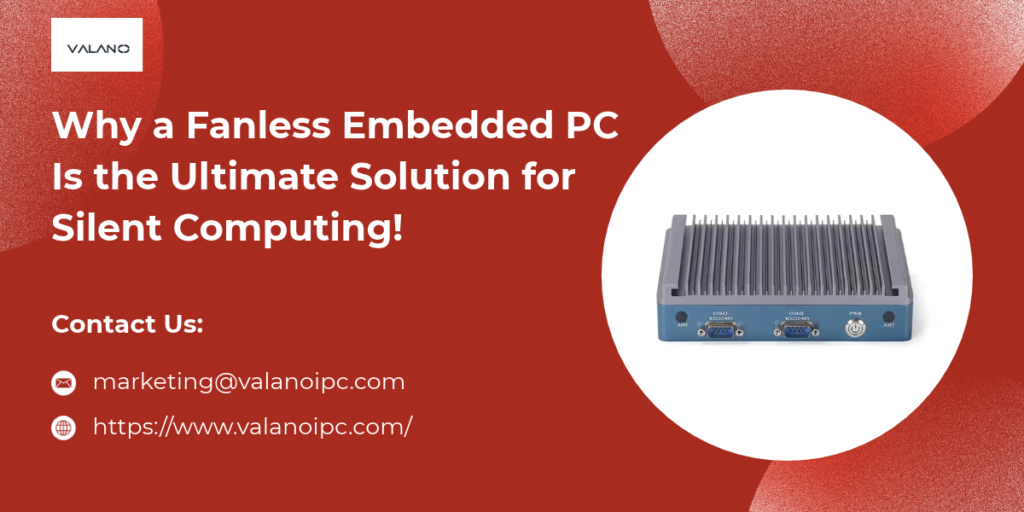
In a world increasingly dominated by automation, edge computing, and digital transformation, the demand for compact, reliable, and low-maintenance computing solutions has never been higher. One innovation rising to meet this need is the fanless embedded PC — a specialized computing platform engineered for silent, dust-resistant, and vibration-tolerant operation across industries ranging from industrial automation to medical devices, digital signage, and beyond.
Despite their apparent simplicity, the significance of silent computing cannot be overstated. Whether deployed on a bustling factory floor, inside a sterile laboratory, in a mission-critical control room, or within a high-end audio/visual installation, traditional PCs equipped with cooling fans can introduce noise, airflow disturbances, and even service issues due to dust accumulation or fan failure. Not only does fan noise disrupt concentration and reduce user comfort, but failed fans are a notorious source of system downtime and long-term reliability headaches.
This is where the fanless embedded PC comes in as the ultimate solution for silent computing. By elegantly dissipating heat through advanced heatsink designs, eliminating moving parts, and relying on solid-state components, these systems deliver robust performance in an ultra-quiet package. The benefits go far beyond silence: with no internal fans to collect dust or break down, fanless embedded PCs offer unmatched resistance to contamination and wear—making them ideal for harsh and clean environments alike.
At ValanoIPC, we specialize in designing and delivering fanless embedded PCs that are built for the real world. Our customer-centric engineering goes beyond the hardware, focusing on longevity, total cost of ownership, and seamless integration into industrial and commercial ecosystems. Whether your goal is to achieve stringent hygiene in food production, extend the service life of field devices, or enable noiseless control consoles in sound-sensitive environments, the right fanless embedded PC can make all the difference.
Why a Fanless Embedded PC Is the Ultimate Solution for Silent Computing
1. Understanding Fanless Embedded PCs
A fanless embedded PC is a compact, fully enclosed computer system designed to operate without fans, using passive cooling technology to dissipate heat. It’s typically built using low-power processors and solid-state storage, enclosed in a ruggedized, ventless chassis that often doubles as a heatsink. This category of computer is tailored for specialized industrial, commercial, and edge applications where reliability, noise reduction, and environmental resistance are paramount.
Key Features:
- Quiet Operation: No moving fans means zero operational noise.
- Vibration & Shock Resistance: No rotating components to fail, ideal for mobile or high-vibration setups.
- Dust & Particle Immunity: Sealed construction prevents dust, debris, or even small particles from clogging internals.
- Longevity: Fewer moving parts greatly increase reliability and reduce maintenance.
- Wide Temperature Range: Designed for continuous operation in extreme or fluctuating environments.
2. Why Noise Matters: The Importance of Silent Computing
In many industries, the sound of cooling fans is more than a nuisance—it’s a critical problem:
- Medical environments: Diagnostic labs, imaging suites, and patient care facilities demand silent, sterile environments.
- Recording studios/broadcast: Even minor acoustic noise can compromise audio quality.
- Retail & A/V: Digital kiosks, signage, and interactive displays must present a seamless and quiet customer experience.
- Control rooms/offices: Background hum adds up, affecting concentration and workplace comfort.
- Laboratories and cleanrooms: Moving air from fans risks cross-contamination.
Fanless embedded PCs eliminate these issues, enabling system planners and users to focus on performance—not distractions.
Also Read – What Is a Fanless Industrial PC and How Does It Work
3. The Technical Magic Behind Fanless Embedded PCs
a) Passive Cooling Design
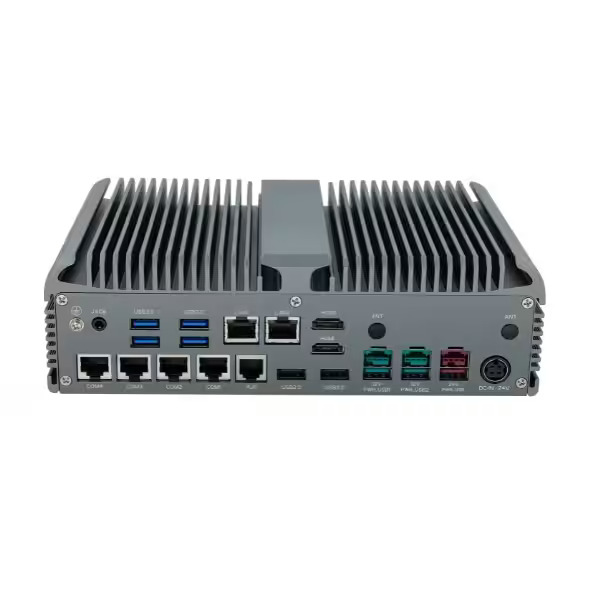
Fanless embedded PCs use an aluminum or alloy chassis with integrated heatsinks, drawing heat away from the CPU, GPU, and power supply for dissipation through the case itself. Strategic placement of thermal interface materials and carefully routed internal components maximize passive convection and ensure continuous reliability—even at high loads.
b) Energy-Efficient Processing
Modern fanless embedded PCs feature low-power CPUs such as Intel Atom, Celeron, Core i-series (ultra-low voltage), or ARM processors, reducing thermal output while still supporting industrial workloads, control logic, local analytics, and high-speed networking.
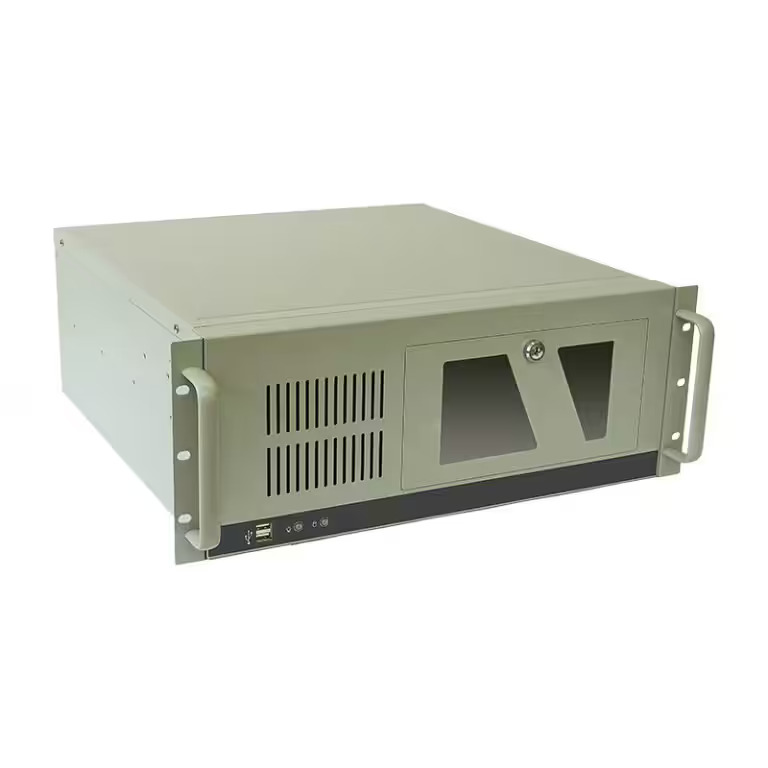
c) Solid-State Storage
SSDs and eMMC flash replace spinning hard drives, offering both speed and shock resistance—ideal for bumpy rides in vehicles, robotics, or outdoor installations.
d) Wide Environmental Tolerance
With no intake or exhaust needed, these systems operate from -20°C up to +70°C (or even wider with industrial-grade components), suiting outdoor kiosks, warehouse automation, or remote asset control.
4. Key Benefits of Deploying a Fanless Embedded PC
A. Truly Silent Operation
Eliminate background hum, noise pollution, and distractions from your workspace or public area, creating a more focused environment for both staff and customers.
B. Enhanced System Reliability
No fans = no clogged heat sinks, failed bearings, or unexpected shutdowns. Dust remains outside, and the sealed enclosure shrugs off contaminants.
C. Lower Maintenance and TCO
Forget about cleaning or replacing fans. The robust design minimizes scheduled service, reduces spare part inventories, and decreases labor needs for field support.
D. Space and Power Savings
Compact, energy-efficient CPUs and streamlined board layouts mean small footprints and minimal energy consumption—great for edge devices, tight panels, and solar/battery-powered systems.
E. Greater Flexibility and Scalability
Many fanless embedded PCs feature DIN-rail or VESA mounting, customizable I/O (serial, digital, CANbus, USB, HDMI, PoE), and remote management features—letting you scale and adapt in place.
5. Common Industrial and Commercial Use Cases
a) Industrial Automation & Control
- PLC replacement, machine vision, motion control, and real-time analytics.
- Placement inside control cabinets, close to sensors or actuators, without airflow concerns.
b) Medical Devices & Imaging
- Patient monitoring stations and diagnostic platforms in sterile zones.
- Imaging readers and lab analyzers that must run silent and clean.
c) Digital Signage & Kiosk Systems
Retail displays, transportation infotainment, airport wayfinding — silent operation means customer attention stays on your message, not your hardware.
d) Transportation & Mobile Applications
Deployed in trains, buses, or AGVs where vibration and power fluctuation would cripple a fan-cooled device.
e) Audio/Video Production
Fanless embedded PCs act as media players, live feed encoders, or DAW hosts where silence is mission critical.
f) Edge Computing & IoT Gateways
Distributed computing nodes in smart cities, remote monitoring, or on oil platforms—hard-to-service locations where reliability is king.
Read more – Why a Fanless Embedded PC is the Ideal Choice for Rugged Environments!
6. Making the Right Choice: How to Select a Fanless Embedded PC
Step 1: Define Environmental and Application Requirements
- Temperature range: Where will the PC operate? Outdoor, vehicles, freezers?
- Power profile: Is power limited or variable? Need for DC jacks, PoE, or battery backup?
- Mounting and size: DIN rail, wall, panel, or custom mounting? Space constraints?
- Connectivity: How many USB, COM, audio, network, video, or industrial I/O ports?
- Certifications: Does your application require CE, UL, FCC, medical, or transportation approvals?
Step 2: Match Performance to Demand
- Processor power: Is control logic, data logging, or video analytics needed?
- Storage: SSD size, RAID options, removable media?
- RAM: For database, video, or high-speed industrial tasks, more memory may be required.
Step 3: Plan for Remote Management and Security
- Out-of-band management: vPro, IPMI, remote power cycle, firmware updates.
- Security: TPM, encrypted storage, secure boot, network isolation.
Step 4: Verify Vendor Support and Lifecycle
- Long-term availability: Will the device be produced for years to come?
- Warranty and support: Local replacements, quick RMAs, and knowledgeable engineering support.
At ValanoIPC, we help customers navigate these criteria to ensure an optimal fit—protecting your investment for the long run.
7. Fanless Embedded PC Deployment Examples
Manufacturing:
A high-tech assembly plant replaced aging desktop PCs with fanless embedded PCs from ValanoIPC, resulting in a dramatic decrease in downtime due to dust-induced fan failures and improved 24/7 reliability on the line.
Pharmaceuticals:
A biotech R&D lab installed fanless embedded PC in its cleanrooms, keeping data recording totally silent while meeting GMP standards for particulate-free environments.
Retail:
A nationwide chain integrated ValanoIPC’s fanless embedded PCs into its self-serve kiosks, improving customer experience—no complaints about cooling noise or failures after several summer heat waves.
Transportation:
A light rail operator achieved tenfold savings in downtime and maintenance by switching vehicle surveillance recorders to fanless models, unaffected by shock and vibration.
8. Tips for Maximizing Value from Your Fanless Embedded PC
- Install in proper orientation: Allow convective airflow around heat sinks.
- Keep enclosures clear: Avoid blocking ventilation fins with debris or walls.
- Plan for surge/brownout protection: Use provided DC power features or UPS.
- Update firmware/OS: Take advantage of security and performance updates from your provider.
- Monitor thermal loads: Use onboard sensors (where available) to ensure temperature compliance.
9. Emerging Trends in Fanless Embedded PC Design
- AI and Edge Inference: Modern fanless designs accommodate GPUs or ASICs for real-time video analytics and machine learning at the edge—without noise.
- Industrial IoT Connectivity: More systems offer versatile 5G/LTE, LoRaWAN, and edge data pipeline support.
- Sustainable Materials: Eco-friendly manufacturing and recyclability, aligning with green IT initiatives.
- Extreme Miniaturization: Smaller yet more powerful systems for smart panels, wearable industrial devices, and sensor hubs.
In environments where silence is golden—and reliability is non-negotiable—a fanless embedded PC is the clear choice. Engineered to withstand dust, vibration, and 24/7 operation, these systems deliver robust computing power without a whisper of noise or the worry of mechanical breakdowns. At ValanoIPC, we’re committed to making silent computing simple, sustainable, and effective for every industry.

Frequently Asked Questions (FAQ) About Fanless Embedded PCs
Q1: What exactly makes a PC “fanless” and why is it better?
A fanless embedded PC eliminates internal fans, using passive heat dissipation through its case. This means no noise, less dust risk, and higher reliability due to removing a common failure point—making it ideal for industrial, medical, and public deployments.
Q2: Can a fanless embedded PC really handle industrial workloads?
Absolutely! With the right processor selection, many fanless embedded PCs from ValanoIPC can run multi-threaded automation, analytics, and control workloads, replacing traditional PLCs or desktops—without the fragility of spun fans.
Q3: Are there limitations to fanless embedded PCs?
While modern fanless designs support a wide variety of applications, ultra-high-performance tasks (like heavy video rendering or gaming) may exceed their cooling capacity. However, for most industrial/edge uses, performance is more than sufficient.
Q4: How long does a fanless embedded PC last?
Typical lifespans exceed 7–10 years, as there are no moving parts to wear out. ValanoIPC ensures long-term availability and spare parts support for future-proofing.
Q5: What environments are ideal for deploying a fanless embedded PC?
Any setting where dust, shock, noise, or maintenance is a concern: plant floors, kiosks, cleanrooms, mobile vehicles, labs, hospitals, smart buildings, and outdoor enclosures.
Q6: How are fanless embedded PCs maintained?
Minimal maintenance! Just check external fins for blockages during regular site cleaning. No internal dusting or fan replacement needed.
Q7: Do fanless embedded PCs use more power than regular PCs?
Rarely. In fact, they often use much less, as they are designed for efficiency, with low-voltage processors and carefully optimized power management systems.
Q8: Can I upgrade or repair my fanless embedded PC?
Many ValanoIPC models support field upgrades (RAM, storage, mini-PCIe modules), and we offer fast replacement if core components ever fail under warranty.
Q9: Are fanless embedded PCs secure?
Yes—they often offer TPM chips, secure boot, hardware encryption, and software lockdown for high-assurance applications.
Q10: How can I get started selecting the ideal fanless embedded PC for my needs?
Contact the ValanoIPC team for tailored guidance. We’ll review your application, environment, and budget, then recommend a model that’s optimized for silent performance and long-term value.