
Top Maintenance Tips to Extend the Life of Your Cotton Conveyor Belt!
In the dynamic world of material handling, the reliability and efficiency of conveyor systems continue to be a defining factor for success across multiple industries. Among the diverse types of conveyor belts in use, the Cotton Conveyor Belt—valued for its biodegradable, lightweight, and anti-static properties—holds a unique position in industries such as agriculture, textile, food processing, and packaging.
1. Understanding the Importance of Cotton Conveyor Belt Maintenance
To appreciate why routine maintenance matters, it’s worth exploring the structure and function of a cotton conveyor belt. Made from natural cotton fibers, these belts provide gentle handling, superior grip, and excellent absorption properties, making them suitable for transporting sensitive materials.
However, unlike synthetic belts, cotton belts require vigilant attention. The organic fibers are susceptible to factors such as moisture, excessive friction, misalignment, and contaminants. Neglected maintenance not only shortens belt life but also increases downtime, damages products, and raises energy costs as systems work harder to compensate for inefficiencies.
Benefits of proper maintenance include:
- Increased lifespan of your cotton conveyor belt.
- Better energy efficiency and reduced downtime.
- Consistent product quality and reduced material loss.
- Safer working environments for maintenance staff.
By understanding the root causes of wear and proactively addressing them, you minimize the risk of unplanned stops and unexpected expenses.
2. Routine Inspection: The First Line of Defense
Successful maintenance always begins with regular inspection. A carefully planned inspection schedule allows you to catch issues early before they become critical.

A. Frequency of Inspections
- Daily: Visual and audible checks for unusual belt sounds, obvious damage, or misalignment.
- Weekly/Monthly: Closer inspections for tension, frays, tears, or uneven wear.
- Quarterly/Annually: Examination of rollers, pulleys, belt joints, and the entire conveyor assembly.
B. What to Look For
- Surface Wear: Check for areas that appear more worn or glazed than others.
- Fraying Edges: Unraveling cotton fibers indicate excessive friction or misalignment.
- Cracks and Tears: Any visible damage calls for prompt attention or repair.
- Belt Tracking: Ensure the belt runs true to the center of rollers without drifting or rubbing on the frame.
- Abnormal Noise: Squeaking, grinding, or slapping noises often signal issues with tracking or tension.
Tip: Use a maintenance checklist tailored to your conveyor system’s specifications.
3. Proper Cleaning Techniques
Dirt, debris, and residue accumulate quickly on conveyor belts, leading to increased friction and reduced efficiency. Cotton conveyor belts, being porous, can trap contaminants more readily than their synthetic counterparts.
A. Recommended Cleaning Methods
- Dry Brushing: Use a soft-bristled brush to gently sweep away surface debris.
- Vacuuming: Regular vacuuming is ideal for removing fine dust from the belt’s surface and strands.
- Spot Cleaning: For stubborn stains or localized buildup, use a damp (not wet) cloth and a mild, non-abrasive detergent.
- Air Blowers: In some environments, an air blower can remove dust from hard-to-reach places.
B. What to Avoid
- Harsh chemicals: Bleach, solvents, or industrial cleaners can degrade cotton fibers and shorten belt life.
- High-pressure washing: Water can make cotton belts swell, leading to misalignment and possible mold growth.
C. Cleaning Frequency
The ideal frequency depends on the operating environment. For dusty industries, daily cleaning may be necessary, while less demanding environments may require weekly or bi-weekly cleaning.
Pro Tip: Always dry the belt thoroughly after any damp cleaning to prevent fiber swell or mold.
4. Belt Alignment and Tracking
Misalignment is a primary cause of edge fraying, excessive wear, and system inefficiency. Therefore, keeping your cotton conveyor belt correctly aligned is vital.
A. Causes of Misalignment
- Faulty or shifted rollers
- Defective pulleys
- Build-up of material on the belt or system frame
- Uneven load distribution
B. Correction Steps
- Adjust Rollers: Ensure all rollers are parallel and properly secured.
- Check Pulley Alignment: Use a straight edge or laser alignment tool.
- Position Loads Evenly: Place material evenly across the belt to avoid side load.
- Monitor After Adjustments: Re-inspect alignment 24-48 hours after making changes.
Even small deviations, if left uncorrected, can lead to expensive repairs and shortened belt life.
5. Managing Tension and Load
Tension, or the tightness of your cotton conveyor belt, plays a crucial role in performance and longevity. Both over-tensioning and under-tensioning can cause damage.
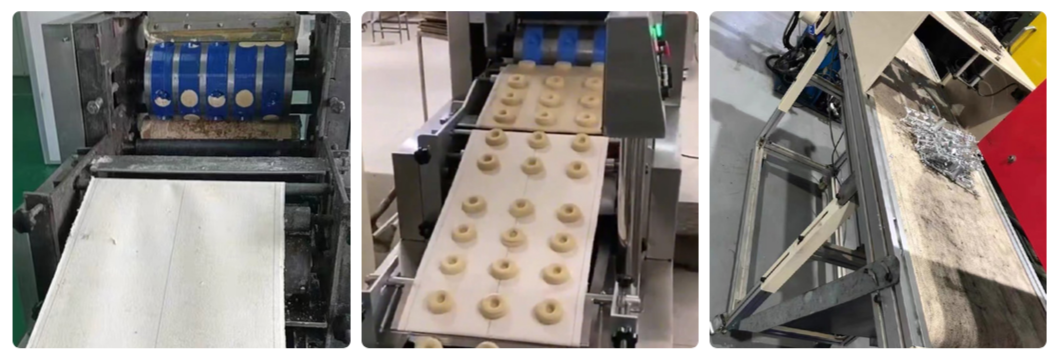
A. Correct Tensioning Procedures
- Manufacturer Guidelines: Always follow tensioning specifications supplied with your belt.
- Test by Hand: When pushed, the belt should dip slightly but remain taut.
- Adjust Gradually: Make small adjustments to avoid over-stressing the belt.
- Check Regularly: Environmental changes like temperature and humidity can affect cotton tension.
B. Effects of Improper Tension
- Over-Tensioning: Leads to stretched fibers, loss of elasticity, and premature snapping.
- Under-Tensioning: Can cause belt slipping, poor material handling, and irregular wear.
C. Preventing Slippage or Stretching
- Periodically check and adjust tension.
- Inspect belt for signs of elongation or looseness.
- Ensure consistent, well-defined load distribution.
6. Lubrication and Accessory Care
While cotton belts themselves don’t require lubrication, the conveyor’s moving parts—bearings, rollers, shafts—must be maintained to avoid excessive friction that could harm the belt.
A. Lubrication Tips
- Use Appropriate Lubricants: Choose lubricants compatible with food-safe or textile-use environments when necessary.
- Avoid Over-lubrication: Excess oil or grease can contaminate the belt, attracting more dust and debris.
- Clean Surroundings: Wipe away any spillage before restarting machines.
B. Accessory Maintenance
- Rollers and Pulleys: Clean and inspect for smooth rotation, wear, and correct alignment.
- Frame Supports: Ensure no sharp edges are touching the belt.
- Guides and Rails: Regularly check for buildup and proper spacing.
7. Addressing Common Problems in Cotton Conveyor Belts
Proactive maintenance means recognizing and responding to problems as soon as they arise.
A. Surface Glazing and Hardening
Repeated friction can cause cotton belt surfaces to become shiny and less grippy. Light sanding followed by cleaning can restore texture, but stabilize root causes like tension or misalignment.
B. Moisture and Humidity
Cotton is hygroscopic—meaning it readily absorbs moisture. High humidity or direct contact with water can cause swelling, fiber breakdown, and eventual rot. Maintain a controlled environment and minimize water exposure.
C. Managing Static and Dust
Excessive dust can cause static buildup, particularly in dry environments. Regular cleaning and checking for grounding within your conveyor system will reduce static-related threats.
D. Troubleshooting Tracking Issues
If the belt keeps drifting:
- Check all rollers and pulleys for proper alignment and even wear.
- Look for buildups restricting free movement.
- Readjust and retest after making any changes.
8. Replacement vs. Repair: Making the Right Call
Eventually, belts fail due to fundamental wear. Knowing when to replace versus repair is crucial for cost-effective operations.
A. When to Repair
- Minor fraying at edges
- Small surface blemishes or minor tracking problems
- Localized damage from debris
B. When to Replace
- Extensive tearing or deep cracks
- Severe loss of EPT (Elastic Polyurethane Thread) core integrity
- Persistent tracking issues after repeated adjustments
- Noticeable lengthwise stretch that can’t be retensioned
C. Storing Replacement Belts
- Store in a cool, dry place away from sunlight.
- Avoid stacking in a way that causes deformation.
- Leave belts loosely coiled—do not bend tighter than the manufacturer’s minimum coil diameter.
D. Working with a Trusted Supplier
Shanghai Puteken Transmission System Co., Ltd. offers prompt delivery, expert technical support, and industry-grade belts—giving you confidence and reducing downtime.
9. Safety Considerations During Maintenance
Safety is paramount. Injuries can occur quickly if maintenance is performed on active or improperly secured systems.

A. Lockout/Tagout Procedures
- Always shut down and lock out energy sources before maintenance.
- Tag the equipment to alert others that maintenance is ongoing.
B. Personal Protective Equipment (PPE)
- Wear gloves when handling the cotton conveyor belt.
- Use safety goggles to protect from debris when brushing or blowing.
- Wear non-slip shoes to prevent falls in damp environments.
C. Set up a Safe Area
- Post warning signs around the working area.
- Notify your team about ongoing maintenance.
- Arrange tools and replacement parts within easy reach to avoid unnecessary movement.
10. Record-Keeping and Maintenance Scheduling
Good record-keeping adds consistency to your maintenance efforts.
A. Maintenance Logs
- Record every inspection, noting belt condition and any adjustments.
- List cleaning dates and products used.
- Track tension checks and replacement history.
B. Scheduling Maintenance
- Use digital maintenance management software to automate reminders.
- Assign specific tasks to team members.
- Review logs regularly to spot trends and anticipate issues.
Proactive maintenance is the cornerstone of a reliable, enduring, and high-performing cotton conveyor belt system. From careful inspection and gentle cleaning to precise tensioning and proper alignment, each step detailed above contributes directly to longer belt life and better operational efficiency. At Shanghai Puteken Transmission System Co., Ltd., we combine advanced manufacturing with comprehensive support, empowering you to maintain a safe, productive facility.
Frequently Asked Questions (FAQs)
Q1: How often should I inspect my cotton conveyor belt?
A: Daily visual inspections are recommended, with more detailed assessments weekly and monthly. Regular inspections help you spot early warning signs of wear and address them before they lead to larger problems.
Q2: Can I use water for cleaning my cotton conveyor belt?
A: It’s best to avoid water unless absolutely necessary. Cotton belts can absorb water, leading to swelling or mildew. Dry brushing or vacuuming is usually sufficient. If you must use damp cleaning, dry the belt thoroughly afterwards.
Q3: What are the most common causes of premature cotton conveyor belt failure?
A: Improper tensioning, misalignment, and contamination with debris or chemicals are leading causes. Regular inspection and proper handling mitigate these risks.
Q4: How do I know whether to repair or replace my cotton conveyor belt?
A: Minor fraying and small tears may be repaired, but widespread damage, severe cracking, or persistent misalignment indicate it’s time for a replacement.
Q5: Can Shanghai Puteken Transmission System Co., Ltd. help with on-site maintenance?
A: Yes, our technical support team provides on-site and remote services for installation, inspection, maintenance, and troubleshooting.
Q6: What should I do if the belt keeps slipping or stretching?
A: Check and adjust tension, inspect for overloading, and examine pulleys for smooth operation. Persistent slippage may indicate the need for belt replacement.
Q7: Are cotton conveyor belts suitable for high-temperature or chemical environments?
A: Cotton belts are best used for light to medium-duty tasks and where gentle handling is required. Harsh chemicals or high temperatures can degrade natural fibers.
Q8: How long will a cotton conveyor belt last with proper maintenance?
A: With diligent care, a high-quality cotton conveyor belt from Shanghai Puteken Transmission System Co., Ltd. can last several years, depending on load and environment.

