Silk Screen Printing Explained: From Craft to Commercial Success!
In the world of decorative and functional graphics, silk screen printing stands out as a time-tested, versatile technique that bridges the gap between artisanal craftsmanship and high-powered industrial production. As markets evolve and customer demands for both quality and customization surge, silk screen printing continues to lead as a reliable and innovative solution for everything from fine art prints to mass-produced signage, textiles, and polycarbonate sheets. At Excelite International Limited, we have witnessed—and contributed to—the remarkable journey of silk screen printing, as it has grown from a centuries-old craft into a cornerstone of commercial manufacturing.
Initially prized for its simplicity and visual impact, silk screen printing has transitioned seamlessly into a wide range of fields. This transition was made possible thanks to technological advancements, better inks, improved materials, and a deeper understanding of print science. Today, silk screen printing is not just popular in small artisan studios—it has also become indispensable for product labeling, circuit board manufacturing, and modern architectural glazing. With the convergence of tradition and technology, silk screen printing remains both an art form and an engine of economic success.
1. Origins and History of Silk Screen Printing
Silk screen printing traces its roots back over a thousand years, originating in ancient China and spreading through Asia. Artisans used woven silk mesh as a stencil, precisely applying ink to fabric and parchment.
As the craft reached Japan and later Europe, the methods and materials continued to evolve. By the early 20th century, silk screen printing had become a favored medium for artists like Andy Warhol, whose iconic pop art works brought screen printing broader public recognition. Eventually, with the advent of synthetic fabrics and new ink chemistry, the stage was set for mass adoption in industrial applications.
2. The Science and Art of Silk Screen Printing
At its essence, silk screen printing is a stencil-based printing method. The process involves pushing ink through a mesh screen (traditionally silk, now often polyester) that’s been masked in areas, creating a sharp-edged image on a substrate like fabric, glass, metal, or plastic.
Key elements include:
- A screen or mesh stretched over a frame.
- A stencil made from blocking out spaces where ink should not be transferred.
- A squeegee that spreads ink across the screen and forces it through the open mesh onto the material beneath.
While the basic principles have remained constant, the evolution of stencils, mesh materials, and inks has dramatically increased the versatility and quality of the output.
3. Manual Silk Screen Printing: Craftsmanship at Its Core
For centuries, all silk screen printing was done by hand. Artists and craftsmen meticulously prepared their screens, used brushes and squeegees to apply ink, and produced each piece individually. Even today, many artists and boutique print shops use this method for limited editions and specialty runs, valuing the tactile control and unique imperfections.
Benefits of manual silk screen printing include:
- Total artistic control
- Small-batch customization
- Ability to experiment and innovate with texture and color
However, this method is time-consuming and less suited for large-scale commercial production.
4. From Workshop to Factory: The Commercialization of Silk Screen Printing
The commercial evolution of silk screen printing was spurred by technological advancements. The invention of photo-reactive stencils (emulsion screens) and mechanized presses allowed the process to scale. Automated equipment enabled repeatability, speed, and consistency, turning silk screen printing into an industrial mainstay.
Transformative developments included:
- Multi-color rotary presses
- UV-curable inks
- Automated screen preparation and cleaning systems
Now, businesses like Excelite International Limited employ state-of-the-art machinery, ensuring that every print run meets exacting standards.
5. Key Industries that Rely on Silk Screen Printing
Silk screen printing is incredibly versatile, supporting a diverse mix of industries. Some of the most prominent include:
- Textiles: Custom garments, uniforms, and sportswear
- Electronics: Printed circuit boards (PCBs), membrane switches
- Packaging: Labels, containers, and signage
- Architecture: Decorative glass, display panels, polycarbonate sheets
- Promotional items: Pens, mugs, backpacks, and more
- Fine Art: Limited edition prints and posters
This widespread utility underscores why silk screen printing continues to be a dominant commercial process.
6. The Silk Screen Printing Process Step-by-Step
A clear understanding of the silk screen printing process reveals why it remains in high demand for both bespoke and large-scale projects. Here is a comprehensive breakdown:
Step 1: Artwork Preparation
Designs are created digitally, typically in vector format for clean, scalable lines and details. Each color requires a separate screen.
Step 2: Screen Creation
A mesh is stretched tightly across a frame. A photo-reactive emulsion is coated onto the mesh and allowed to dry in a darkroom setting.
Step 3: Emulsion Exposure
The artwork is printed or traced onto a transparent film, which is placed on the screen. The screen is then exposed to strong ultraviolet light. Areas blocked by the design remain unexposed and wash away later, creating the stencil.
Step 4: Screen Washing and Drying
After exposure, the screen is washed. The emulsion dissolves in image areas, leaving open mesh where ink will pass through.
Step 5: Setup and Registration
Multiple screens are aligned for multi-color prints, using registration guides to guarantee that each color lands perfectly in place.
Step 6: Printing
The screen is lowered onto the substrate. Ink is poured along one edge, and a squeegee is pulled across, forcing ink through the mesh only where the stencil permits.
Step 7: Curing
Printed materials are dried or cured, often using heat or UV light, to lock the ink in place for durability.
Step 8: Quality Control
Finished products undergo inspection for alignment, ink coverage, color fidelity, and overall quality.
This method ensures exceptional vibrancy and long-lasting prints, especially crucial for industrial applications.
Also Read – Silk Screen Printing Tips: How to Achieve Vibrant and Lasting Prints!
7. Materials and Equipment for Modern Silk Screen Printing
Contemporary silk screen printing employs a range of specialized tools and materials, including:
- Screens: Polyester mesh in various thread counts
- Frames: Aluminum or wood, built for durability and precision
- Emulsions: Water-based or solvent-resistant, chosen to match ink types
- Inks: Plastisol, water-based, solvent-based, UV-curable
- Squeegees: Different shapes and hardness (durometer) for specific tasks
- Presses: Manual, semi-automatic, and fully automated for any scale of production
- Drying/curing units: Conveyor dryers, flash cure stations, and UV ovens
These advances allow companies like Excelite International Limited to deliver reliable, repeatable excellence in every project.

8. Silk Screen Printing vs. Digital and Other Print Methods
While digital printing is growing rapidly, silk screen printing remains unrivaled in several respects. Here’s how they compare:
Silk Screen Printing:
- Outstanding for bold, opaque colors on dark surfaces
- Exceptional durability against abrasion and sunlight
- Ideal for large runs and specialty materials (glass, metals, plastics)
- Superior for textured and dimensional effects
Digital Printing:
- Best for photographic detail and small runs
- Quicker setup for single units or variable data
- Limited durability for outdoor or industrial use
Other Methods: (offset, heat transfer, etc.)
- Offset is great for flat paper in vast quantities
- Heat transfer is fast but less permanent on many substrates
Ultimately, silk screen printing’s tactile qualities, color vibrancy, and material flexibility make it a mainstay in both craft and commerce.
9. Innovations and Trends in Silk Screen Printing
The future of silk screen printing is bright, thanks to ongoing innovation:
- Eco-friendly inks: Water-based, low VOC, and non-toxic formulas
- Fine mesh technology: Allows for even greater ink precision and detail
- Hybrid printing: Combining screen and digital for bespoke effects
- Automation: Robotics and AI-driven presses for speed and consistency
- Specialty applications: 3D effects, conductive inks for smart electronics, anti-microbial coatings
At Excelite International Limited, we continually invest in these advancements, ensuring our clients get access to the finest print technologies.
10. Sustainability and Environmental Impact
With growing environmental awareness, the silk screen printing industry has made major strides in sustainability. Key eco-friendly measures include:
- Adoption of water-based and solvent-free inks
- Efficient use of screens and minimal waste through digital pre-press
- Recycling of frames and eco-wise emulsion reclamation
- Energy-saving drying technologies
These shifts not only reduce environmental impact but also align with consumer demand for greener products.
11. Applications: Beyond the T-Shirt
Though silk screen printing initially gained fame through custom t-shirts and poster art, its commercial applications are almost limitless. Excelite International Limited utilizes silk screen printing for:
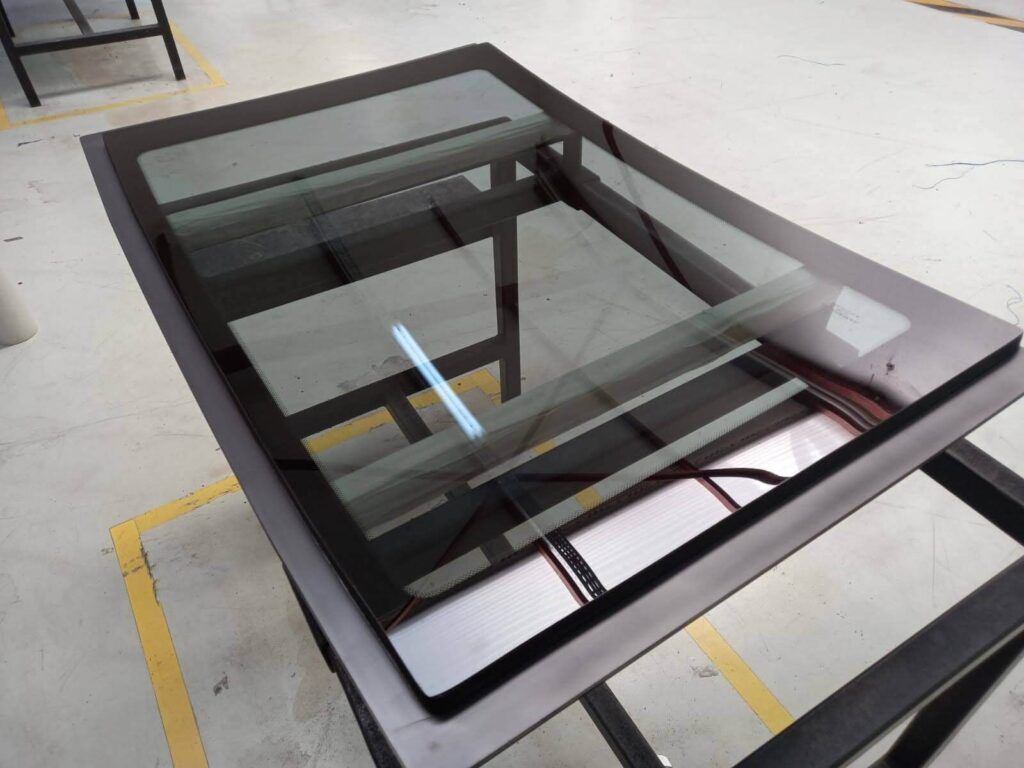
- Architectural Glazing: Adding logos, privacy bands, and safety markers to glass and polycarbonate panels
- Industrial Labels: Durable, barcode and logo printing on machine housings and tools
- Signage: Weatherproof and vibrant outdoor signs for businesses
- Branding: High-visibility graphics for consumer electronics and automotive dashboards
- Medical and Laboratory Equipment: Permanent, high-contrast markings for safety and instructions
These capabilities highlight the adaptability and enduring value of silk screen printing in modern manufacturing.
12. Silk Screen Printing at Excelite International Limited
Our journey at Excelite International Limited mirrors the greater story of silk screen printing. With decades of expertise, we have mastered the integration of traditional knowledge with modern technology. Our workshop features:
- State-of-the-art automated presses for large commercial runs
- Dedicated zones for manual and small-batch artistic printing
- Strict quality control for every project, big or small
- Collaboration with industrial clients, artists, and architects to deliver bespoke solutions
Whether you require functional durability on a polycarbonate sheet or unique, decorative flair for boutique glass, our team ensures that every project is a commercial success.
From its humble roots as an ancient craft to its current standing as a powerhouse of industrial production, silk screen printing continues to bridge artistry with commercial achievement. At Excelite International Limited, we are proud to sustain this tradition, delivering vibrant, durable, and cutting-edge printing solutions for every customer’s needs. By investing in innovation, sustainability, and skilled craftsmanship, we ensure that silk screen printing will remain an essential force in manufacturing—and an agent of commercial success—for generations to come.

FAQ: Silk Screen Printing Unwrapped
Q1: What materials can be used with silk screen printing?
A1: Virtually any flat or gently curved surface. Popular substrates include textiles (cotton, polyester), plastics (polycarbonate, acrylic), glass, metal, paper, ceramics, and wood.
Q2: How does silk screen printing compare in cost and efficiency to other methods?
A2: For medium to large runs, silk screen printing is highly cost-effective thanks to low ink costs and speed. For single items or photographic images, digital printing may be more affordable due to lower setup costs.
Q3: Is silk screen printing environmentally friendly?
A3: Yes, when using modern water-based inks and proper reclamation methods for screens and solvents. Excelite International Limited commits to sustainable production in every project.
Q4: Can silk screen printing achieve fine detail?
A4: Absolutely—modern high-tension polyester meshes enable extremely fine lines and halftones, suitable for text, barcodes, and intricate graphics.
Q5: How durable are the prints?
A5: Silk screen printing inks are among the most robust, often resisting UV light, abrasion, chemicals, and laundering.
Q6: Can I use silk screen printing for 3D or irregularly shaped objects?
A6: While best for flat surfaces, flexible screens and specialized jigs allow for limited application on curves and 3D forms.
Q7: Are there limitations on ink colors?
A7: No—custom color mixing is a core advantage. Simultaneous multi-color printing is possible, but each color does require its own screen.
Q8: What’s the typical turnaround time for silk screen printing projects?
A8: Depending on the complexity and scale, typical projects range from a few days to several weeks. Automated equipment shortens production timelines for large orders.