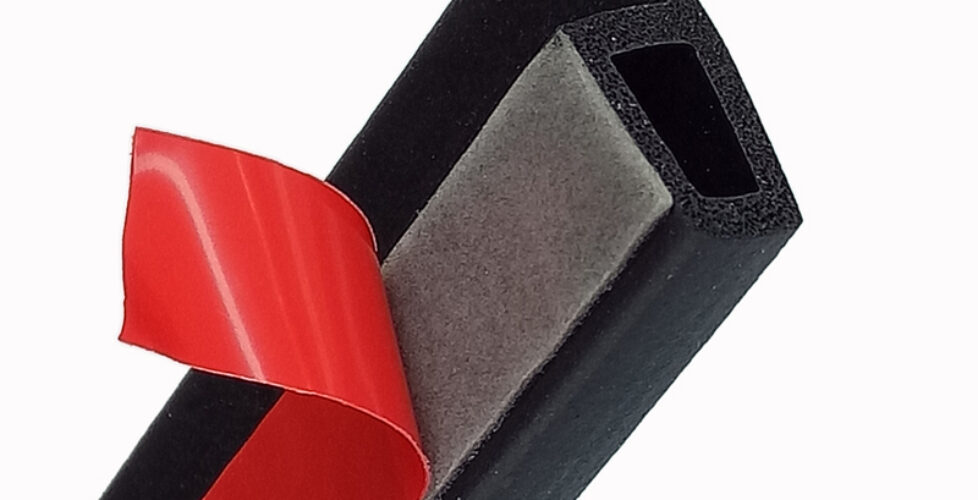
Rubber Adhesive Strips: Versatile Solutions for Home and Industry!
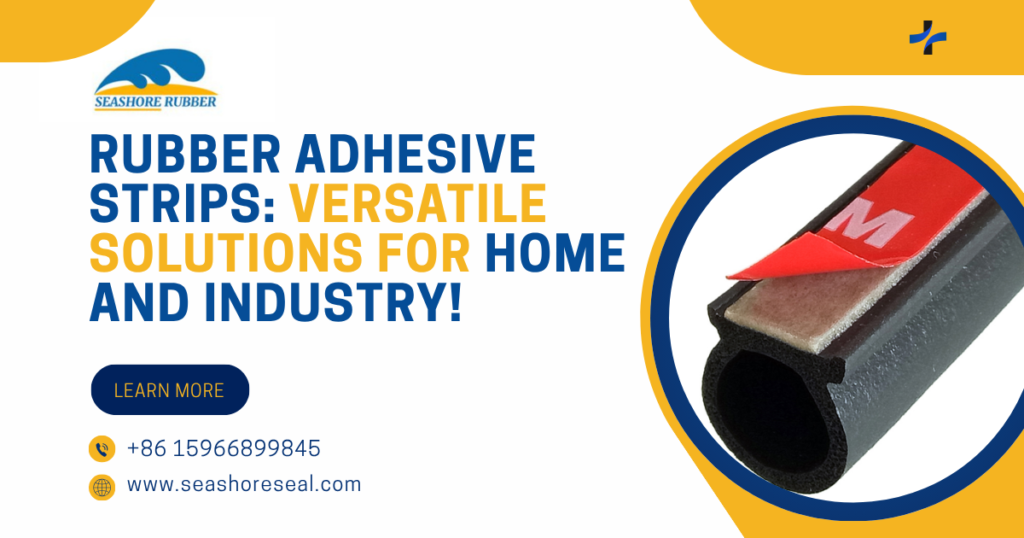
In today’s fast-paced world, the demand for versatile, reliable, and efficient solutions is greater than ever—both in domestic environments and across diverse industries. Whether you are looking to weatherproof your windows, seal machinery, cushion delicate parts, or execute a quick repair at home, the right material can make the difference between a temporary fix and a long-lasting solution. Among the many smart, adaptable products available, rubber adhesive strips stand out as a go-to choice that caters to an extensive range of needs.
At Qingdao Seashore Industrial Co., Ltd., we are committed to providing practical, high-quality products that address real-world challenges. Rubber adhesive strips, thanks to their unique combination of flexibility, strength, and ease of use, are at the forefront of this effort. These strips serve as a crucial component in thousands of applications, offering sealing, insulating, cushioning, and mounting solutions that are trusted by households and industries alike.
But what makes rubber adhesive strips so effective and indispensable?
These strips consist of a flexible rubber backing—often made from materials like EPDM, neoprene, or silicone—paired with a pressure-sensitive adhesive that firmly bonds to various surfaces. Unlike traditional mechanical fasteners or liquid adhesives, rubber adhesive strips are clean, quick to apply, and often require no special tools. Moreover, they offer long-term performance under a wide range of environmental conditions, making them suitable for both indoor and outdoor usage.
1. What Are Rubber Adhesive Strips?
Definition and Structure:
Rubber adhesive strips are flexible bands or rolls of rubber material with a strong adhesive backing. This combination allows for quick application onto surfaces without the need for additional tools or fasteners.
Common Rubber Materials Used:
- EPDM (Ethylene Propylene Diene Monomer): Known for weather resistance and longevity
- Neoprene: Excellent chemical resistance
- Silicone: Ideal for high-temperature environments
- Nitrile: Favored for oil and fuel resistance
These materials ensure that rubber adhesive strips can withstand various physical, chemical, and environmental factors while maintaining their sealing, cushioning, or insulating properties.
2. Key Features and Benefits
Why are rubber adhesive strips so popular?
Their benefits span from easy installation to high durability. Here are some of the most significant:
- Quick and Easy Application: Peel-and-stick design saves time and effort.
- Strong Adhesion: Bonds securely to various surfaces, including metal, glass, plastic, and wood.
- Waterproof and Weatherproof: Effective for both indoor and outdoor usage.
- Excellent Flexibility: Adapts to curved or uneven surfaces.
- Versatile Functionality: Suitable for sealing, insulation, sound dampening, cushioning, mounting, and more.
- Cost-Effective: Reduces labor and material costs.
- Customizable: Available in a vast range of thicknesses, widths, densities, and materials.
3. Applications in Home Settings
Rubber adhesive strips have become a staple in home improvement and maintenance due to their versatile capabilities. Some common uses include:
- Weatherstripping Doors and Windows: Prevents drafts, dust, and moisture ingress.
- Soundproofing Rooms: Damps noise when applied around doors or between floors.
- Vibration Dampening for Appliances: Minimizes noise and prevents shifting.
- Sealing Gaps and Cracks: Around pipes, skirting boards, and countertops.
- Leak Prevention: In bathrooms, kitchens, and laundry rooms.
- DIY Repairs: Temporary or permanent fixes for a variety of household problems.
With simple installation, even homeowners with minimal experience can achieve a professional finish that enhances both comfort and energy efficiency.
4. Industrial Uses and Advantages
In industrial environments, rubber adhesive strips are indispensable for a host of applications:
- ealing Machinery and Equipment: Protects mechanical components from dust, moisture, and contaminants.
- Cabinet and Enclosure Sealing: Ensures electrical panels and control boxes remain dust and water resistant.
- Cushioning and Padding: Protects products during shipping or against vibration during operation.
- Thermal Insulation: Used in HVAC systems to prevent heat loss and condensation.
- Noise Control: Applied in manufacturing facilities to dampen sound and reduce workplace noise.
- Mounting Components: Provides temporary or permanent fixing without drilling holes or using screws.
Their adaptability, coupled with high-performance materials, makes rubber adhesive strips ideal for sectors such as automotive, electronics, HVAC, construction, marine, and more.
5. How to Choose the Right Rubber Adhesive Strip
Selecting the best product depends on several critical factors:
- Application Environment: Exposure to sunlight, moisture, chemicals, or extreme temperatures.
- Surface Type: Metal, glass, plastic, painted surfaces, or rough/uneven surfaces.
- Required Performance: Strength of adhesion, flexibility, thickness, temperature resistance, durability.
- -Specific Functions: Whether you need sealing, insulation, vibration damping, or mounting.
At Qingdao Seashore Industrial Co., Ltd., our team assists every client in choosing the most suitable product based on these considerations, ensuring maximum performance and longevity.
6. Customization with Qingdao Seashore Industrial Co., Ltd.
One size does not fit all.
That’s why Qingdao Seashore Industrial Co., Ltd. offers a full range of customization options for rubber adhesive strips:
- Material Selection: From EPDM and neoprene to silicone and nitrile.
- Thickness and Width: Precision cut to your requirements for a perfect fit.
- Adhesive Strength: Varying grades for different surfaces and applications.
- Color and Finish: For aesthetic or functional considerations.
- Shape and Length: Available in rolls, strips, die-cut shapes, or pre-cut pieces.
From initial consultation and prototype development to mass production and timely delivery, we provide end-to-end support to ensure your solution fits seamlessly into your application.
7. Installation Techniques and Best Practices
For optimal results, it’s important to follow best practices:
- Surface Preparation: Clean and dry surfaces thoroughly before application.
- Correct Measurement: Measure and cut strips precisely to avoid wastage.
- Firm Pressure Application: Ensures maximum adhesive bond.
- Environmental Considerations: Apply at recommended temperatures for best adhesion.
- Allow Curing Time: Some adhesives reach maximum strength after a set period.
- Avoid Overstretching: This can reduce the effectiveness of the strip.
Detailed instructions are supplied with all our products, and our customer service team is available to offer advice.
8. Maintenance and Longevity Tips
With proper care, rubber adhesive strips can deliver years of dependable service:
- Regular Inspections: Check for signs of wear, delamination, or brittleness.
- Prompt Replacement: Change out any damaged or degraded strips quickly.
- Gentle Cleaning: Use mild soapy water for regular dust or dirt.
- Avoid Harsh Chemicals: These can degrade the rubber and adhesive.
- Storage Tips: Keep unused rolls in a cool, dry place away from sunlight or heat.
9. Environmental and Safety Considerations
Qingdao Seashore Industrial Co., Ltd. is dedicated to sustainable, safe manufacturing practices:
- Eco-Friendly Materials: Many of our products are RoHS and REACH compliant.
- Non-Toxic Adhesives: Safe for indoor use, including in sensitive environments like hospitals or food processing.
- Disposal: Used or expired strips can be disposed of as general waste, although some recycling options may be available depending on local regulations.
- Safety Data Sheets: Available for all materials used, upon request.
Rubber adhesive strips are among the most practical and adaptable solutions available for both home and industry. Their combination of durability, strength, and ease of use makes them an essential addition to any toolbox or production line. At Qingdao Seashore Industrial Co., Ltd., we pride ourselves on providing not just premium products but also expert guidance and unmatched customer support.
Frequently Asked Questions (FAQ)
Q1: Can rubber adhesive strips be used outdoors?
A: Yes, many of our rubber adhesive strips are designed to withstand weather, UV rays, and temperature extremes, making them suitable for outdoor use.
Q2: How do I know which rubber material is best for my application?
A: Our experts are happy to consult with you to determine which material—EPDM, neoprene, silicone, etc.—will provide the best performance for your needs.
Q3: Are rubber adhesive strips reusable?
A: Generally, once applied, the adhesive is designed for a permanent bond. For reusable solutions, contact us to discuss removable or repositionable adhesive options.
Q4: Can I order rubber adhesive strips in custom sizes?
A: Absolutely! Qingdao Seashore Industrial Co., Ltd. specializes in custom-cut rubber adhesive strips tailored to your specific requirements.
Q5: How long will rubber adhesive strips last?
A: With proper installation and maintenance, these strips can last for many years even in demanding conditions. Longevity depends on factors like environment, exposure, and application.
Q6: Are your products environmentally friendly?
A: Yes. We use eco-friendly materials whenever possible, and our products comply with international environmental standards.
Q7: What surfaces do your adhesive strips bond to the best?
A: Most of our rubber adhesive strips bond well with clean, dry surfaces like glass, metal, smooth plastics, and painted wood. Always check compatibility with your specific surface.