How to Choose the Right n type topcon bifacial solar panel for Your Project!
Shenzhen, China — November16,2026
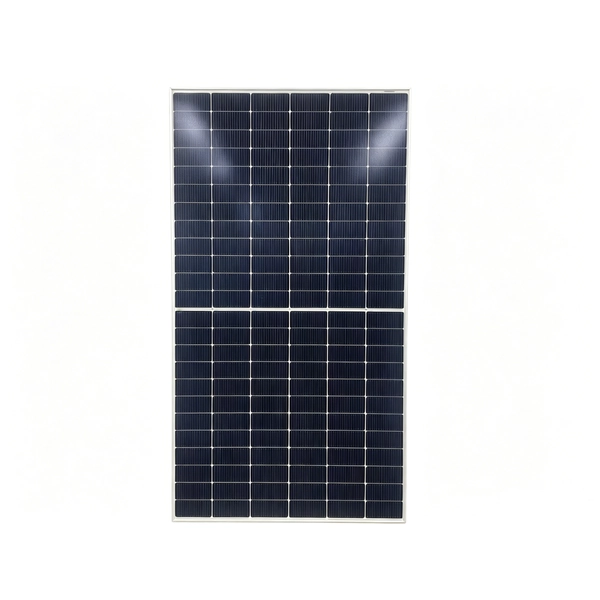
Shenzhen Sungreat Energy Technology Co., Ltd. announces the launch of its n type topcon bifacial solar panel and shares practical guidance to help project owners assess site conditions, product specifications, system compatibility, and long-term value.
Shenzhen Sungreat Energy Technology Co., Ltd. today announced the launch of a product named n type topcon bifacial solar panel. Alongside the launch, the company is sharing information to help solar project owners, developers, installers, and distributors understand what to consider when evaluating this type of module.
The product’s name identifies three elements that may be relevant when comparing solar panels: an N-type cell structure, TOPCon cell technology, and a bifacial design. However, a technology label alone does not establish whether a module is appropriate for a specific project. Buyers should also review the product’s current datasheet, electrical and mechanical specifications, compliance documents, warranty terms, and installation requirements.
“Choosing a solar panel should start with the project’s needs and conditions,” said Adam Yu, spokesperson for Shenzhen Sungreat Energy Technology Co., Ltd. “Our launch of the n type topcon bifacial solar panel is an opportunity to encourage customers to compare technical information carefully. In particular, they should consider how the module will work with the site, mounting system, inverter, and local requirements.”
The company has not provided specific power ratings, dimensions, certifications, warranty durations, or availability details in this announcement. Therefore, interested buyers should request current, model-specific product documentation from Shenzhen Sungreat Energy Technology Co., Ltd. or an authorized representative before making procurement decisions. Product configuration and applicable requirements may vary by market and project.
Understanding the Product Name
The terms in a solar module’s name can help buyers understand its general technology category. Nevertheless, the name does not replace a complete review of the product specifications.
What does N-type mean?
N-type refers to a type of crystalline silicon cell structure. Solar manufacturers use different cell designs, and each product’s performance depends on its materials, manufacturing process, construction, and testing. Consequently, buyers should compare the manufacturer’s published data for the specific module rather than assuming that every N-type panel performs the same way.
When reviewing an N-type module, ask for the product datasheet and any relevant performance or reliability information. Check the power rating, electrical characteristics, temperature coefficient, mechanical specifications, and warranty terms. In addition, confirm that the documentation applies to the exact model being considered.
What does TOPCon mean?
TOPCon stands for Tunnel Oxide Passivated Contact, a solar-cell technology used in some crystalline silicon modules. As with other cell technologies, the name describes a design approach; it does not by itself tell a buyer how a particular panel will perform at a specific site.
For that reason, it is useful to compare complete module data, including rated output, module efficiency, temperature behavior, electrical limits, and any stated testing information. Buyers should also ask how the manufacturer’s data relates to the conditions expected at their project location.
What does bifacial mean?
A bifacial solar module is designed to receive light on both its front and rear sides. The front side receives direct sunlight, while the rear may capture some light reflected from the ground or nearby surfaces. The potential contribution from the rear side depends on the installation.
For example, ground reflectivity, mounting height, row spacing, shading, surface clearance, and site layout can all influence rear-side exposure. As a result, bifaciality does not guarantee a particular increase in energy production. Project designers should assess expected performance using site-specific assumptions rather than applying a generic uplift.
Start With the Project, Not the Product Label
Before selecting a module, project owners should define what the solar installation needs to accomplish. A residential rooftop, a commercial building, and a ground-mounted solar project may have different priorities. Available space, energy demand, electrical design, structural conditions, local climate, and project budget can all affect the choice.
Useful starting questions include:
- What is the project type and planned system size?
- How much roof or land area is available?
- Are there shading, orientation, or structural constraints?
- What are the local temperature, wind, humidity, and rainfall conditions?
- Will the panels be installed on a roof, carport, or ground-mounted structure?
- What inverter and mounting system are being considered?
- Which local standards, permits, and utility requirements apply?
- What delivery schedule and documentation does the project require?
By answering these questions first, buyers can compare products against clear criteria. Moreover, sharing this information with an installer or project designer can help identify potential compatibility issues before equipment is ordered.
Evaluate Bifacial Potential at the Site
A bifacial module’s rear-side contribution depends on what light can reach its back surface. Therefore, the installation design matters. A module mounted close to a dark roof may have different rear-side conditions from one installed above a light-colored or reflective surface. A ground-mounted system may have other design variables, including row spacing and ground cover.
Before assigning value to bifacial generation, project teams should consider:
- The type and reflectivity of the surface beneath the panels
- Mounting height and rear-side clearance
- The spacing between module rows
- Shading from frames, rails, cables, or surrounding objects
- The position of nearby buildings, vegetation, and equipment
- The method used to estimate energy production
These considerations do not mean that bifacial modules are unsuitable for rooftops. Rather, they underline the need to evaluate the actual installation. A project designer should use assumptions appropriate to the site and avoid treating rear-side output as guaranteed.
Furthermore, the mounting structure should be considered as part of the system. Its design may affect rear-side access to light, installation cost, wind loading, and maintenance access. A panel and mounting system should therefore be evaluated together.
Compare the Full Datasheet
A headline power rating is useful, but it is only one part of a module’s specifications. Buyers should review the product datasheet and compare models on the same basis. Depending on the project, relevant information may include:
- Rated power and module efficiency
- Voltage and current values
- Temperature coefficient
- Operating temperature range
- Physical dimensions and module weight
- Mechanical load ratings
- Connector and cable details
- Power tolerance
- Product and performance warranty terms
The temperature coefficient may help project designers estimate how module output could change as operating temperature changes. Electrical characteristics, meanwhile, influence how panels can be arranged into strings and matched with an inverter. Dimensions and weight affect handling, installation, and structural design.
However, a specification should not be considered in isolation. A module with a particular rating may or may not be the best fit for the available area, inverter, mounting configuration, or project economics. A qualified designer can assess how the module’s specifications work within the complete system.
Also Read – How N Type Topcon Solar Panels Are Changing the Future of Solar Energy!
Check Compatibility With the Inverter and Balance of System
Solar modules operate as part of a larger installation. Their electrical characteristics must be compatible with the inverter, wiring, connectors, protection equipment, and other balance-of-system components.
System designers should verify the panel’s voltage and current values against the inverter’s operating range and maximum input limits. They should also account for how conditions may affect the array’s electrical behavior. Incorrectly configured strings or mismatched equipment can create design and operating problems.
Compatibility reviews should include:
- The number of modules planned in each string
- The inverter’s voltage and current limits
- The number and arrangement of MPPT inputs
- Connector compatibility and cable requirements
- The mounting system and its installation instructions
- Applicable electrical protection and grounding requirements
In addition, confirm whether the modules can be handled, transported, and installed using the methods specified by the manufacturer. For large or technically complex projects, a detailed engineering review may be appropriate before procurement.
Consider Climate and Mechanical Conditions
The installation environment can influence both product selection and system design. Temperature, wind, snow, humidity, dust, and coastal conditions are among the factors that may need consideration. The relevant specifications and installation requirements should be checked for the exact module model.
For instance, a site exposed to high winds may require careful structural assessment of the modules and mounting system. A project in a dusty area may need an operations plan for inspections and cleaning. In coastal locations, project teams may need to review the suitability of all relevant system components for the local environment.
Buyers should avoid relying on broad statements such as “suitable for all climates.” Instead, request the product documentation and consult qualified professionals who understand local conditions. Proper mounting, handling, and installation practices are also essential to support the design.
Review Quality Information and Warranty Terms
Solar panels are intended for long-term outdoor use, so buyers should understand the manufacturer’s quality practices and product commitments. Ask what testing and inspection information is available for the specific product and how the company manages product feedback or reported issues.
Warranty documents should be read in full. They may distinguish between product coverage and power-performance terms, and the conditions may vary by model and market. Buyers should check:
- What the warranty covers
- What exclusions apply
- How a claim is submitted
- What records or documents may be needed
- Whether installation or registration requirements apply
- Who provides service in the project’s location
A warranty’s stated duration is not the only relevant detail. The claim process, local service arrangements, and responsibilities of the manufacturer, distributor, and installer also matter. Therefore, clarify these points before placing an order.
Verify Compliance for the Destination Market
Technical requirements for solar modules can differ across countries and project types. Buyers should request current compliance documents and confirm that they apply to the exact module model and intended destination market.
Where relevant, check whether documentation identifies the product model, the requirements covered, the issuing body, and the document’s current status. A general certification statement should not be treated as a substitute for model-specific records. In addition, project owners should confirm local permitting, building, electrical, and utility requirements with the appropriate professionals or authorities.
Compliance documentation is one part of project review; it does not replace suitable engineering, installation, or inspection. The complete system must also be designed and installed in accordance with applicable requirements.
Assess Project Economics and Total Value
The lowest module price does not necessarily result in the best project value. Buyers should consider the complete cost, including panels, mounting structures, inverters, electrical equipment, shipping, installation, inspections, and ongoing operations.
Bifacial energy estimates should be approached carefully. The projected rear-side contribution depends on site conditions and design assumptions. Project teams should request an explanation of the assumptions used in any yield estimate, including surface reflectivity, mounting geometry, shading, weather data, and system losses.
When comparing supplier proposals, make sure they refer to equivalent products, quantities, terms, and delivery arrangements. A proposal may include different documentation, packaging, or service provisions from another. Therefore, an itemized comparison can help reveal what is included and what may carry an additional cost.
A Practical Checklist for Buyers
Before selecting a module, project teams can use the following checklist:
- Define the application. Identify the project type, location, capacity, and installation conditions.
- Review the datasheet. Compare ratings, dimensions, electrical values, and mechanical specifications.
- Assess bifacial conditions. Consider rear-side light, surface reflectivity, mounting height, and shading.
- Confirm system compatibility. Check the module against the inverter, mounting system, and other equipment.
- Verify local documents. Request model-specific compliance information for the destination market.
- Read warranty terms. Understand coverage, exclusions, claim procedures, and service arrangements.
- Review quality information. Ask for product-specific testing and quality-control details.
- Compare complete proposals. Include equipment, logistics, installation, documentation, and support.
- Check delivery arrangements. Confirm quantities, timing, packaging, and responsibilities.
- Consult qualified professionals. Have the system design reviewed against local conditions and requirements.
“Technical specifications are most useful when they are connected to the project design,” Adam Yu said. “We encourage buyers to discuss the site and system requirements with qualified professionals and to request current documentation for the precise module configuration they plan to use.”

About Shenzhen Sungreat Energy Technology Co., Ltd.
Shenzhen Sungreat Energy Technology Co., Ltd. is announcing the launch of its n type topcon bifacial solar panel for customers and project partners evaluating solar module options. The company encourages buyers to review current product documentation and confirm project suitability, specifications, and availability with the company or an authorized representative.
Media contact:
Company Name: Shenzhen Sungreat Energy Technology Co., Ltd.
Contact Name: Adam Yu
Contact Phone: +86 15776467829
Address: B21, Dongfang Yayuan, Baomin 2nd Road, Chentian Community, Xixiang Street, Baoan District, Shenzhen, China
Email: adam@sungreatenergy.com
Website: https://www.sungreatenergy.com/