When is Tooth Extraction Necessary? What You Need to Know
Tooth extraction sounds a bit daunting, right? The idea of losing a tooth can bring up all sorts of questions and concerns. But here’s the thing: tooth extractions are sometimes absolutely necessary for your overall oral health. Whether it’s due to severe decay, injury, or overcrowding, there are times when removing a tooth is the best option. If you’re wondering when it might be time to consider a tooth extraction, we’ve got you covered. Let’s dive into everything you need to know.
Tooth Extractions in Georgetown: When Are They Needed?
So, when exactly is a tooth extraction in Georgetown necessary? There are a few common scenarios where your dentist might recommend extracting a tooth to keep your mouth healthy.
- Severe Tooth Decay or Damage
One of the most common reasons for tooth extraction is severe decay or damage that can’t be fixed with a filling, crown, or root canal. If the decay has spread too deep into the tooth or it’s been cracked or broken beyond repair, extraction may be the best solution. This helps prevent the infection from spreading to nearby teeth and ensures your overall oral health remains intact. - Gum Disease
Gum disease, also known as periodontitis, is a serious condition that can weaken the structures holding your teeth in place. If gum disease is left untreated, it can cause the gums to recede, which may result in loose teeth. In cases where a tooth can no longer be saved, extraction may be necessary to prevent further damage or infection. - Impacted Wisdom Teeth
Wisdom teeth often come in during late adolescence or early adulthood, and they can cause problems if there isn’t enough space in the mouth. If wisdom teeth become impacted (meaning they don’t fully emerge or grow in the wrong direction), they may lead to pain, infection, or damage to adjacent teeth. In these cases, your dentist may recommend removing them before they cause bigger issues. - Overcrowding
If your teeth are overcrowded and there’s not enough room for them to align properly, extractions may be necessary. This is especially common when people are undergoing orthodontic treatment like braces or Invisalign. Removing a tooth can help create the necessary space for proper alignment, resulting in a straighter and healthier smile. - Infection or Abscess
Sometimes, a tooth becomes infected or forms an abscess that can’t be treated with antibiotics or other dental procedures. If the infection is severe and threatens to spread, the only option may be to remove the tooth to prevent further complications, such as a systemic infection.
The Tooth Extraction Process: What to Expect
If your dentist in Georgetown has recommended a tooth extraction, you might be feeling a little nervous, but knowing what to expect can help you feel more at ease. Here’s a breakdown of the process:
- Consultation and X-rays
Before the procedure, your dentist will perform an exam and likely take an X-ray to get a clear picture of the tooth’s condition and its root structure. This helps the dentist plan for the extraction and determine the best approach. - Anesthesia
Tooth extractions are typically done under local anesthesia, meaning the area around the tooth will be numbed so you won’t feel any pain. If you’re feeling anxious, your dentist may offer sedation options to help you relax during the procedure. - Extraction
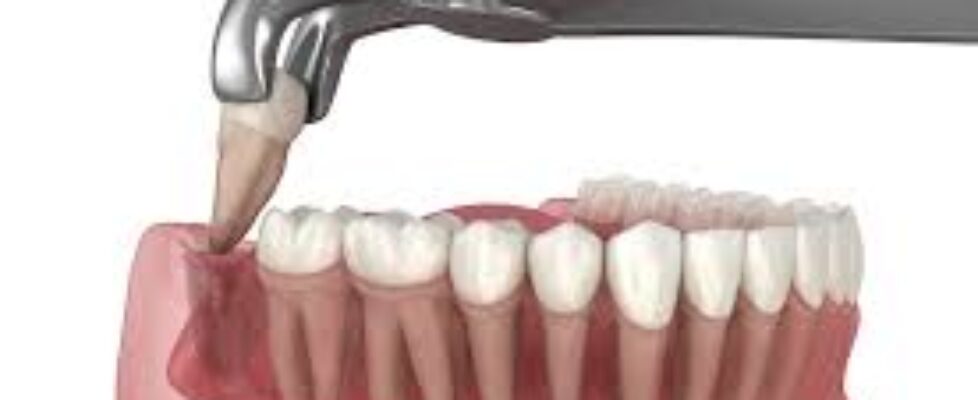
For a simple extraction (usually a tooth that’s fully visible), your dentist will use special tools to loosen the tooth and remove it. If the tooth is impacted or has broken below the gum line, the extraction may be more complex, and the dentist may need to make a small incision in the gum or break the tooth into pieces for easier removal. - Aftercare
After the tooth is removed, the dentist will give you instructions on how to care for the extraction site. You’ll likely be advised to bite down on a gauze pad to stop the bleeding and rest for a bit. It’s normal to experience some swelling and discomfort, but your dentist will provide pain management options to help ease any pain or discomfort. - Recovery
Recovery after a tooth extraction typically takes a few days to a week, depending on the complexity of the procedure. During this time, it’s important to follow your dentist’s instructions to avoid complications like infection or dry socket, which can delay healing. Your dentist will schedule a follow-up appointment to check on your progress and ensure the site is healing properly.
Risks of Tooth Extraction
While tooth extraction is a relatively safe procedure, like any surgery, there are some risks involved. Possible risks include:
- Infection
Any time the skin (or gums) are cut, there’s a risk of infection. Following your dentist’s aftercare instructions carefully will help minimize this risk. - Dry Socket
This occurs when the blood clot that forms in the extraction site becomes dislodged, exposing the bone and nerves. It can be painful but is preventable with proper aftercare. - Damage to Nearby Teeth
In rare cases, the extraction can cause damage to nearby teeth or structures in the mouth. Your dentist will take care to avoid this, but it’s still a possibility. - Bleeding
Some bleeding after extraction is normal, but if bleeding persists beyond a few hours, you should contact your dentist.
Aftercare Tips for a Smooth Recovery
To make your recovery as smooth as possible, here are some helpful tips:
- Rest and Avoid Physical Activity
Give yourself time to heal by resting and avoiding strenuous activities. This will help reduce the risk of complications and speed up your recovery. - Eat Soft Foods
Stick to soft foods like mashed potatoes, yogurt, and soups for the first few days after the procedure. Avoid anything crunchy or hard that might irritate the extraction site. - Follow Pain Management Instructions
Your dentist will likely recommend over-the-counter pain medications or prescribe something stronger if necessary. Take them as directed to manage discomfort. - Avoid Smoking
Smoking can delay the healing process and increase the risk of infection, so it’s best to avoid smoking until the site has fully healed.
Conclusion
If you’re facing the possibility of a tooth extraction, it’s important to understand the reasons why it might be necessary and what to expect during and after the procedure. At Sunnyview Dental Georgetown, we’re committed to helping you make the best decisions for your oral health. Whether you need a simple extraction or something more complex, our team will provide you with the highest level of care and support. If you have any questions or would like to discuss your treatment options, don’t hesitate to get in touch with us today!