How to Choose the Right Anti Hail Net for Your Orchard or Farm!
Every season brings its own challenges for orchard and farm owners, but few weather phenomena are as destructive—and as sudden—as hailstorms. Hail can devastate crops in a matter of minutes, bruising fruits, breaking plant stems, and damaging the overall structure of your plants. For commercial farmers and orchard managers, such losses often result in decreased product quality, reduced yields, and lost income. Fortunately, there’s a highly effective way to protect your crops from this unpredictable threat: the Anti Hail Net.
At Qingdao Agrishade Mesh Co., Ltd., we specialize in manufacturing high-quality, durable, and climate-resilient netting solutions, including a comprehensive range of Anti Hail Nets customized for different climates and crop types.

Why Hail Protection is Crucial for Orchards and Farms
Hail damage poses a significant risk for a wide variety of crops across the globe. From grapes and apples in Europe to almonds and cherries in the U.S., no region is entirely immune. In fact, due to climate change, unexpected hailstorms are becoming more frequent and more intense in many agricultural zones.
Impacts of Hail on Crop Production
- Physical Fruit Damage: Surface bruising, splitting, or knocking off fruit entirely.
- Reduced Marketability: Cosmetic damage leads to downgraded classification and lower prices.
- Crop Yield Losses: Repeated hail exposure can cause loss of flowers, leaves, and branches.
- Plant Stress and Diseases: Wounds allow pathogens and pests to invade, reducing plant health.
Given these serious implications, investing in an Anti Hail Net is not only preventive—it’s financially smart.
What Is an Anti Hail Net?
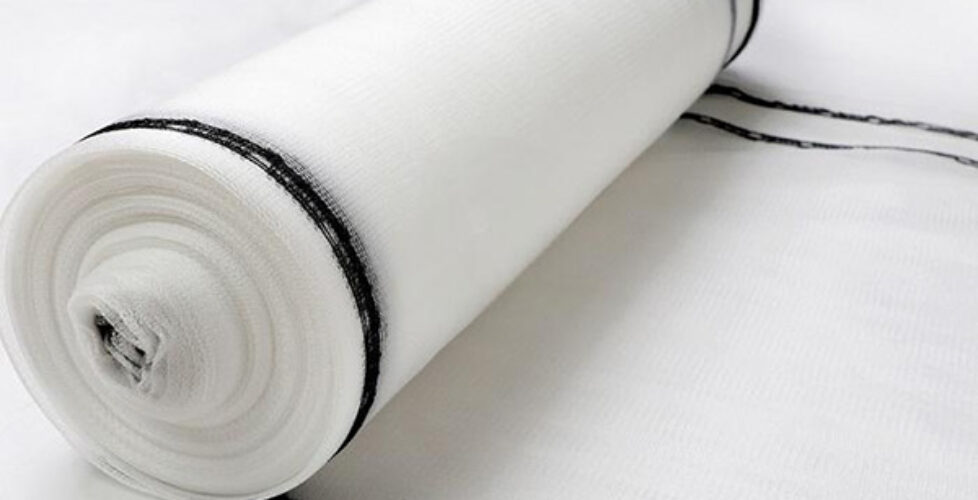
An Anti Hail Net is a high-density polyethylene (HDPE) woven or knitted mesh designed to protect crops and plants from the mechanical impact of hail. These nets act as a physical barrier by absorbing and dispersing the kinetic energy of hailstones, preventing them from touching or damaging the plants underneath.
Key Features of Anti Hail Nets from Qingdao Agrishade Mesh Co., Ltd.:
- UV-stabilized HDPE material for long outdoor lifespan
- Lightweight and easy to handle yet strong enough to resist hail impact
- Variety of mesh sizes and colors tailored for different crops and climates
- Customizable in width, length, and structure
Types of Anti Hail Nets
Choosing the right net starts with understanding which type best suits your operation. At Qingdao Agrishade Mesh Co., Ltd., we offer various configurations of Anti Hail Net and other protective meshes depending on agricultural needs.
1. Monofilament Anti Hail Net
Made with strong mono-yarn filaments, monofilament nets are durable and highly resistant to environmental stress. Their structured, tight weave enhances protection and performs well in high-wind areas.
Best For:
- Permanent fruit orchards (apples, pears, cherries)
- Areas prone to heavy hail events
Advantages:
- Extremely durable
- Works well with support structures
- Can be tensioned tightly for wind resistance
2. Knitted Anti Hail Net
Knitted nets have a flexible, lock-stitch structure that allows them to stretch under pressure and then return to their original form. These nets are easier to handle and ideal for temporary or seasonal installations.
Best For:
- Berry farms
- Vegetable crops
- Temporary crop protection
Advantages:
- Lightweight and easy to install
- Highly flexible under mechanical stress
- Cost-effective for smaller farms
3. Leno-Weave Anti Hail Net
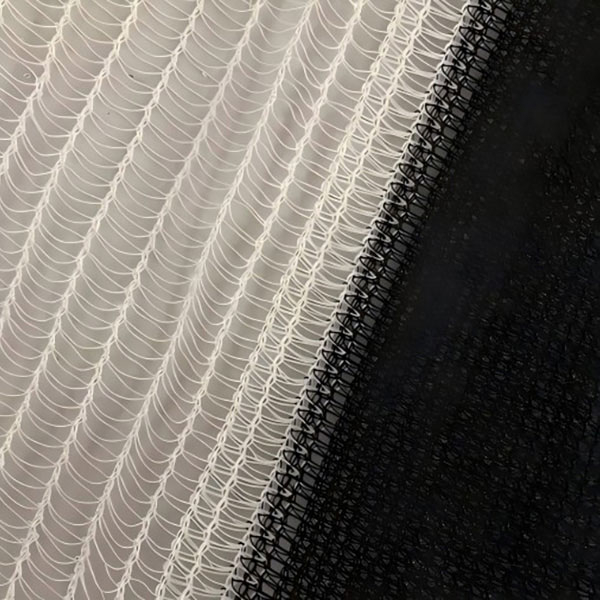
These nets use a leno weave pattern for enhanced strength without adding extra weight. The crossed yarns create square-mesh openings that improve airflow and light penetration.
Best For:
- Orchards in hot, humid climates
- Crops sensitive to heat buildup
Advantages:
- Better light diffusion
- Increased airflow
- Resistant to fraying and tearing
4. Striped or Colored Nets
For crops that require light management in addition to hail protection, you can opt for colored nets—such as white, black, or green—each offering different light and shading characteristics.
Best For:
- Light-sensitive crops (lettuce, spinach, certain flowers)
- Enhancing fruit coloration (red grapes, apples)
Advantages:
- Combines hail protection with microclimate control
- Supports better crop uniformity
- Can boost crop aesthetics
Choosing the Right Anti Hail Net: Key Considerations
Selecting the right Anti Hail Net is about more than just picking a mesh. Every farm is different. That’s why understanding your unique set of needs is critical. Below are essential factors to evaluate:
1. Type of Crop
Different crops have varying tolerance levels for impact and light. For example:
- Apples and grapes require strong, UV-stable nets that won’t rub the fruit surface.
- Cherries and plums benefit from fine mesh to handle small-hailstones and bird deterrence.
- Berries and vegetables might need multifunctional nets that also shield against insects.
2. Climate and Weather Conditions
Consider the average hail size and frequency in your region. In areas with:
- Frequent hailstorms → Go with high-density monofilament nets.
- Occasional or seasonal hail → Knitted nets may suffice.
- Strong winds → Choose nets with reinforced edging and anchoring systems.
3. Installation Method
The structure you’ll use to install your Anti Hail Net matters:
- Overhead canopy systems: Used for large orchards.
- Vertical side nets: Ideal for trellised vines or tall crops.
- Tunnel setup: Excellent for row vegetables and berries.
Our team at Qingdao Agrishade Mesh offers installation guides and support to ensure optimal setup based on your crop type and terrain.
4. Durability & Lifespan
A high-quality net should function effectively for at least 5 to 10 seasons. Look for:
- UV protection rating
- Tear resistance
- Warranty guarantees
Our nets are engineered to withstand years of exposure to sun, wind, and ice without losing structural integrity.
5. Color & Light Transparency
Depending on your light strategy, you may want:
- White nets – Reflect more light, reduce heat buildup.
- Black nets – Absorb heat, useful in cool climates.
- Green nets – Offer balanced shading for most crops.
Benefits of Installing Anti Hail Nets
While the main goal is hail protection, Anti Hail Nets offer several secondary benefits—many of which directly contribute to the quality and marketability of your crops.
- Reduces hail-caused blemishes and bruises
- Increases fruit retention during storms
- Helps maintain uniform crop growth
- Prevents sunburn (with color-tuned nets)
- Can protect against birds, bats, and falling debris
- Optimizes growing microclimate for sensitive plants
These advantages translate into tangible economic gains for farmers and orchardists—higher yields, better quality grades, and improved ROI.
Installation Tips for Anti Hail Nets
A well-installed net performs better and lasts longer. Here are some practical tips:
✅ Start With a Structural Frame
Use galvanized steel poles or treated wood to build your support system. Ensure poles are strong enough to carry net tension and withstand wind.
✅ Tension Matters
Keep the net taut, but not overly tight. Slack areas lead to hail pooling or tearing. Adjustable ropes or tensioning devices can maintain the right firmness.
✅ Use Correct Fixing Accessories
Choose net clips, hooks, and edge reinforcements designed for high-impact environment. Qingdao Agrishade provides installation packages with all required fittings.
✅ Regular Maintenance
Check for wear and tear at season-end. Repair minor holes using patching kits to extend the net’s lifespan.
Don’t Let Hail ruin Your Harvest
Choosing the right Anti Hail Net is one of the smartest long-term investments you can make in your orchard or farm. As extreme weather becomes more common, so does the need for reliable crop protection. With Qingdao Agrishade Mesh Co., Ltd., you get durable, customizable, and field-tested solutions designed to keep your harvest safe—no matter what the skies bring.
Frequently Asked Questions (FAQ)
Q1: How long do Anti Hail Nets last?
A: Our UV-stabilized HDPE nets typically last 5 to 10 years, depending on usage conditions, installation method, and maintenance practices.
Q2: Can one net protect against both hail and birds?
A: Yes. Some fine-mesh anti hail nets also deter birds. However, for maximum effectiveness, we recommend dual-purpose design nets if you face both threats.
Q3: Will the Anti Hail Net reduce sunlight and affect plant growth?
A: Our nets are designed for maximum light transparency (up to 90%) while still protecting crops. Colored nets can also be used to regulate light diffusion rather than block it.
Q4: Can your Anti Hail Nets withstand heavy snow?
A: They can handle some snow load, but they are not snow-specific. In snow-prone zones, we recommend angling nets for runoff and clearing snow to avoid extra pressure.
Q5: Do I need professional help for installation?
A: For small farms or garden plots, you can install them independently using our guides. However, large-scale orchards often benefit from professional setup to ensure alignment, tension, and long-term durability.
Q6: Are your nets recyclable or eco-friendly?
A: Yes. Our Anti Hail Nets are made from recyclable polyethylene and are produced following environmentally-conscious manufacturing practices.
Q7: Are the nets available in custom sizes?
A: Absolutely. At Qingdao Agrishade Mesh Co., Ltd., we offer custom dimensions, weights, and mesh configurations to suit specific installation needs.